



Rustic Oak Armoire
A rustic oak armoire is a robust storage piece offering generous timber grain and honest provincial character for the home.
Rustic Oak Armoire
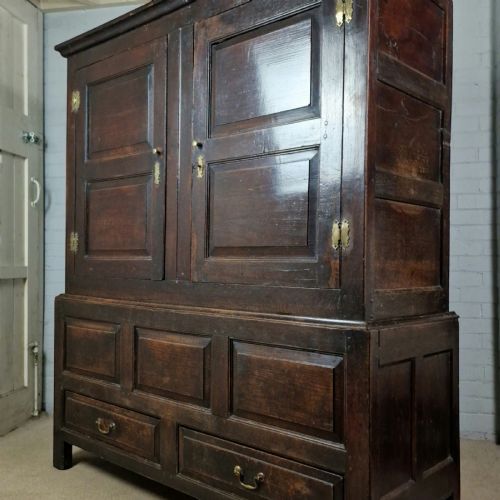
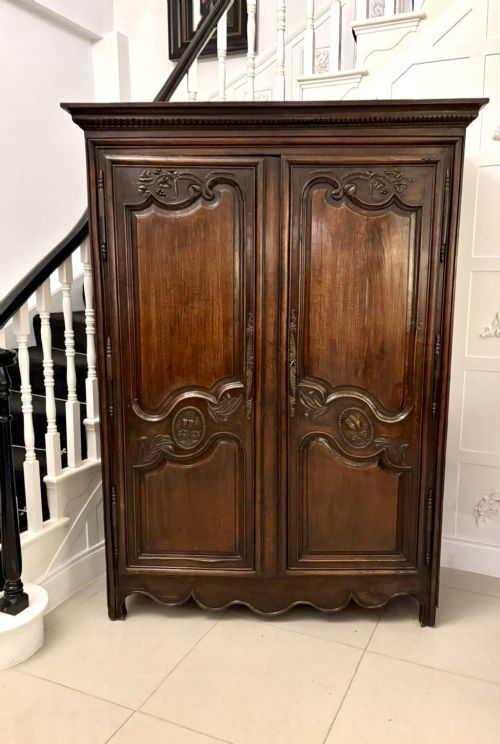
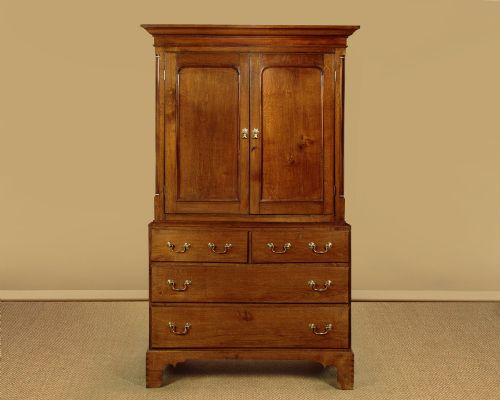
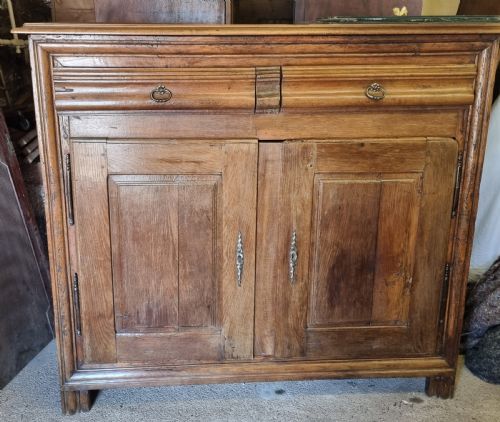
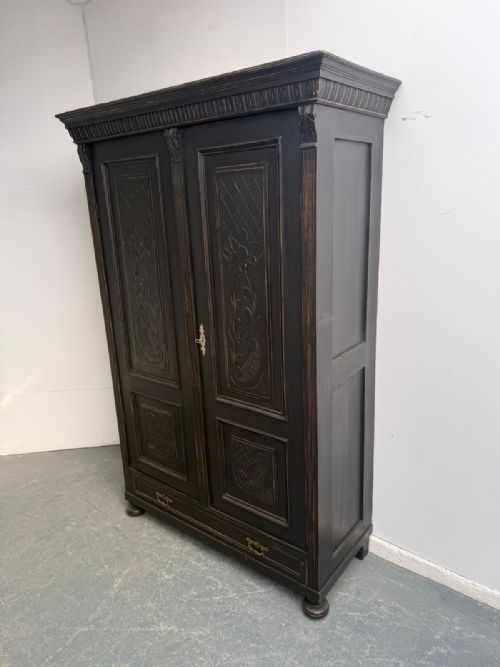
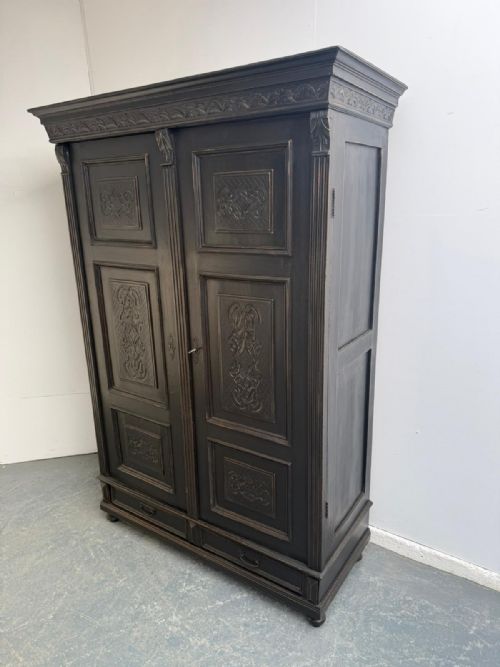
A rustic oak armoire encompasses heavy timber cupboards, linen presses and wardrobe forms rooted in seventeenth, eighteenth and nineteenth-century vernacular traditions. Buyers encounter regional French provincial armoires, Welsh hanging cupboards and Hungarian hall wardrobes alongside Georgian press cupboards.
The selection ranges from low French armoires and bleached food cupboards to tall two-piece commode vitrines and enclosed Breton lit-clos bed fronts. These pieces served practical domestic storage needs in farmhouses and country homes across Europe.
Makers utilised native hardwoods to build durable furniture designed for heavy daily use, resulting in pieces with strong architectural presence. The surviving examples display regional variations in cornice moulding, door panelling and structural proportions.
Materials and construction
Carpenters built these cabinets primarily from solid oak, frequently supplemented with secondary timbers like pine or fruitwood and joined with traditional mortise and tenon methods. The heavy timber frames often support panelled doors constructed to accommodate seasonal wood movement without warping.
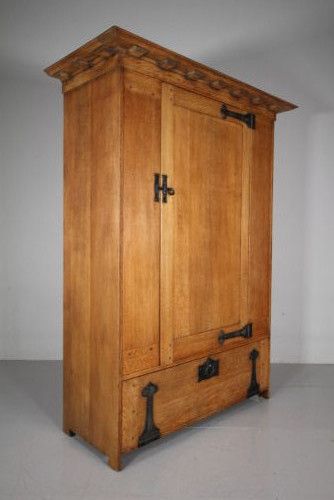
Hardware played a central structural and decorative role, featuring hand-forged wrought iron hinges, iron locks and brass escutcheons made by local blacksmiths. Some regional examples incorporate glass panels, applied paint finishes or unpolished natural wax surfaces.
Some provincial cupboards still whisper of old bread loaves and farmhouse cheddar.
Assessing quality
Quality rests in the integrity of the timber selection, the crispness of hand-carved mouldings and the retention of original blacksmith-made ironwork and hinges. Pieces retaining an authentic surface, such as early bleached oak or untouched painted finishes, hold greater aesthetic coherence.
Structural honesty distinguishes superior examples from heavily altered cabinets, particularly where original internal shelving and hanging spaces remain intact. The depth of patination on the oak surface reflects age and the quality of historical upkeep.
Heals St Ives
The Rustic Oak Armoire Glossary
- Armoire
- A large upright cupboard or wardrobe used primarily for storing garments and textiles. These storage pieces often feature double doors opening to reveal shelves or hanging space.
- Livery cupboard
- A traditional standing cupboard historically used for storing food provisions or household stores. These pieces often feature panelled doors and sturdy oak construction.
- Linen press
- A tall storage cabinet designed with upper shelving for folded linens and lower drawers for garments. Georgian and Victorian examples frequently combine deep cupboards with sliding trays.
- Lit-clos
- An enclosed box bed originating in rural France, where the wooden front framework was often repurposed into a cabinet. These architectural cupboard fronts display distinct regional carving.
- Vernacular
- Furniture built by local rural craftsmen for everyday domestic use rather than following metropolitan stylistic dictates. These pieces rely on regional traditions and available local materials.
Rustic Oak Armoire: Frequently Asked Questions
What is a rustic oak armoire?
A rustic oak armoire is a heavy timber storage cabinet built in provincial European workshops during past centuries. These pieces were designed for domestic utility, housing garments, linens and food provisions in country homes.
They appear in various regional formats, from French food cupboards to Welsh hanging cupboards. Their appeal lies in honest carpentry, visible wood grain and practical storage capacity.
How do I date an old oak cupboard?
Dating relies on observing construction methods, timber characteristics and regional hardware styles. Hand-forged iron hinges, pegged joinery and adze marks indicate early craftsmanship before industrial production.
Comparing panel mouldings and cornice profiles against documented vernacular periods helps narrow down the decade of manufacture. Original locks and surface patination also provide reliable chronological clues.
Where were these armoires originally used?
These cabinets originated in rural farmhouses, rectories and country cottages across France, Britain, Hungary and wider Europe. Each region developed distinct architectural styles to suit local domestic habits.
French provincial homes favoured large food cupboards and armoires, while Welsh and English households utilised hanging cupboards and linen presses. They formed the central storage anchor in historic kitchens and bedrooms.
How do I care for antique oak furniture?
Maintaining antique oak requires keeping the timber away from direct heat sources and sudden humidity changes. Consistent indoor conditions prevent the solid oak panels from splitting or warping.
Applying occasional natural wax helps nourish the dry grain and preserve the historic surface sheen. Avoid harsh chemical cleaners that can strip away centuries of accumulated patination.