


Rustic Milking Stool
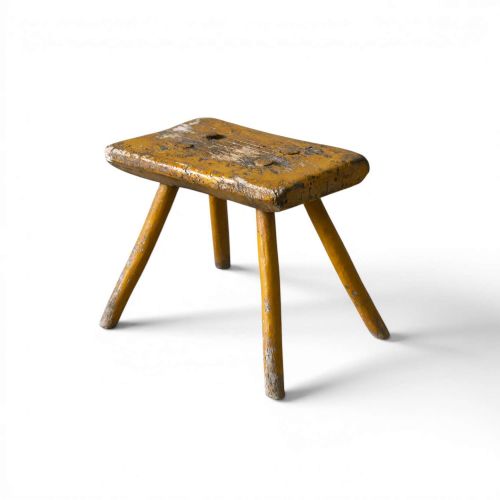
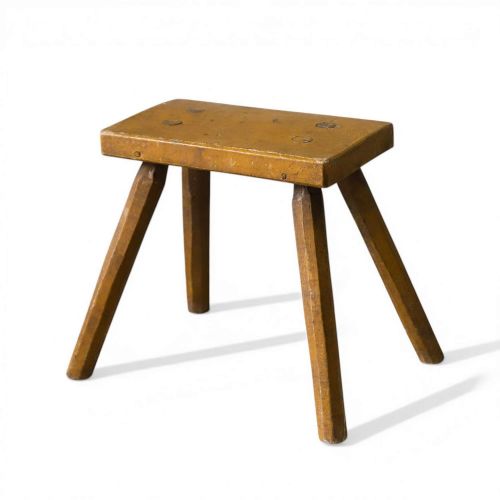
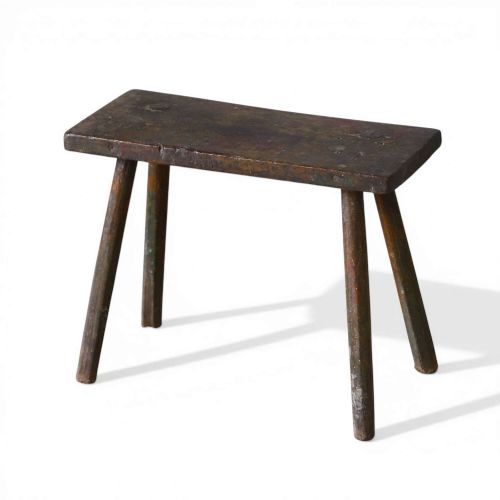
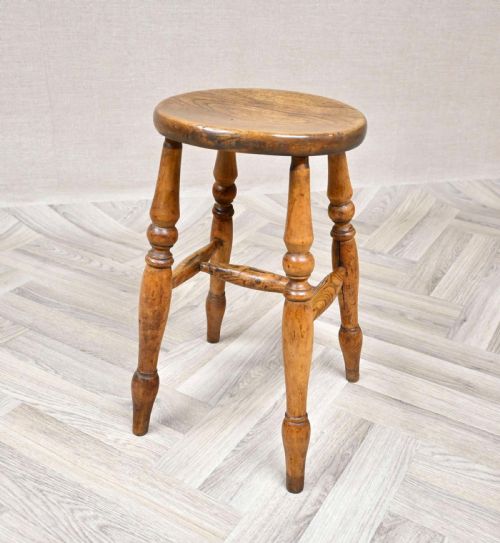
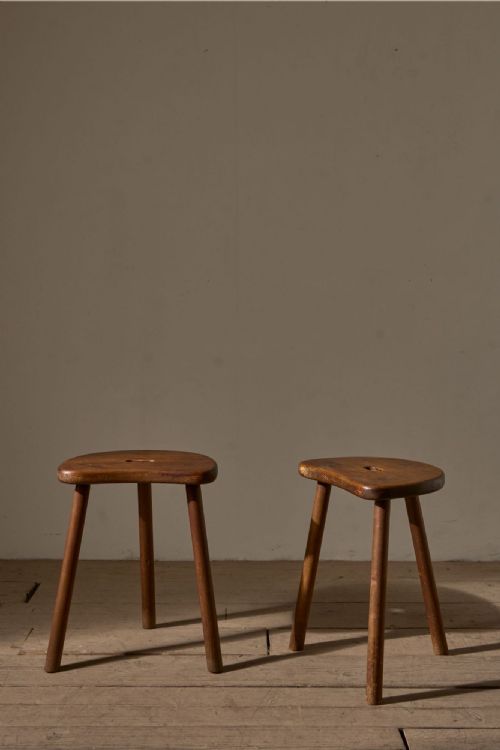
These rustic milking stool pieces are simple vernacular seats built for utility, offering buyers honest domestic history.
What these rustic milking stool examples are
The rustic milking stool category encompasses utilitarian seating shaped by rural necessity and plain country habits. Every example on this page shares a lineage tied to farm floors, hearths and workshops rather than formal urban drawing rooms.
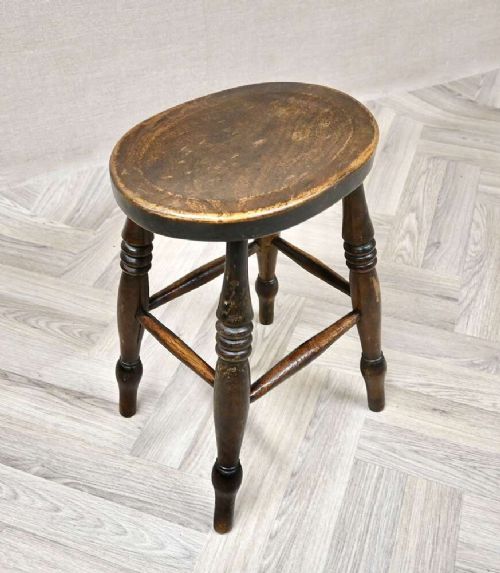
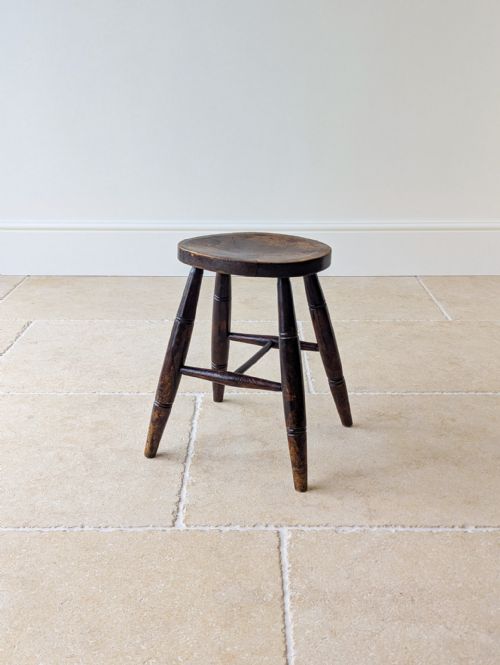
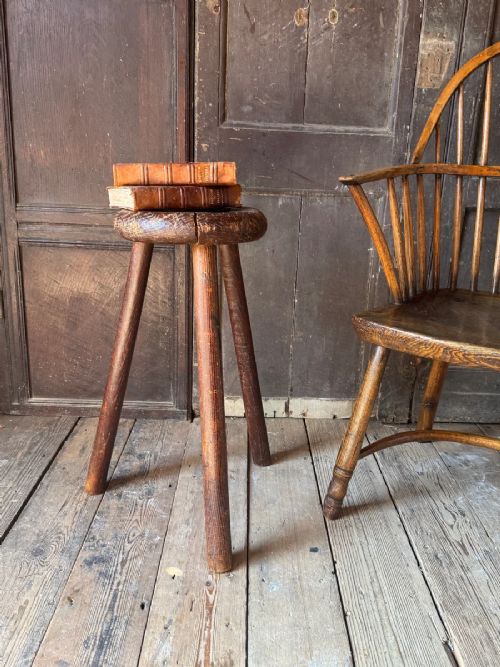
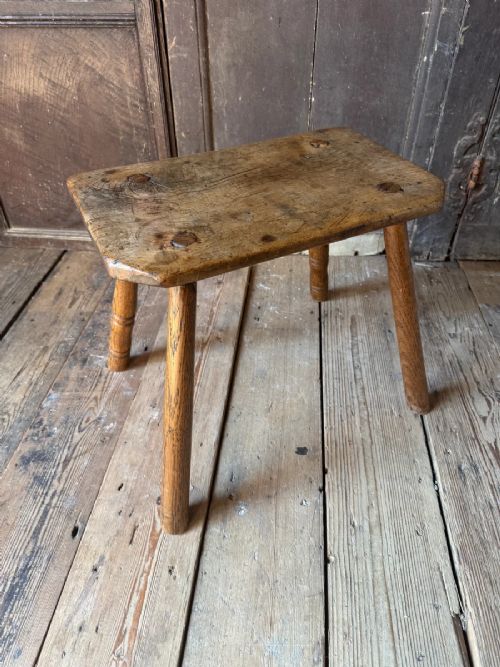
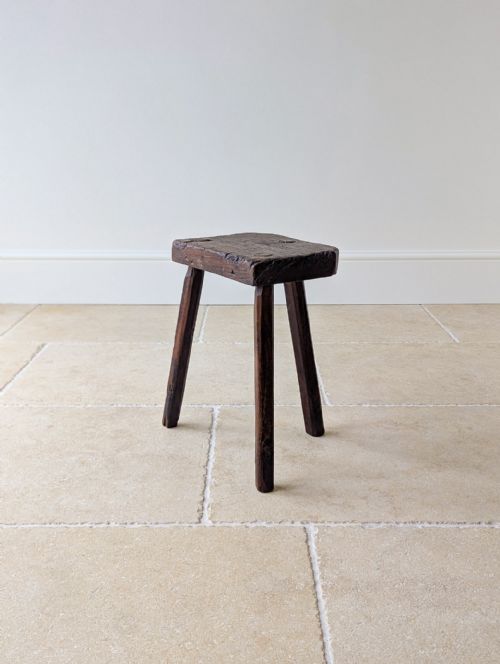
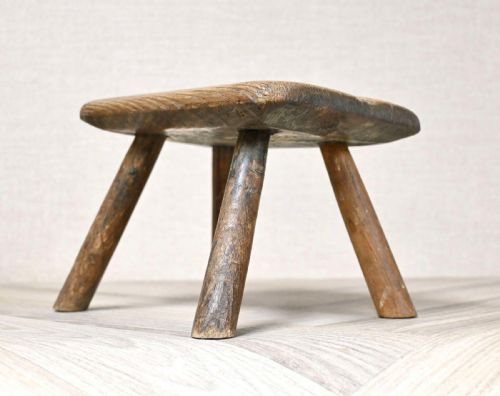
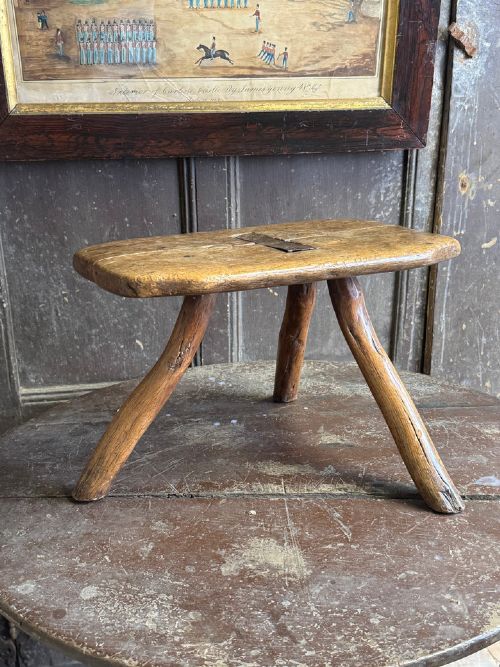
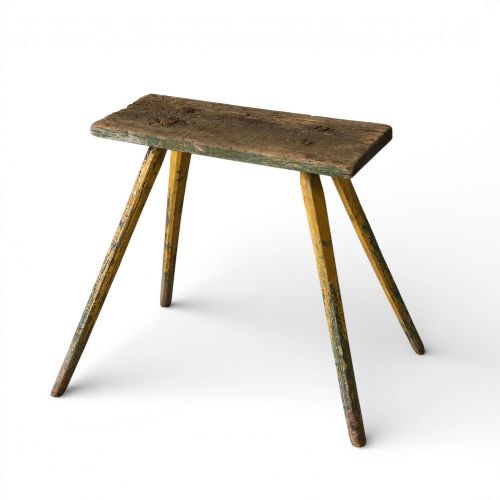
Most pieces you meet here date from the nineteenth century or the Georgian period, reflecting enduring vernacular traditions. Surviving forms include hearth stools, elm seat stools, cutler's stools and three-leg milking designs.
Makers built these objects from native hardwoods designed to withstand heavy daily use in farmyards and cottages. The resulting silhouettes remain remarkably unpretentious, relying entirely on honest joinery and sturdy timber legs.
How they were made
Craftsmen built these items using robust timbers including oak, elm, ash, beech and general timber. Carpenters selected these native woods for their toughness and resistance to splitting under heavy loads.
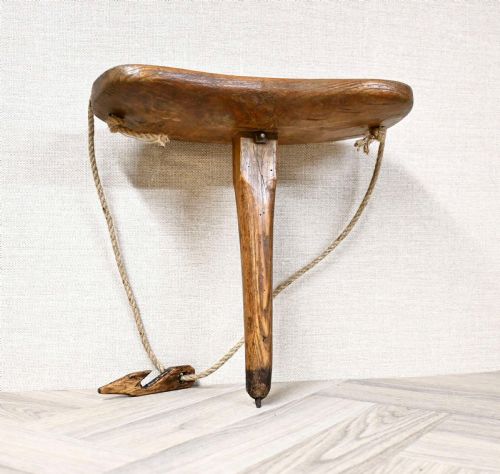
Construction methods relied on straightforward pegged joints and socketed legs fitted directly into solid plank seats. These simple structural techniques ensured the seats could endure constant movement across uneven floors without collapsing.
Retail Price Guide 2026
Typical UK retail prices for rustic milking stool, calculated from the Sellingantiques database of over a million retail prices indexed since 2003. This retail price guide relies exclusively on Sellingantiques data; no external sources or auction records are used, so the figures do not describe the wider market.
The documented examples span the Georgian era and the nineteenth century in Victorian and vernacular country styles.
What varies in quality
Quality in these pieces rests upon the integrity of the timber and the harmony of the proportions. A superior example demonstrates thoughtful selection of grain and a balanced stance that feels entirely purposeful.
The character of the surface wear distinguishes finer survivals from ordinary utility items. Genuine age shows in the soft patination of the wood rather than manufactured distressing.
The Rustic Milking Stool Glossary
- Vernacular Country
- A style of domestic object produced by local artisans using regional materials without academic architectural influence. It defines items shaped by local custom rather than fashionable trends.
- Elm
- A durable, tough hardwood frequently utilised for seat boards due to its interlocking grain which resists splitting. It provides a heavy, resilient foundation for working furniture.
- Hearth Stool
- A low seat traditionally placed near the fireplace for warmth or domestic chores. These pieces typically sit closer to the floor than standard chairs.
- Cutler's Stool
- A specialised low seat used by toolmakers and artisans during detailed workshop tasks. These forms reflect specific trade requirements within domestic manufacturing contexts.
Frequently Asked Questions
What is a rustic milking stool?
A rustic milking stool is a low, simple seat originally designed for practical farm work such as milking cows by hand.
These pieces use sturdy timber construction and typically feature three or four legs suited to uneven ground.
How old are these stools?
The pieces available here generally date from the Georgian period through to the nineteenth century.
Craftsmen built them using traditional hardwoods like elm, oak, ash and beech following long-standing rural traditions.
How do I use one at home?
These compact seats function well as side tables, plant stands or low accent pieces in living spaces.
Their unpretentious forms blend easily into contemporary and traditional interiors alike.
Are three-leg stools stable?
Three-leg stools naturally rest firmly on uneven stone or timber floors without rocking.
This practical design choice made them ideal for use on dairy farms and rustic cottage floors.