



Rustic Metal Garden Urn
These heavy, characterful pieces give an immediate sense of age and permanence to a planting scheme.
Rustic Metal Garden Urn
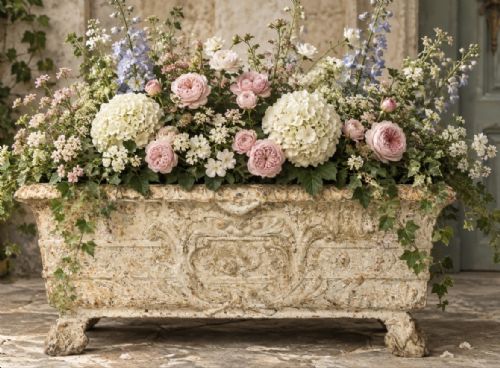
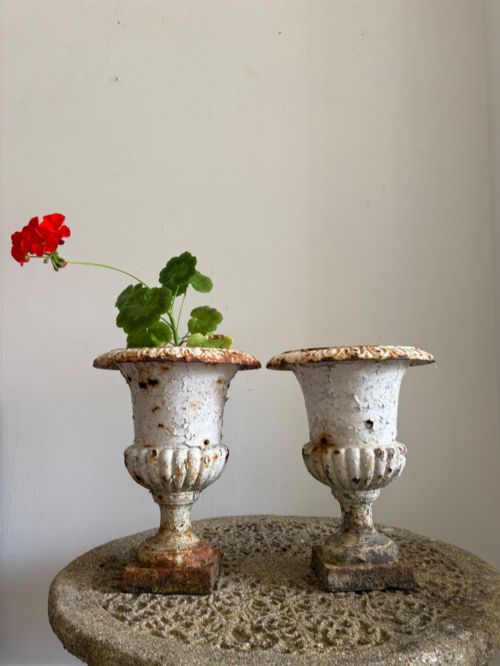
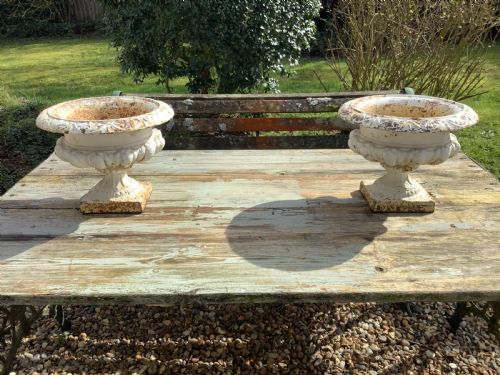
A rustic metal garden urn brings architectural weight and planted depth to terraces, patios and lawns. These vessels serve primarily to hold flowering plants, shrubs or small trees, elevating them above ground level to create formal focal points.
The selections encountered here span the nineteenth century, the Edwardian era and the year nineteen hundred and twenty. Forms range from classical footed urns on stands to large copper pots and table-top planters.
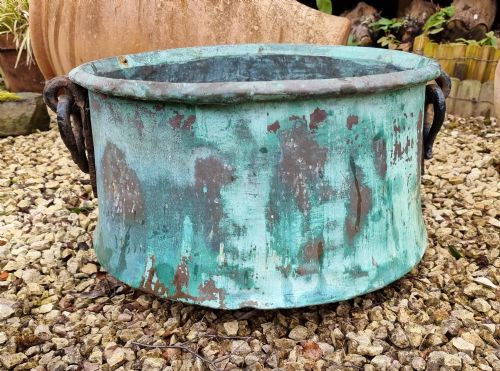
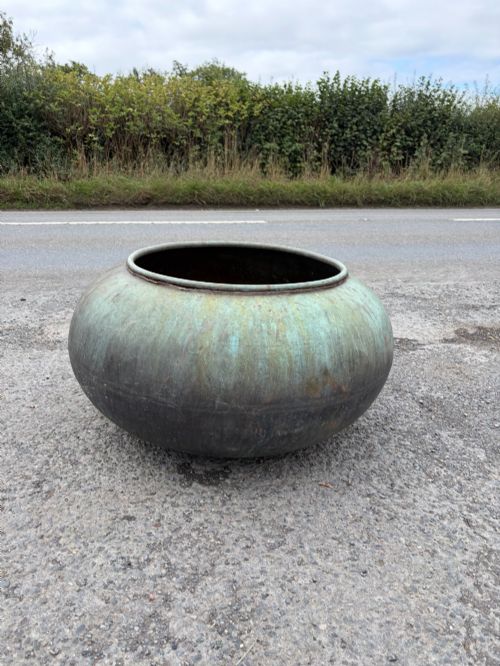
Cast iron and copper dominate the selection, often carrying original distressed surfaces or verdigris finishes developed over decades outdoors. Pieces appear in French country, French chateau, Victorian utilitarian and rustic farmhouse styles.
How they were made
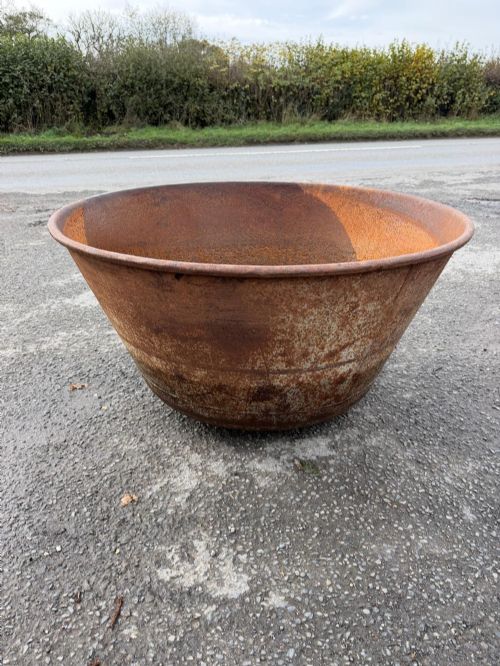
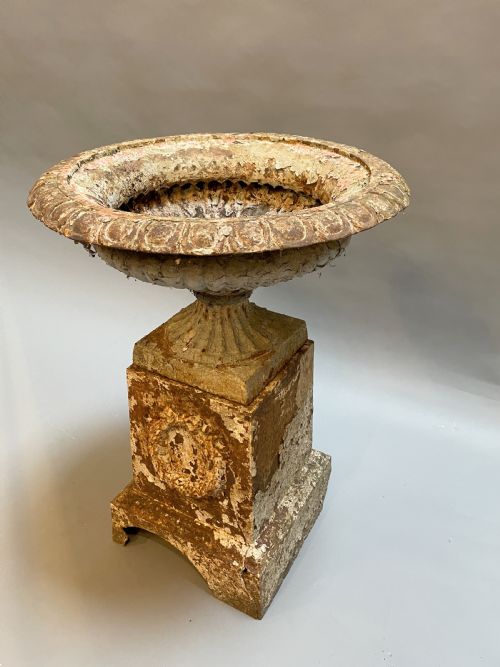
Foundries produced the heavy iron examples through sand-casting, resulting in thick, robust walls designed to withstand freezing winter conditions. Makers often assembled urns in sections, joining bowls to separate pedestals or stands.
Coppersmiths hammered sheet metal into generous, deep pots and planters, forming rolled rims for structural rigidity. These metal bodies acquired their character through the application of early paint layers or through natural oxidation creating verdigris.
Rustic Metal Garden Urn Retail Price Guide 2026
Typical asking prices for rustic metal garden urn among the pieces listed under this phrase on Sellingantiques today, from the lower quarter to the upper quarter. They describe what is for sale here now, not the wider market.
Current listings demonstrate materials spanning cast iron, wrought iron, copper and painted finishes across nineteenth-century and early twentieth-century periods.
What varies in quality
The distinction between ordinary and superior pieces lies in the crispness of the cast ornament and the balance of the proportions. Classical moulding, sharply defined fluting and well-proportioned handles separate finer foundry work from utilitarian production.
Surface integrity and original finishes dictate desirability. Natural verdigris built up over long periods on copper holds more appeal than modern artificial patination, whilst surviving original distressed paint on iron shows the true age of the object.
The Rustic Metal Garden Urn Glossary
- Verdigris
- A green patina or crust that forms naturally on copper, brass or bronze through atmospheric weathering. This chemical change protects the underlying metal whilst providing a desirable aged surface.
- Cast Iron
- An iron-carbon alloy poured into moulds to create rigid shapes. It provides the heavy, durable substance required for outdoor garden vessels.
- Planter
- A decorative receptacle designed to hold growing plants without requiring them to be planted directly in the ground. These vessels allow rearrangement of garden planting.
- Pedestal
- A base or stand that elevates an urn above the ground level. Standing pieces create stronger vertical accents in garden layouts.
Rustic Metal Garden Urn: Frequently Asked Questions
Can I leave iron urns outside all winter?
Cast iron handles frost well due to the thickness of the metal walls. Ensure drainage holes remain clear so expanding ice does not crack the bowl.
Elevating the base slightly off damp ground prevents moisture from drawing up through the iron during freezing months.
How do I clean verdigris off copper?
The green verdigris layer acts as a protective shield for the copper beneath. Most collectors prefer to leave this weathered surface untouched to preserve the history of the piece.
Gentle washing with warm water removes loose dirt without stripping away the patination built up over decades.
How do I date a cast iron urn?
Look closely at the casting seams, bolt fixings and the style of the classical ornament. Nineteenth-century examples often feature heavier sand-cast textures and simpler assembly methods than later reproductions.
Original surface treatments such as early layered paint offer reliable clues to the age of the iron.
Are copper pots suitable for direct planting?
Copper pots accommodate direct planting provided they possess adequate drainage holes at the base. Lining the interior protects the metal from acidic soils and constant moisture.
Many owners use these large vessels as cachepots, dropping potted shrubs directly inside for easy seasonal rotation.