


Rustic Hallway Seating Bench
A rustic hallway seating bench brings honest utility and vernacular character to an entryway, offering a practical spot to pause as you step inside.
Rustic Hallway Seating Bench
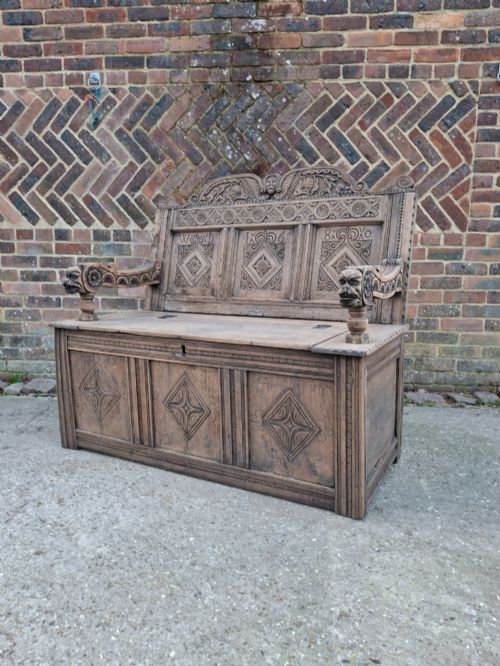
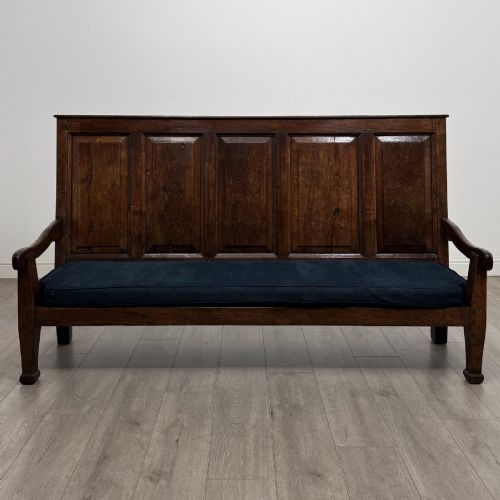
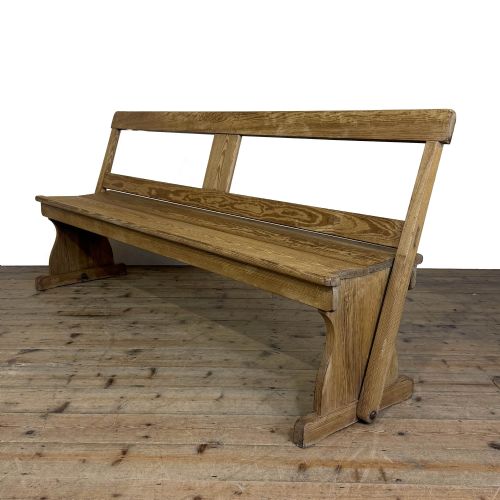
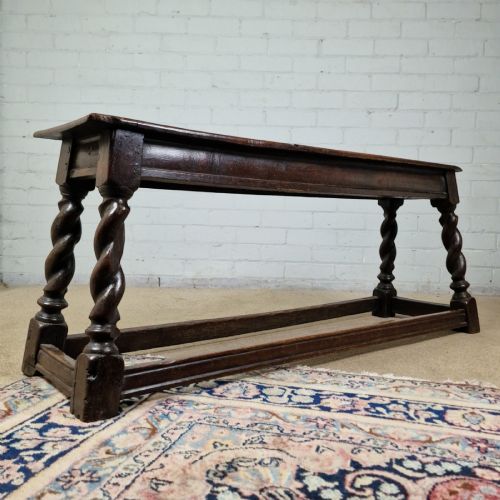
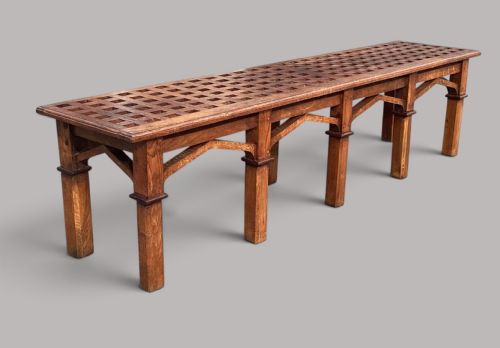
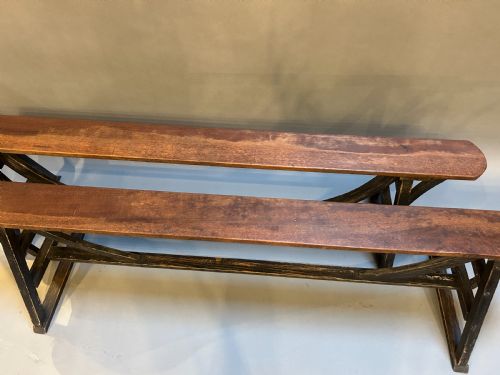
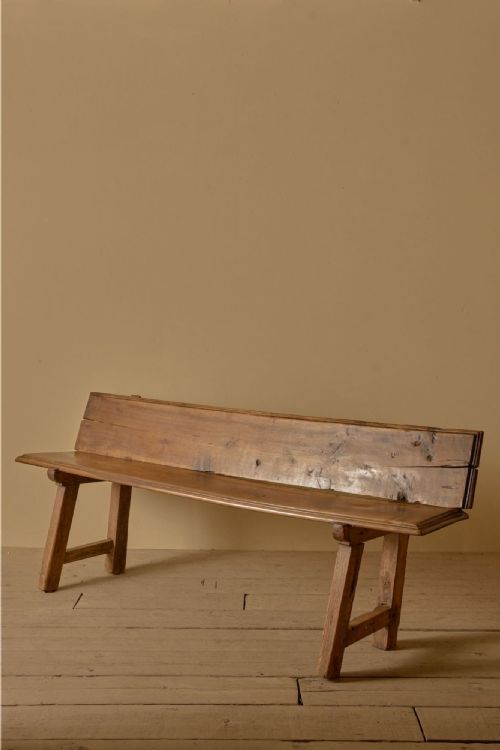
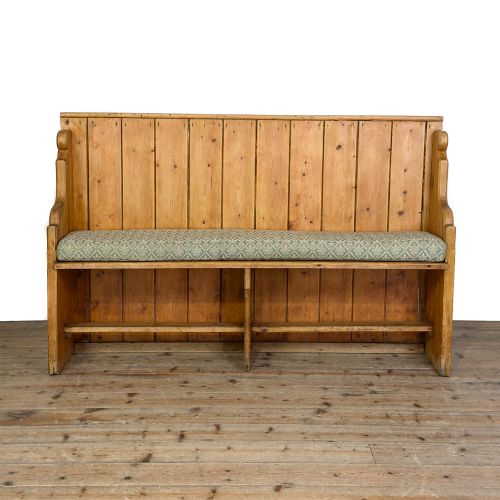
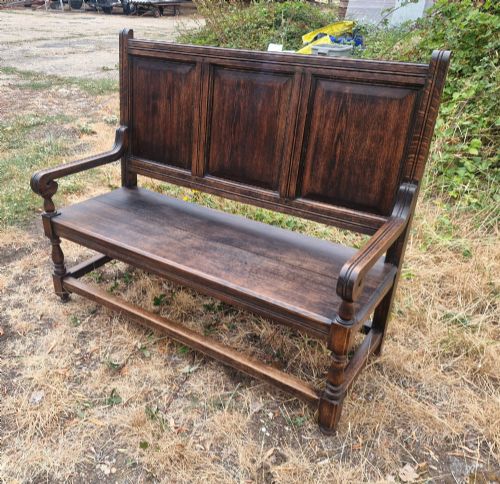
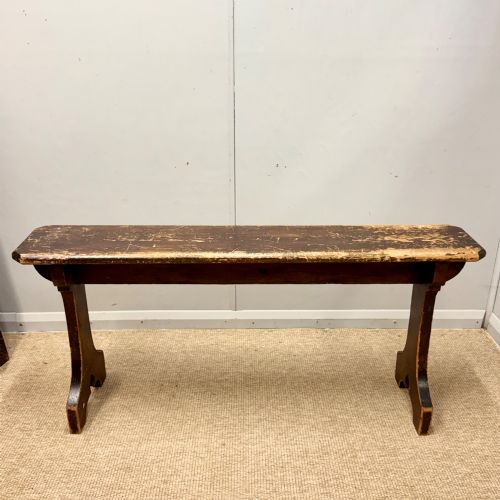
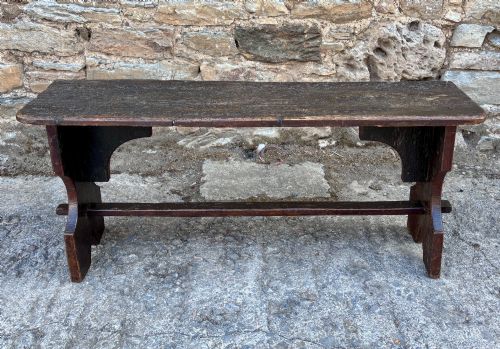
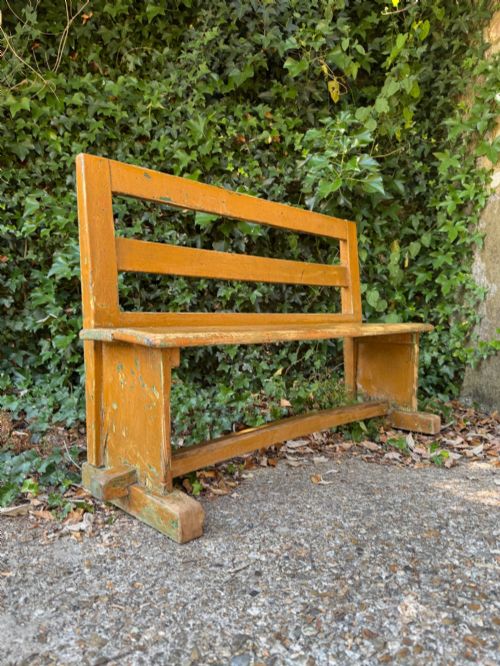
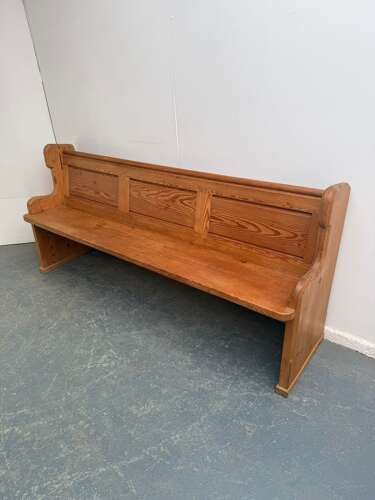
A rustic hallway seating bench encompasses traditional forms such as simple long stools, high-back settles, and church pews tailored for domestic entryways. You will frequently encounter nineteenth-century pine and oak examples originating from English, Welsh, and Hungarian workshops.
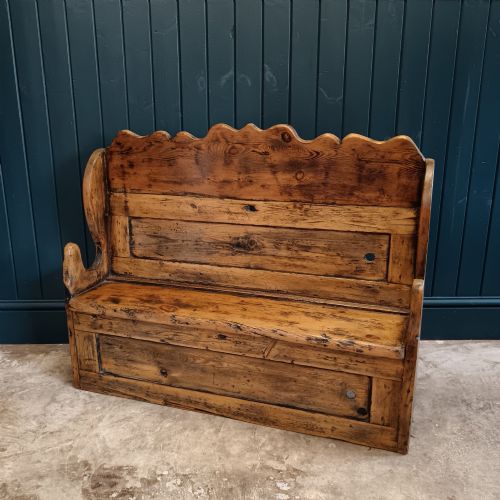
The selection ranges from narrow slim benches designed for compact corridors to deeper box settles featuring integrated storage beneath the seat. These pieces reflect regional country styles, including Victorian country and rustic farmhouse aesthetics.
Many items show functional adaptations like flip-over mechanisms or compartment bases intended for boots and household items. The forms rely on straightforward construction methods that prioritise everyday utility over ornate display.
Materials and Construction
Makers relied principally on solid native timbers such as pine, elm, and oak, often finished with wax, honey brown patina, or original paint layers. These materials provided the structural strength required for heavy daily use in busy hallways and taverns.
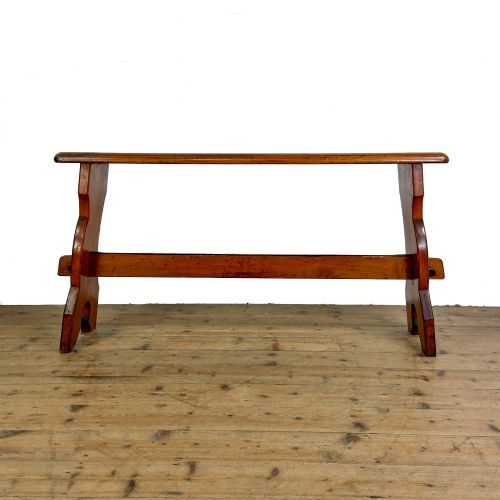
Joinery techniques combined pegged joints, panelled construction, and sturdy trestle supports to ensure long-term stability. Surfaces display the tool marks and natural grain patterns inherent in traditional woodworking.
Rustic Hallway Seating Bench Retail Price Guide 2026
Typical asking prices for rustic hallway seating bench among the pieces listed under this phrase on Sellingantiques today, from the lower quarter to the upper quarter. They describe what is for sale here now, not the wider market.
Several listings note unexpected dual identities, including church organist benches and railway seats repurposed for domestic hallways.
Evaluating Quality and Character
Quality rests in the integrity of the timber, the survival of original surface treatments like historic paint or warm wax patination, and structural soundness. Pieces retain greater appeal when their original fixings and structural timbers remain unaltered by modern replacements.
The Rustic Hallway Seating Bench Glossary
- Settle
- A wooden bench featuring a high back and solid arms, often designed with a box storage base beneath the seat. This form protected sitters from draughts in older hallways and kitchens.
- Pew
- A long wooden bench traditionally used in ecclesiastical settings like churches and chapels. These heavy communal seats were frequently adopted into domestic hallways for robust seating.
- Patina
- The surface sheen and colour developed by timber over decades through handling, waxing, and ageing. A desirable patina shows genuine depth rather than artificial distressing.
- Trestle
- A structural support consisting of a horizontal beam fixed to two splayed legs. This method provides steady support for long refectory benches and tavern seating.
Rustic Hallway Seating Bench: Frequently Asked Questions
What is a rustic hallway seating bench?
A rustic hallway seating bench is a traditional wooden seat designed for entryways, incorporating forms like settles, pews, and simple timber stools.
These pieces utilise durable woods such as pine, oak, and elm, often displaying characteristic regional country styles and functional storage elements.
How were settle benches used historically?
Historical settle benches served as primary seating in kitchens, halls, and taverns, where their high backs helped block cold draughts.
Many examples included integrated box storage beneath the seat for blankets, boots, or household provisions.
How do I care for a waxed pine bench?
Care for a waxed pine bench involves regular dusting with a dry cloth and occasional application of traditional beeswax to nourish the timber.
Avoid placing antique wooden furniture near direct heat sources or damp areas to prevent wood movement and splitting.
How can I tell the period of a wooden bench?
Determining the period involves examining the construction marks, timber species, hardware, and surface treatments visible on the piece.
Nineteenth-century and earlier examples typically display hand-planed surfaces, pegged joinery, and patination that align with vernacular furniture traditions.