

Rustic Hall Console Table
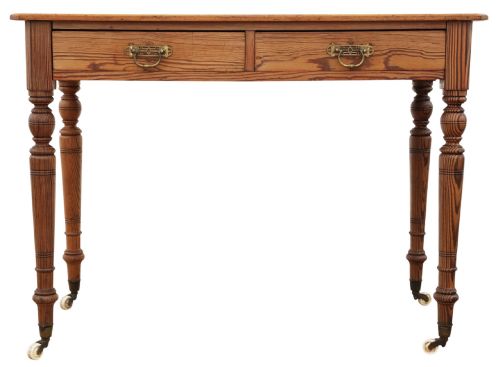
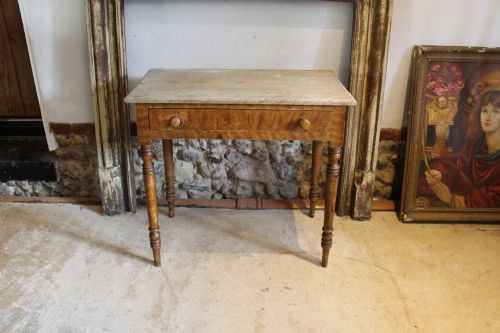
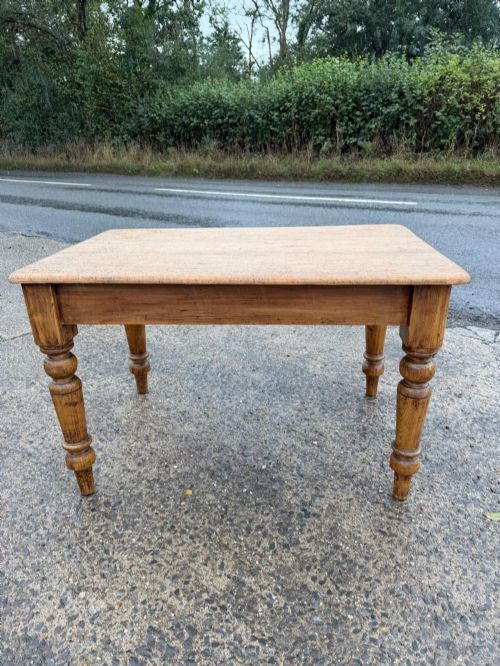
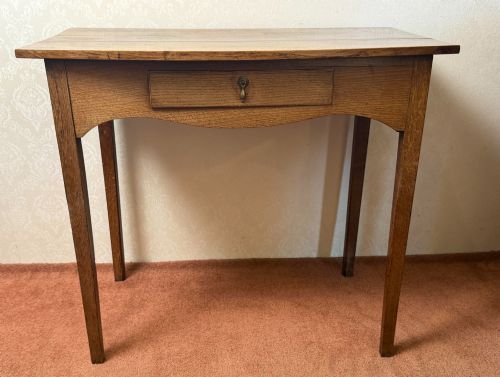
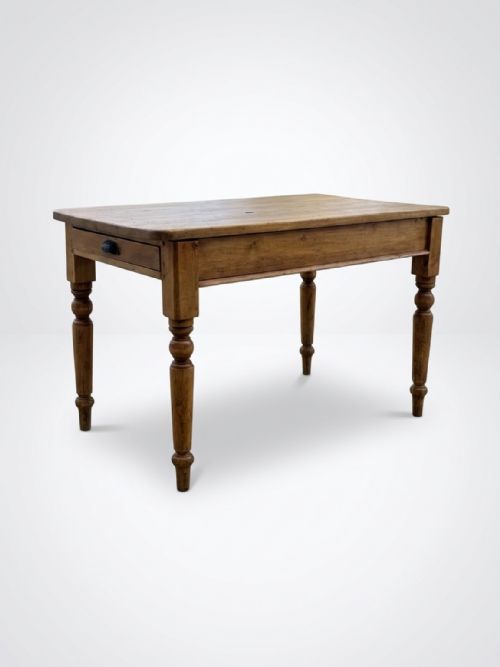
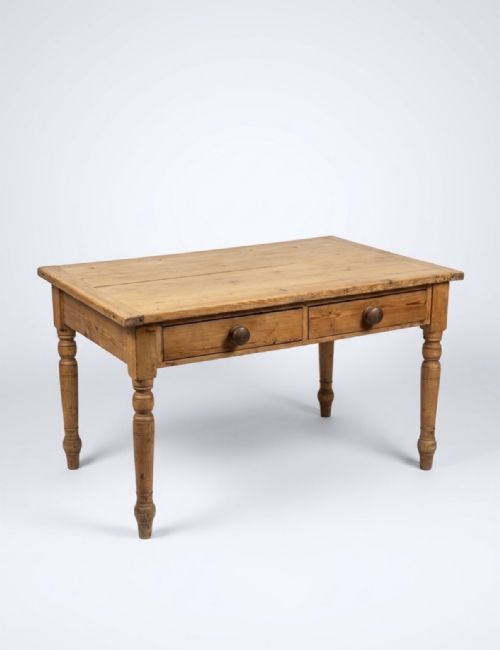
A rustic hall console table brings utilitarian charm into a home, offering sturdy surfaces forged from oak, pine, and elm.
Rustic Hall Console Table
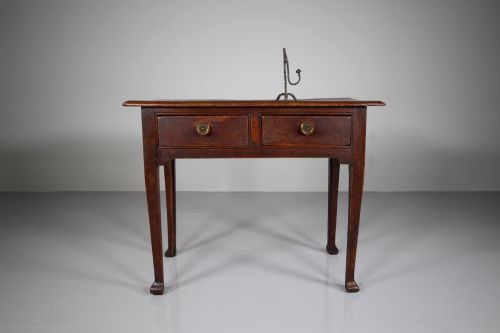
When you search for a rustic hall console table, you encounter practical furniture designed for domestic utility rather than grand drawing-room display. The inventory relies heavily on pieces originating from the eighteenth and nineteenth centuries, including Victorian and Edwardian examples.
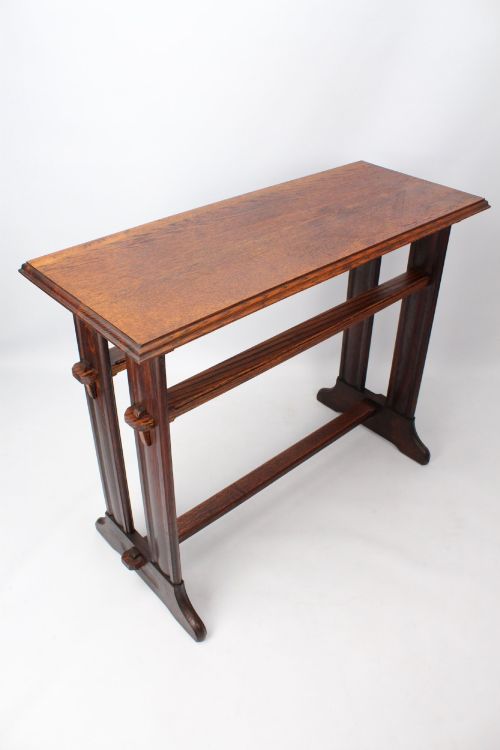
The selection encompasses diverse forms such as side tables, servers, dresser bases, and washstands. Oak and pine dominate the offerings, occasionally accompanied by fruit wood, elm, and marble tops.
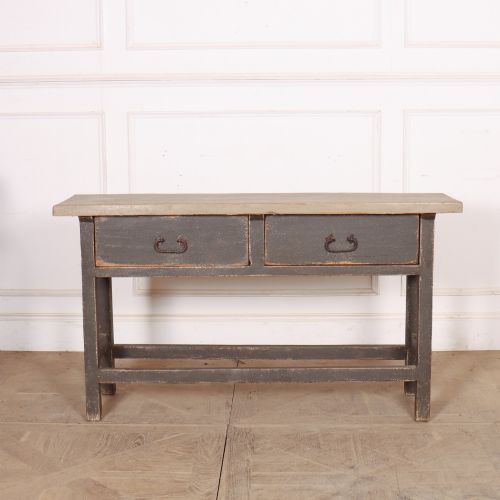
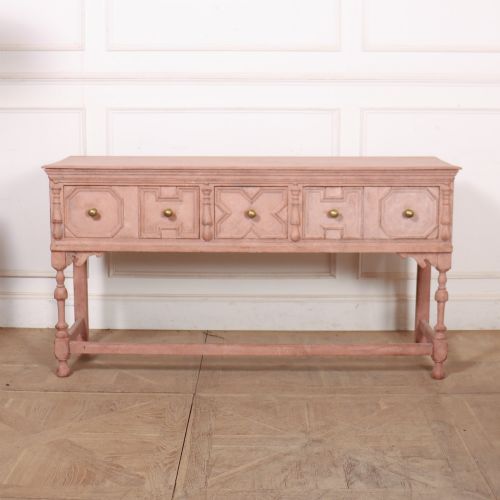
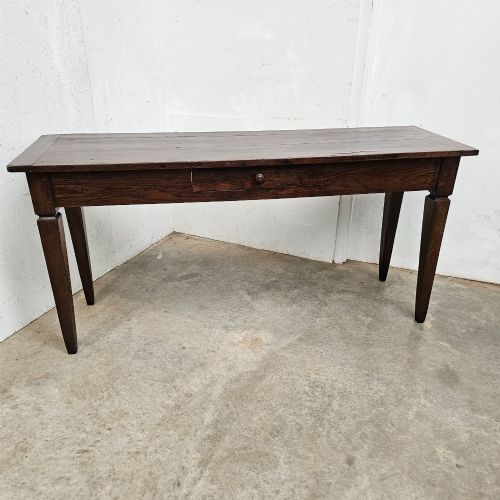
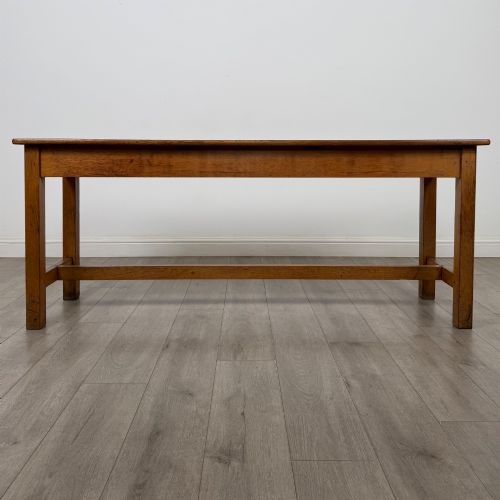
Regional variations span English, French, Welsh, and Scandinavian traditions, presenting surfaces in bare wood, scumble paint, or bleached finishes. These tables frequently incorporate single drawers, box stretchers, or potboards beneath the main surface.
How they were made
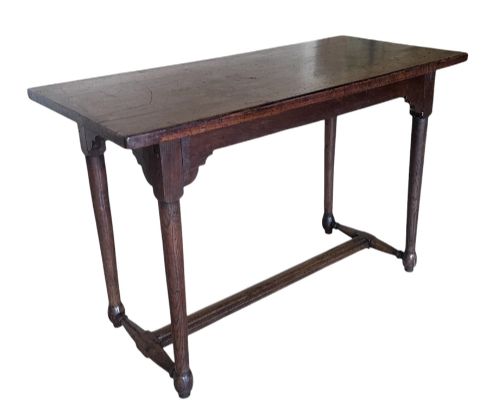
Makers utilised solid timbers like oak, pine, elm, and fruit wood, constructing heavy frames capable of supporting daily labour. Joinery relied on traditional methods suited to domestic workshops, ensuring durable joints for tables, servers, and dresser bases.
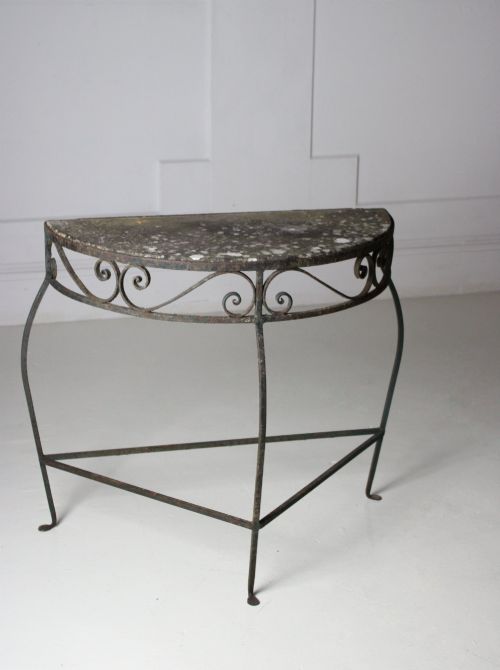
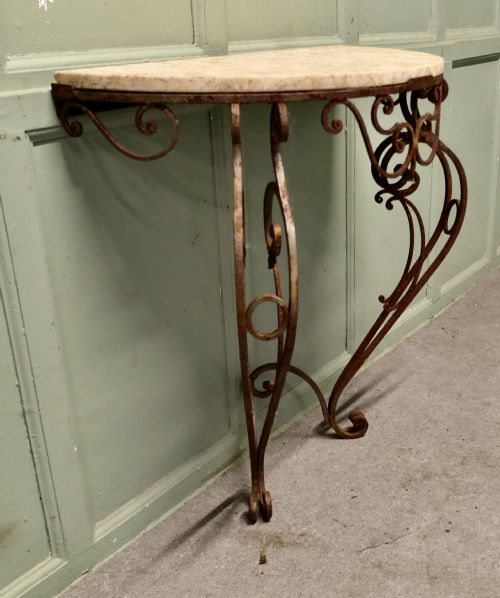
Surfaces often received applied treatments such as original paint, scumble finishes, or bleaching. Wrought iron elements and marble inserts appear on specific continental and Edwardian formats, introducing alternative textural combinations.
Listings span the eighteenth, nineteenth, and early twentieth centuries, utilising native oak, pine, elm, and fruit wood.
What varies in quality
Distinction across the range rests upon the integrity of the timber and the preservation of original finishes like scumble paint or early surface treatments. Untouched patination on oak and pine commands attention, whereas heavily altered or stripped pieces present a different character.
Construction heft and regional vernacular details separate standard utility items from finer country examples. Elements like integrated potboards, box stretchers, and fitted drawers reflect the original maker's ambition within domestic furniture traditions.
The Rustic Hall Console Table Glossary
- Dresser base
- A low utilitarian cabinet featuring drawers or cupboards, historically used for food preparation and storage in country kitchens.
- Scumble
- A decorative paint technique applied to imitate wood grain or create textured patterned surfaces on pine furniture.
- Potboard
- An open lower shelf fitted between the legs of a dresser base or table, originally intended for storing heavy pots and pans.
- Box stretcher
- Intersecting wooden rails near the base of table legs that provide structural rigidity and frame support.
- Frieze
- The horizontal band running directly beneath the top surface of a table, frequently housing one or more drawers.
Rustic Hall Console Table: Frequently Asked Questions
What is a rustic hall console table used for?
These tables function primarily as narrow surface areas in narrow corridors, entryways, or living spaces. They hold lamps, decorative objects, or everyday correspondence without obstructing passage.
The inclusion of drawers or lower potboards on many examples provides discreet storage for household items, combining display utility with practical organisation.
How do I identify a Victorian pine table?
Victorian pine pieces typically display dense grain patterns and heavy construction, often finished with original paint, scumble effects, or stripped surfaces. They frequently incorporate simple single drawers to the front frieze.
Comparing the drawer construction and timber density helps distinguish these nineteenth-century examples from later twentieth-century reproductions or earlier Georgian counterparts.
Are these tables suitable for modern hallways?
Their naturally narrow proportions make them ideal for modern circulation spaces, offering surface area without occupying excessive floor depth. The varied lengths accommodate both compact apartments and expansive entrance halls.
Living with these pieces involves appreciating their established patination, where previous utility and wear contribute directly to their decorative character.
What materials are common in these listings?
Oak and pine form the vast majority of the inventory, appearing in forms ranging from Welsh dresser bases to simple side tables. Elm, fruit wood, and painted finishes also feature prominently.
More specialised examples incorporate wrought iron frames and marble tops, particularly within pieces reflecting French or Edwardian country styles.