


Rustic Garden Furniture
These rustic garden furniture pieces bring enduring character to outdoor spaces, pairing robust ironwork with weathered timber.
Rustic Garden Furniture
Rustic garden furniture encompasses functional outdoor seating, tables, and decorative urns designed for patios, lawns, and park settings. Buyers selecting pieces within this category encounter items spanning the nineteenth century through the mid-twentieth century.
Makers utilised resilient materials capable of withstanding external elements while maintaining decorative appeal. Period examples incorporate structural elements such as cast iron frames and wooden slats.
How they were made
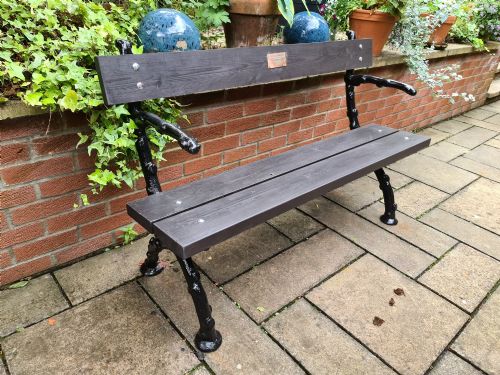
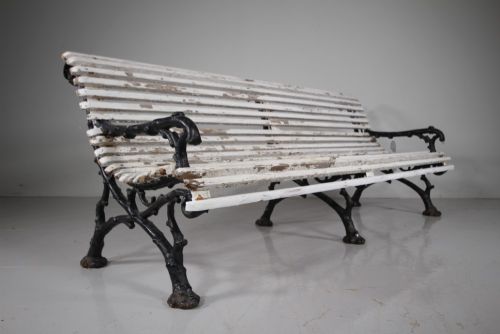
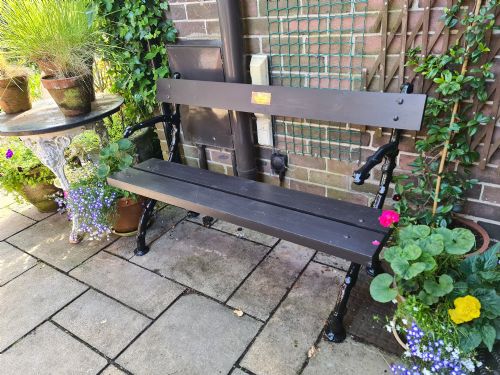
Foundries cast iron into intricate patterns, creating structural bench ends and decorative urns. Metal components frequently feature painted or weathered finishes resulting from age and exposure.
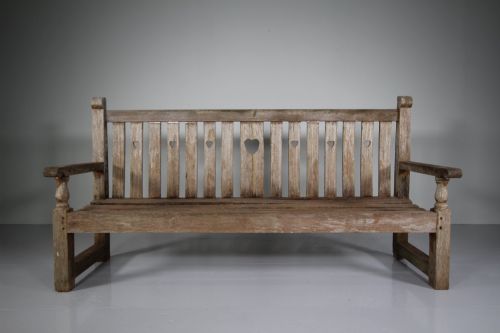
Joiners and estate workers constructed wooden elements using teak, oak, pine, and general timber. Slatted seats and tabletops utilise durable woods that weather naturally to a silvered patina.
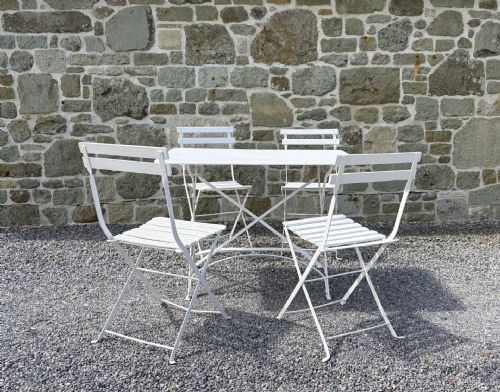
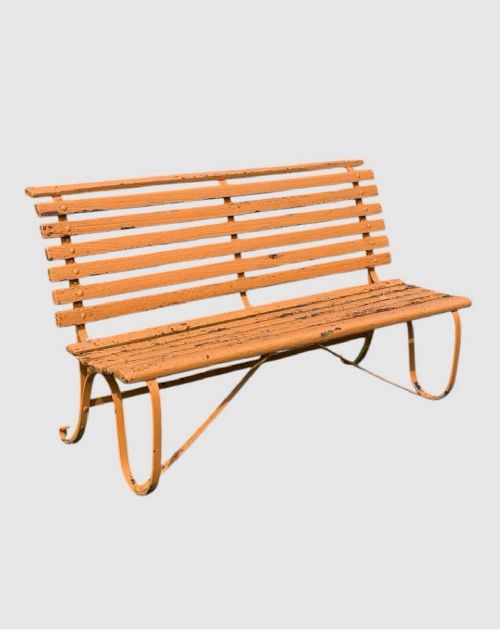
Wrought iron and steel were shaped for folding tables, loungers, and plant stands. Artisans combined metal frames with wooden tops or slatted surfaces to balance weight and utility.
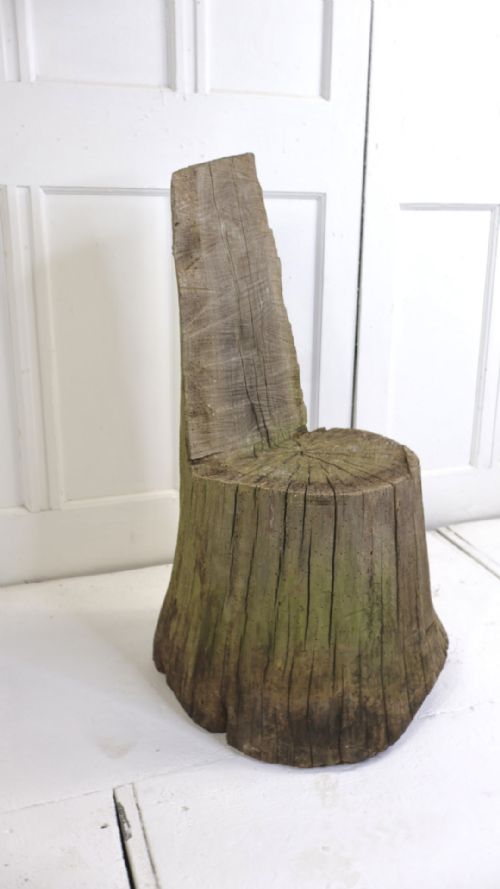
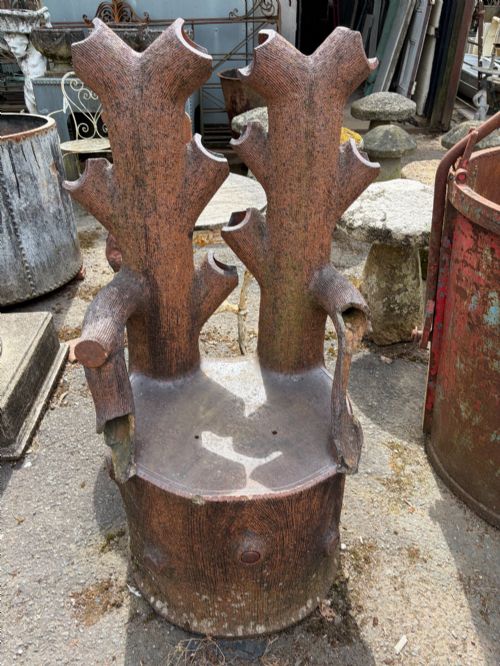
Some estate workers clearly had time to spare, crafting elaborate tree seats designed to hug the local timber.
What varies in quality
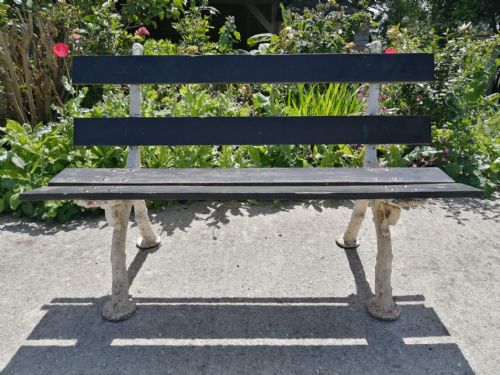
The sophistication of the casting work and decorative detail differentiates standard examples from finer works. Elaborate motifs, such as faux bois designs or specific foundry patterns, elevate a piece.
The integrity of the materials and the degree of weathering dictate the overall character. Original timber components that retain their structural strength alongside natural silvering represent better preservation.
Coalbrookdale
The Rustic Garden Furniture Glossary
- Faux bois
- A technique where metal or concrete is formed to imitate the appearance of natural wood. This style is particularly associated with Victorian garden seats and benches.
- Tree seat
- A circular or polygonal bench built to enclose the trunk of a mature tree. These sculptural pieces provide shaded seating around a garden feature.
- Arras
- A distinct style of French iron garden furniture produced by the town of Arras. These pieces feature characteristic strap work and maker plaques.
- Cast iron
- Molten iron poured into a mould to create rigid structural and decorative components. It provides the heavy framework for many nineteenth-century garden benches.
- Weathered
- The natural physical alteration of wood and metal surfaces caused by long exposure to sun, rain, and air. This process results in a silvered patina on timber.
Rustic Garden Furniture: Frequently Asked Questions
How do I protect garden furniture?
Outdoor pieces constructed from cast iron and teak withstand natural elements due to their durable material composition. Regular cleaning removes debris and helps preserve the existing surface.
Storing wooden and metal items under cover during severe winter weather prevents excessive moisture absorption. Allowing timber to weather naturally maintains the historic patina valued by collectors.
What is faux bois furniture?
Faux bois translates to false wood, describing items shaped to mimic branches, bark, and logs. Victorian makers applied this technique to cast iron garden seats.
These sculptural pieces blend natural forms with durable metal construction. They serve as decorative focal points within nineteenth-century garden layouts.
How old is my garden bench?
Dating outdoor seating involves examining the materials, construction methods, and design styles characteristic of specific eras. Nineteenth-century examples often feature heavy cast iron frames combined with timber slats.
Twentieth-century pieces introduce different folding mechanisms and alternative metal alloys like steel. Comparing decorative motifs against documented period styles clarifies the manufacturing timeframe.
Can I leave teak outside all year?
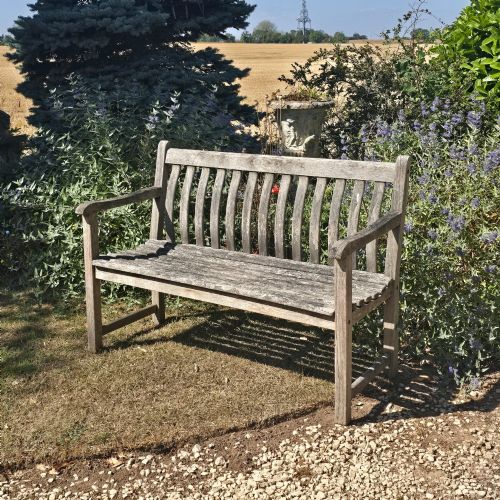
Teak contains natural oils that resist moisture decay and insect damage, making it suitable for year-round exterior placement. The wood gradually transitions from a golden brown to a soft silvered grey when exposed to sunlight.
This weathering process does not compromise the structural integrity of the bench or table. Periodic washing keeps the surfaces clean without requiring chemical treatments.