



Weathered Metal Table
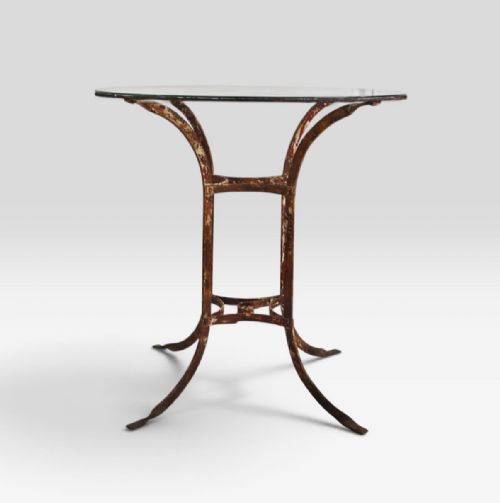
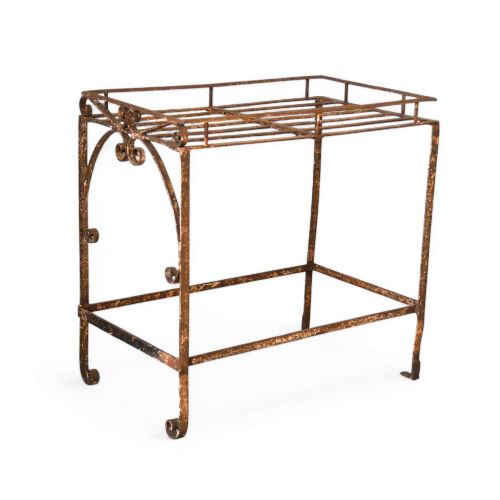
These weathered metal table pieces are practical iron and brass furnishings carrying decades of patina, offering sturdy surfaces for gardens and conservatories.
Weathered Metal Table
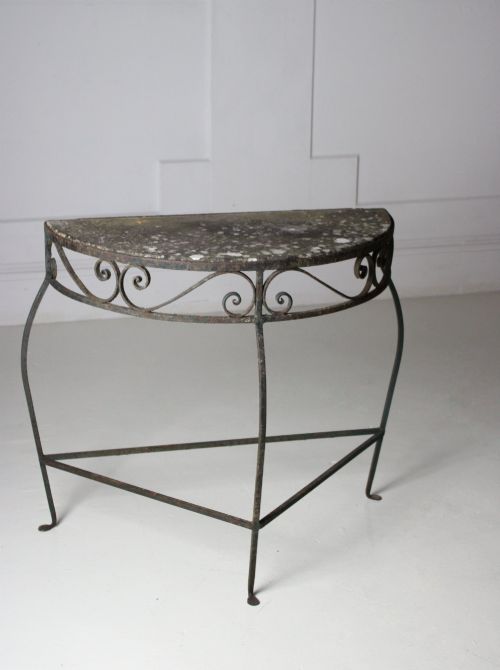
When you search for weathered metal table items, you encounter functional furniture designed primarily for outdoor and garden use, spanning the Victorian and Edwardian eras alongside early twentieth-century examples. These items include French country garden tables, folding designs, and console pieces that combine industrial utility with decorative period charm.
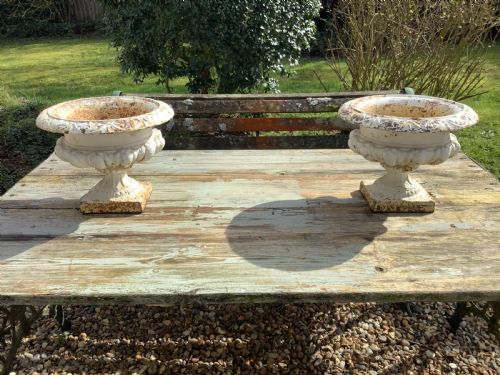
The version you are most likely to meet on this page is a garden table constructed from wrought iron or cast iron, frequently paired with marble tops or retaining traces of historic paint. Such pieces originate from British and French provincial workshops, serving both practical display functions and decorative roles in conservatory spaces.
How they were made
Makers utilised heavy cast iron and hand-forged wrought iron for structural stability, shaping metal frames through traditional blacksmithing and foundry techniques. These ferrous structures were frequently combined with white marble slabs or fitted with glass and enamel elements to create contrasting utility surfaces.
Surfaces were finished with protective layers of paint that have weathered over successive decades to produce characteristic patination and flaking textures. Joints and braces were secured using period fixings, while decorative elements incorporate strapp work and estate-made iron details.
Weathered Metal Table Retail Price Guide 2026
Typical asking prices for weathered metal table among the pieces listed under this phrase on Sellingantiques today, from the lower quarter to the upper quarter. They describe what is for sale here now, not the wider market.
Estate-made tables often carry the thumbprints of nineteenth-century blacksmiths pressed permanently into the cooling iron.
What varies in quality
The distinction between standard utility items and finer pieces lies in the refinement of the metalwork, such as the intricacy of strapp work detailing versus plain industrial bracing. Superior examples exhibit balanced proportions and heavier gauge metals that have endured decades of exposure without losing structural integrity.
Material pairings also differentiate the range, with intact marble tops and original paint surfaces commanding greater interest than replaced components or stripped metal. The origin of the piece, particularly French provincial or estate-made provenance, adds specific character to the overall construction.
The Weathered Metal Table Glossary
- Wrought iron
- Tough, malleable iron that is heated and hammered into shape by hand. This material forms the primary structure for many traditional garden tables.
- Cast iron
- Iron poured into a mould to create rigid components and decorative bases. It provides substantial weight and distinct decorative detail to Victorian tables.
- Strapp work
- Ornamental metal straps applied to reinforce or decorate furniture frames. It adds linear visual interest to period garden tables.
- Console table
- A table designed to stand against a wall, frequently featuring a narrow marble top. These items serve decorative and functional roles in hallways or conservatories.
Weathered Metal Table: Frequently Asked Questions
Can I leave a weathered metal table outdoors?
These items were built for garden use and tolerate outdoor conditions well, though historic iron and paint benefit from sheltered winter storage to preserve their character.
Moisture will continue the natural weathering process on exposed metal surfaces over time.
How do I clean an antique metal table?
Gentle dusting and wiping with a dry or barely damp cloth protects fragile historic paint and surface patination from damage.
Avoid harsh chemical cleaners that strip away the aged patination collected over decades.
Are these tables heavy to move?
Cast and wrought iron constructions possess considerable weight, making them stable against wind in outdoor settings but requiring two people for safe relocation.
Folding variants offer greater portability for seasonal storage.
How do I date a metal garden table?
Construction methods such as hand-forged joints, early foundry marks, and fastener types help place pieces within Victorian or Edwardian periods.
Design styles like French provincial or estate-made strapp work also provide clues to origin and age.