


Rustic French Hall Bench
A rustic French hall bench brings honest country carpentry and practical seating into an interior, grounding a hallway with tactile timber.
Rustic French Hall Bench
A rustic French hall bench combines simple domestic utility with regional craftsmanship from the eighteenth and nineteenth centuries. Buyers searching for a rustic French hall bench frequently encounter straightforward timber forms designed for provincial entryways and farmhouses.
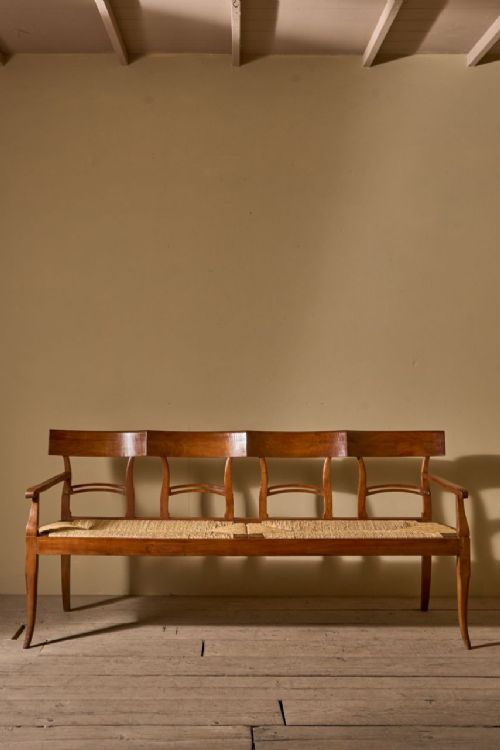
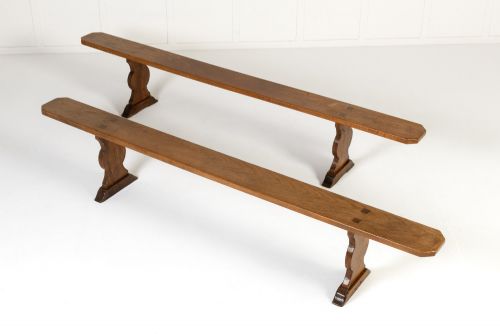
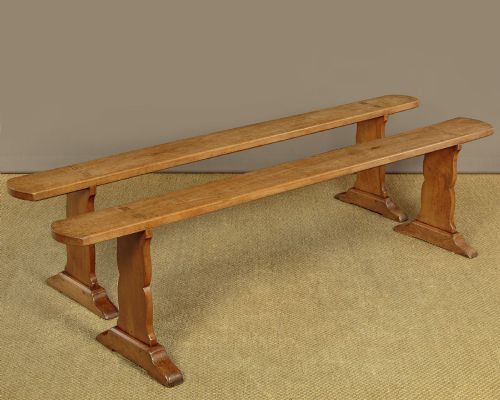
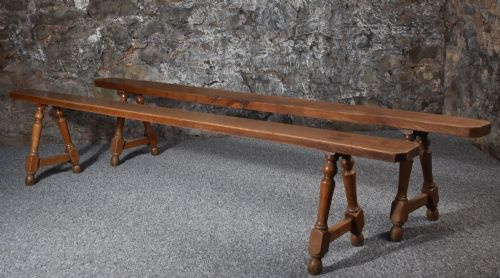
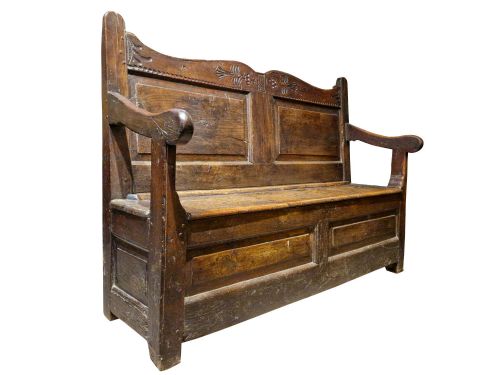
The selection ranges from open-framed cherrywood designs to enclosed oak box-seated settles and sturdy elm seating. Many examples survive as matched pairs, reflecting the practical needs of large French country properties.
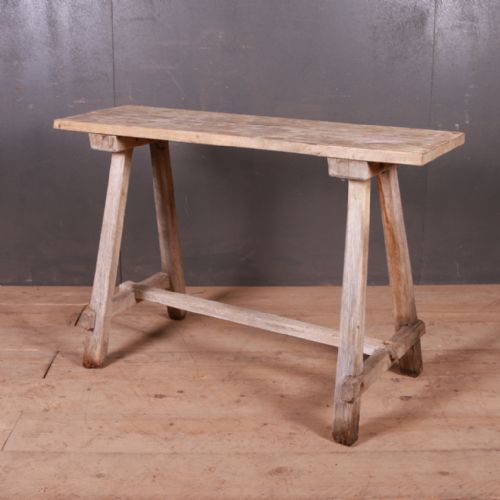
Alongside conventional benches, related forms such as workbenches and trestle tables occasionally appear under the wider umbrella of country furniture. These pieces share the same unpretentious aesthetic and heavy timber construction seen in the primary seating.
Materials and construction methods
Local timbers dictate the character of these benches, with oak, cherrywood, elm, sycamore, and fruitwood utilised according to regional availability. Carpenters relied on solid hardwoods to withstand daily use in busy domestic settings.
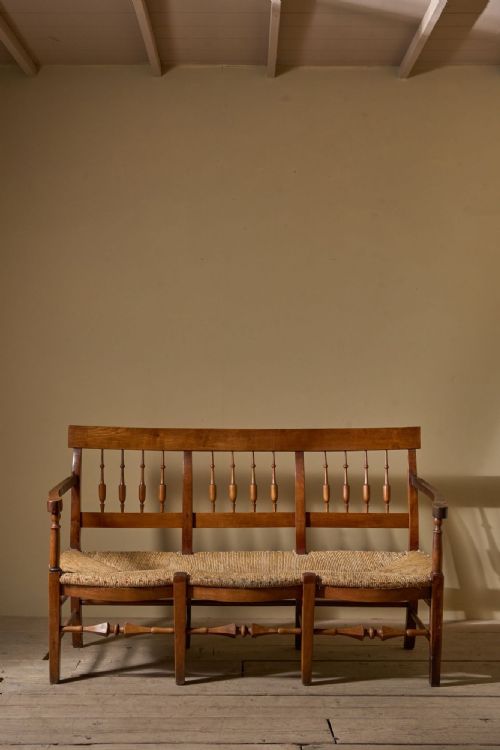
Seating surfaces frequently incorporate woven rush inserts held within wooden frames, or consist of solid plank timber. Joinery is straightforward and robust, prioritising structural integrity over decorative flourish.
Some nineteenth-century benches carry the unmistakable ink stains and deep gouges of hard farm labour, proving they started life in a working French barn rather than a parlor.
Assessing quality in provincial seating
Quality rests in the proportion of the timber and the depth of surface patina built through decades of handling. Untouched wood surfaces retain a dry, scrubbed texture that reveals the natural grain without modern artificial finishes.
Proportion and structural balance separate standard utility pieces from finer provincial examples. Strong original joints and balanced legs determine how well a bench holds its presence in a modern room.
The Rustic French Hall Bench Glossary
- Rush seated
- Furniture featuring seats woven from marsh grasses or sedges. This traditional method provides a resilient, slightly yielding surface.
- Box-seated settle
- A wooden bench featuring a hinged seat lid that opens to reveal storage space beneath. These enclosed forms kept household items protected from drafts.
- Trestle table
- A table construction consisting of two or more support frames connected by a horizontal beam. This design maximises legroom along the length of the top.
- Fruitwood
- A collective term for timber harvested from fruit-bearing trees such as cherry, pear, or apple. Artisans valued these woods for their fine grain and warm tone.
Rustic French Hall Bench: Frequently Asked Questions
Where should I place a hall bench?
A hall bench suits narrow entryways, corridors, or the foot of a bedroom where narrow proportions matter. The low profile provides a useful spot for putting on shoes without blocking thoroughfares.
Because these pieces originate from rural French houses, they mix easily with modern minimalist spaces or traditional country interiors alike.
How do I clean rush seats?
Clean woven rush surfaces gently with a dry brush to lift dust from the natural fibres. Avoid soaking the material with water, as moisture weakens dried grasses over time.
Applying a light, natural wax to the wooden framework preserves the timber while keeping the woven seating dry.
Are these benches comfortable to sit on?
Provincial benches prioritize solid utility, meaning wooden seats remain firm and upright. Adding a simple linen cushion softens the seating surface for everyday use.
Rush seats offer a slight natural give compared to solid plank timber, providing a more forgiving surface.
How do I tell nineteenth century pieces apart?
Nineteenth-century examples show hand-tooled tool marks and timber shrinkage consistent with age. Variations in cherrywood, oak, and elm reflect the specific region where the carpenter worked.
Examining the underside reveals traditional pegged joinery rather than modern metal screws.