



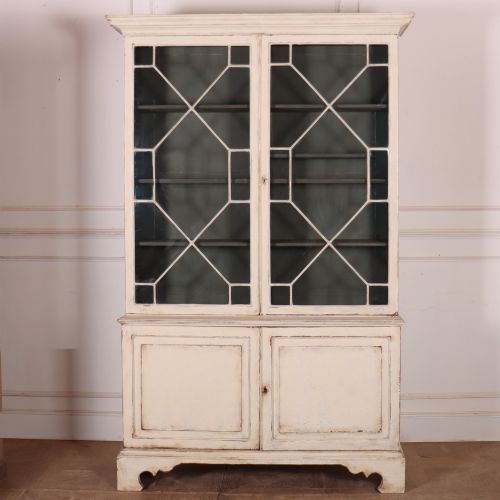
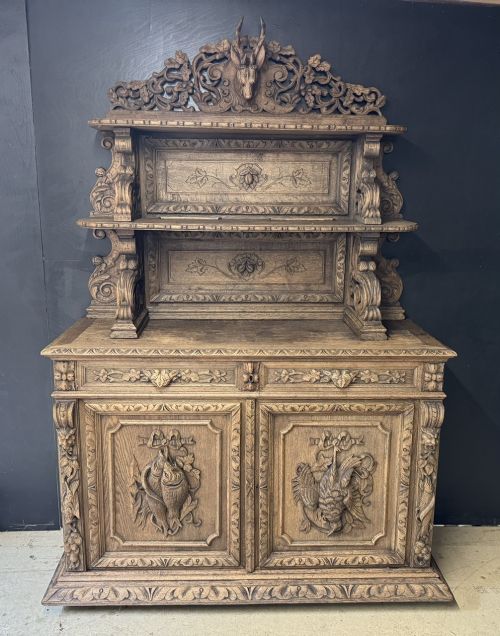
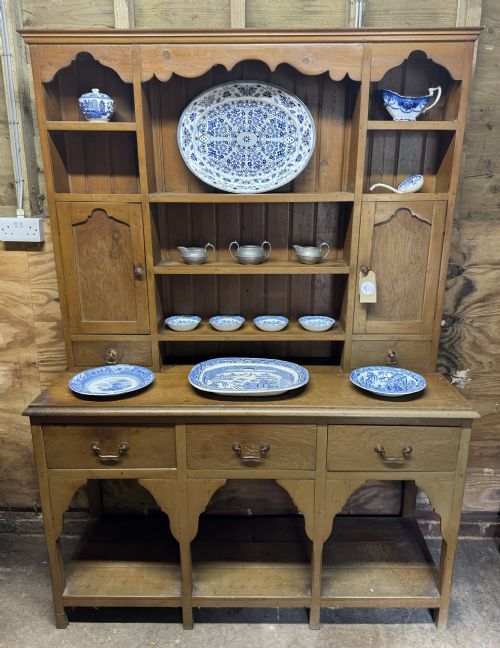
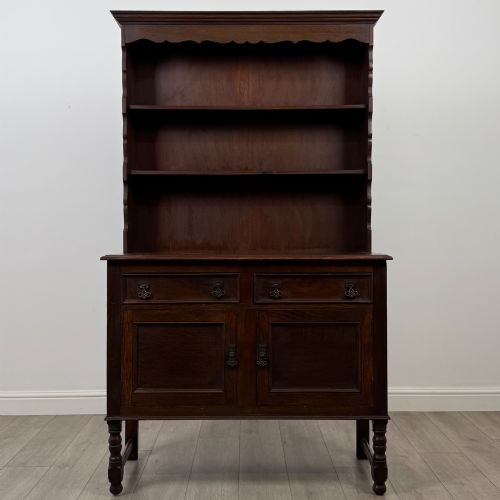
Rustic Display Cabinet
A rustic display cabinet combines honest utility with visual warmth, housing collections behind glass while anchoring a room with vernacular character.
Rustic Display Cabinet
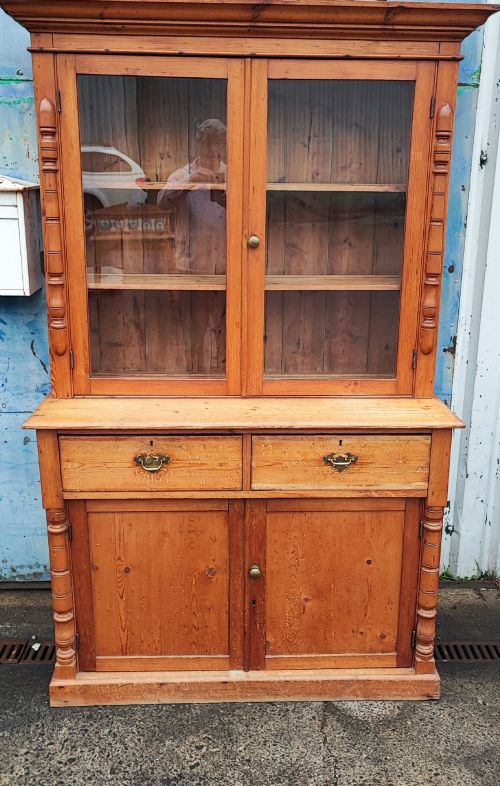
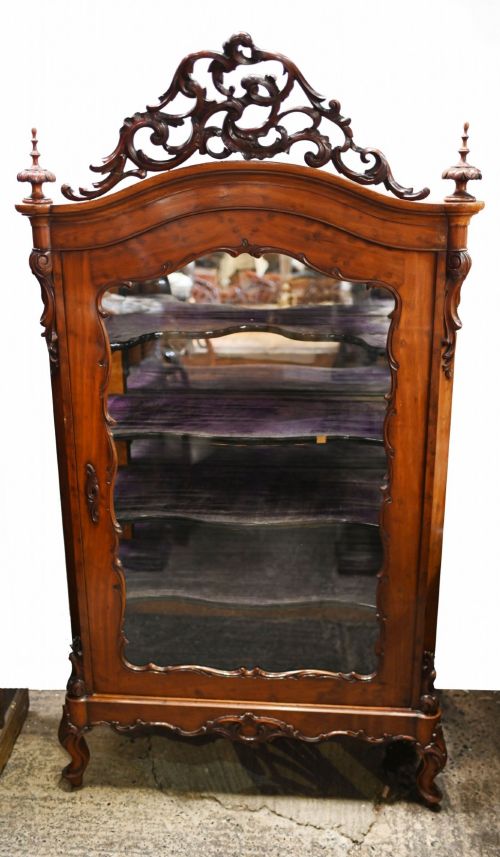
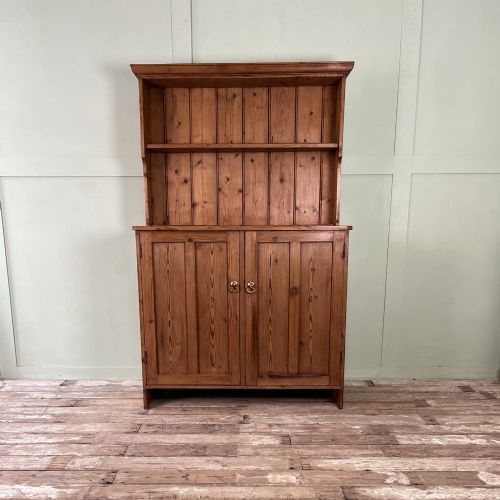
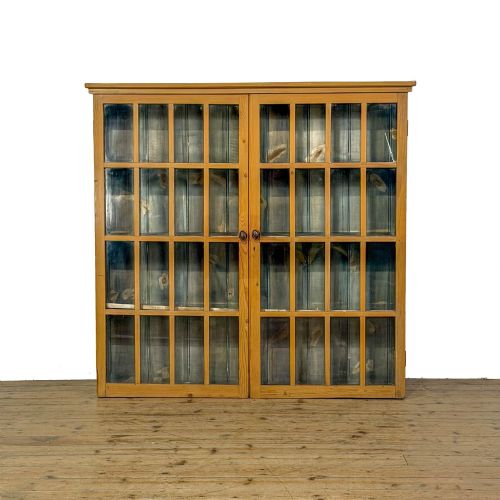
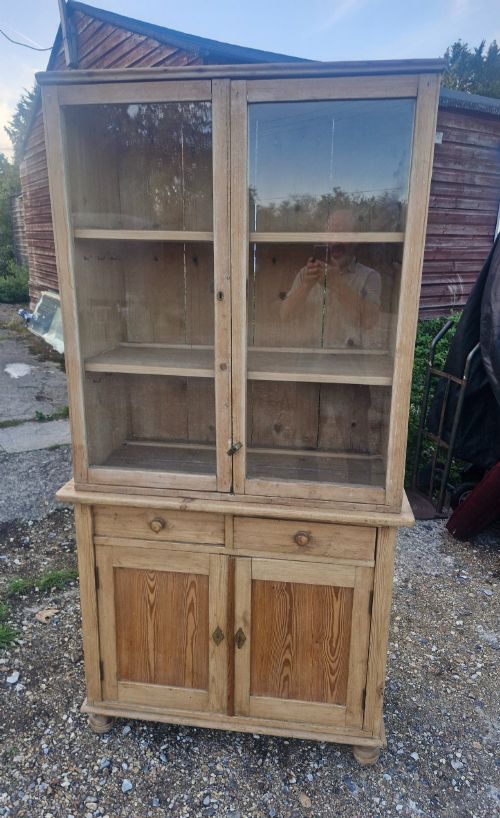
A rustic display cabinet unites storage and presentation through unpretentious forms built for country houses, farmhouses, and provincial interiors. Buyers navigating this selection encounter glazed cupboards, open bookshelves, and two-part kitchen dressers designed to display crockery or books.
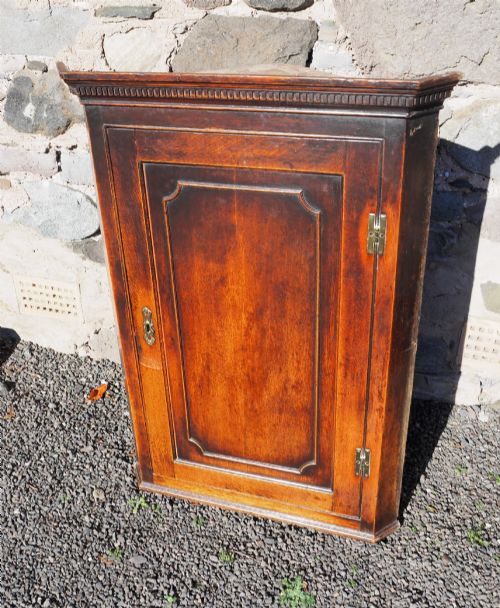
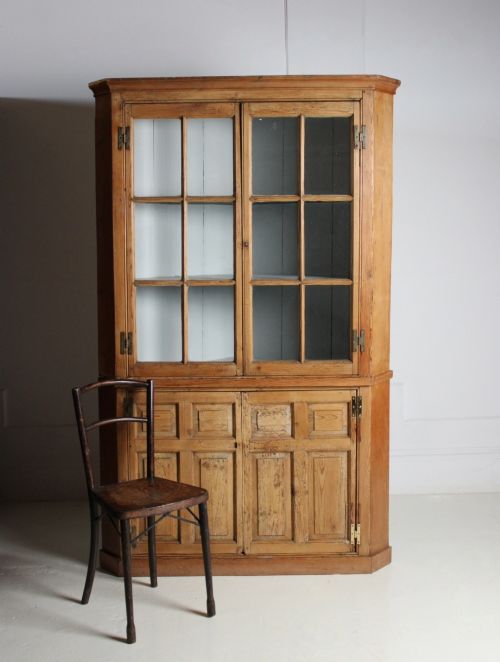
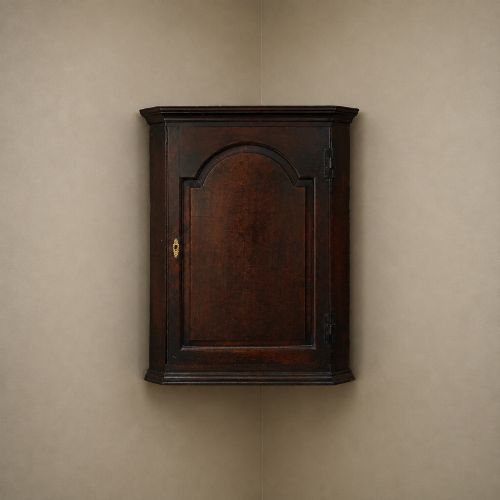
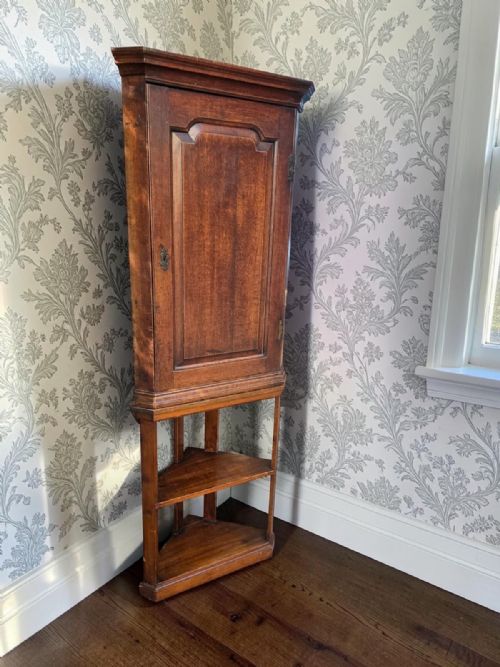
The pieces spanning this category originate chiefly from the eighteenth, nineteenth, and early twentieth centuries, drawing on English, French, and Hungarian traditions. Forms range from corner cupboards and wall-hanging units to substantial multi-tiered Welsh dressers.
Pine and oak predominate among the surviving examples, often finished with waxed surfaces, original paint, or distressed patinas. These cabinets serve as practical focal points in contemporary kitchens, living spaces, and dining rooms.
Materials and construction
Makers relied on native timbers such as solid pine and country oak, selecting them for strength and local availability. These woods were joined using traditional methods suited to hardworking domestic furniture.
Glass panels were fitted into wooden doors to protect contents while allowing visibility, often accompanied by brass or iron hardware. Many examples incorporate turned legs, adjustable shelves, or breakfront drawers.
Surface finishes vary from natural wax to layered historical paint, sometimes featuring contrasting painted interiors. These treatments developed organically through decades of domestic use and maintenance.
Rustic Display Cabinet Retail Price Guide 2026
Typical asking prices for rustic display cabinet among the pieces listed under this phrase on Sellingantiques today, from the lower quarter to the upper quarter. They describe what is for sale here now, not the wider market.
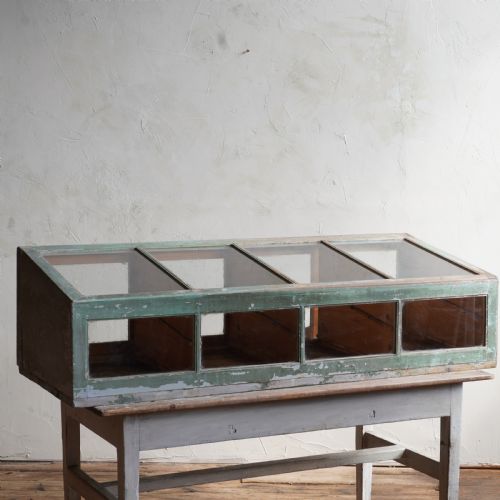
Recorded forms range from wall-hanging corner cupboards to substantial two-part kitchen dressers and French shop counters.
Judging quality and integrity
The distinction between ordinary and exceptional pieces rests upon the retention of original surfaces, hardware, and structural proportions. Cabinets preserving their early paint layers or authentic waxed patinas command greater interest than those stripped or heavily altered.
Joinery execution and timber selection reveal the standard of the original workshop, whether local country carpenter or regional maker. Well-balanced cornices, tight door seals, and original glass panes elevate the standing of a piece.
Proportion and scale dictate visual success, with superior examples exhibiting harmonious relationships between the display section and the enclosed base or cupboard below.
Rushworth's
The Rustic Display Cabinet Glossary
- Welsh Dresser
- A traditional kitchen unit comprising base cupboards or drawers surmounted by open plate racks or shelves. This form evolved in rural households to store and display domestic tableware.
- Glazed Cupboard
- A storage piece featuring glass-paned doors designed to keep dust from books or ceramics while maintaining visibility. These units appear as standalone furniture or upper sections of two-part dressers.
- Breakfront
- A cabinet design where the central section projects forward from the flanking wings. This configuration adds architectural depth to larger storage furniture.
- Patina
- The surface sheen and colour acquired by wood and paint through age, handling, and light exposure. Collectors value this visual evidence of history over manufactured finishes.
- Two-Part Form
- Furniture constructed in separate upper and lower sections designed to stack together. This method facilitated transport and installation in domestic quarters.
Rustic Display Cabinet: Frequently Asked Questions
What is a rustic display cabinet?
A rustic display cabinet is a utilitarian storage piece built from timbers like pine or oak, featuring glass doors or open shelving for holding household objects. These items originate predominantly from eighteenth to early twentieth-century country workshops.
Such cabinets bring vernacular charm and practical storage to modern interiors. They bridge the gap between heavy kitchen furniture and refined display furniture.
How do I date an old pine cabinet?
Dating relies on observing construction methods, timber preparation, and hardware styles. Hand-sawn boards, forged iron hinges, and early paint layers point to eighteenth or nineteenth-century origins.
Later Victorian and Edwardian examples often incorporate machine-cut elements and standardised brass fittings. Comparing joinery details with documented pieces helps narrow the period.
Where should I place a Welsh dresser?
A Welsh dresser functions naturally in a kitchen or dining room where tableware, glassware, and cookbooks require accessible storage. Placing the unit against a principal wall allows the upper plate racks or glazed doors to anchor the room.
Adequate clearance prevents the piece from dominating smaller spaces. Lighting should highlight the interior display shelves without exposing the wood to direct solar heat.
Are painted finishes original on these cabinets?
Many country cabinets received successive coats of paint over their working lives, while others retain their first decorative scheme. Original paint often shows authentic wear patterns, craquelure, and tonal variation.
Stripped pine cabinets represent a later aesthetic preference applied by antique dealers. Examining paint layers under magnification helps determine historical continuity.