




Rustic Country Scene Artwork
These rustic country scene artwork pieces capture quiet rural life through oil and watercolour, bringing traditional charm and historical landscape views directly to your walls.
Rustic Country Scene Artwork
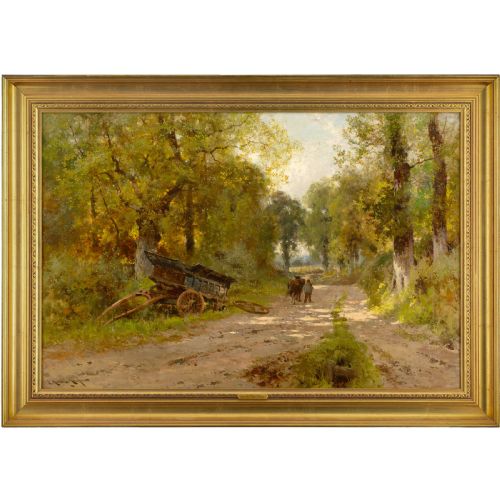
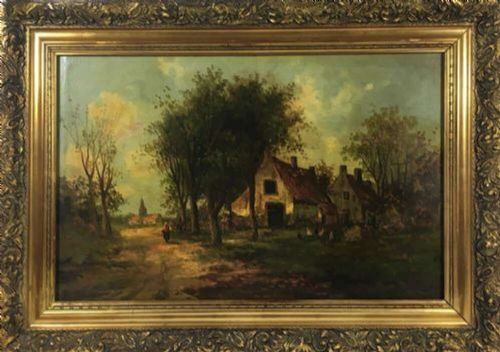
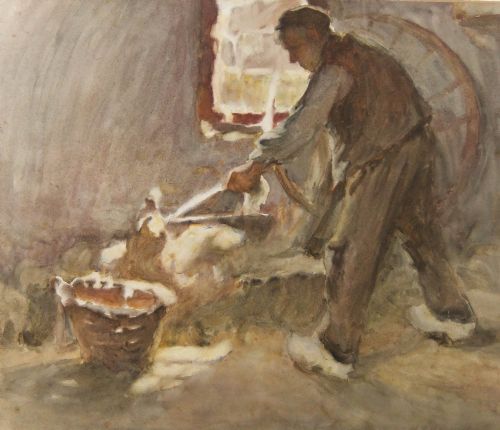
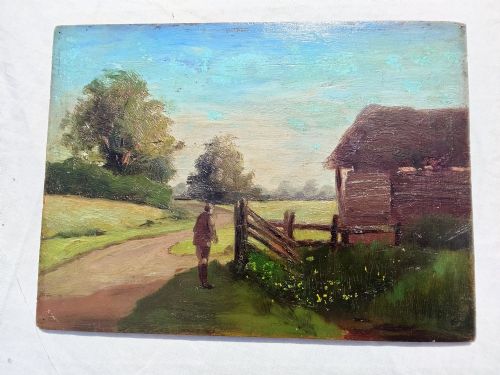
When you search for rustic country scene artwork, you encounter painted depictions of farmyards, cottages, and rural workers spanning the eighteenth, nineteenth, and twentieth centuries. The selection relies heavily on nineteenth-century oil paintings and watercolours depicting pastoral subjects, farm animals, and village landscapes.
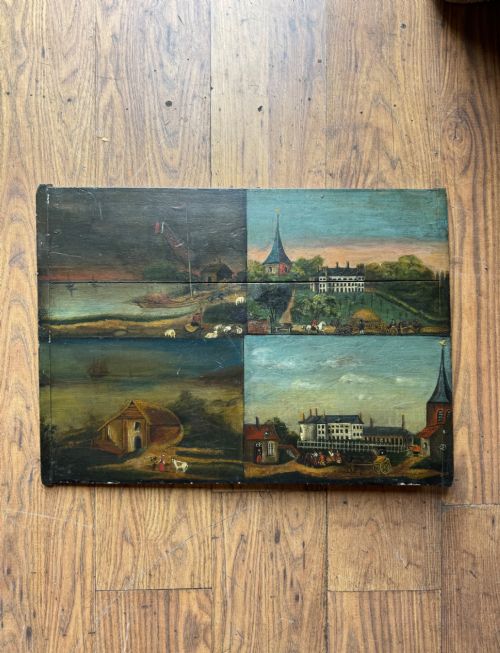
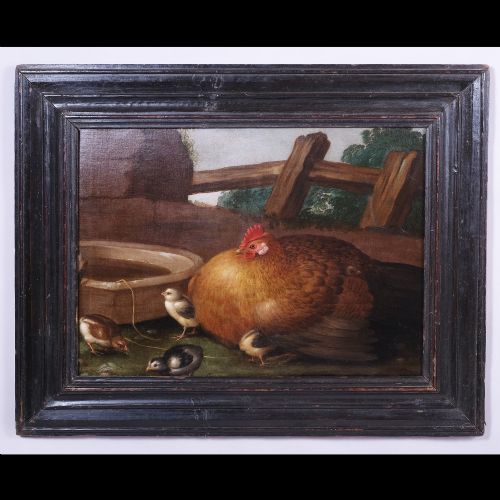
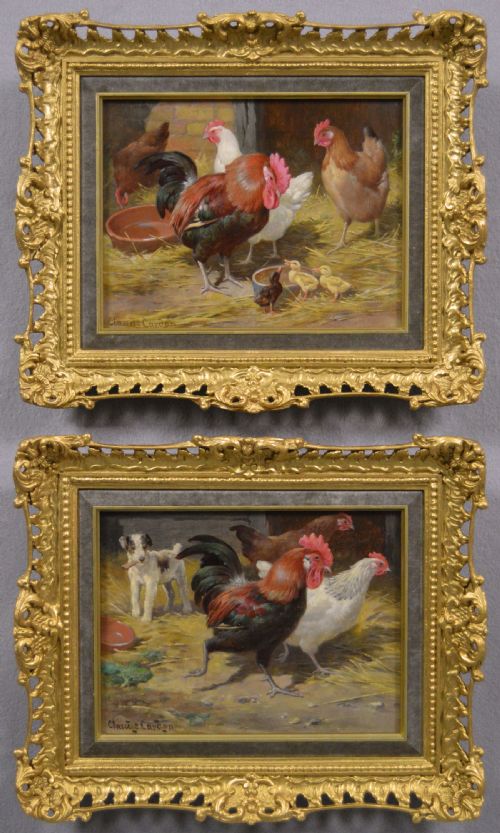
Most pieces on this page are framed works on canvas, wood, or paper, created during the Victorian and Edwardian periods. These traditional formats present scenes of agricultural life, horses, carts, and countryside cottages recorded by British and European artists.
Materials and painting techniques
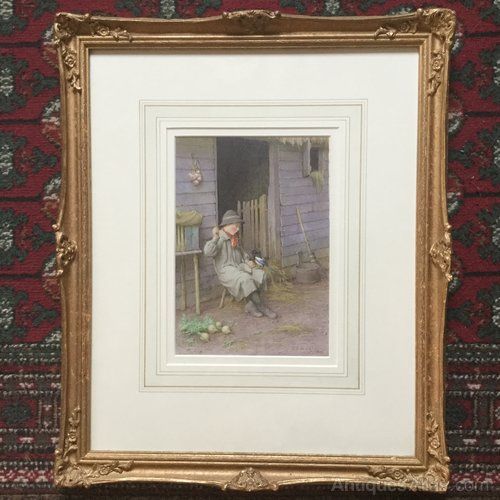
Makers utilised oil paint applied to canvas, wooden boards, and tondo panels to build rich surface textures and deep tones. Watercolours on paper provide a lighter, more translucent depiction of light in fenland and village views.
Framing often involves traditional wood structures, including burr frames and giltwood surrounds, which complement the rustic subject matter of farmyards and country lanes.
Rustic Country Scene Artwork Retail Price Guide 2026
Typical asking prices for rustic country scene artwork among the pieces listed under this phrase on Sellingantiques today, from the lower quarter to the upper quarter. They describe what is for sale here now, not the wider market.
Listings span multiple periods from Georgian through to the 1960s, executed in oil, watercolour, and lithograph.
Quality variations in pastoral painting
The standard of execution in rustic country scene artwork rests on the artist's handling of light, shadow, and anatomical precision in figures and animals. Finer pieces demonstrate confident brushwork and balanced composition within the landscape.
Provenance and attribution also mark distinctions across the range, with signed works by documented nineteenth-century painters carrying greater clarity regarding their origin compared to anonymous provincial pieces.
John Horace Hooper·Henry Silkstone Hopwood·Edgar Hunt·Charles Edward Wilson·Claude Cardon·John Bell·Andre de Moller·Percival Glenfern·Ralph Dorrance·John Henry Dell·John Inigo Richards·Thomas James Lloyd·Owen Bowen·David Woodlock·William Miller Frazer·John Syer junior·Henry Sylvester Stannard·John Frederick Herring·John R. K. Duff·Edward Killingworth Johnson·Robert McGregor·George Hamilton Constantine·Walter Henry Sweet
The Rustic Country Scene Artwork Glossary
- Oil on Canvas
- Pigment mixed with drying oil applied to a stretched woven fabric support. This traditional medium allows for rich blending and textured brushwork.
- Watercolour
- Paint consisting of colour pigments suspended in a water-soluble vehicle, typically applied to paper. It yields transparent washes of tone and light.
- Giltwood
- Wood carved and surfaced with a thin layer of gold leaf. Frames using this finish frequently house nineteenth-century paintings.
- Provincial Naive
- Art created outside academic traditions, often by self-taught makers. These works emphasise directness of expression over formal perspective rules.
- Tondo
- A Renaissance term for a circular work of art, used here for round landscape paintings on wooden boards.
Rustic Country Scene Artwork: Frequently Asked Questions
What subjects appear in these paintings?
The works depict agricultural life, including farmyards, horses and carts, cottages, livestock, and rural workers engaged in daily labour. Scenes range from quiet village lanes to active harvest fields.
These subjects reflect nineteenth and early twentieth-century interest in pastoral living and rural traditions across Britain and continental Europe.
How should I frame and hang these works?
Most pieces retain traditional wooden frames, such as giltwood or burr surrounds, which suit the historic nature of the artwork. Hang them away from direct sunlight to protect pigments on paper and canvas.
Ensure wall fixings match the weight of the framed canvas or watercolour to secure the piece safely.
How do I identify the period of a painting?
Dating relies on stylistic clues within the landscape, clothing of figures, and the materials used for the support, such as wooden boards or prepared canvas. Signatures and archival records further pinpoint the era.
Nineteenth-century examples often display Victorian realism, while early twentieth-century pieces lean towards Edwardian pastoral styles.
What is the difference between oil and watercolour here?
Oils offer heavier pigment layers on canvas or board, allowing for deep colour saturation and visible brush texture. Watercolours on paper present a lighter, translucent quality suited to atmospheric daylight.
Both mediums document the same rural and farmyard subjects through distinct technical approaches.