


Rustic Country Planter
A rustic country planter brings utilitarian strength and weathered charm to a garden or fireside, turning sturdy wood, iron, and stone into vessels for daily use and display.
Rustic Country Planter
The selection on this page relies heavily on repurposed rural equipment, spanning French confit jars, English well buckets, Scandinavian pine barrels, and stone troughs. These objects transition naturally from practical roles like grain storage, salting, and water filtration into garden planters and decorative display pieces.
How they were made
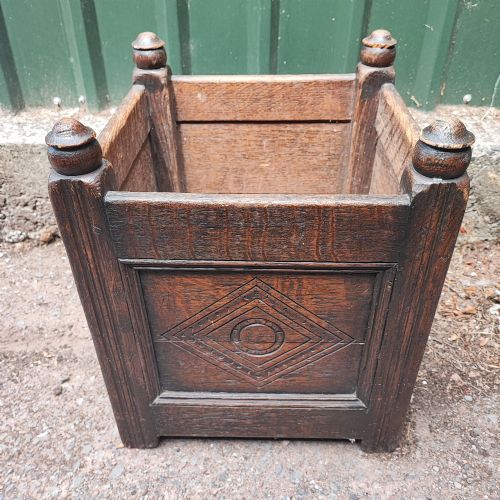
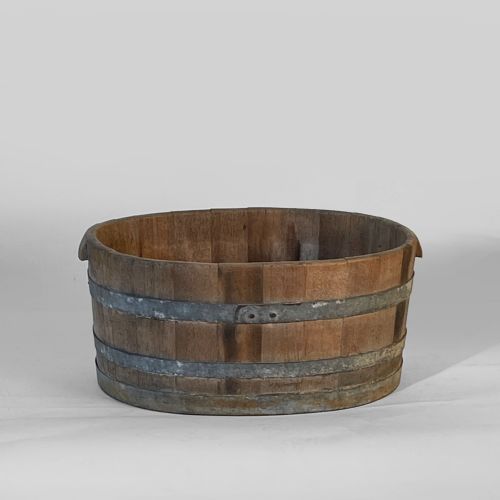
Construction relies on honest, durable materials shaped by traditional craftsmanship. Woodworking techniques involve coopered staves bound with iron bands, hand-dug tree trunks in oak and sycamore, and pegged pine dough bins built for heavy rural labour.
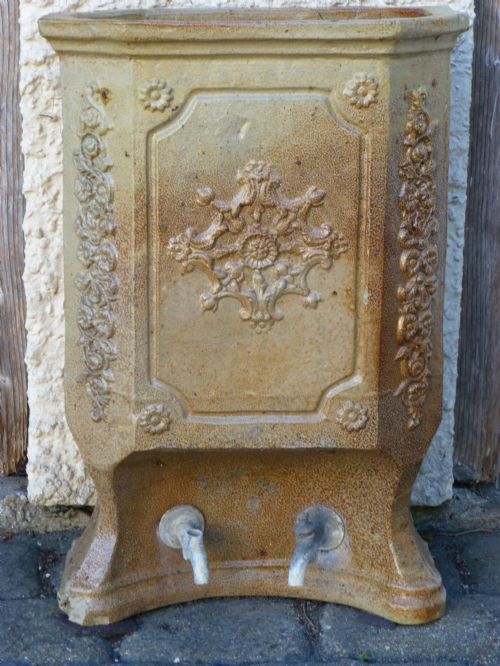
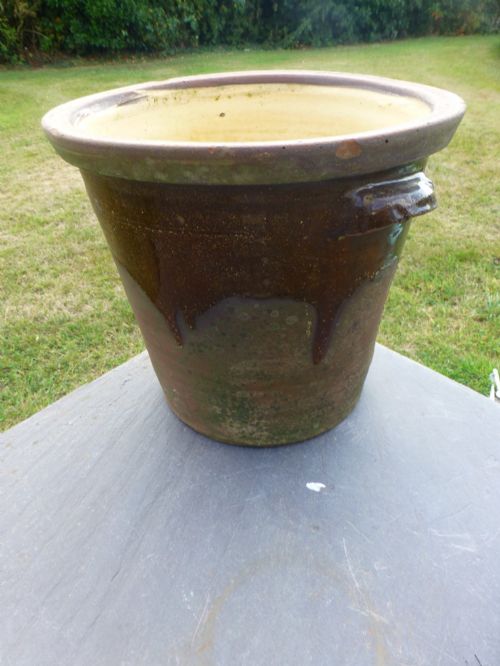
Ceramic and metal forms utilise terracotta, salt-glazed stoneware, cast iron, and beaten copper. Artisans threw pottery on wheels, glazed earthenware for liquid containment, and forged iron handles and hoops to withstand continuous outdoor and agricultural use.
An old dug-out tree trunk started life as a solid log before someone carved the centre out to hold sycamore sap.
What varies in quality
Quality rests in the integrity of the original construction and the character of the surface patina. Pieces retaining their original iron banding, untouched timber grain, and genuine weathering show a direct link to their working past without modern restoration.
The balance of proportions and the weight of the materials dictate the standing of a vessel. Substantial stone troughs, thick-staved oak buckets, and deeply glazed terracotta display superior handwork compared to lighter, purely decorative items.
The Rustic Country Planter Glossary
- Coopered
- Made by a cooper using curved wooden staves bound together with metal or wooden hoops. This technique ensures watertight integrity in buckets, barrels, and washing tubs.
- Salt-glazed
- Fired ceramic coated with salt during the high-temperature kiln stage to produce a durable, glossy surface with a distinctive orange-peel texture. It protects stoneware vessels from moisture and acids.
- Dough bin
- A deep wooden box with a lid, traditionally used for rising bread dough in farmhouses. These pieces survive in heavy pine or oak and serve functional storage roles today.
- Confit jar
- A glazed earthenware pot originating from France, designed for preserving meats and provisions. They often feature distinct handles and glazed upper sections over porous terracotta bases.
- Stone trough
- A heavy carved stone basin utilised historically for feeding livestock or washing. Their immense weight and natural weathering make them enduring garden planters.
Rustic Country Planter: Frequently Asked Questions
How do I use a wooden planter outdoors?
Line wooden buckets and tubs with heavy plastic or breathable landscaping fabric to protect the timber from continuous damp soil and moisture. Raise the vessel slightly off the ground on pot feet to allow drainage and prevent rot at the base.
Treat external oak and pine periodically with natural oils if you wish to maintain the wood tone, though many prefer to let the material weather naturally to a silvery grey.
Are these planters frost-proof?
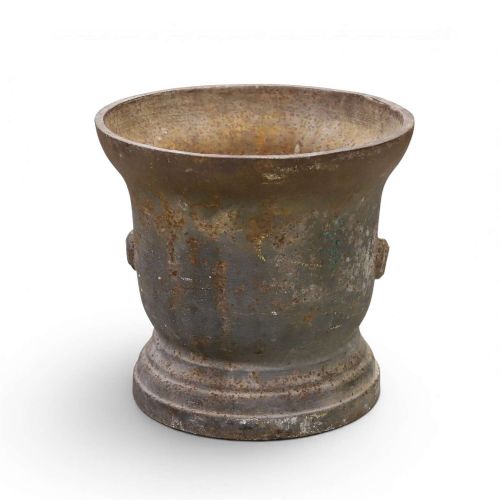
Stone troughs, cast iron mortars, and salt-glazed stoneware handle winter temperatures reliably. Terracotta and glazed earthenware require more care during freezing weather to prevent cracking.
Empty terracotta pots of wet compost in winter or move them under cover during severe frosts. Ensuring proper drainage holes remain clear stops water from expanding inside the ceramic walls.
How do I clean an antique copper vessel?
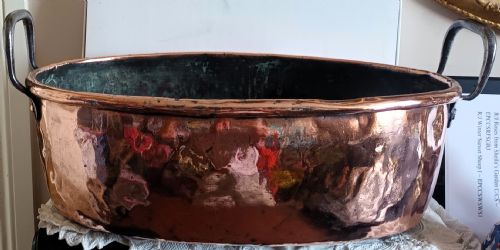
Wash copper containers gently using warm water and mild soap with a soft cloth. Avoid harsh chemical cleaners or abrasive scouring pads that strip away the authentic historical patina.
Allow the natural oxidation and dark tones to remain intact, as aggressive polishing diminishes the age and character of nineteenth-century hardware.
What is the difference between a well bucket and a grain measure?
Well buckets feature robust iron swing handles and heavy metal banding designed to drop down a well or hold fireside fuel. They show robust wear around the rim and base from active lifting.
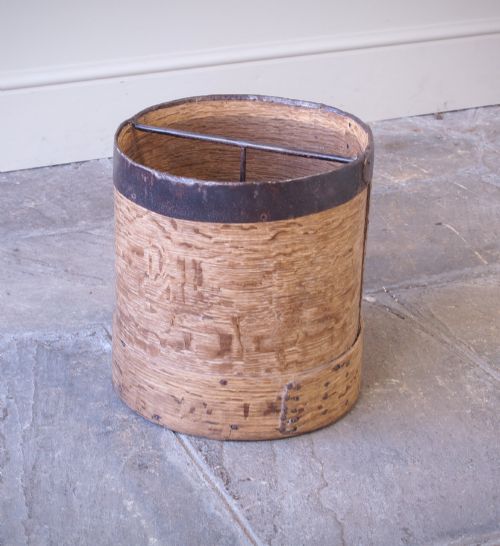
Grain measures are rigid wooden cylindrical vessels built with strict volumetric capacities for agricultural trade. They usually lack heavy bail handles and exhibit maker stamps or capacity marks on the exterior.