

Rustic Country Pine Cabinet
A rustic country pine cabinet brings honest utility and warmth to a room, offering practical storage through time-worn timber.
Rustic Country Pine Cabinet
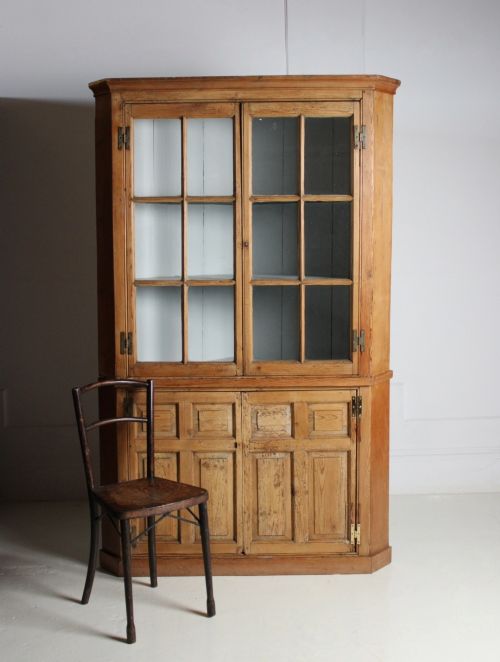
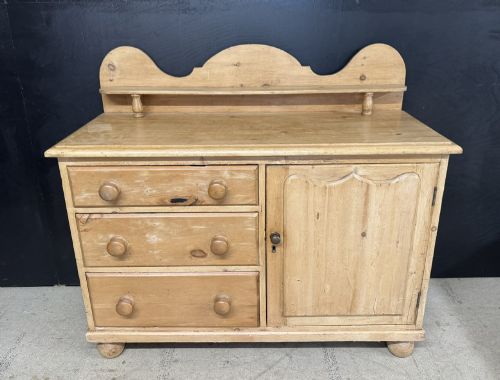
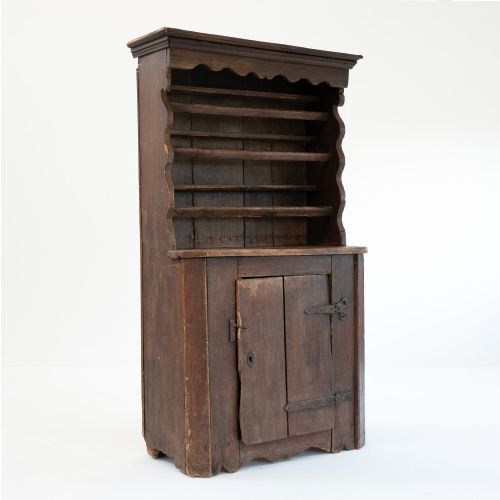
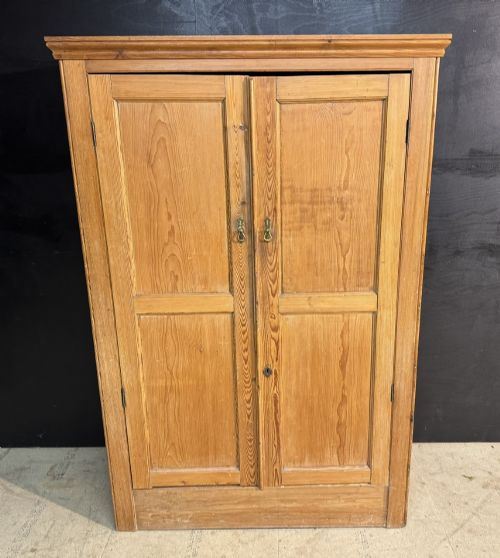
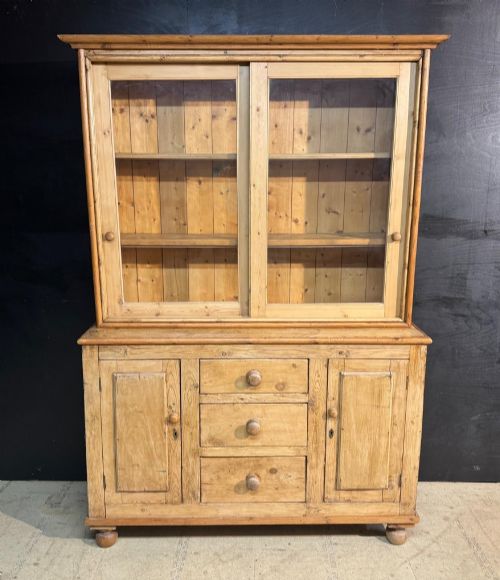
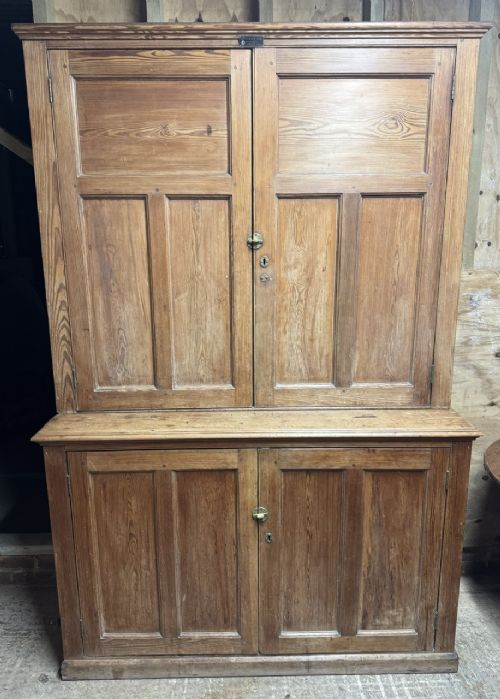
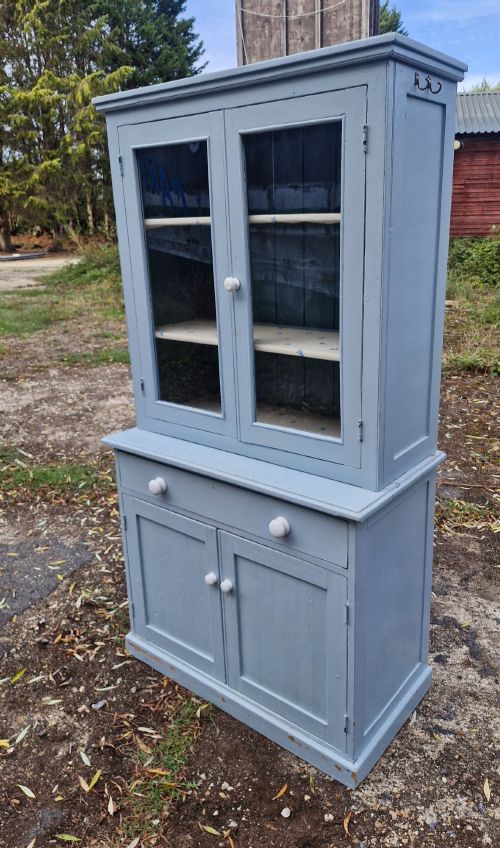
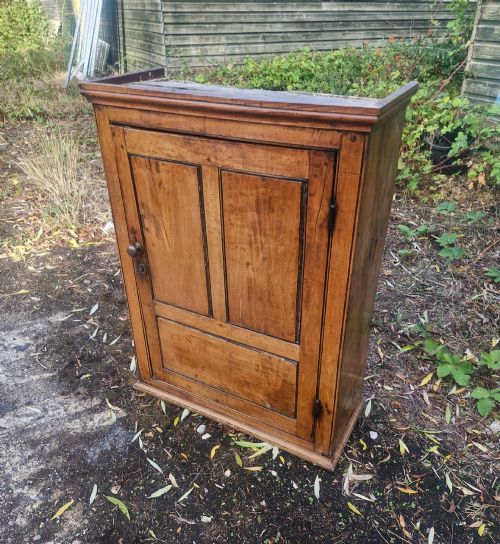
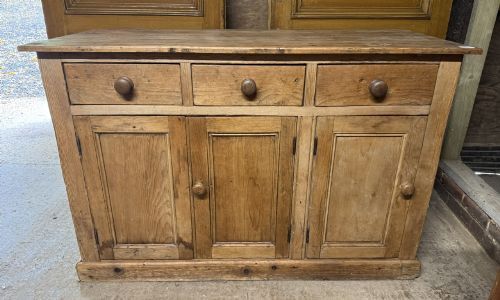
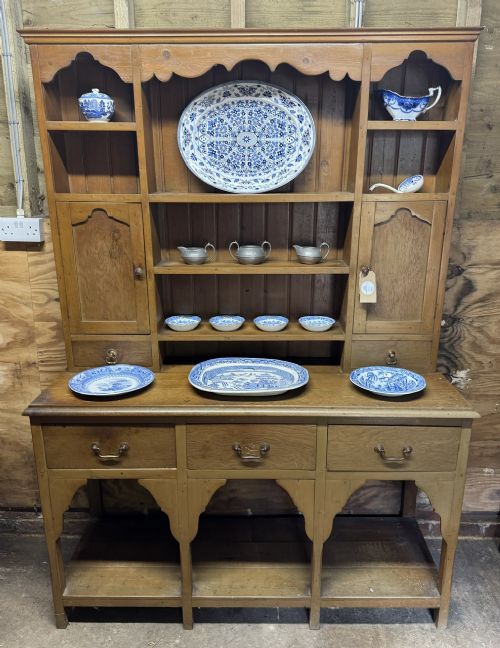
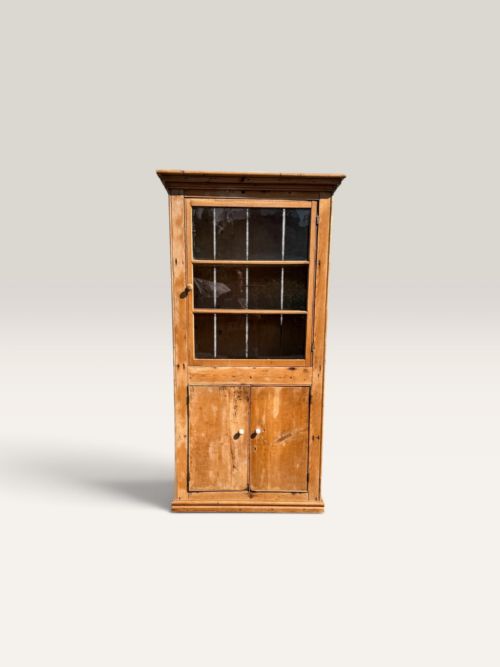
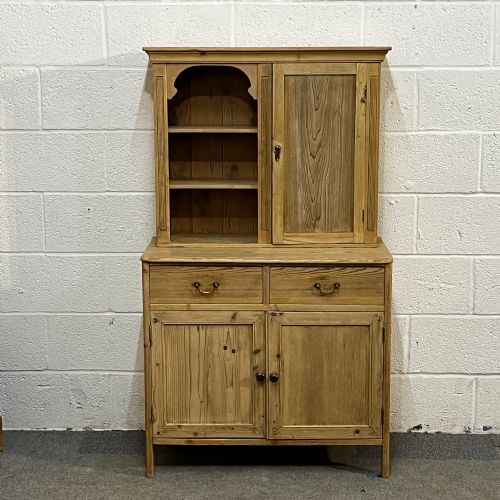
A rustic country pine cabinet serves as a functional storage piece rooted in domestic history, spanning kitchen dressers, housekeepers cupboards, and corner units. These items originate from various periods including the Georgian and Victorian eras, as well as regional French and British workshops.
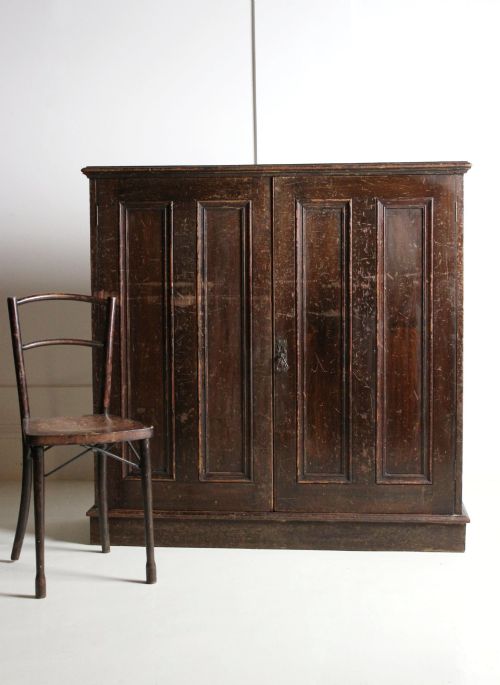
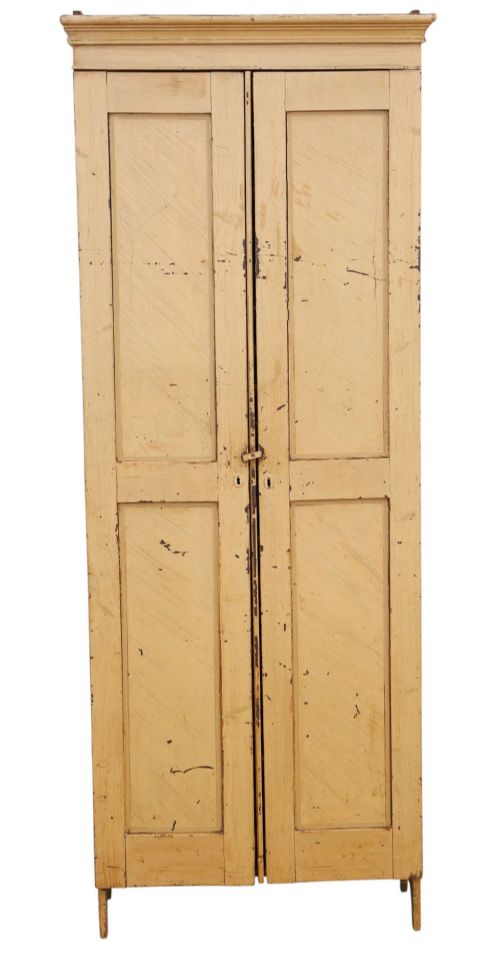
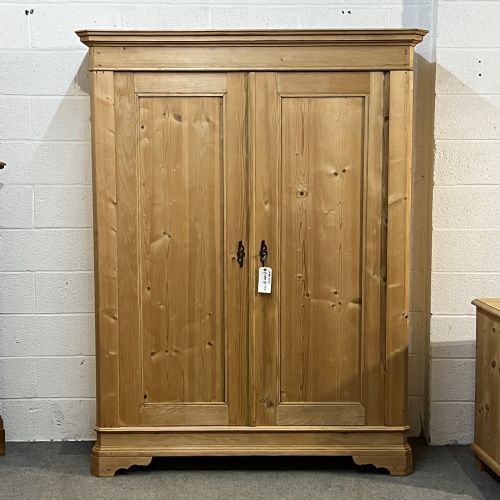
The pieces listed on this page appear in diverse forms, from tall narrow kitchen cupboards and large wardrobes to smaller wall-hung cabinets and bedside units. Buyers often encounter pieces finished in original paint, scumble paint, or waxed surfaces that display years of use.
Origins range across English, Welsh, Irish, and French provincial traditions, bringing distinct proportions and local vernacular details to each build. Simple domestic requirements shaped these forms, resulting in honest shelving and straightforward door configurations.
Materials and Construction
Pine forms the primary structural material across these pieces, often complemented by secondary softwoods and traditional peg or dovetailed joints. Artisans relied on straightforward joinery suited to domestic utility rather than elaborate cabinet-making display.
Surfaces frequently show layers of historical paint, wax, or scumble finishes applied over the bare timber to protect the wood and add colour. Iron and brass hardware, including strap hinges and simple latches, secure the doors and drawers.
Listings feature pieces from the Georgian, Victorian, and Edwardian periods, constructed primarily in pine with iron and brass hardware.
Assessing Quality
Quality in these utility pieces rests on the preservation of original surfaces, such as early paint finishes or patinated wax, versus later stripping or modern repainting. Structural integrity also matters, particularly how well the carcase holds its square over centuries of use.
Proportion and scale distinguish finer vernacular pieces, where regional design traits create balanced forms rather than purely utilitarian boxes. The presence of original hardware, glass panes, and untouched backboards elevates the standing of an individual cabinet.
The Rustic Country Pine Cabinet Glossary
- Housekeeper's cupboard
- A large storage cupboard traditionally used in large houses for linens and dry goods, usually featuring multiple doors and internal shelving.
- Scumble paint
- A decorative surface finish where a translucent top coat is manipulated with tools to imitate the grain of more expensive woods or create textured patterns.
- Dresser base
- The lower section of a kitchen dresser, often comprising cupboards and drawers beneath a solid wooden top.
- Confiturier
- A small French cupboard traditionally utilised for storing confit jars and pantry provisions.
- Patina
- The surface sheen and colour acquired by wood and paint through age, wear and regular handling.
Rustic Country Pine Cabinet: Frequently Asked Questions
What is a housekeepers cupboard?
A housekeeper's cupboard is a tall, substantial storage piece designed for domestic utility, typically housing household linens, blankets, or provisions.
These pieces often feature multiple doors and internal shelving or peg rails, making them practical for modern clothing or pantry storage.
How do I care for waxed pine?
Waxed pine requires gentle maintenance using natural beeswax to nourish the timber and preserve its soft sheen against daily handling.
Avoid placing these cabinets in direct sunlight or near heat sources to prevent the pine from drying out or splitting over time.
What is scumble paint?
Scumble paint is a decorative technique involving a translucent top layer dragged or brushed across a lighter base coat to create textured patterns or imitate grain.
Cabinets bearing original scumble paint retain a distinct tactile character developed through historic decorative practice.
Are these cabinets purely English?
While many pieces originate from English and Welsh country workshops, the selection also includes French provincial examples with distinct regional proportions.
French pieces often showcase local design traits such as slender framing and specific cornice profiles suited to continental interiors.