


Rustic Country Food Press
These robust rustic country food press examples offer honest vernacular storage shaped by generations of practical domestic use.
Rustic Country Food Press
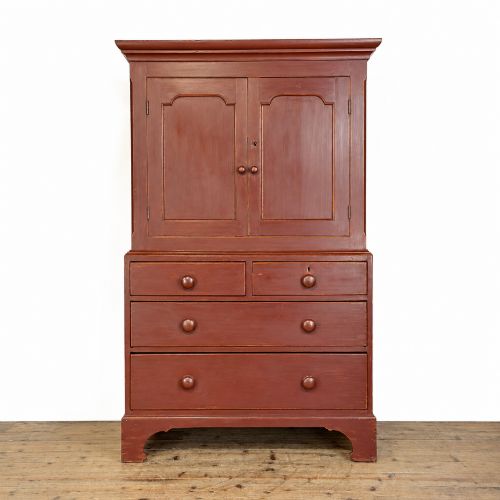
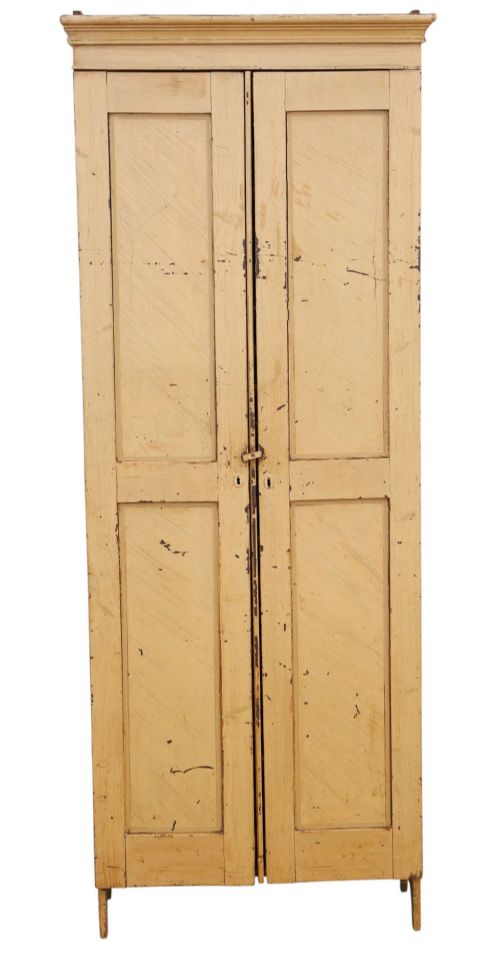
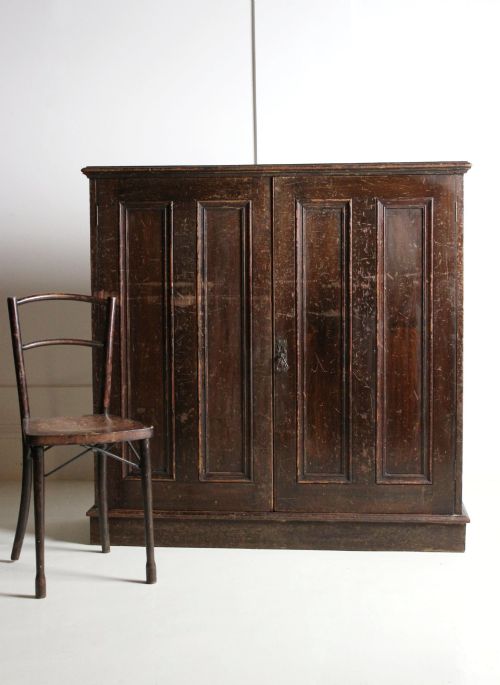
A rustic country food press delivers utilitarian storage through vernacular kitchen cupboards, housekeepers cupboards, and larder cabinets. These pieces serve daily household needs rather than formal display, born from rural domestic life.
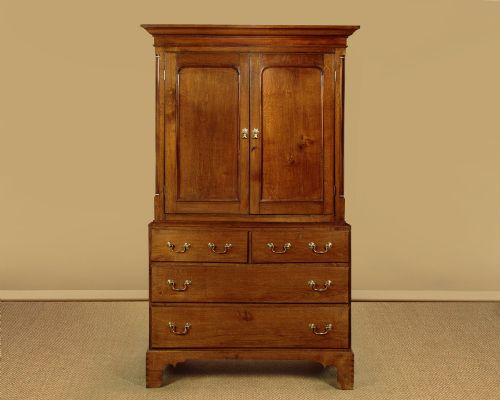
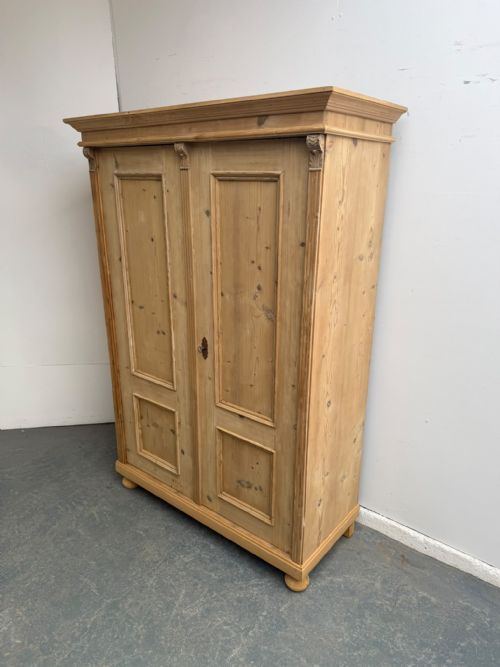
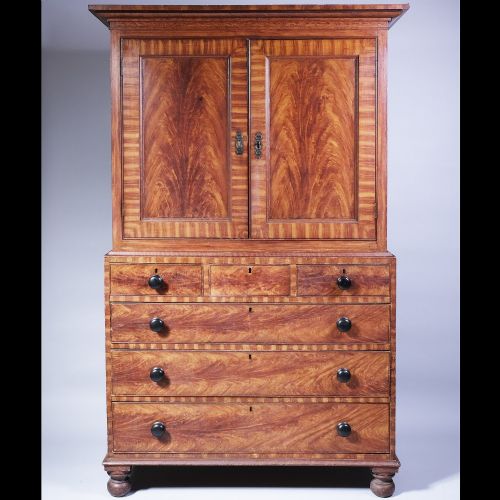
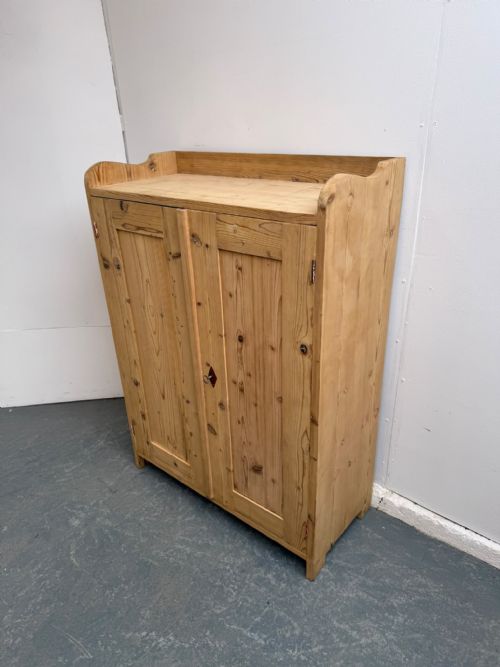
The selections span the eighteenth and nineteenth centuries, including Victorian, Georgian, and Scandinavian country periods. Forms range from tall narrow storage cupboards to wide two-door kitchen cupboards and linen presses.
Origins stretch across English, Welsh, East European, and Swedish traditions. Regional vernacular dictates the proportions, from primitive oak constructions to painted Scandinavian pine cabinets.
Materials and Construction
Makers relied primarily on pine, oak, elm, and painted wood for their structural integrity. These timbers were locally sourced and chosen for durability in busy farmhouses and kitchens.
Iron and brass provided essential functional hardware, including original blacksmith-made locks and hinges. Surface treatments involved plain wax finishes alongside scumble paint, cream paint, and grey painted coats.
An eighteenth-century Welsh cupboard comes equipped with its original blacksmith lock and hinges, ready to guard the cheese.
Qualities of the Work
Construction methods separate standard utilitarian boxes from finer vernacular joinery, visible in the choice of sturdy native woods like oak and elm over basic softwoods. The integrity of the original timber frame dictates long-term stability.
Surface preservation marks another distinction, where untouched original painted finishes or authentic scumble work command greater interest than stripped pine surfaces. Original ironmongery, such as blacksmith locks and hinges, adds physical authority.
The Rustic Country Food Press Glossary
- Vernacular
- Everyday architecture or furniture built by local craftsmen for practical use rather than academic design styles. These objects reflect regional materials and native building traditions.
- Scumble
- A decorative painting technique where a translucent glaze is manipulated over a lighter base colour to simulate grain. It protects the wood while adding visual depth.
- Larder Cupboard
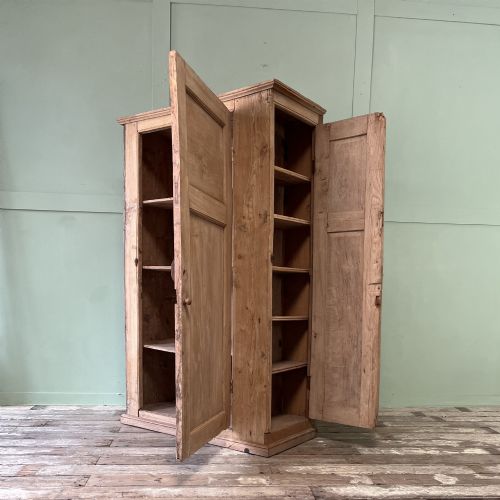
- A tall storage unit traditionally ventilated for food preservation before refrigeration. Interiors typically feature shelves designed for provisions.
- Housekeepers Cupboard
- A large multi-door storage cabinet used in substantial homes for linens, dry goods, and household stores. They often combine upper shelving with lower drawer banks.
- Primitive
- Describes early, unadorned furniture made with basic tools and direct methods. The construction prioritises utility over decorative refinement.
Rustic Country Food Press: Frequently Asked Questions
What is a rustic country food press?
A rustic country food press is a utilitarian storage cabinet built for domestic provisions in rural kitchens and pantries. These pieces originate from regional vernacular traditions across Britain, Scandinavia, and Eastern Europe.
Built from native timbers like pine, oak, and elm, they range from tall larder cupboards to wide housekeepers cupboards. Their primary purpose was keeping household stores organised and protected.
How were these cupboards used originally?
Households utilised these cupboards for storing bulk foodstuffs, kitchen utensils, and household linens before fitted kitchens existed. Large larder cabinets held perishable goods and dry provisions away from pests.
Housekeepers cupboards often stood in hallways or sculleries as central storage hubs for the estate or farmhouse. Their deep shelves and drawer compartments accommodated heavy domestic goods.
How do I date a country cupboard?
Dating relies on examining construction marks, timber preparation, and hardware styles rather than formal maker stamps. Eighteenth-century examples often feature hand- cleft oak, pegged joints, and heavy blacksmith-made iron hinges.
Nineteenth-century and Victorian pieces typically employ machine-sawn pine boards and lighter brass or iron fittings. Painted surfaces frequently retain layers that point to specific decorative periods like Gustavian or Scandinavian folk art.
Should I wax or paint my cupboard?
Preserving existing original paint or scumble finishes maintains the historical integrity and visual character of the piece. Stripping historic paint away removes part of the object's working history.
Unpainted pine surfaces left in bare wood respond well to traditional beeswax to nourish the dry timber. Clean wax finishes highlight the grain while protecting the softwood from everyday moisture.