
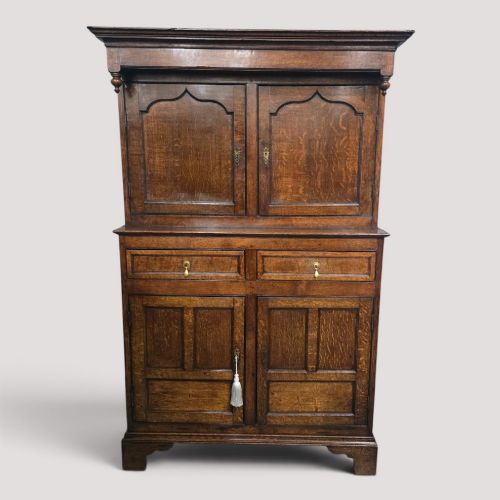


Antique Wooden Food Press
These antique wooden food press items include cupboards, court cupboards, and larder pieces spanning several centuries.
Antique Wooden Food Press
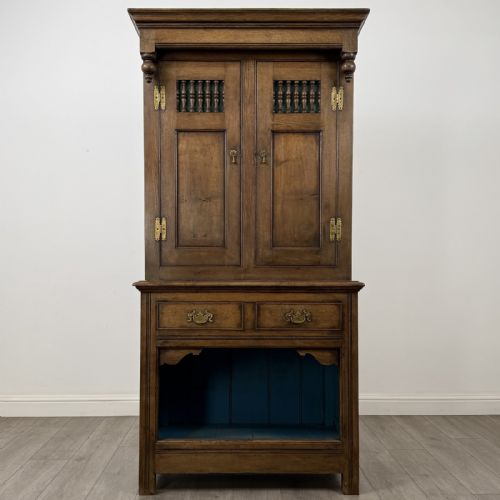
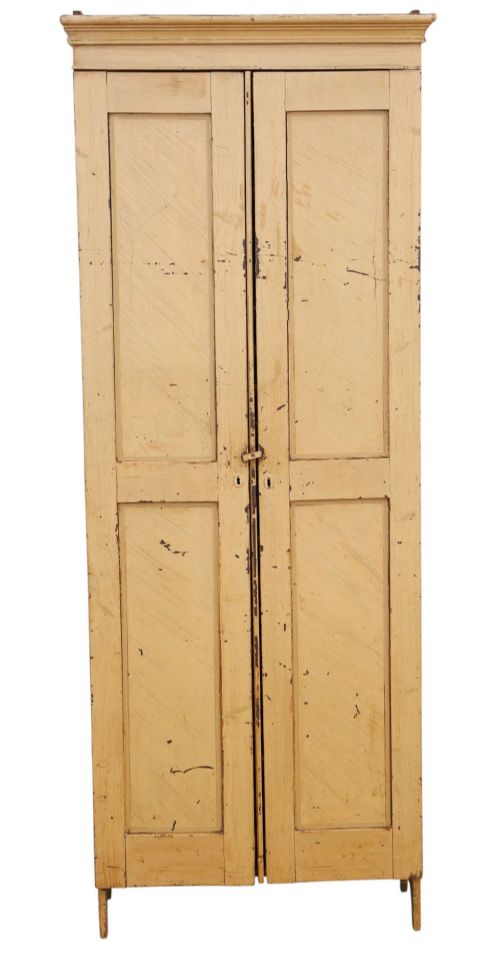
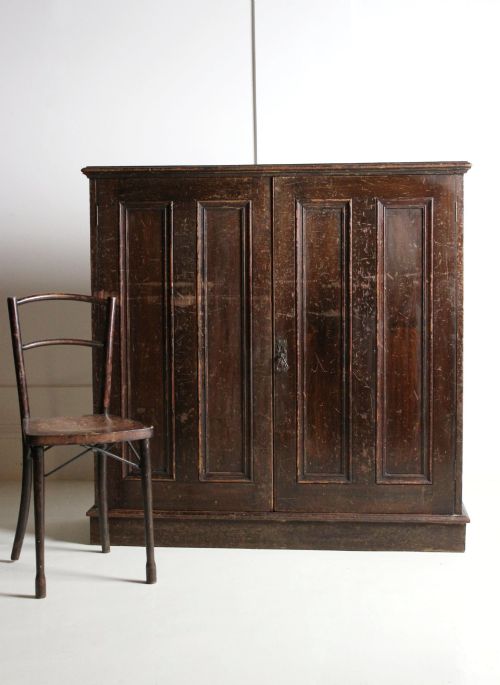
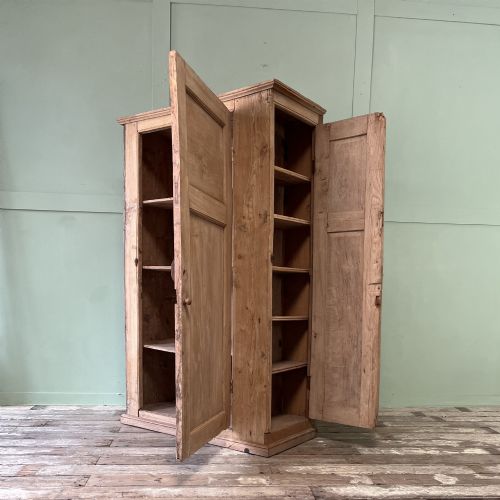
When you search for antique wooden food press, you are looking at utilitarian storage furniture designed to hold provisions and household items. The listings on this page consist largely of larger storage forms such as cupboards, court cupboards, linen cupboards, and larder cupboards.
The pieces hail from various historical periods, including the seventeenth, eighteenth, and nineteenth centuries. You will encounter styles ranging from Jacobean and Georgian to Scandinavian country, Welsh vernacular, and primitive country forms.
Originating from domestic and regional workshops, these items serve as functional storage pieces built for everyday utility. Their forms reflect the specific domestic needs of their respective eras, utilising sturdy wooden construction to preserve provisions and household goods.
How they were made
Construction relies heavily on native timbers such as oak, elm, and pine, shaped into robust panels and frames. Joinery methods of the earlier periods involve traditional pegged joints and joined panels designed to withstand heavy domestic use.
Metal components such as wrought iron and brass appear in the form of original blacksmith locks and hinges. Surfaces are finished in various treatments, including plain wood left to wax, stained pine, and original paint.
Some cupboards still guard the ghost of yesterday's bread behind original blacksmith locks.
What varies in quality
The standard of an antique wooden food press depends upon the integrity of its original construction and the survival of its early hardware. Pieces retaining their original blacksmith locks, hinges, and unalterable timber surfaces command greater interest.
Subtleties in regional craftsmanship and decorative carving distinguish simpler provincial items from more ambitious court cupboards. The choice of timber, whether figured oak or clean pine, alongside the condition of the painted or waxed finish, defines the overall character of each piece.
The Antique Wooden Food Press Glossary
- Court cupboard
- A traditional type of heavy wooden storage furniture, often featuring multiple tiers or enclosed upper and lower sections. These pieces date back to earlier centuries and display formal joinery.
- Housekeeper cupboard
- A large storage furniture form designed for domestic organisation, typically housing linens, provisions, or household stores. They often appear in painted pine or polished oak.
- Primitive country
- A style category denoting vernacular furniture made without sophisticated urban refinements, relying on straightforward utilitarian design. These items emphasise simple utility over ornamental detail.
- Wrought iron
- Iron formed through heating and hammering by a blacksmith, commonly utilised for functional hardware like hinges and locks. Original ironwork adds historical authenticity to early storage pieces.
- Welsh vernacular
- Regional furniture originating from Wales, reflecting local woodworking traditions and domestic requirements. These pieces frequently employ native timbers like elm and oak.
Antique Wooden Food Press: Frequently Asked Questions
What periods do these wooden storage pieces cover?
The available inventory spans several centuries, including seventeenth, eighteenth, and nineteenth-century examples alongside specific dates such as eighteen ninety and nineteen ten. Styles range from early joined court cupboards to later Victorian country and Scandinavian rustic pieces.
Buyers will find that construction methods and timber choices shift noticeably across these eras. Earlier centuries rely heavily on joined oak with iron hardware, while later nineteenth-century examples frequently utilise pine with painted finishes.
What materials were used to build them?
Primary materials recorded in the listings include oak, elm, and pine, supplemented by stained or painted wooden surfaces. Iron and brass appear as functional hardware elements, notably in wrought iron locks and hinges.
Surface treatments vary from natural wax finishes to original painted coats. The choice of material often reflects the regional origin and the period of manufacture for each individual item.
How do court cupboards differ from standard cupboards?
Court cupboards represent a specific formal type of early storage furniture, frequently associated with seventeenth and eighteenth-century craftsmanship. They often incorporate tiered or enclosed architectural compartments.
Standard cupboards and larder pieces focus more directly on utilitarian storage for food and linens. Their internal layouts and exterior forms are generally simpler than those of elaborate court cupboards.
How should I care for a painted pine cupboard?
Care for antique painted pine involves keeping the piece away from direct heat sources and excessive moisture to protect the timber and surface coating. Regular dusting with a soft, dry cloth helps maintain the condition of the wood and any historic paint.
Avoid using harsh modern chemical cleaners or polishes that might damage aged wax or original paint layers. Gentle upkeep preserves the historical integrity and visual character of the surface.