




Georgian Elm Cupboard
A georgian elm cupboard brings rich timber grain and honest vernacular construction into a room, offering both practical storage and deep historical character.
Georgian Elm Cupboard
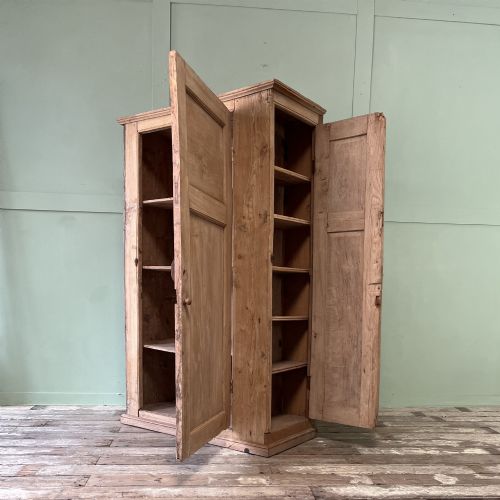
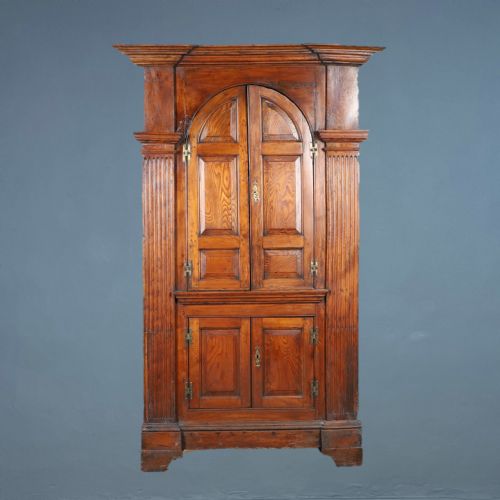
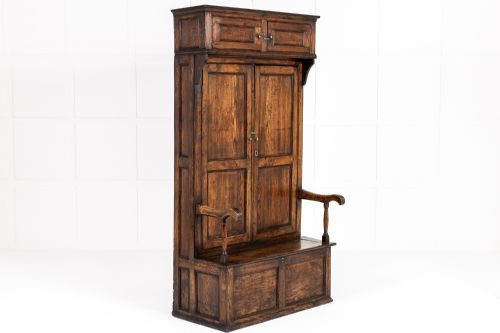
A georgian elm cupboard encompasses a variety of vernacular and formal storage forms produced during the eighteenth and nineteenth centuries. Buyers frequently encounter corner cupboards, food cupboards, and dresser bases originating from English and Welsh workshops.
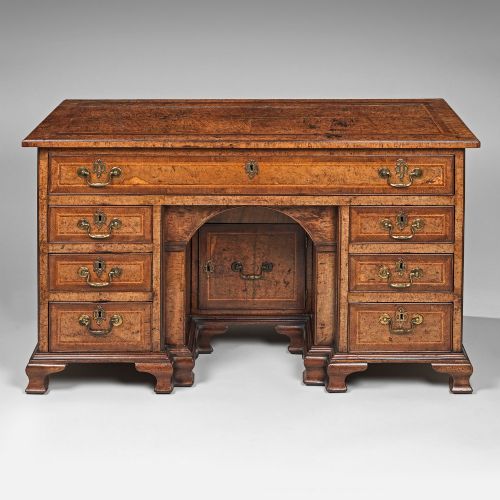
The selection ranges from wall-hanging corner units to substantial court cupboards and kneehole desks. Elm is often combined with secondary woods like oak, walnut, or fruitwood, reflecting the resourceful material use of regional makers.
Materials and Techniques
Construction relies heavily on solid elm boards, chosen for their tough, interlocking grain that resists splitting. Cabinetmakers utilised dovetail joints for drawer construction and pegged mortise and tenon joints for frames.
Surface enhancement appears through figured burr elm veneers, marquetry inlay, and contrasting timber banded borders. Iron hinges, brass escutcheons, and working locks provide the functional hardware across these pieces.
Listings feature eighteenth and nineteenth-century pieces utilising elm, burr elm, burr yew, oak, and walnut across various storage forms.
Judging Quality
Quality rests in the choice of timber and the preservation of original surfaces. Pieces featuring highly figured burr elm or intricate wood inlay stand apart from plain domestic storage.
Proportion and architectural detail drive distinction, from simple vernacular hanging units to sophisticated George III architectural standing corner cupboards. Original brassware, undisturbed patination, and intact timber grounds determine the standing of each example.
The Georgian Elm Cupboard Glossary
- Burr elm
- A wild growth on an elm tree that produces highly twisted, knotty grain patterns. Cabinetmakers sliced this wood into thin veneers for decorative furniture fronts.
- Corner cupboard
- A storage unit designed to fit squarely into the intersection of two walls. These pieces make efficient use of domestic space and appear in hanging or standing formats.
- Vernacular
- Everyday furniture made by regional craftsmen for local use rather than high-style London workshops. These pieces prioritise utility and local timber availability.
- Marquetry
- The art of applying pieces of veneer to a structure to form decorative patterns. Craftsmen use contrasting woods to create pictorial or geometric designs on drawer fronts and tabletops.
- Close stool
- An eighteenth-century piece of furniture enclosing a chamber pot. They frequently mimic small chests, commodes, or bedside cabinets for discreet domestic use.
Georgian Elm Cupboard: Frequently Asked Questions
How do I clean elm furniture?
Dust surfaces regularly with a dry, soft cloth to prevent particle buildup. Avoid modern silicon sprays and harsh liquid cleaners that can damage the historical polish.
Feed the dry timber occasionally with a traditional beeswax polish applied sparingly. Buff the surface gently to maintain a natural, soft sheen.
Where were these cupboards placed?
Corner cupboards hung in parlours or dining spaces to display porcelain and glassware. Food and court cupboards sat in kitchens or pantries for household provisions.
Larger dresser bases and commodes anchored living spaces and bedrooms. Their primary role was functional storage before evolving into decorative display pieces.
Is elm durable for daily use?
Elm is a famously tough, interlocking timber that withstands heavy physical strain. This resilience made it the traditional choice for cartwheels and seating as well as furniture.
Modern homes present no structural threat to these pieces under normal conditions. Keep them away from direct heat sources and severe humidity fluctuations to protect the wood.
How do I tell George II from George III pieces?
George II pieces often display heavier proportions and simpler, robust vernacular framing. Carving tends to be bolder and rooted in earlier regional traditions.
George III items frequently incorporate neoclassical lines, finer veneers, and stringing. The influence of pattern books becomes more apparent in the architectural cornices and bracket feet.