
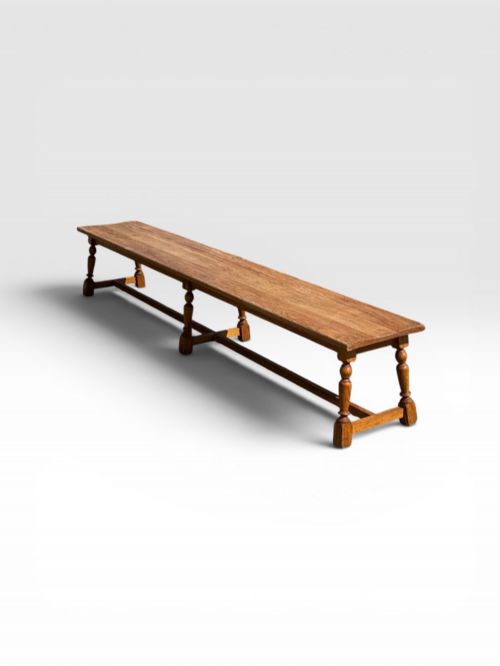
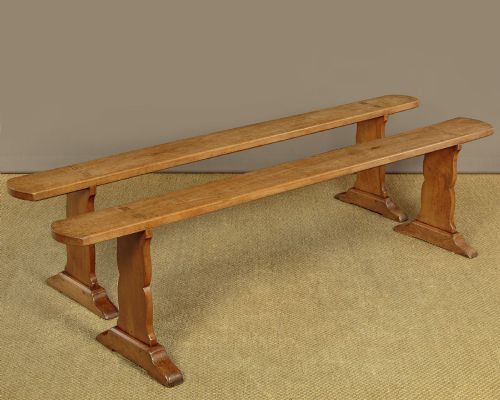

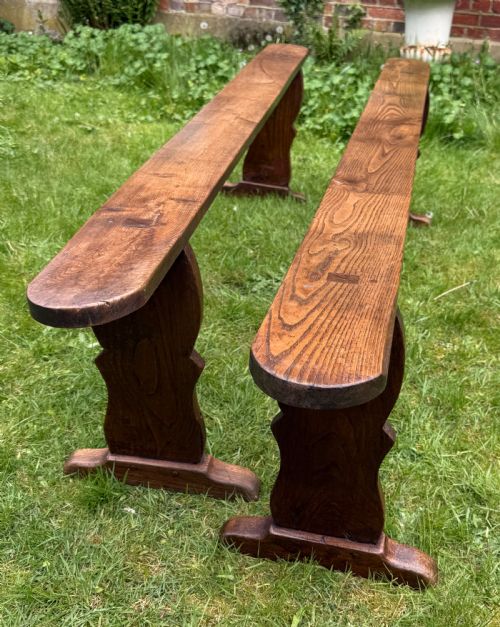
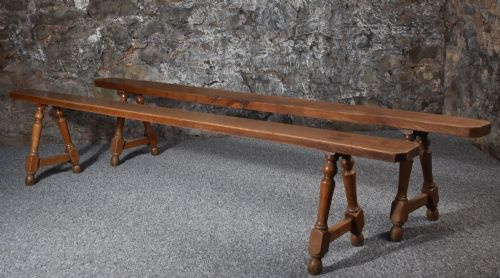


Rustic Country Dining Bench
A rustic country dining bench brings honest utility and timeless character to the table.
Rustic Country Dining Bench
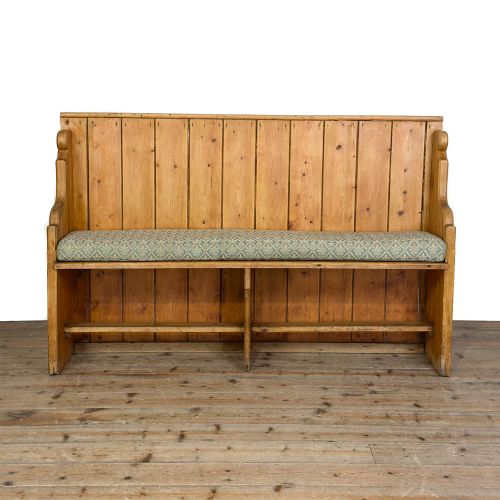
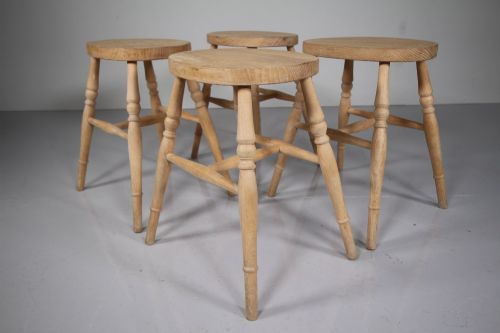
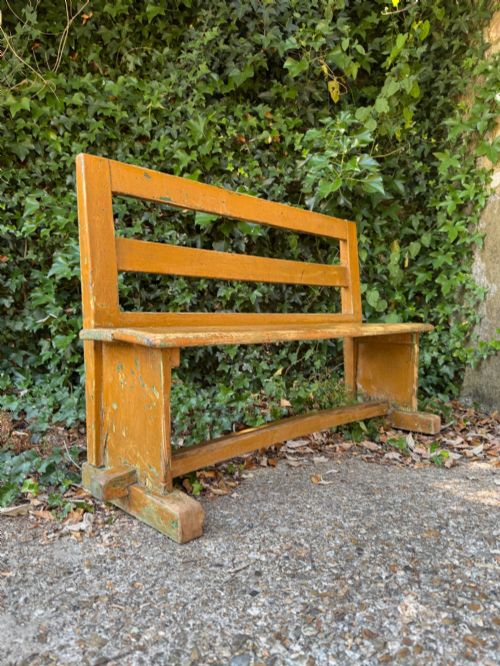
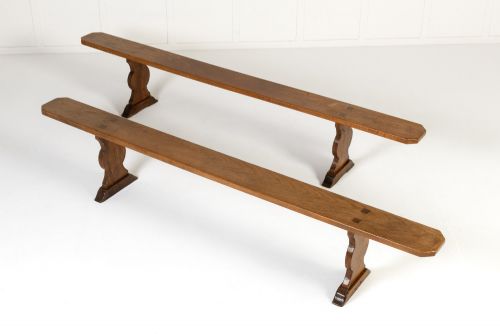
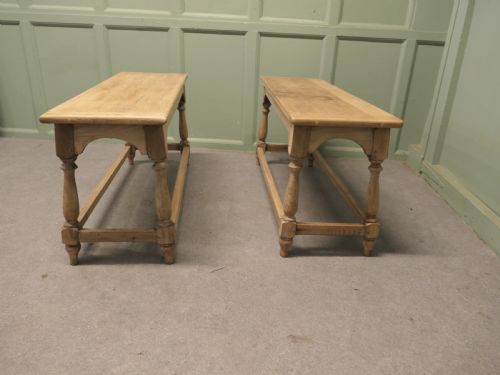
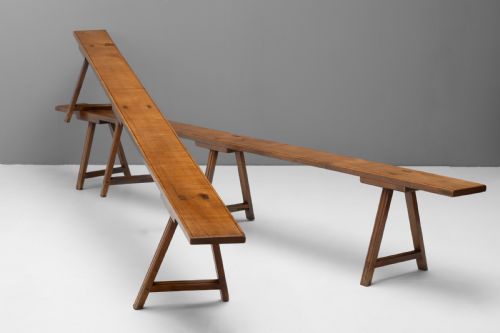
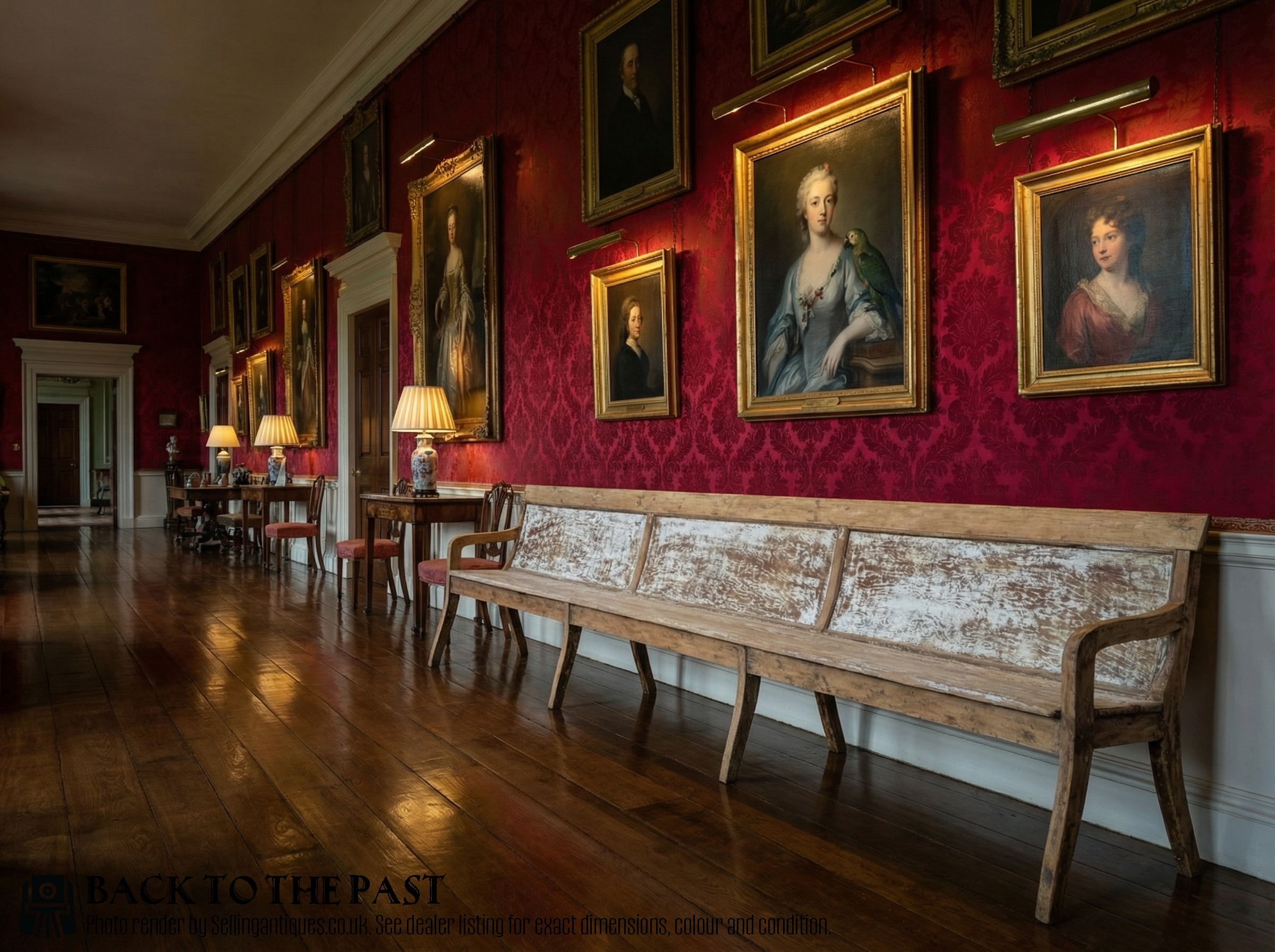
A rustic country dining bench serves as a practical and long-standing seating solution around the kitchen or dining table. You encounter forms originating from the eighteenth, nineteenth, and early twentieth centuries, spanning English, French, Welsh, and Scandinavian origins. These pieces range from simple plank-seat designs to substantial oak church pews and pairs of cherrywood or elm seating.
What Varies in Quality
The integrity of the timber and the honesty of the surfaces separate ordinary seating from superior examples. Benches retaining their original surface patination, whether scrubbed sycamore, natural oak, or old paint, hold greater visual coherence than those stripped down bare.
Proportion and length dictate utility, with exceptionally long unbroken boards or matching pairs commanding particular interest. Solid structural stability without excessive modern intervention preserves the authentic character inherent in these provincial utility pieces.
Several sturdy oak benches spent their earlier decades keeping the peace inside Bishopthorpe Palace in York.
The Rustic Country Dining Bench Glossary
- Trestle
- A support consisting of a horizontal beam fixed to two splayed legs, commonly found beneath long dining benches and refectory tables.
- Joint bench
- A piece of seating constructed using tight pegged joints rather than nails, typical of earlier workshop traditions.
- Patina
- The deep surface sheen and wear developed on timber over decades of handling and use. This quality indicates genuine age and care.
- Settle
- A wooden bench featuring a high back and solid armrests designed to block draughts in farmhouse kitchens.
- Refectory
- A long communal dining table and accompanying bench format originally utilised in monasteries and large country houses.
Rustic Country Dining Bench: Frequently Asked Questions
How do I style a rustic bench with chairs?
Pairing a wooden bench on one side of a dining table with individual chairs opposite creates an informal, balanced arrangement. This setup allows flexible seating capacities for gatherings.
Mixing painted finishes with bare timber introduces visual depth to a dining room while maintaining a cohesive country aesthetic.
Are these benches suitable for daily dining?
Original nineteenth and early twentieth century benches were built for robust domestic or institutional use. Their solid construction in oak, pine, or elm handles daily activity with ease.
Ensure the height matches your specific table clearance for comfortable seating during meals.
How do I care for antique timber surfaces?
Dust the wood regularly with a soft cloth and apply occasional natural wax to nourish dry timber. Avoid placing these pieces near direct heat sources to prevent wood splitting.
Protect scrubbed or painted surfaces from moisture by using coasters and placemats.
What is the difference between a pew and a bench?
Pews typically feature enclosed panel backs and ends originating from churches or communal halls, offering formal stationary seating. Standard benches are more portable and feature simpler open frames.
Both forms provide long seating suited for placement alongside dining tables.