
Rustic Country Art
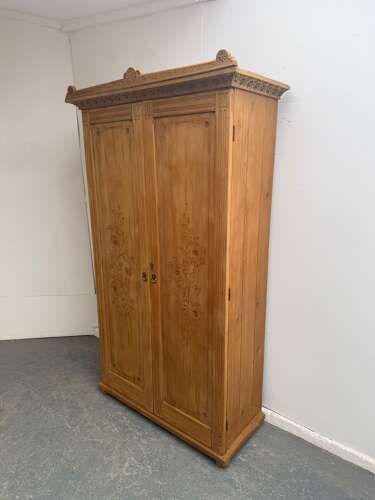
These rustic country art pieces bring honest vernacular charm indoors through oil paintings, benches and hand-painted pine furniture.
Rustic Country Art
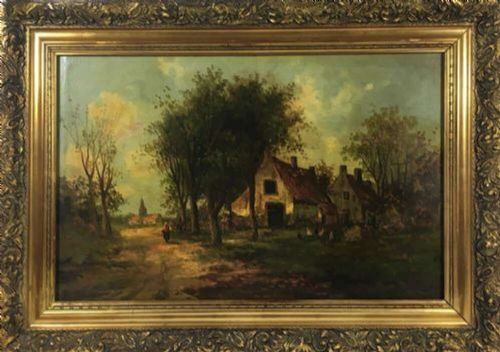
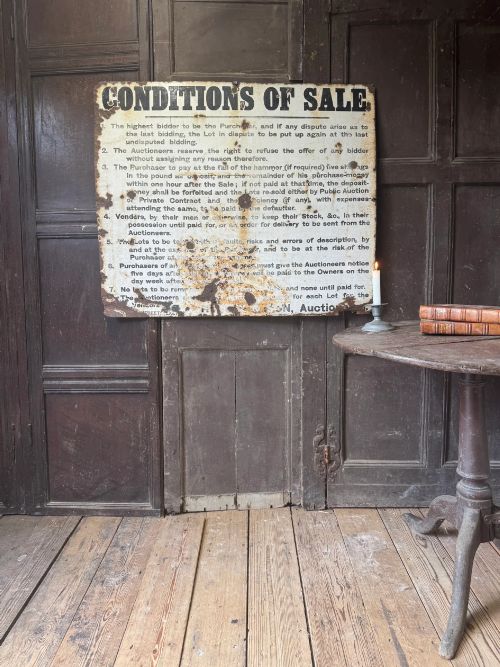
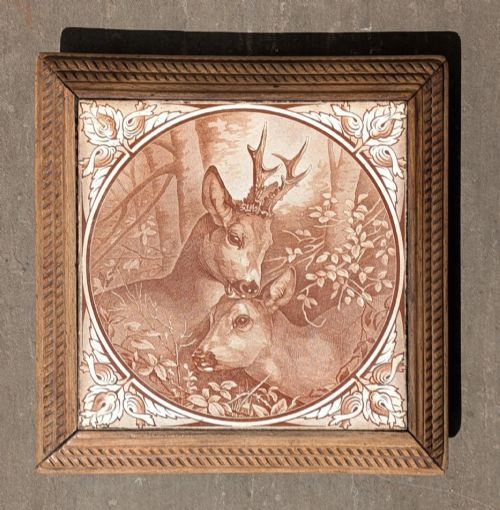
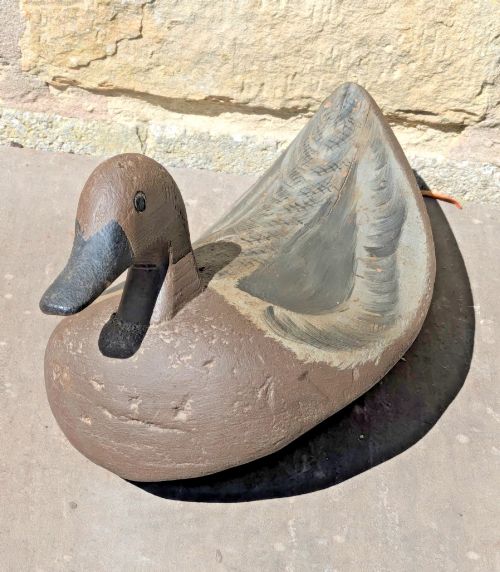
When buyers search for rustic country art, they encounter utilitarian objects and vernacular paintings shaped by regional traditions. These pieces bridge the domestic and agricultural spheres, spanning periods from the eighteenth century to the mid-twentieth century.
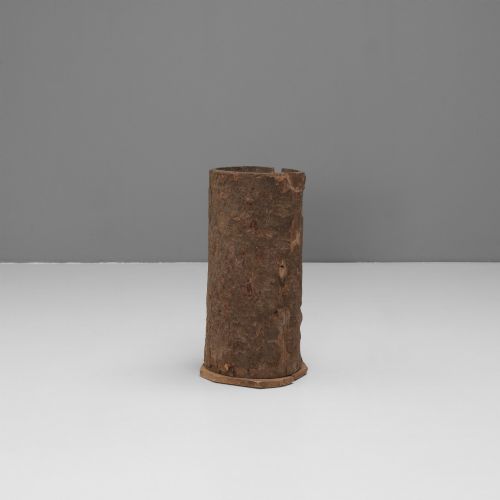
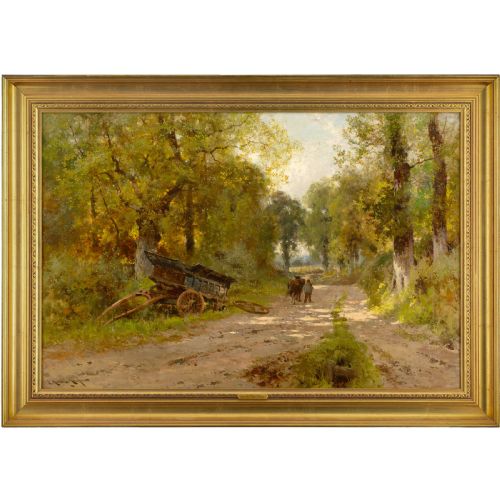
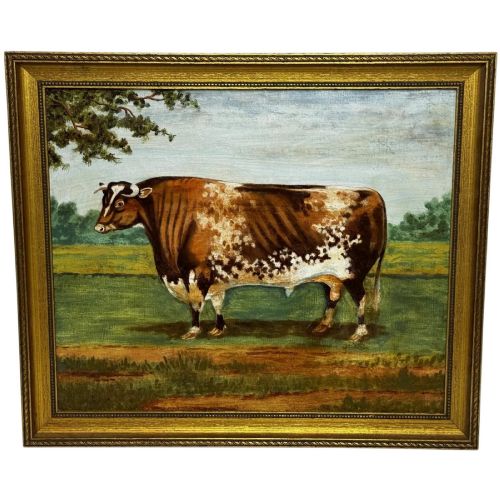
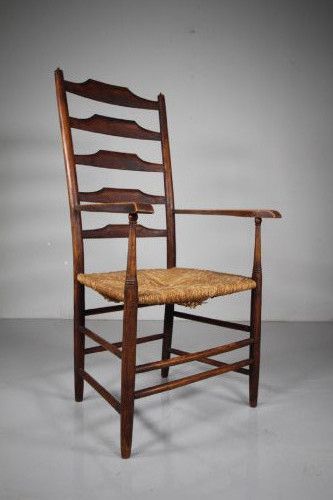
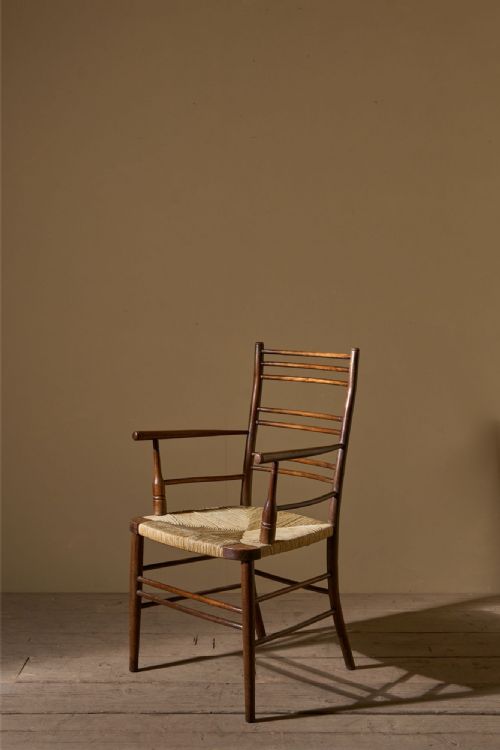
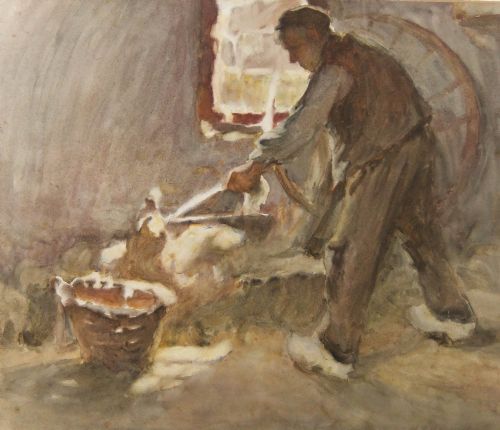
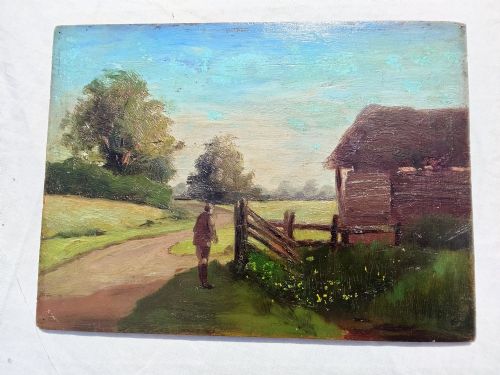
The most common forms on this page include oil paintings depicting farmyard scenes and landscapes alongside practical wooden seating like milking stools, settles and armchairs. European and British workshops produced these unpretentious items for everyday rural life.
Furniture relies on honest construction using local timbers like pine, oak, sycamore and fruitwood, often retaining traces of original paint. Paintings capture pastoral subjects, farm animals and rural trades with naive or impressionistic directness.
Materials and construction methods
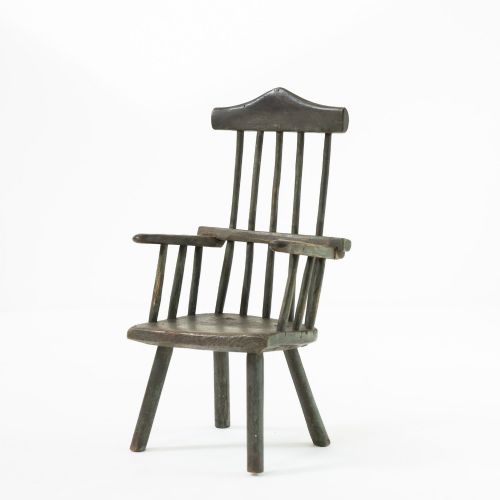
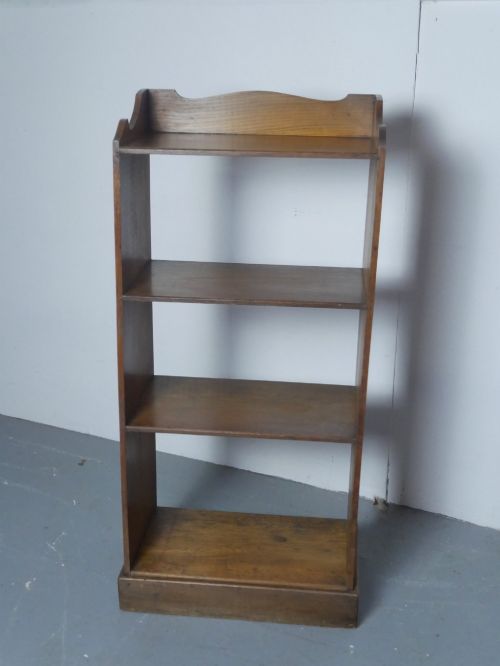
Makers utilised solid timbers such as pine, oak, sycamore and fruitwood, shaping boards with hand tools for everyday utility. Joinery is straightforward, employing pegged joints, stick backs and sturdy stretchers suited to heavy farm work.
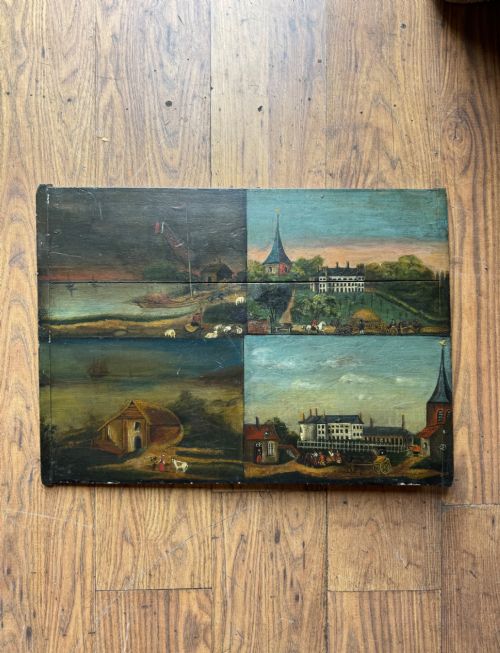
Surfaces frequently show layers of original paint, wax or natural wear that record decades of domestic service. Canvases and wooden boards receive oils applied by provincial and academic painters depicting rural life.
The selection includes utilitarian Eastern European milking stools, British Windsor chairs and French provincial farmyard scenes.
Distinctions in quality
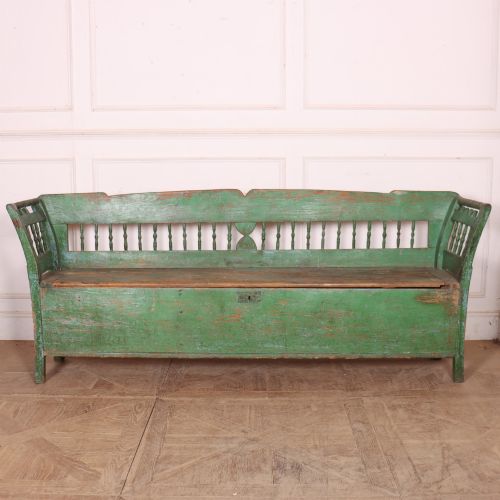
Quality rests in the survival of original surface treatments, such as untouched ochre, green or yellow paint on milking stools and cupboards. Pieces that retain their honest patination without aggressive restoration command greater interest.
Artistic execution differentiates provincial naive works from accomplished academic oils, though both hold appeal for their subject matter. Proportion, structural integrity and the clarity of hand-carved or painted details determine the standing of each piece.
John Horace Hooper·Philip Clissett·Henry Silkstone Hopwood·Edgar Hunt·Henry Schouten·George Morland·Claude Cardon
The Rustic Country Art Glossary
- Vernacular
- Everyday items made by local craftspeople for practical use rather than high-style design. These objects reflect regional materials and traditions.
- Naive art
- Artwork created by self-taught painters focusing on direct observation and straightforward perspective. It often depicts rural life and farm animals without academic convention.
- Tramp art
- Decorative woodwork carved from discarded wooden boxes and packaging using simple pocket knives. Objects like mirrors and small boxes demonstrate patience and chip-carving patterns.
- Stick back
- A chair construction method where turned spindles are inserted directly into a solid wooden seat. This technique provides lightweight strength for farmhouse seating.
Rustic Country Art: Frequently Asked Questions
What defines rustic country art?
These pieces comprise unpretentious furniture, decorative objects and oil paintings originating from rural communities. They reflect the daily realities of farming life and local craftsmanship.
Items range from milking stools and benches to landscapes and animal portraits created across several centuries.
How were milking stools used?
Milking stools provided farm workers with a portable, stable seat during daily chores in the byre or field. Their single or multiple legs accommodated uneven earthen floors.
Many retain their original brightly coloured paint applied to protect the wood and brighten agricultural interiors.
How do I live with these pieces?
Country furniture and pastoral paintings integrate easily into modern or traditional interiors by adding warmth and historical texture. Their honest construction and patinated surfaces complement neutral walls and natural materials.
Placing a painted pine bench or a rural landscape creates a grounded focal point in a hallway or living space.
How do I tell periods apart?
Earlier eighteenth-century pieces often display heavier joinery and simpler forged iron elements, while nineteenth-century items introduce varied regional turning and painted finishes. Edwardian and later pieces frequently combine traditional forms with lighter Arts and Crafts influences.
Examining tool marks, timber selection and underlying pigments helps clarify the era of manufacture.