
Rustic Country Armoire
A rustic country armoire brings practical storage and honest utility to a room, offering generous proportions built for daily rural life.
Rustic Country Armoire
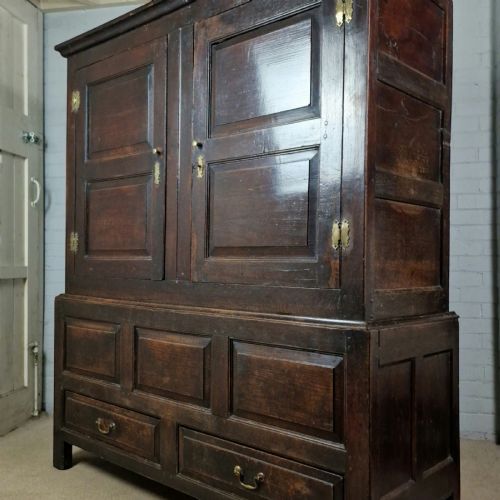
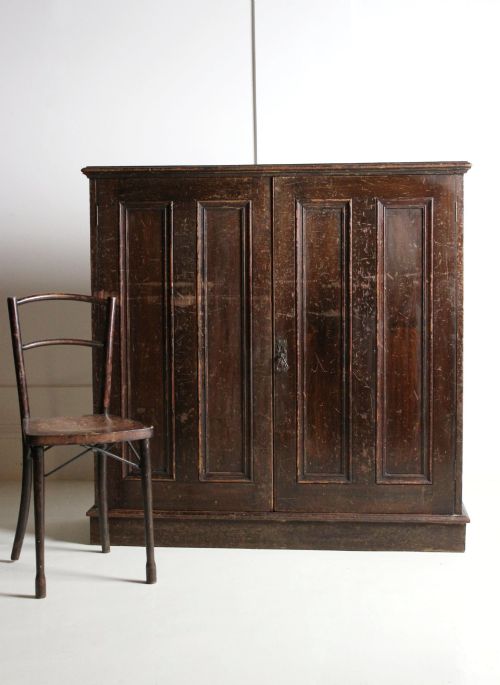
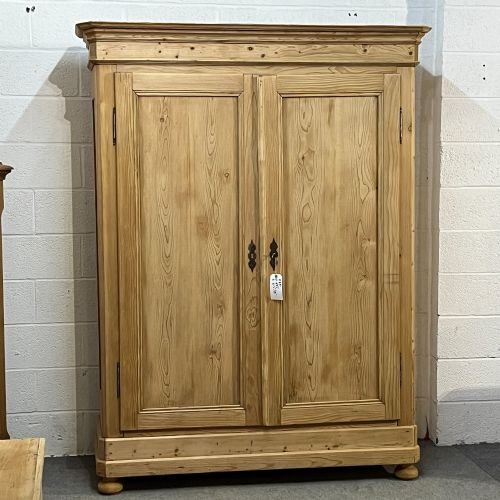
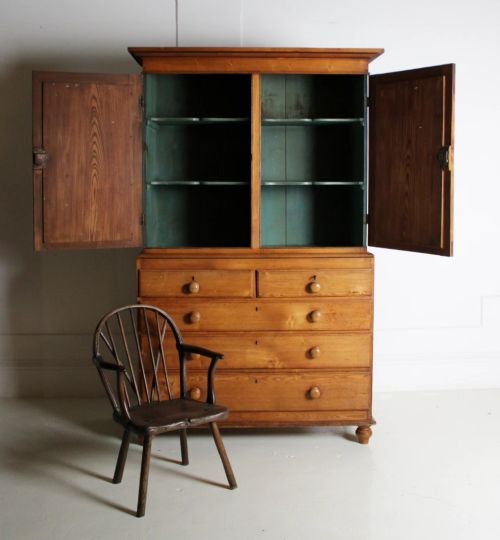
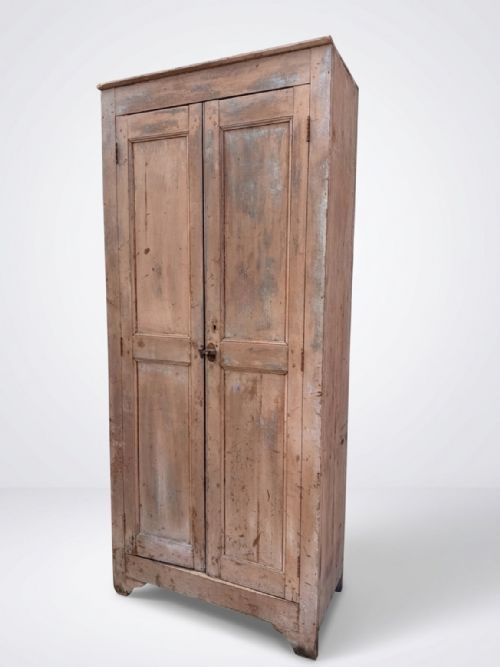
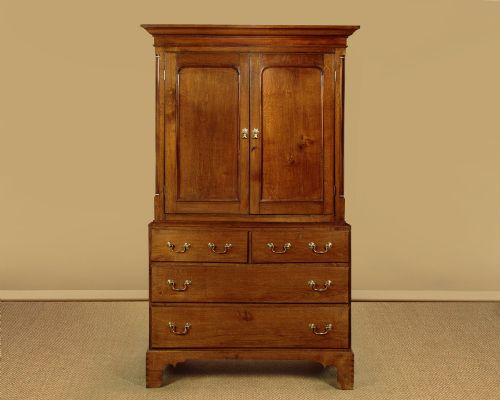
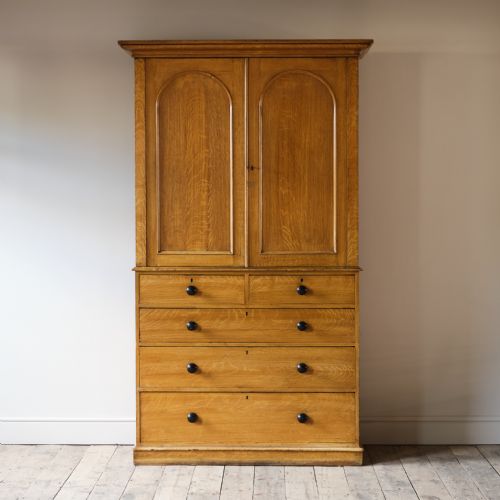
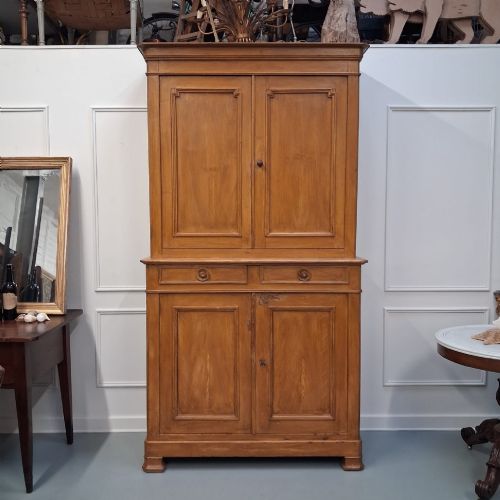
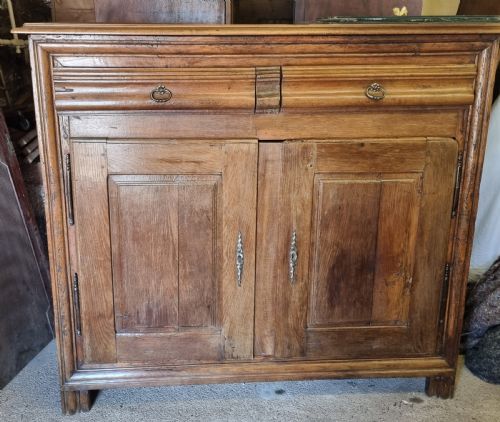
A rustic country armoire serves as a substantial storage piece for garments, linen or provisions, originating from rural workshops across Britain, France, Ireland and Scandinavia. These items take many forms, including large double wardrobes, tall linen presses, housekeepers cupboards and shallow hall wardrobes.
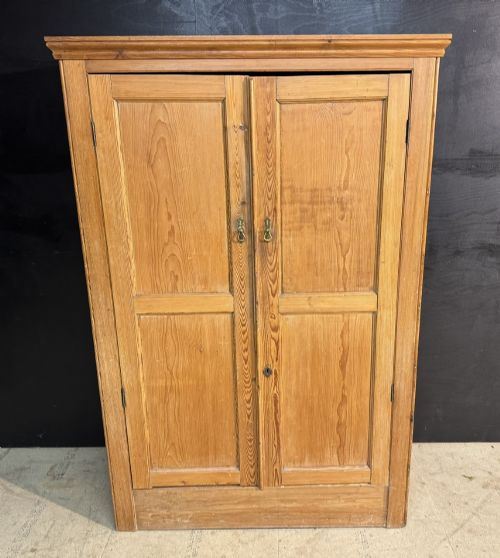
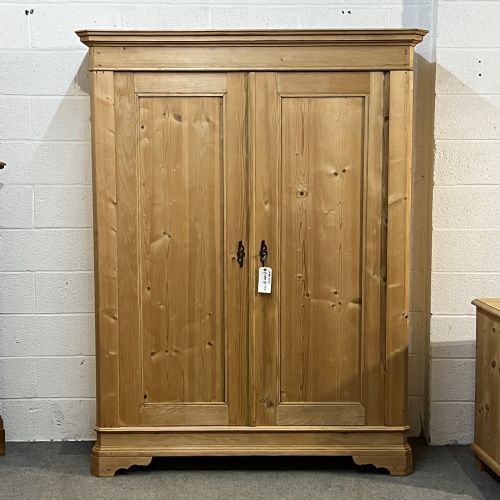
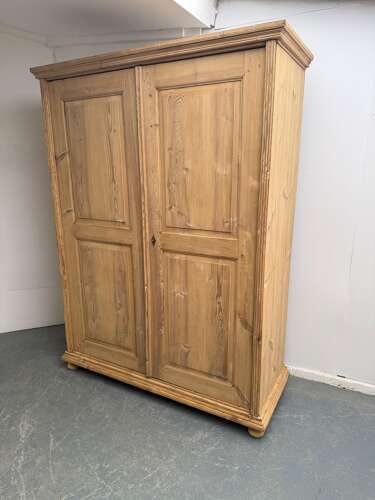
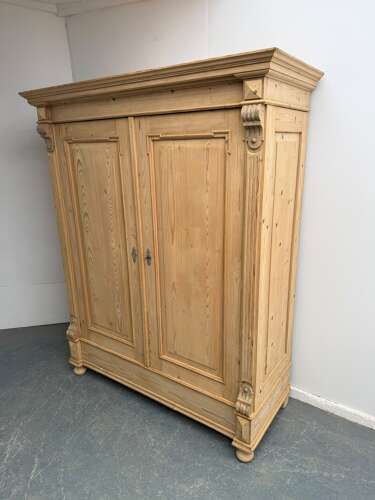
The version most commonly met on this page is the 19th century pine wardrobe or storage cupboard, frequently constructed to dismantle for transport. These examples often display simple panelled doors, deep cornices and generous interior hanging space or shelving.
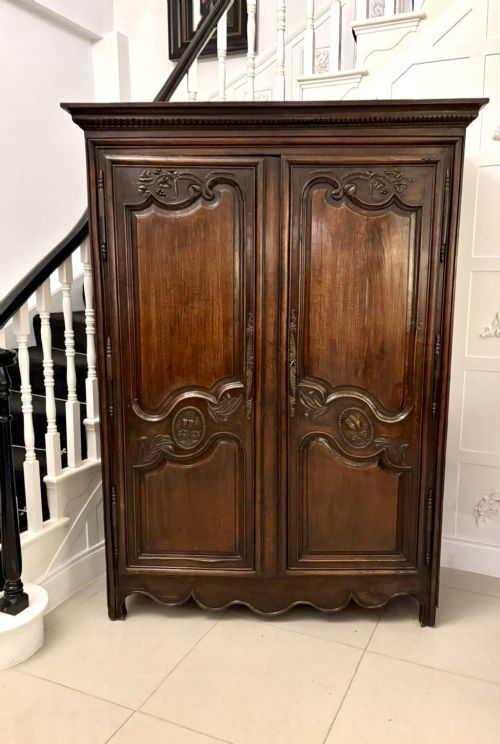
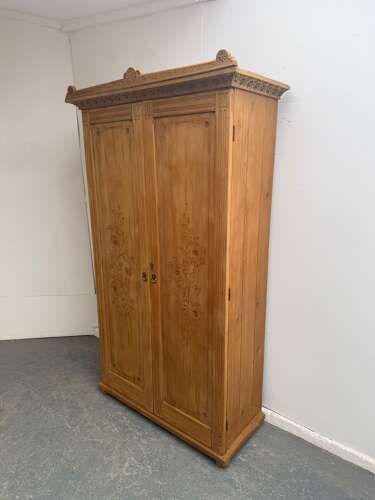
Alongside pine, pieces emerge in native hardwoods such as oak and ash, reflecting regional vernacular traditions from Georgian and Victorian periods. Provincial French and Hungarian pieces introduce painted surfaces or carved details to the traditional farmhouse silhouette.
How They Were Made
Makers built these pieces using solid timber boards, predominantly softwoods like pine alongside regional hardwoods such as oak, ash and fruit wood. Construction methods prioritised sturdy utility, employing pegged joints, hand-cut dovetails for drawers and solid panelled doors.
Iron, steel and brass hardware such as strap hinges, locks and latches secure the heavy doors and drawers. Many large wardrobes utilise knockdown construction with wooden wedges or bolts, allowing the tall carcasses to be dismantled and moved between rooms.
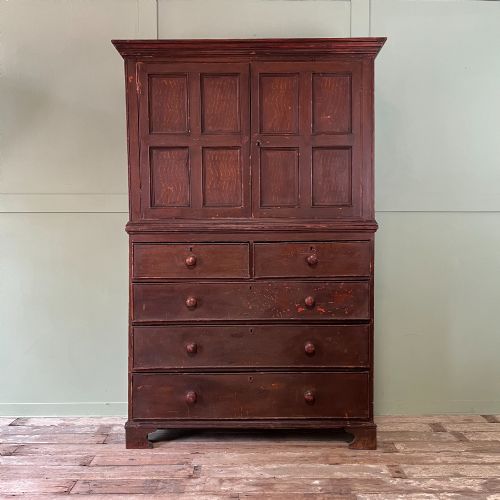
Surfaces received various treatments depending on regional taste and period, ranging from clear wax finishes that highlight the natural grain to original paint, scumble glaze or polychrome decoration.
Several tall wardrobes come with a knockdown design, proving that flat-pack convenience existed long before modern furniture stores.
What Varies in Quality
The standard of a rustic country armoire depends largely on the integrity of its original construction and the balance of its proportions. Pieces retaining their original backs, floorboards, internal shelving and brass or iron fittings hold greater integrity than those altered over generations.
The choice of timber and the sophistication of the joinery distinguish regional pieces, from simple pegged softwood carcasses to substantial carved oak and fruit wood examples with panelled doors. Surface finishes also alter the character, with untouched original paint or scumble glaze offering distinct visual depth compared to later stripped pine surfaces.
The Rustic Country Armoire Glossary
- Armoire
- A large upright cupboard or wardrobe used primarily for storing clothes and textiles. Traditional versions feature double doors opening to reveal hanging space or shelves.
- Linen press
- A tall cupboard traditionally used for storing household linen, often combining sliding trays or shelves in the upper section with drawers below.
- Knockdown wardrobe
- A large piece of furniture engineered with removable pegs or bolts so the frame disassembles into flat panels for transport. This method was essential for moving bulky furniture up narrow farmhouse stairs.
- Housekeepers cupboard
- A large functional storage cabinet used in domestic service for keeping provisions, china or linens. These pieces frequently combine cupboards and drawers within a single expansive frame.
- Scumble painted
- A decorative surface technique where a translucent coloured glaze is dragged or manipulated over a base coat to imitate wood grain or create textured patterns. This finish protects the timber while adding visual movement to country furniture.
Rustic Country Armoire: Frequently Asked Questions
How do I use an armoire today?
These large cupboards adapt easily to modern rooms for hanging clothes, storing bedding or housing media equipment behind closed doors. Their deep interior shelves and spacious compartments accommodate bulky items that standard wardrobes cannot manage.
Positioning one in a bedroom, hallway or kitchen introduces practical storage while maintaining a traditional aesthetic. Many pieces dismantle into manageable sections, making transport and placement straightforward.
What is the difference between an armoire and a linen press?
An armoire is primarily designed for hanging garments, featuring tall interior vertical space behind full-length doors. A linen press traditionally incorporates internal sliding trays or shelves specifically intended for folded textiles and household linen.
While both share robust rustic construction, their internal configurations reflect different storage needs in historical homes. Checking the interior layout helps identify which format suits modern organising requirements.
How do I care for waxed pine furniture?
Maintaining waxed pine involves applying a natural beeswax polish occasionally to nourish the timber and prevent it from drying out. Buffing the surface with a soft cloth restores the gentle sheen without building up excessive residue.
Keep these pieces away from direct heat sources and strong sunlight to protect the wood and finish from warping or fading. Regular dusting with a dry cloth keeps the surface clean and preserves the character.
How can I tell the period of a rustic cupboard?
Dating these pieces relies on observing construction details such as hand-cut dovetails, handmade iron or brass hardware, and the type of timber used. Earlier Georgian and 17th-century examples often feature pegged oak construction and heavier panelled doors, while Victorian pine pieces tend to use machine-sawn elements and simpler joints.
Paint finishes also offer clues, as original scumble glaze or early polychrome layers indicate the era of decoration. Comparing the proportions and overall design helps place the item within its historical context.