
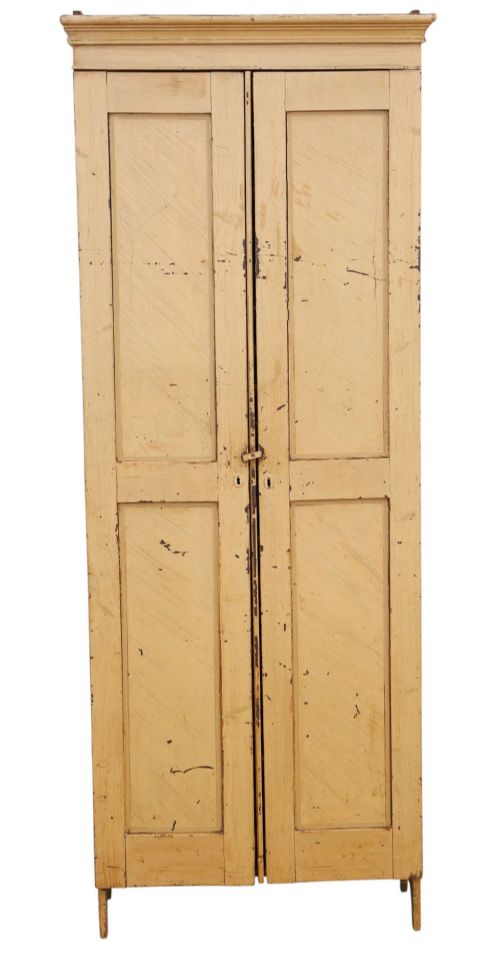
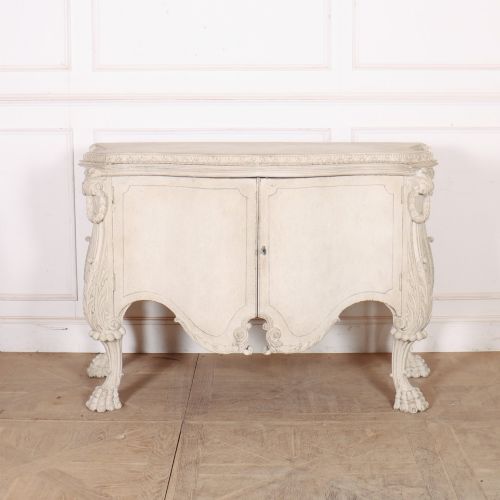
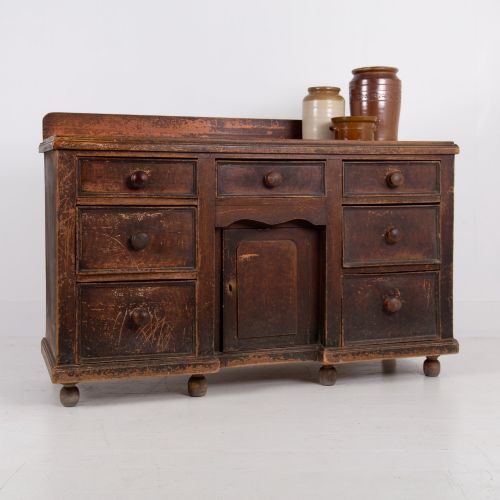
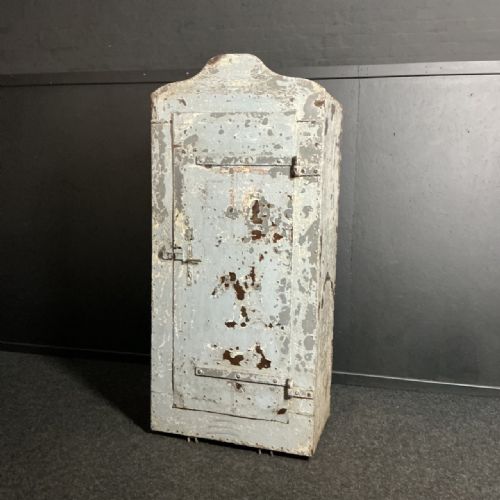
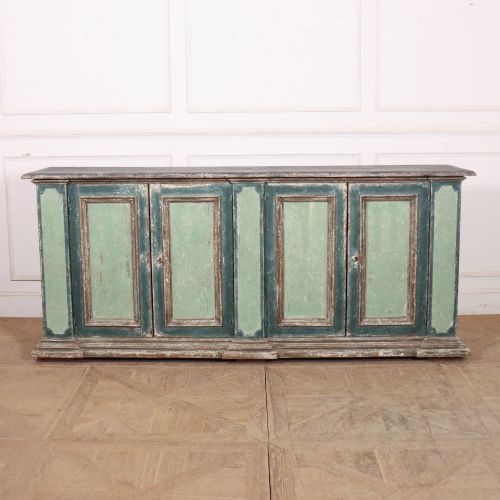
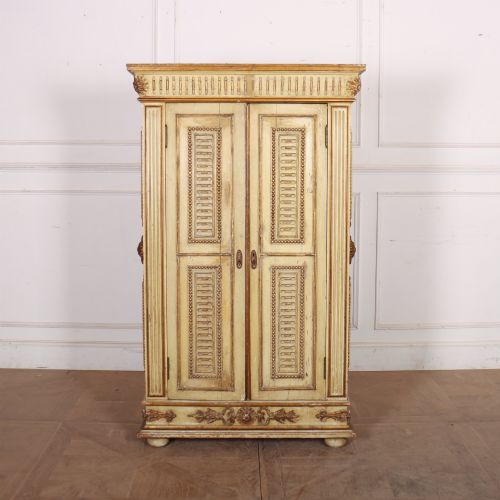
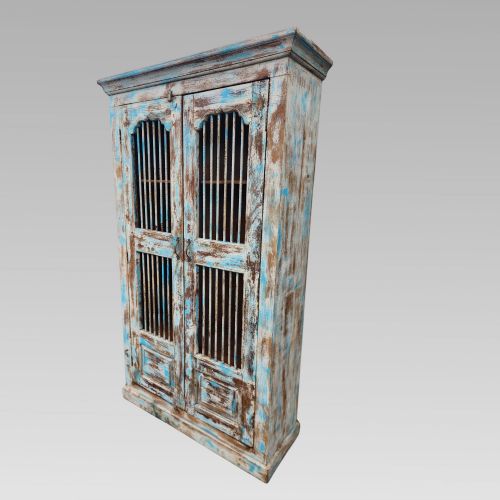
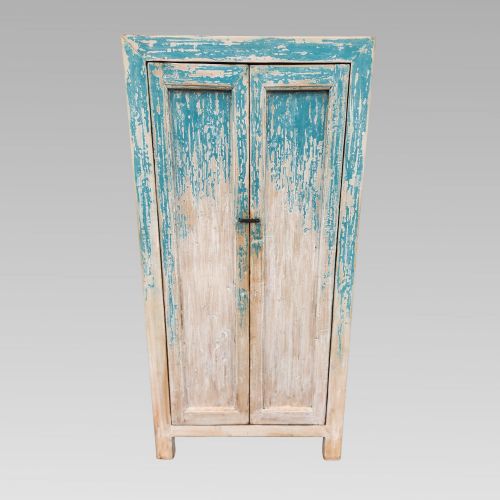
Distressed Paint Storage Cabinet
A distressed paint storage cabinet brings practical domestic utility alongside the character of aged surfaces and layered pigment.
Distressed Paint Storage Cabinet
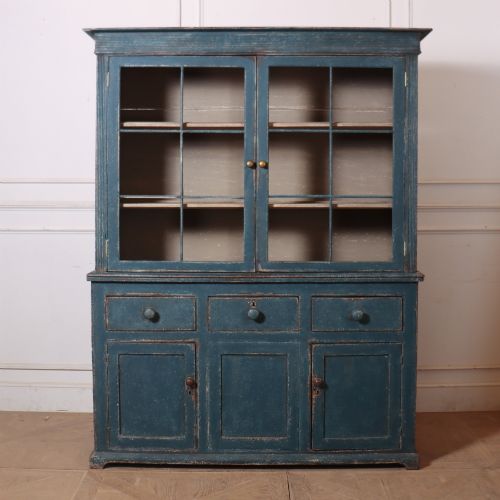
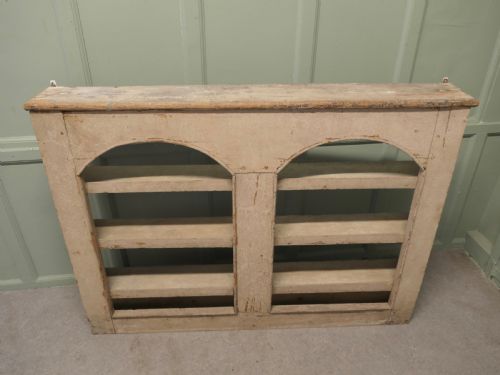
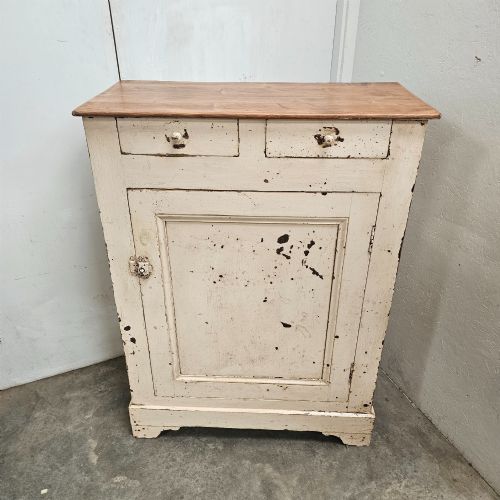
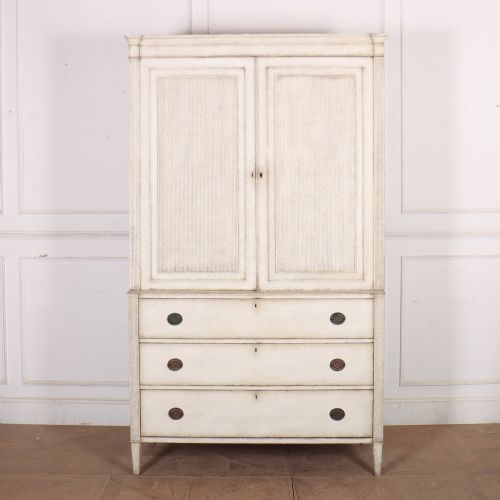
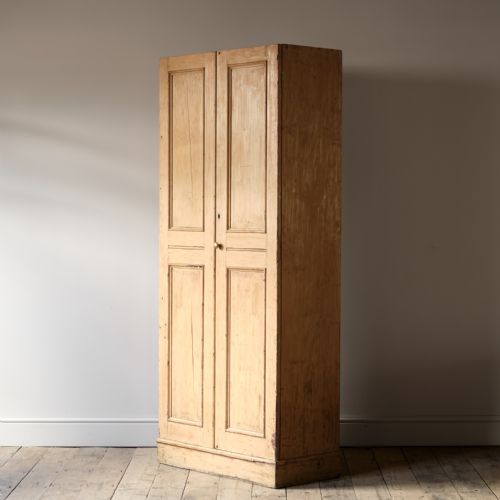
A distressed paint storage cabinet covers a broad family of utilitarian furniture designed to hold provisions, linens and household goods. When searching for a distressed paint storage cabinet, buyers encounter diverse forms ranging from tall Victorian housekeeper cupboards and kitchen dressers to regional Scandinavian pine cupboards and Italian side cabinets.
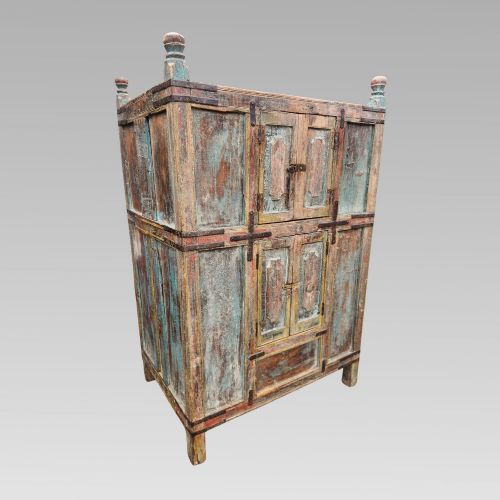
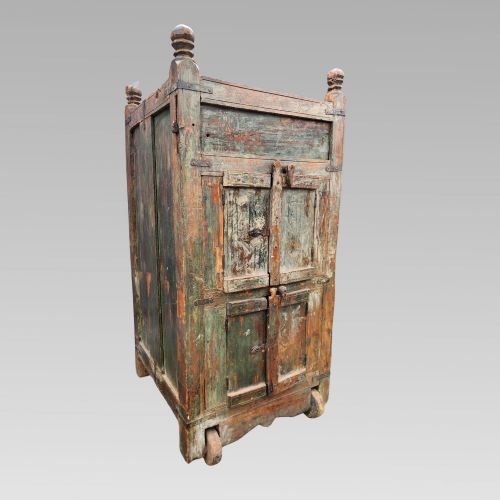
The regional variations reflect traditional domestic storage needs across Europe and beyond, including French confituriers, Indian almirahs and English chests of drawers. Most pieces originate from the eighteenth and nineteenth centuries, constructed in regional workshops to serve practical storage roles in kitchens, bedrooms and hallways.
Scandinavian and French provincial examples frequently display pale painted finishes, whilst English and Italian pieces offer darker or polychrome treatments. Buyers select these items to introduce functional capacity and historic surface texture into contemporary interiors.
Materials and Construction
Makers predominantly utilised solid pine, teak and cedar for carcass construction, assembling panels with traditional joints to accommodate seasonal wood movement. These timbers were then coated in multiple layers of lead-based or oil paints, which subsequently wore down through generations of domestic use.
Hardware details typically include iron or brass hinges, latches and pulls that secure heavy doors and drawers. Decorative painted treatments range from simple monochromatic coats to polychrome schemes and delicate Chinoiserie motifs.
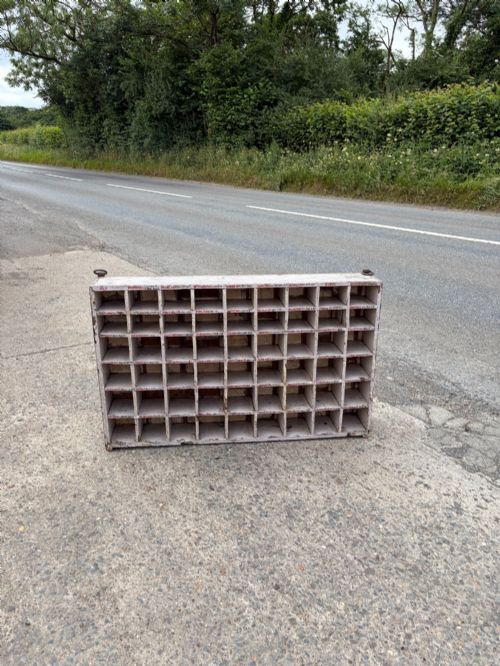
The documented periods span from the eighteenth century through the 1930s, encompassing traditional regional and industrial forms.
Distinction in Craft and Surface
The integrity of a piece rests heavily on the authenticity of its surface finish and the retention of its original structural timbers. Cabinets retaining genuine, untouched layers of early paint demonstrate a depth of historical character that later repainted surfaces cannot replicate.
Proportion and joinery distinguish fine regional carpentry from basic utility items, with better examples exhibiting balanced door panels, sound internal shelving and minimal timber replacement.
The Distressed Paint Storage Cabinet Glossary
- Confiturier
- A small French cupboard originally designed to store pots of confit or jam. These compact pieces typically feature a single door and a small drawer.
- Almirah
- A standing cupboard or wardrobe originating from the Indian subcontinent. They often feature robust teak construction and decorative ironwork.
- Housekeeper's Cupboard
- A large institutional or domestic storage piece used to store household linens, dry goods, and provisions. They generally combine hanging space, shelving, and lower drawers.
- Polychrome
- Decorated in multiple colours. This technique is frequently found on Italian and continental European painted furniture.
- Chinoiserie
- European decorative style inspired by Chinese art and design. It often involves hand-painted motifs applied to cabinet doors and drawer fronts.
Distressed Paint Storage Cabinet: Frequently Asked Questions
Are these cabinets suitable for kitchen use?
These cabinets provide generous storage capacity for kitchenware, dry goods, and linens, echoing their original domestic functions. Tall cupboards and dressers help organise pantry items whilst adding historic visual weight to a room.
Consider internal shelf depths and door clearances to ensure your specific kitchen items fit comfortably inside. Ambient kitchen humidity should be kept stable to protect antique timber and historic painted finishes.
How can I date a painted cupboard?
Dating relies on examining construction techniques, timber species, and fastener types such as handmade iron nails or early screws. Tool marks on internal boards provide clues regarding whether the piece was shaped using hand planes or early machinery.
Paint stratigraphy and pigment analysis also assist specialists in determining the age of surface layers. Comparing the overall proportion and moulding profiles to dated regional examples narrows the period of origin.
What is the difference between original and later paint?
Original paint exhibits natural wear patterns, craquelure, and integration with the timber beneath that develop over centuries of use. Pigments may show fading and oxidation consistent with age.
Later or refreshed paint often appears uniform, lacking the subtle tonal variations and embedded surface dirt associated with historic finishes. Specialist examination under magnification can reveal underlying layers and preparation coats.