
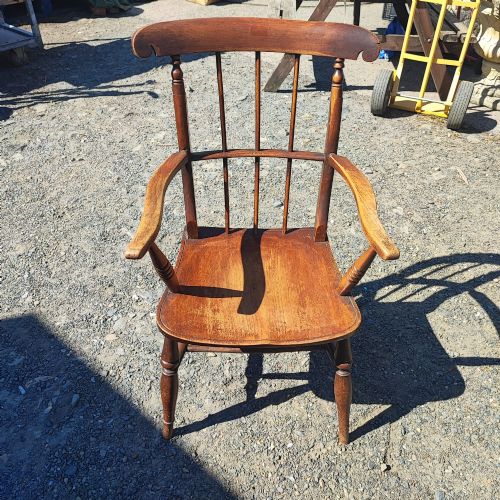
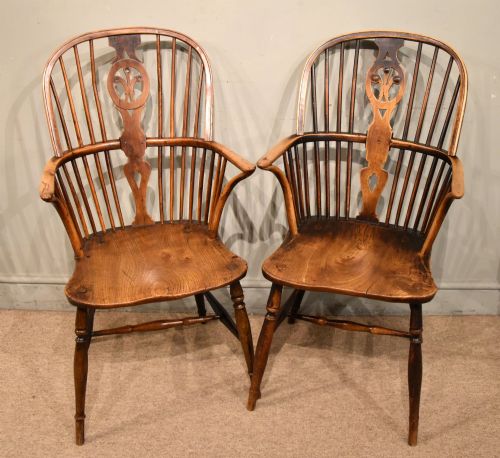
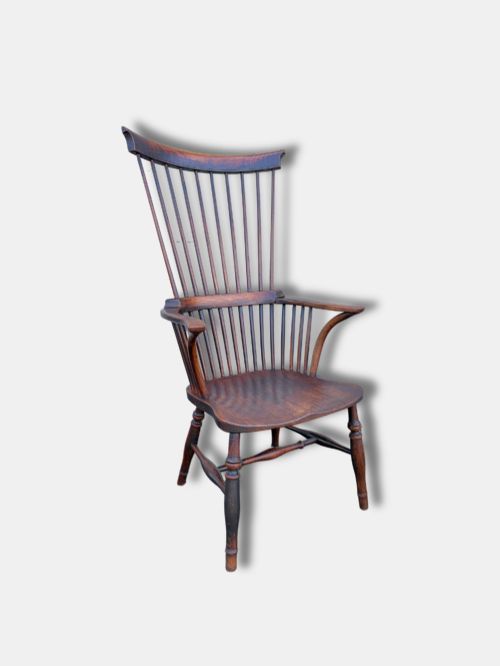
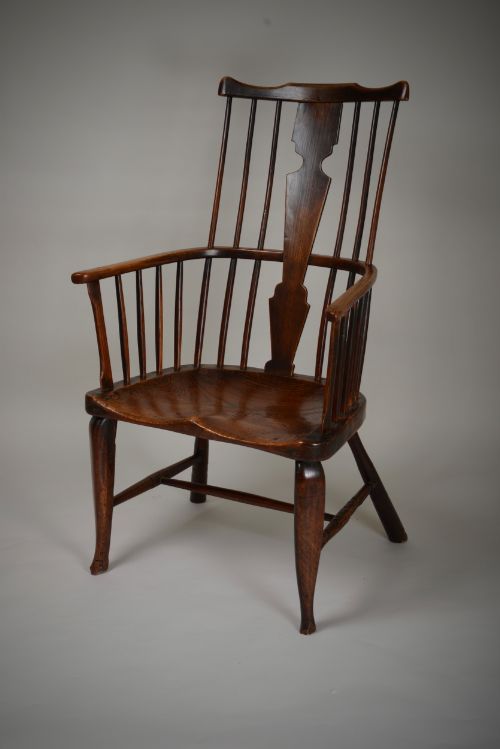


Rustic Comb Back Chair
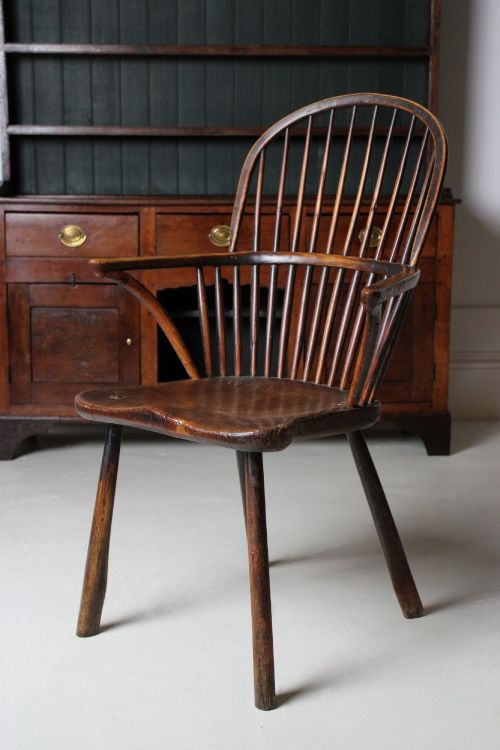
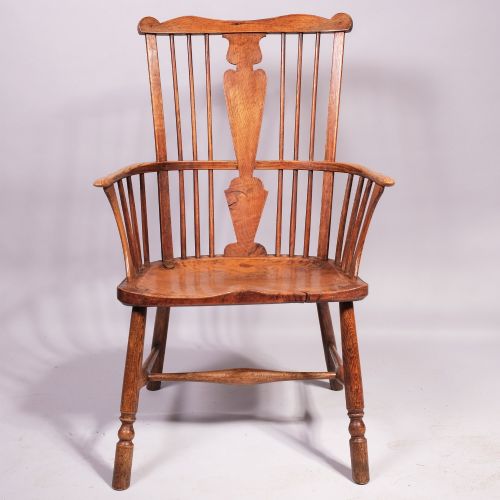
A rustic comb back chair is a country Windsor of honest timber and high construction, built for daily use.
Rustic Comb Back Chair
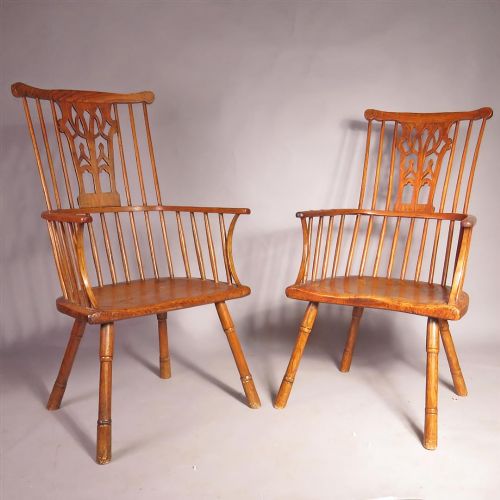
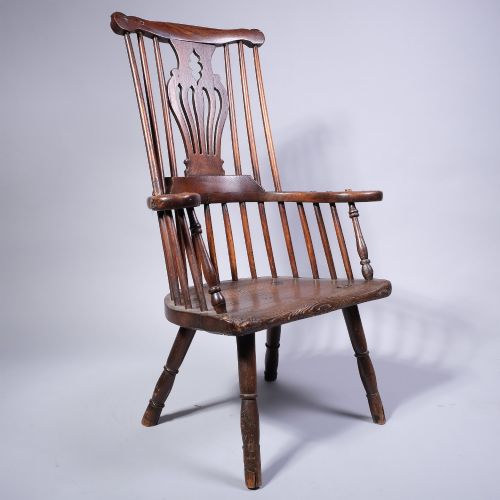
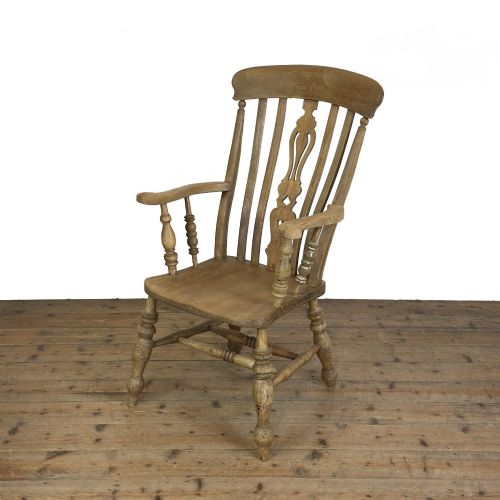
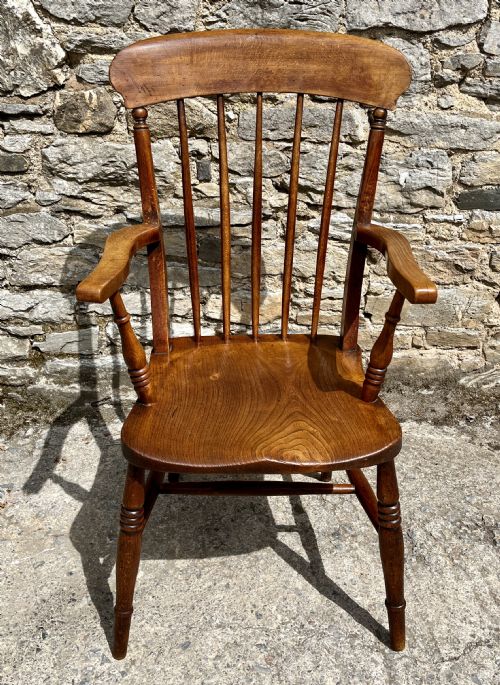
A rustic comb back chair stands as a primary form of vernacular seating, combining a solid wooden seat with spindles rising to a horizontal crest rail. The examples found here span the eighteenth century, nineteenth century, Georgian, Regency, and Victorian periods, stretching from regional workshops in Wales and the West Country to general English country makers.
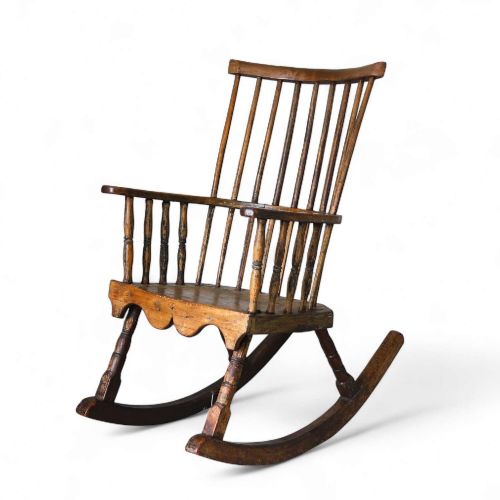
The commonest forms on this page include armchairs, high back Windsor chairs, rocking chairs, and dining chairs, sometimes appearing as pairs or sets. Makers built these seats using local timbers to supply farmhouses, kitchens, and modest homes with durable seating.
Regional variations shape these chairs deeply, with Welsh vernacular and West Country pieces showing distinct local turns and stick construction. Buyers encounter everything from simple primitive armchairs to sophisticated high comb backs intended for country dining or fireside ease.
How they were made
Country joiners built these chairs using a mix of woods chosen for specific structural demands, pairing ash for strong bent parts and spindles with elm, sycamore, pine, or burr elm for carved plank seats. Yew wood and fruitwood also appear in regional pieces, adding dense grain and rich tone to the comb and arms.
Makers shaped the crest rail and back by steaming and bending ash rods into the comb profile, then wedging tenoned spindles and legs directly into the saddle-shaped seat. This stick and Windsor method created a resilient frame that held together through decades of movement without metal fasteners.
The furniture spans eight specific chronological markers from the eighteenth century through to nineteen hundred.
What varies in quality
The balance of timber selection sets the standard for these chairs, where figured burr elm seats or rich yew wood frames elevate a piece above standard ash and pine construction. Grain alignment in the bent comb rail and the crispness of the spindle turnings also distinguish superior regional work from simpler domestic seating.
Proportion and stance dictate the visual success of a rustic comb back chair, separating clumsy vernacular builds from harmonious country masterpieces. A well-balanced rake to the legs and a carefully sculpted comb show the maker's eye for form alongside utility.
The Rustic Comb Back Chair Glossary
- Comb back
- A Windsor chair variation where the vertical spindles extend through the seat and into a raised horizontal top rail, resembling the teeth of a dressing comb. This design offers robust head and shoulder support.
- Windsor chair
- A wooden seat constructed with individual legs and back sticks tenoned directly into a solid carved plank seat rather than a frame. It remains a cornerstone of English country furniture.
- Vernacular
- Objects built by regional craftsmen following local traditions and available materials rather than formal academic design rules. These pieces reflect the specific needs of their immediate community.
- Stick chair
- A primitive form of seating where shaped sticks or spindles form the back and arms, fitted straight into a heavy wooden slab. They represent the simplest lineage of Windsor construction.
- Saddle seat
- A thick wooden seat plank sculpted with hollows and contours for the sitter's comfort. Elm was traditionally chosen for this part because its interlocking grain resists splitting.
Rustic Comb Back Chair: Frequently Asked Questions
How do I date a comb back chair?
Dating relies on observing tool marks, timber shrinkage, and the profile of the spindles and crest rail. Earlier eighteenth-century examples often display deep adze marks on the seat and thicker, more primitive undercarriages.
Nineteenth-century versions tend to show more uniformity in turning and lighter scantlings. Comparing the construction methods to known regional types helps narrow down the decade of manufacture.
Were these chairs used for dining?
Many rustic comb back chairs served around farmhouse kitchen tables, though single armchairs were often placed by the hearth. Sets do appear, indicating they were commissioned or gathered for dining use in country homes.
Their sturdy construction made them versatile enough to move between the kitchen, parlour, and porch as needed.
How do I care for an antique elm seat?
Keep wooden chairs away from direct heat sources and sudden temperature shifts that cause elm and ash to dry out and split. Feed the timber occasionally with a traditional beeswax polish to maintain the surface sheen.
Avoid modern liquid cleaners that strip the historic patina built up over centuries of handling.
What is the difference between a Welsh and an English chair?
Welsh vernacular chairs often utilise local timbers like burr elm and fruitwood, displaying unique stick-construction details tied to specific valleys or makers. They frequently feature high, narrow combs and distinctive leg placements.
English country chairs from the West Country or other shires follow slightly different regional turning patterns and proportions while sharing the fundamental Windsor design.