

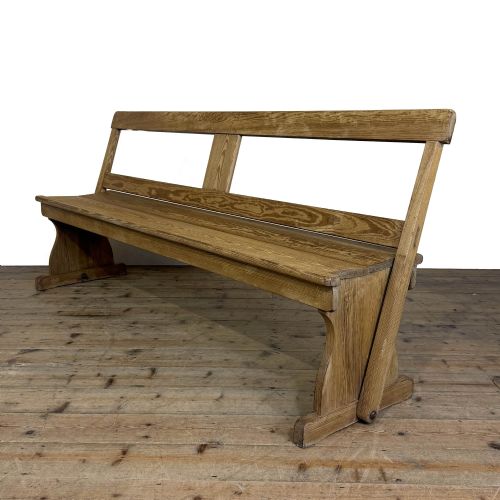
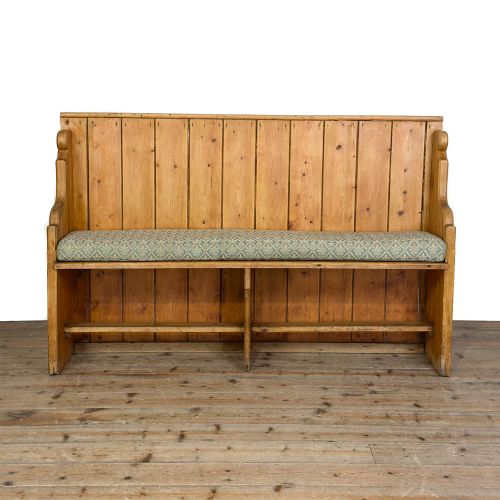
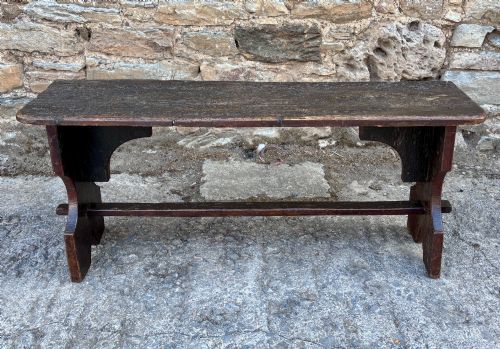
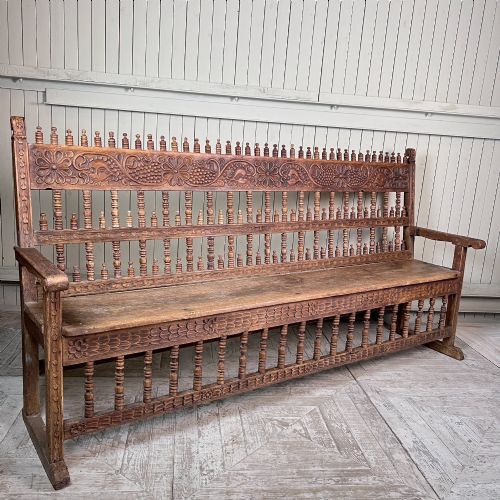


Rustic Church Bench
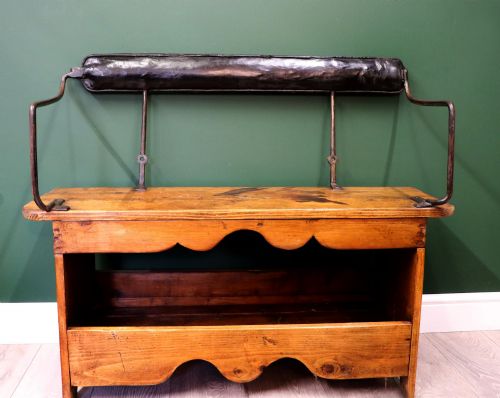
A rustic church bench brings solid timber character and centuries of communal use straight into a hallway or kitchen.
Rustic Church Bench
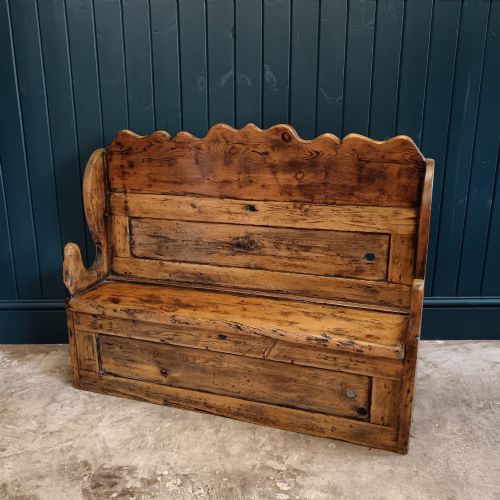
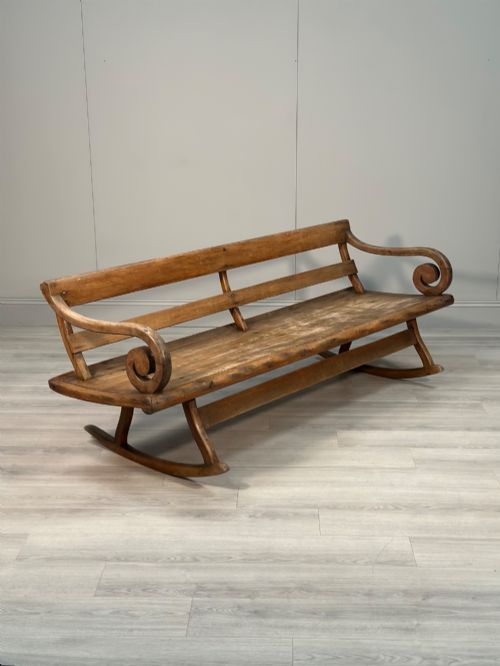
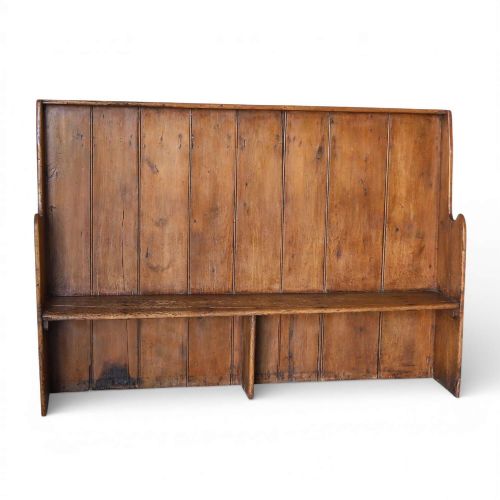
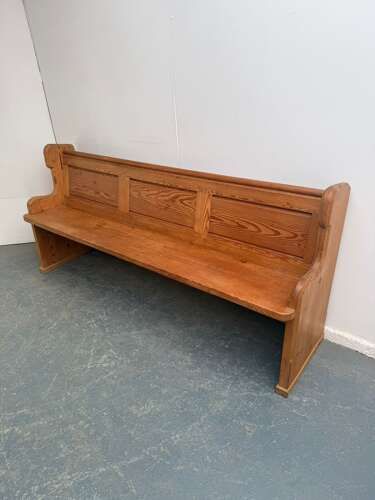
When you search for a rustic church bench, you are looking at substantial seating built from timber for ecclesiastical, domestic, or tavern settings. The examples on this page span the eighteenth and nineteenth centuries through to the Edwardian period, originating from English country workshops, European provinces, and colonial outposts.
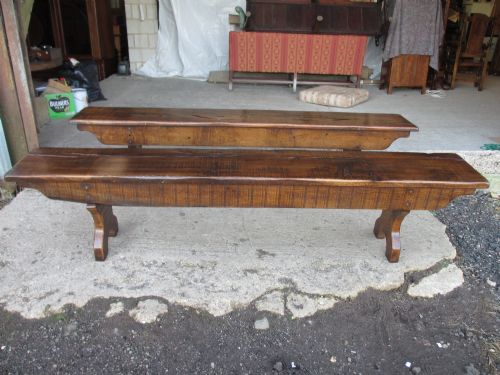
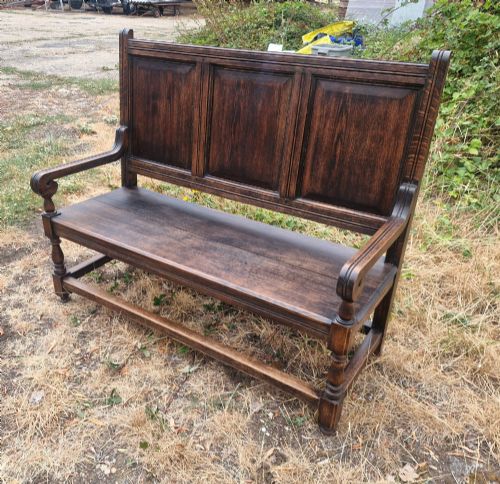
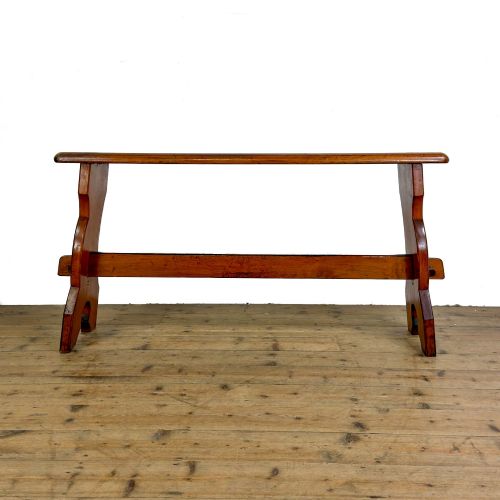
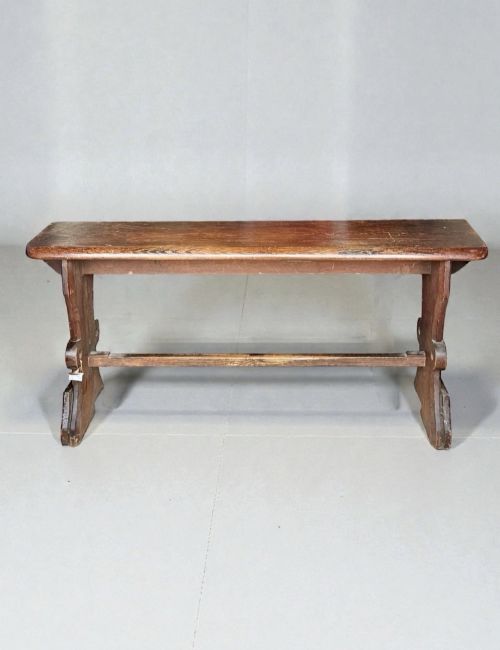
You are most likely to meet pine and oak pieces, ranging from simple church pews and organist seats to high-back pub settles and long refectory benches. Many of these sturdy items served communities in churches and public houses before finding a home in domestic hallways and kitchens.
Materials and construction methods
Joiners and carpenters built these benches using solid native timbers such as pine, oak, elm, and chestnut. Workshops relied on traditional joinery methods, fixing board seats to sturdy legs, trestle ends, or panelled backs to withstand heavy daily use.
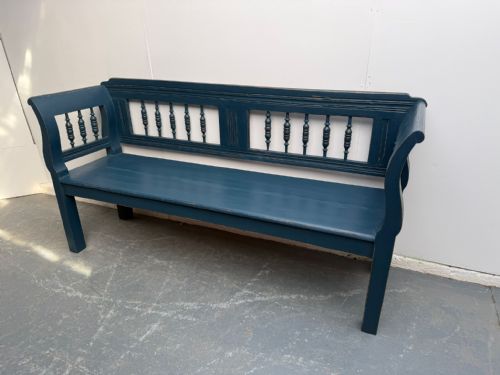
Many surviving pieces retain original painted surfaces, waxed finishes, or natural patinas developed through decades of handling. Where paint was applied, such as blue or regional European pigments, it often survives in layers over the underlying softwood or hardwood.
Rustic Church Bench Retail Price Guide 2026
Typical asking prices for rustic church bench among the pieces listed under this phrase on Sellingantiques today, from the lower quarter to the upper quarter. They describe what is for sale here now, not the wider market.
Listings span the 18th century, 19th century, and Edwardian periods, utilising pine, oak, elm, paint, and fabric.
Judging build quality and proportion
Quality in these benches rests on the integrity of the timber and the balance of proportions. Heavy oak settles with panelled backs and original board seats sit at the sturdier end of the scale, showing careful timber selection by period makers.
Lighter pine pews and painted country benches vary according to the retention of their original surface finishes and structural soundness. The best examples maintain their original length and supporting trestles without excessive timber replacement.
The Rustic Church Bench Glossary
- Settle
- A wooden bench with a high back, solid arms, and often a storage compartment beneath the seat. It was designed to keep out draughts in old halls and tavern firesides.
- Pew
- A long wooden bench with a back, traditionally fixed in rows inside a church or chapel. Examples found in homes often retain ecclesiastical proportions and numbering.
- Patina
- The deep surface sheen and colour developed on wood through years of polishing, handling, and exposure to light. It is a key indicator of age.
- Trestle
- A supporting framework consisting of a horizontal beam fixed to two splayed legs. This construction provides stable support for long tavern or refectory benches.
- Refectory
- A long dining hall bench or table associated with communal eating spaces in religious houses or large institutions.
Rustic Church Bench: Frequently Asked Questions
Where should I place a church bench?
These long wooden seats suit narrow hallways, large kitchens, or farmhouse dining tables where length is an advantage.
Ensure you measure your floor space carefully, as period seating often runs longer than modern domestic furniture.
How do I care for waxed pine?
Feed the timber periodically with a traditional beeswax polish to keep the surface nourished and protected against moisture.
Avoid placing antique benches directly beside intense heat sources to prevent the wood from drying out and splitting.
Are church pews comfortable to sit on?
Period pews were built for upright ecclesiastical or tavern seating rather than lounging. Many owners add loose squab cushions for everyday comfort.
The high backs were originally designed to shield occupants from cold stone walls and draughty rooms.
How can I tell the age of a bench?
Look for tool marks, the method of joint construction, and the depth of the timber patina. Eighteenth-century oak pieces show hand-planed surfaces, while nineteenth-century pine often displays sawmill marks.
Examining the underside and the fastening methods reveals whether the board seats and supports are original to the frame.