


Rustic Cherrywood Table
A rustic cherrywood table brings rich timber warmth and sturdy French provincial character into a modern dining room or kitchen.
Rustic Cherrywood Table
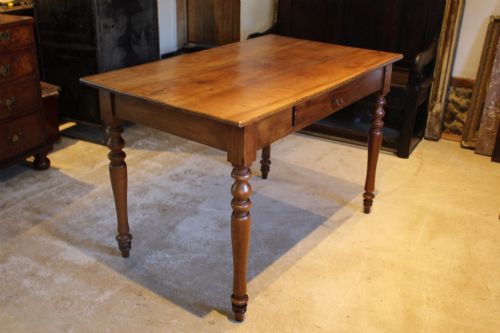
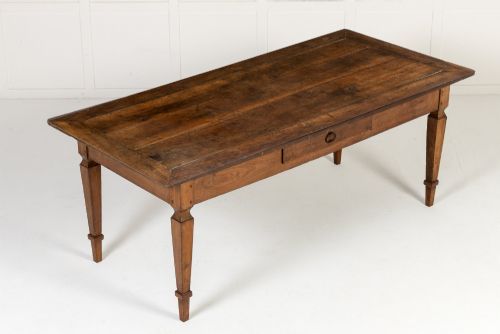
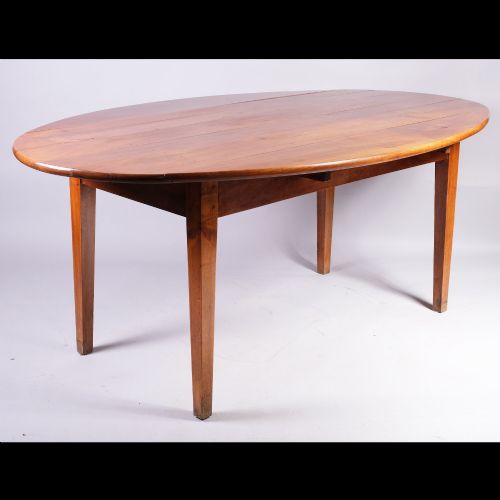
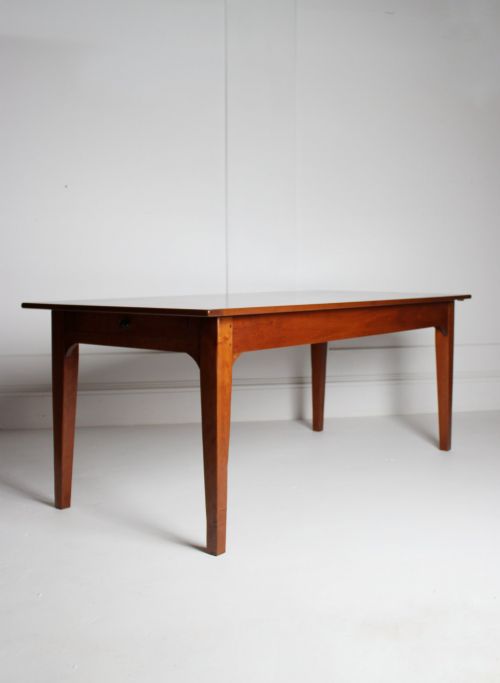
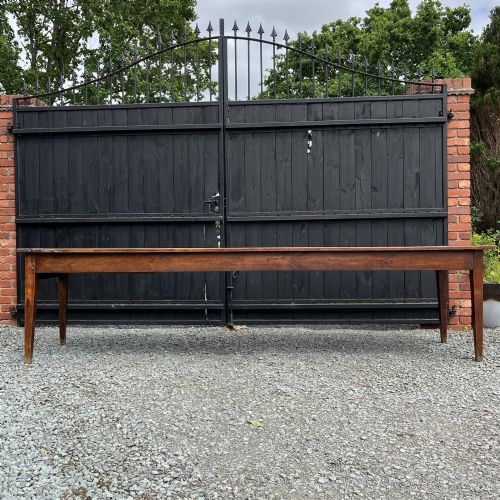
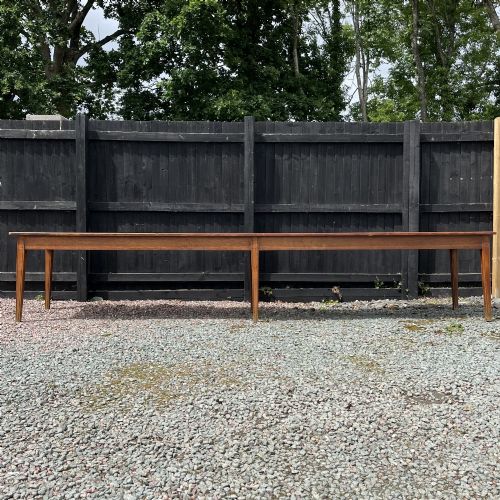
When searching for a rustic cherrywood table, a buyer encounters a range of sturdy wooden forms rooted in French country traditions. The selection spans long farmhouse dining tables, smaller kitchen tables, and occasional forms such as coffee tables, console tables, and benches.
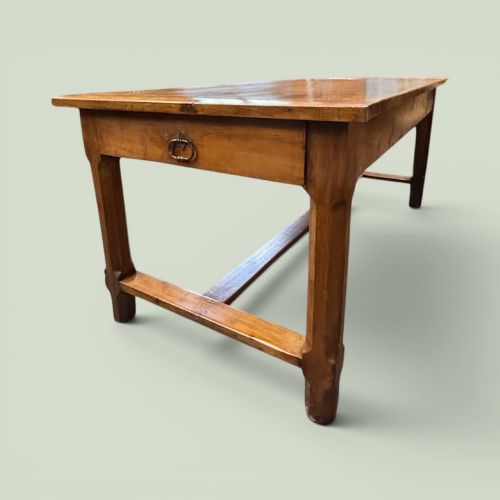
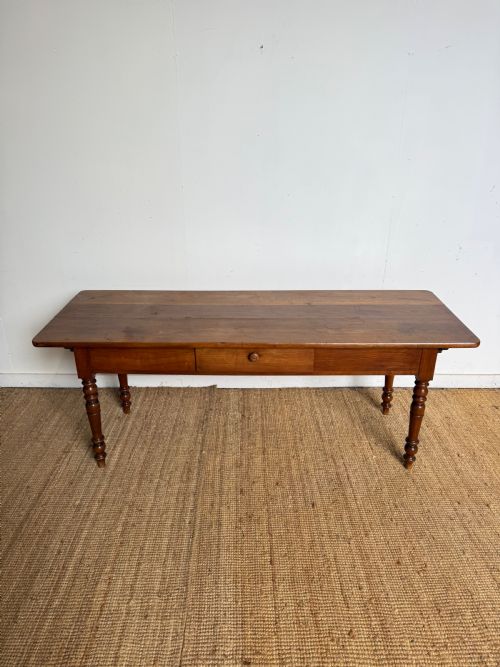
Most examples originate from the nineteenth century, including specific dates around eighteen-eighty and nineteen-hundred, alongside earlier eighteenth-century specimens. Dining and refectory formats predominate, frequently featuring practical additions like drawers or sliding bread boards.
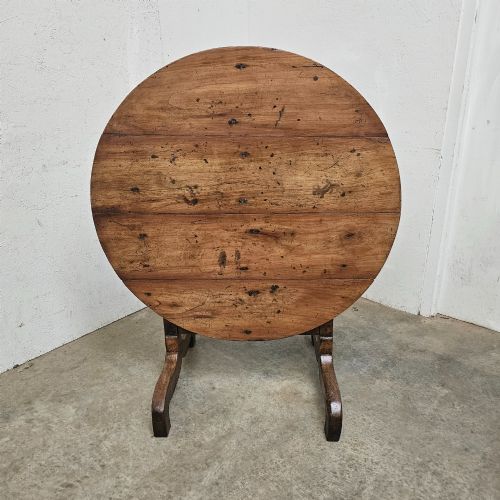
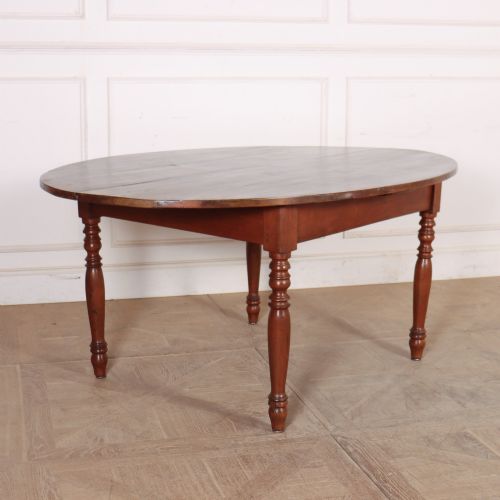
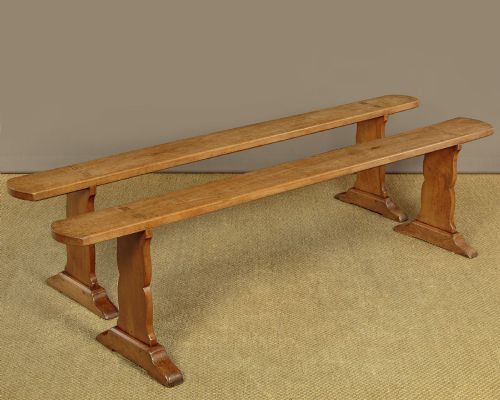
Regional variations appear across the inventory, including pieces associated with Bresse and folding vendange designs that combine cherry with oak. Benches are also found matching the tables, completing traditional seating arrangements.
How they were made
Construction relies primarily on solid cherrywood, fruitwood, and timber, complemented on occasion by oak used alongside the main cherry structure. Metal and brass elements appear in functional mechanisms such as drop leaves, folding frames, and double-extending systems.
Joinery and structural details vary by form, encompassing simple tapered legs, cabriole legs on specific nineteenth-century iterations, and robust refectory bases. Surfaces demonstrate the natural grain of faded or polished cherry accumulated through decades of domestic use.
Several tables come with a hidden sliding bread board, proving that eighteenth-century French bakers knew the value of extra kitchen counter space.
What varies in quality
The integrity of the original fruitwood surface and the refinement of leg work, such as shaped cabriole supports versus plain farmhouse stretchers, set individual examples apart. Scale also dictates utility, with matched pairs of benches offering distinct furnishing possibilities.
The Rustic Cherrywood Table Glossary
- Cherrywood
- A dense fruitwood prized for its warm reddish-brown tone and smooth grain, used extensively in French provincial cabinet-making. It develops a deep patina over time.
- Refectory table
- A long, narrow dining table traditionally built for communal dining halls, characterised by sturdy stretcher bases supporting a solid timber top.
- Bread board
- A sliding wooden pull-out board traditionally positioned beneath the table top for food preparation. It extends the functional surface area of the kitchen table.
- Vendange table
- A harvesting table designed with a folding frame for ease of storage during grape harvest seasons. It typically combines cherry and oak timbers.
- Cabriole leg
- A furniture leg featuring a double curve, curving outward at the knee and inward at the ankle. This style appears on refined nineteenth-century dining and console tables.
Rustic Cherrywood Table: Frequently Asked Questions
What rooms suit a rustic cherrywood table?
These tables fit naturally into spacious country kitchens, open-plan dining rooms, and period living spaces where the warm timber tone complements stone or brick flooring.
Smaller formats such as coffee tables and console tables integrate easily into hallways and sitting rooms alongside larger dining pieces.
How do I care for antique cherrywood?
Protect the timber surface by using placemats and coasters to prevent moisture rings, and clean regularly with a soft, dry cloth.
Avoid placing the table in direct sunlight or near direct heat sources to prevent the fruitwood from drying out or splitting.
What is a bread slide on these tables?
A bread slide is a pull-out wooden board integrated just beneath the table top, historically used for slicing bread and food preparation.
In modern homes, it provides a convenient extra surface when serving food or gathering around the kitchen table.
How do I identify a French provincial table?
French provincial tables are distinguished by regional timber choices like cherry and fruitwood, paired with simple or cabriole legs and practical drawer additions.
They carry the marks of nineteenth-century or earlier craftsmanship, designed for heavy daily use in French farmhouses and manor houses.