
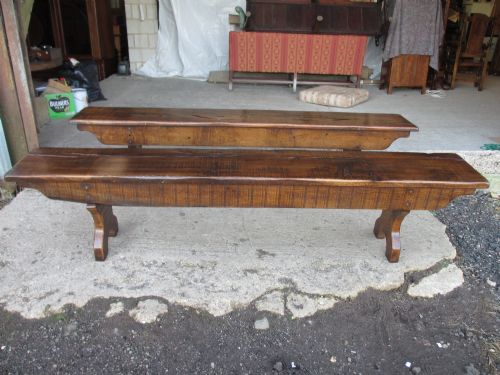
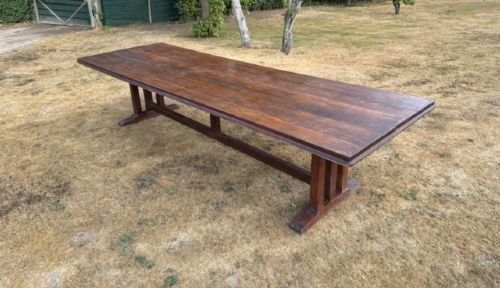
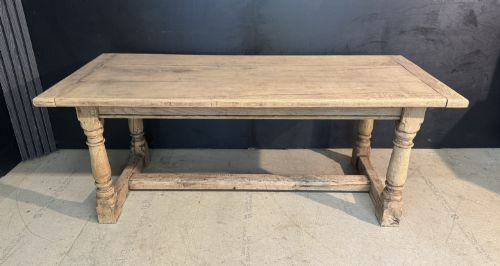
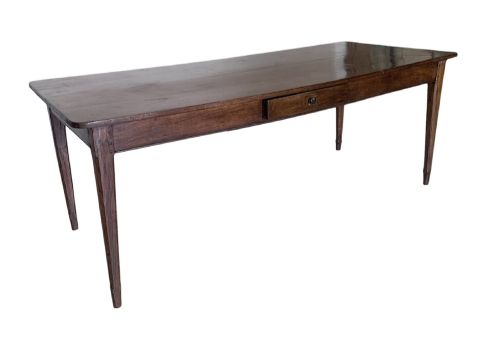
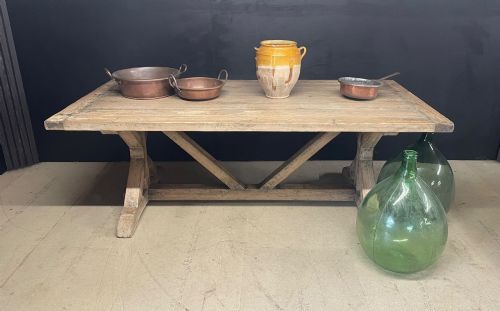
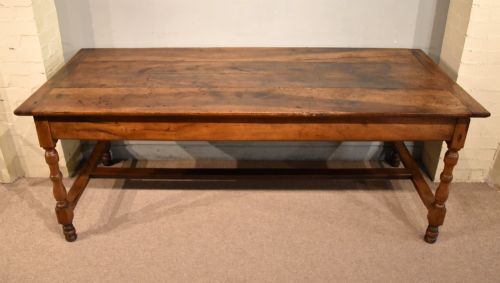
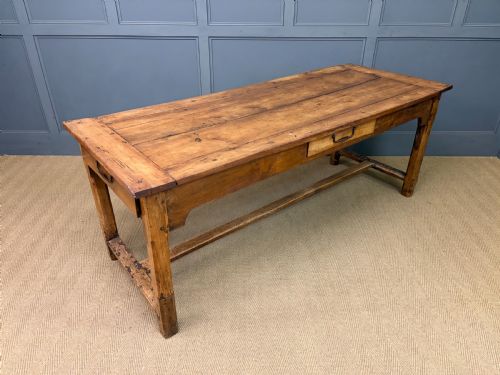
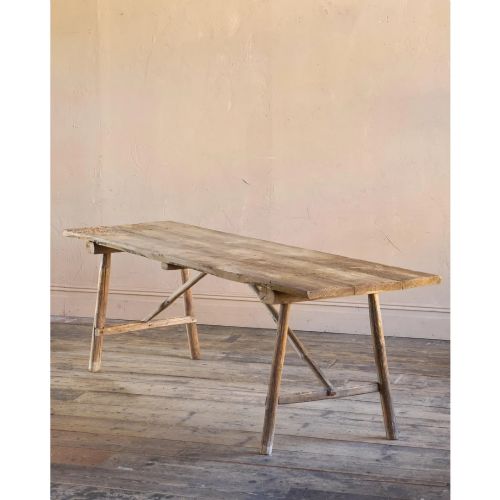
Timber Refectory Table
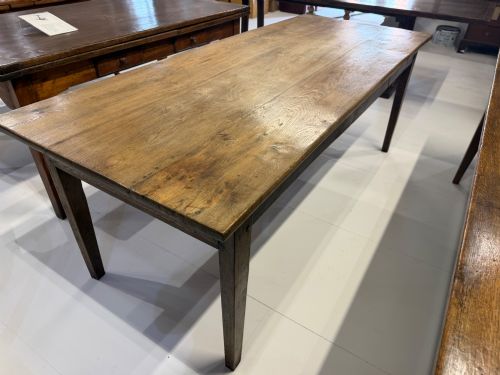
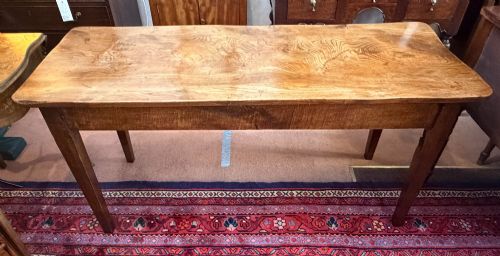
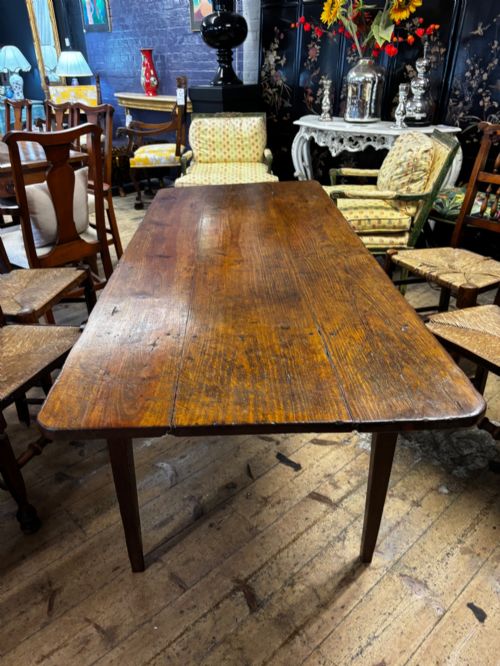
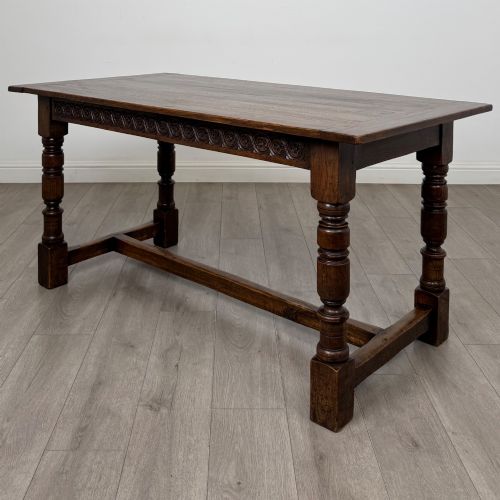
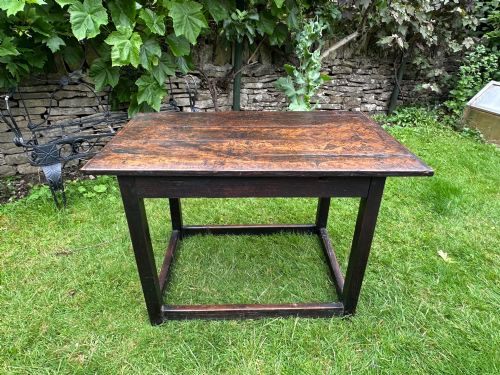
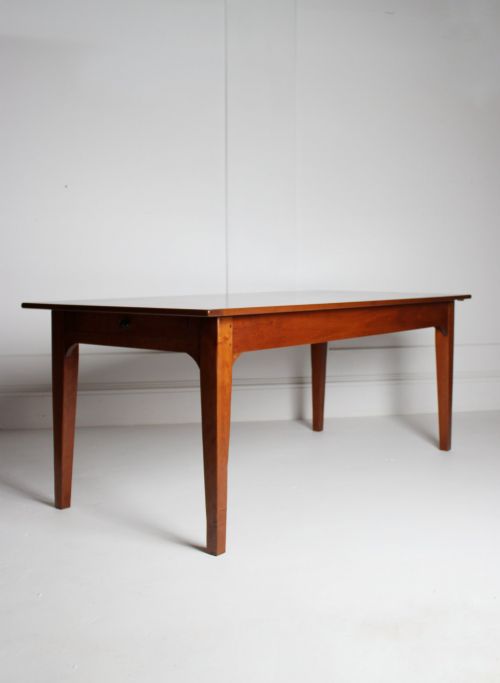
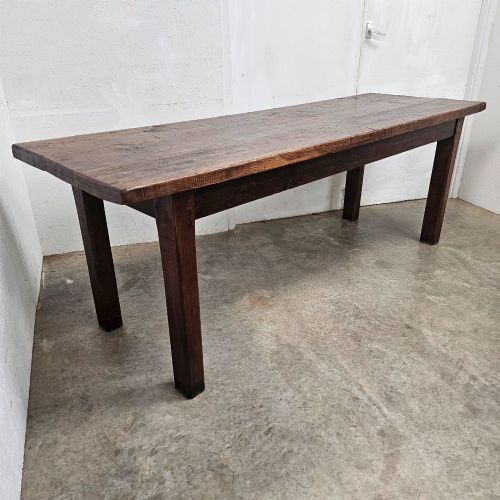
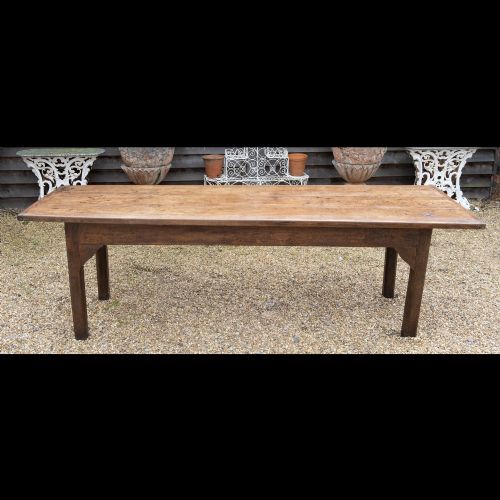
A timber refectory table anchors a room with long boards and sturdy legs, offering the honest utility that buyers seek.
Timber Refectory Table
When you search for a timber refectory table, you encounter substantial dining boards designed to seat many people comfortably. The examples available span centuries of production, appearing in formats ranging from simple kitchen boards to grander dining pieces.
You are most likely to meet pieces originating from the nineteenth century or the Edwardian period, alongside items dated around nineteen twenty. These listings include variants such as French provincial formats, tavern tables, and rustic farmhouse designs.
The materials recorded in these pieces include oak, pine, fruitwood, elm, walnut, and cherrywood. Makers constructed these long tables for communal dining, utilising resilient timbers that endure daily use.
Materials and construction methods
Makers relied heavily on solid hardwoods like oak, walnut, and elm, alongside softer timbers such as pine and fruitwood, for the construction of these long tables. Thick plank tops provide the primary surface, frequently supported by trestle ends, square section supports, or sturdy legs.
Joinery techniques focus on strength and longevity, utilising pegged joints and heavy timber frames to bear the weight of large dining surfaces. Certain examples incorporate functional additions such as single or double drawers and bread slides integrated into the framework.
Listings span from the eighteenth century through the Edwardian era, featuring oak, pine, fruitwood, elm, walnut, and cherrywood.
Distinctions in quality and finish
The character of the wood and the integrity of the original construction separate ordinary tables from finer examples. Grain patterns in oak, walnut, and fruitwood display varying degrees of maturity and depth.
Surface treatments range from heavily scrubbed pine finishes to bleached oak and faded cherry patinas. The balance between the massive plank top and the supporting trestles or legs dictates the overall presence of the piece.
The Timber Refectory Table Glossary
- Refectory table
- A long dining table traditionally used in monastic refectories for communal meals. These pieces feature elongated proportions and robust underframes.
- Plank top
- A table surface constructed from several wide boards laid side by side. This method allows the timber to expand and contract naturally over time.
- Trestle support
- A structural framework consisting of horizontal beams supported by vertical feet or angled legs. This design provides sturdy clearance beneath the dining surface.
- Bread slide
- A pull-out shelf traditionally used for cooling bread or expanding workspace. This feature appears beneath the main surface on specific regional tables.
- Scrubbed finish
- A bleached or repeatedly washed surface treatment applied to pine and fruitwood tables. This process creates a pale, matte appearance free of heavy varnish.
Timber Refectory Table: Frequently Asked Questions
What defines a refectory table?
A refectory table is characterised by its long, narrow proportions designed originally for communal dining halls. These pieces rely on robust wooden frames and thick tops to span significant lengths.
Today, the term applies to heavy dining tables built with similar rectangular proportions and sturdy underframing.
How do I date these tables?
Dating relies upon examining the timber species, tool marks, joinery methods, and the overall style of the legs or trestles. Eighteenth-century pieces often feature pegged plank construction and deep patination.
Nineteenth-century and Edwardian examples introduce variations such as bleached oak, walnut, or pine with simpler turned or square supports.
Can I use one in a modern kitchen?
These tables adapt easily to contemporary spaces due to their honest construction and durable wooden surfaces. Their substantial length provides ample room for family dining or food preparation.
Many examples feature scrubbed pine or bleached oak finishes that brighten modern interiors while retaining historical character.
What woods were commonly used?
Makers utilised whatever strong local timber was available, resulting in tables made from oak, pine, fruitwood, elm, walnut, and cherry. Oak and walnut provided robust framing for formal or larger examples.
Pine and fruitwood appeared frequently in regional farmhouse and kitchen pieces, offering lighter tones and distinctive grain patterns.