

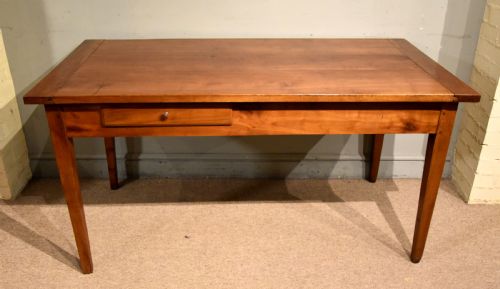


Rustic Cherry Dining Table
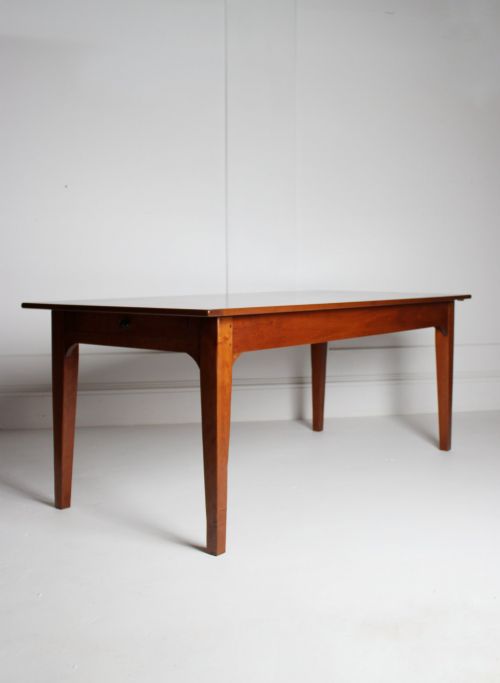
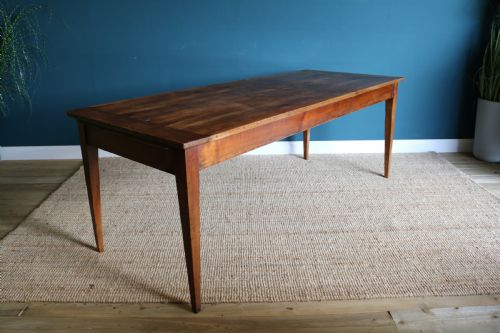
A rustic cherry dining table brings warmth to a room through deep fruitwood grain and honest farmhouse proportions.
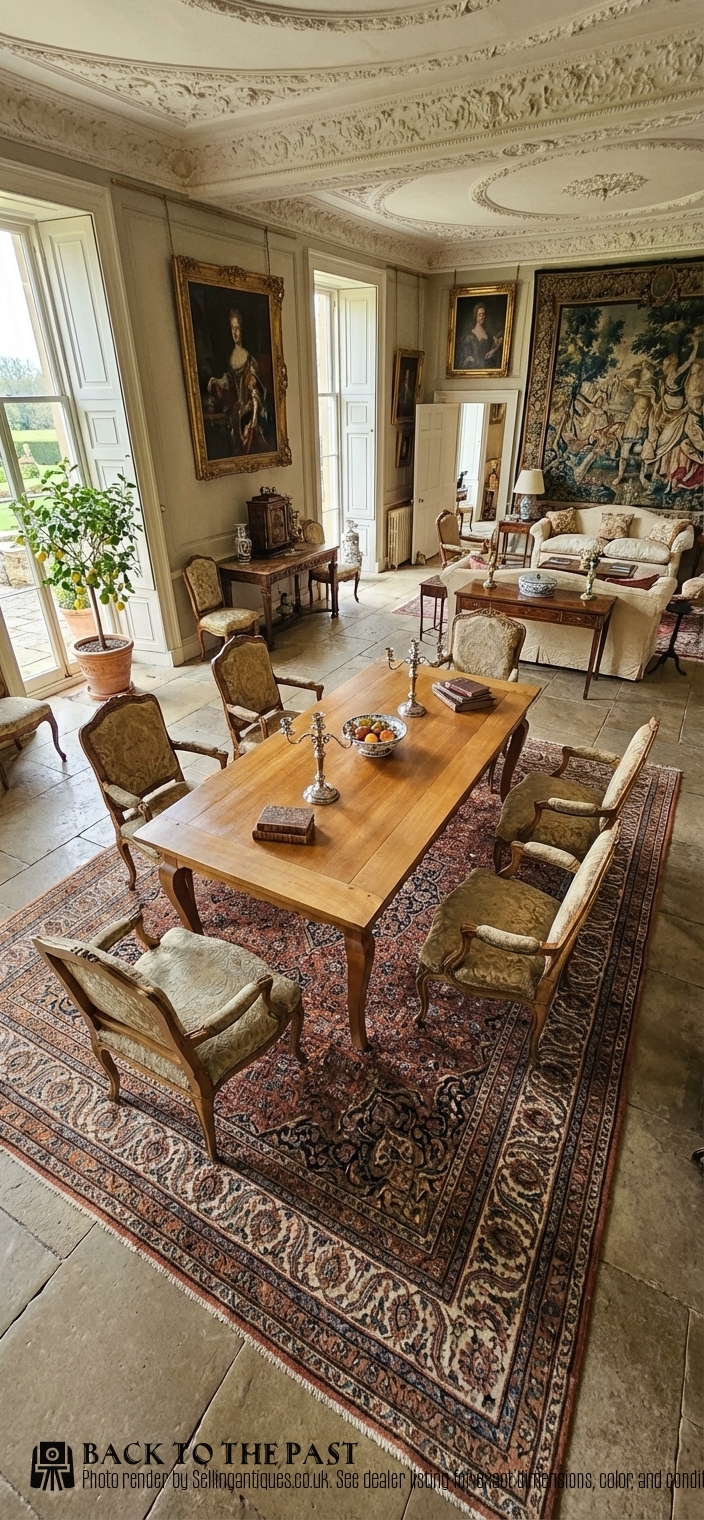
Rustic Cherry Dining Table
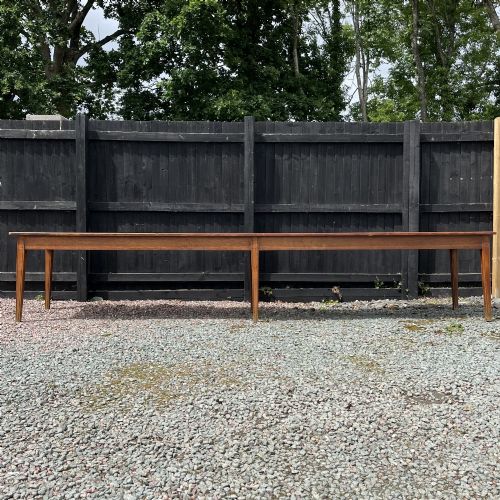
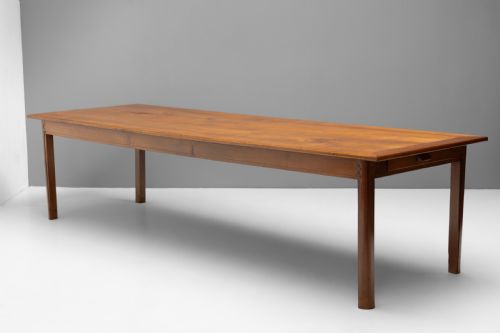
A rustic cherry dining table stands as the working heart of the country interior, built to handle daily family life. When searching for a rustic cherry dining table, buyers meet heavy refectory forms, French farmhouse designs, and large kitchen tables created to seat many people comfortably.
The timber itself defines the character of each piece, showing warm tones of cherrywood, cherry, and fruitwood, sometimes paired with oak. These sturdy boards develop a deep patina through generations of use, ranging from faded honey colours to richer red hues.
How they were made
Traditional joinery relies on solid timber construction, utilising thick cherry wood planks for tops and sturdy frames beneath. Carpenters shaped these tables by hand, employing pegged mortise and tenon joints to ensure long-term stability during heavy daily use.
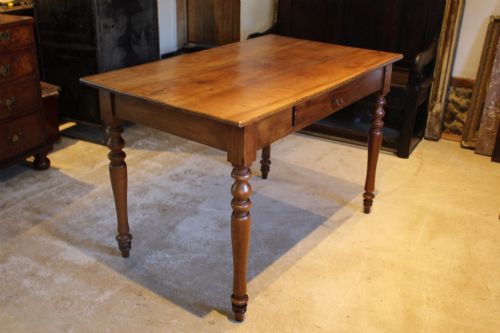
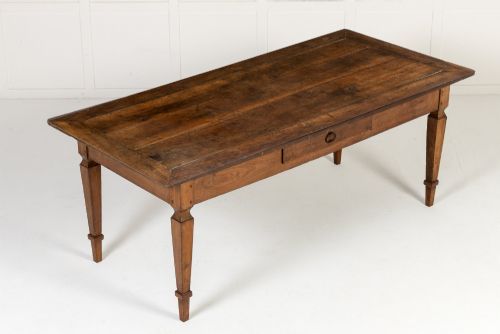
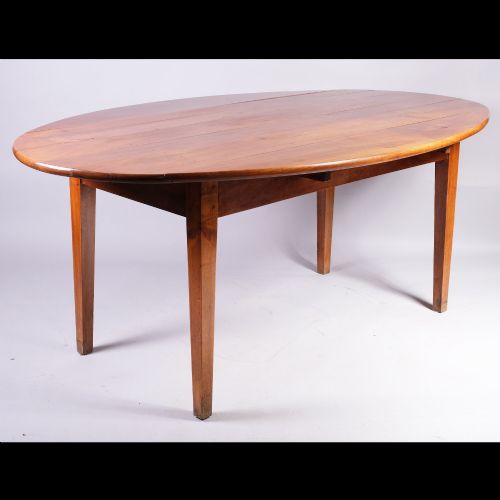
Many provincial tables feature sculpted cabriole legs or straightforward square legs, depending on the specific regional workshop and period. Additional functional elements like integrated drawers and bread slides demonstrate practical woodworking designed for busy kitchens and manor houses.
Listings feature cherry, fruitwood, and oak across nineteenth-century French provincial and Edwardian dining tables.
What varies in quality
The distinction between standard and superior pieces rests in the thickness of the top planks and the integrity of the original timber. Tables fashioned from single, wide cherry boards with minimal warping demonstrate better proportion and superior original selection.
Hardware details and the smoothness of mechanisms, such as extending bread slides or folding frames, separate everyday utility pieces from finer manor house examples. The depth of the natural patina accumulated across the cherrywood surface also shapes the visual appeal of the finished table.
The Rustic Cherry Dining Table Glossary
- Bread board
- A pull-out wooden board integrated beneath the tabletop, historically used for slicing bread or expanding the surface area. It slides smoothly on wooden runners.
- Cabriole leg
- A furniture leg that curves outward in a convex arc and tapers inward in a concave arc, mimicking an animal shape. This style appears frequently on provincial French tables.
- Vendange table
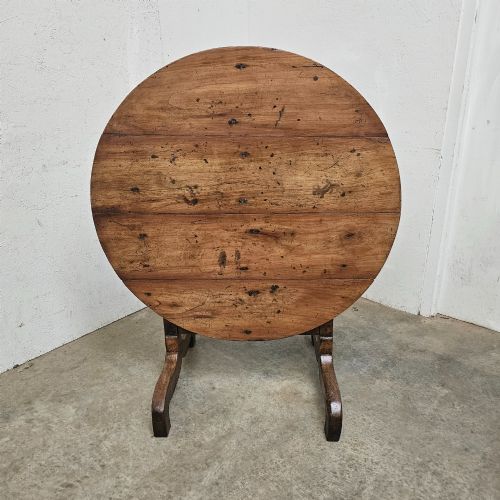
- A folding table designed for the grape harvest in France, built to be portable and easily stored. These versatile pieces often combine cherry wood and oak.
- Refectory table
- A long, narrow dining table traditionally used in communal dining halls. Farmhouse versions bring this generous length into domestic kitchens and dining rooms.
- Fruitwood
- A collective term for timber harvested from fruit-bearing trees, including cherry and apple. This wood takes a warm polish and develops a rich surface character over time.
Rustic Cherry Dining Table: Frequently Asked Questions
How do I clean a cherry wood dining table?
Wipe the surface with a soft, damp cloth to remove everyday dust and debris. Avoid harsh chemical cleaners that can strip the aged finish and natural fruitwood patina.
Dry the timber thoroughly afterwards with a clean linen cloth. Periodic application of natural beeswax helps nourish the wood and maintain its soft sheen.
Can I use a farmhouse table every day?
These tables were originally built for heavy daily labour in kitchens and farmhouses. Their solid construction handles regular family meals and gatherings with ease.
Use coasters and placemats to protect the vintage timber from excessive moisture and heat marks. Embracing minor marks as part of the history of the piece keeps the character intact.
How do I tell an 18th-century table from a 19th-century one?
Eighteenth-century examples often display deeper hand-adzed tool marks on the underside and thicker, more irregular plank widths. The joinery tends to show the distinct signs of early hand-cut pegged construction.
Nineteenth-century pieces frequently introduce mechanical conveniences like sliding bread boards or more uniform sawmill timber preparation. Regional French styles also became slightly more refined during the later Victorian and Edwardian periods.
What is a bread slide on a table?
A bread slide is a pull-out wooden leaf integrated directly beneath the main tabletop. It extends outward to provide extra workspace when preparing meals.
In daily use, it offers a practical surface that tucks away completely when not needed. This feature is particularly common on French provincial and country farmhouse tables.
Why is cherry wood used in French furniture?
Cherry grows abundantly in French provincial regions, making it a natural choice for local cabinetmakers. The timber combines reliable strength with a smooth grain that accepts polishing well.
Over the decades, cherrywood darkens gracefully into a warm, reddish hue. This ageing process gives antique tables their distinctive visual depth and charm.