

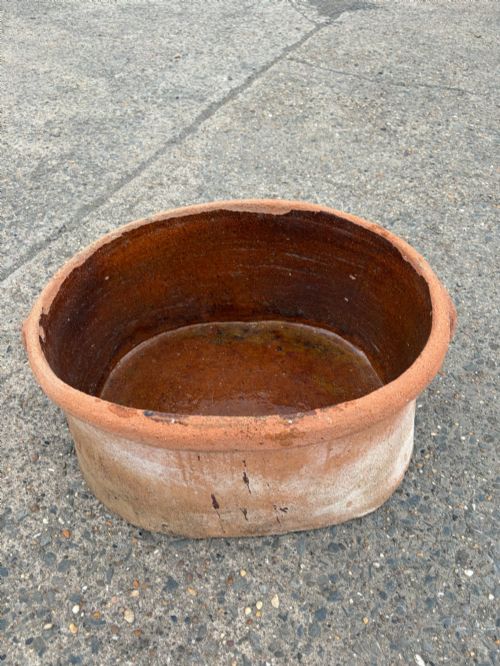


Rustic Ceramic Pot
A rustic ceramic pot brings tactile utility and earthen warmth into interiors, grounding modern spaces with honest, weathered historical character.
Rustic Ceramic Pot
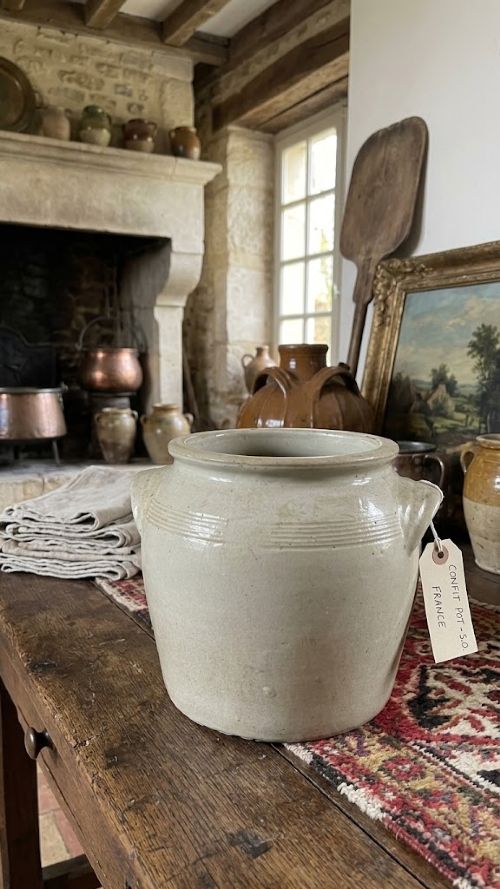
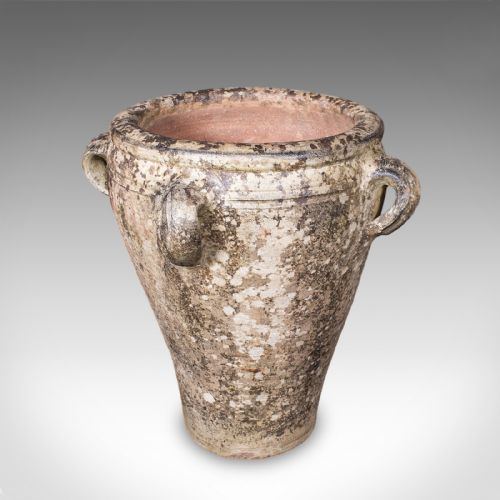
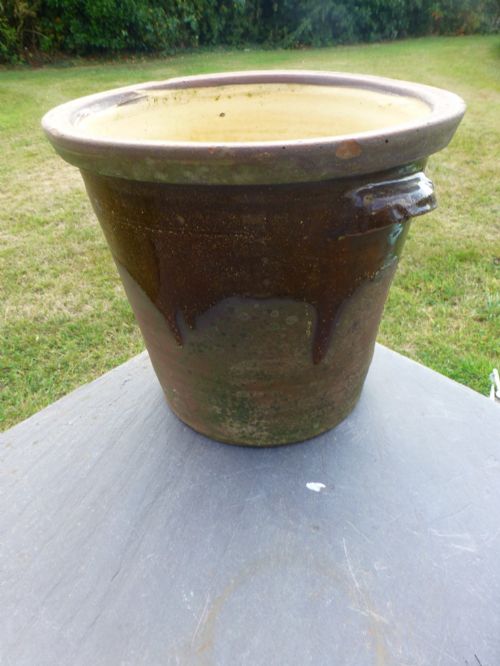
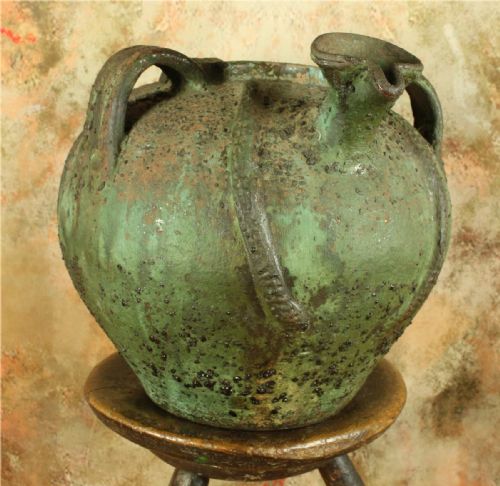
A rustic ceramic pot encompasses functional vessels, oil jars, confit pots, and garden planters shaped for agricultural, storage, and horticultural use. When sorting through this selection, buyers most frequently encounter French confit pots, Italian terracotta planters, and Mediterranean olive jars dating from the eighteenth and nineteenth centuries.
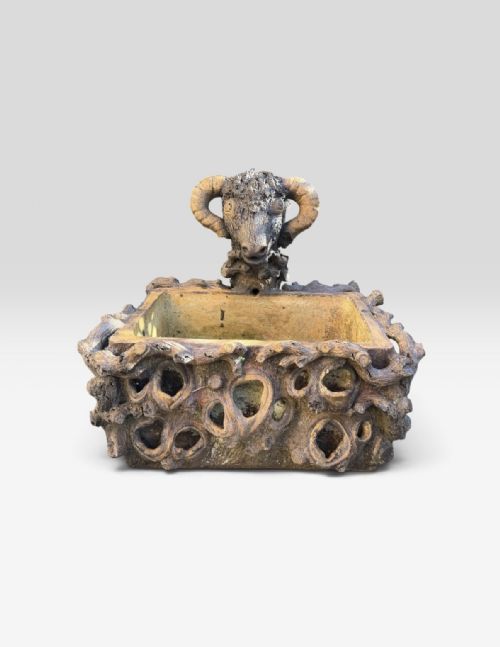
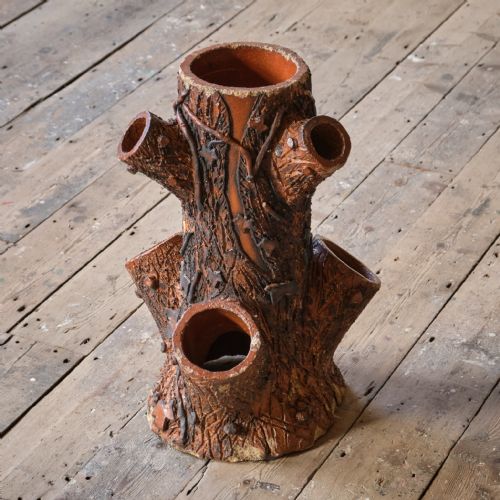
These utility wares range from humble salt-glazed stoneware troughs and dairy salting crocks to large glazed terracotta amphorae and faux bois planters. Originating across France, Italy, Turkey, and Portugal, these pieces served practical agrarian purposes before finding new life as decorative focal points in homes and gardens.
Materials and construction
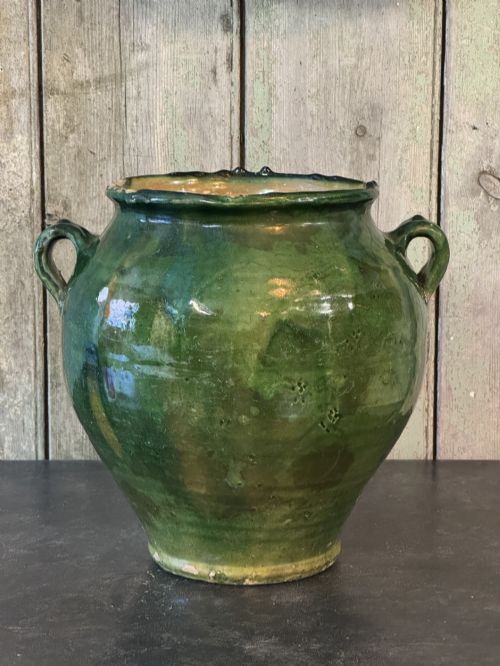
Potters shaped these vessels from local clay, terracotta, and earthenware, often applying glazes to achieve impermeability for oils, preserves, and water. Salt-glazed stoneware varieties underwent high-temperature firing where salt thrown into the kiln imparted a characteristic textured skin.
Makers constructed utilitarian forms by hand or on the wheel, leaving subtle throwing marks, drips in the glaze, and surface imperfections that record the manual labour of past centuries.
Rustic Ceramic Pot Retail Price Guide 2026
Typical asking prices for rustic ceramic pot among the pieces listed under this phrase on Sellingantiques today, from the lower quarter to the upper quarter. They describe what is for sale here now, not the wider market.
Listings feature eighteenth- and nineteenth-century earthenware, terracotta, and salt-glazed stoneware from France, Italy, Portugal, and Turkey.
Assessing quality and character
Quality rests in the honesty of the weathering, the integrity of the original form, and the depth of the glaze or patina accumulated through decades of use. Pieces displaying untouched surfaces, balanced proportions, and clear regional characteristics hold greater visual presence.
The distinction between standard utility wares and exceptional survivals lies in the harmony between material ageing and structural survival, where chips and mineral encrustations enhance rather than diminish the object.
The Rustic Ceramic Pot Glossary
- Confit pot
- A French earthenware vessel traditionally used for cooking and preserving meats, typically featuring a glazed upper portion and an unglazed lower body.
- Terracotta
- Fired unglazed clay ranging in colour from pale buff to deep reddish-brown, widely utilised for garden planters, amphorae, and Mediterranean oil jars.
- Salt-glazed stoneware
- Pottery fired at high temperatures with salt introduced to the kiln, creating a dense, durable body with a pebbled, orange-peel surface texture.
- Faux bois
- A nineteenth-century decorative style mimicking wood grain, applied here to terracotta strawberry planters and garden ornaments.
- Amphora
- A two-handled jar with a narrow neck used in antiquity and later revived for storing oil, wine, or water across the Mediterranean.
Rustic Ceramic Pot: Frequently Asked Questions
What were rustic ceramic pots used for?
These vessels fulfilled practical roles in agrarian households, serving as containers for olive oil, walnut oil, confit meat, and water. Others functioned in dairies and farmyards as salting crocks or agricultural planters.
Over time, their robust utility transitioned into decorative use, bringing organic form and historical texture to interior rooms and garden spaces.
How do I date a nineteenth-century pot?
Dating relies on examining the potting technique, clay body composition, glaze characteristics, and regional form conventions. Eighteenth- and nineteenth-century pieces often display hand-thrown irregularities and distinct glaze runs absent in later reproductions.
Wear patterns, surface patination, and tool marks further corroborate the age and geographic origin of each specific vessel.
Can these pots stay outdoors in winter?
Many terracotta and earthenware pieces are porous and susceptible to frost damage if left damp and exposed to freezing temperatures. Stoneware and denser salt-glazed bodies generally withstand colder conditions more reliably.
Protecting vulnerable items under cover or indoors during freezing months preserves the material integrity and prevents cracking.
How should I clean a weathered pot?
Cleaning requires gentle methods to preserve the accumulated patina, historical surface marks, and aged mineral deposits. Warm water and a soft brush remove loose dust without stripping away character.
Harsh chemical detergents and abrasive scouring pads damage historic glazes and alter the natural weathering accrued over centuries.