




Rustic Carved Wood Box
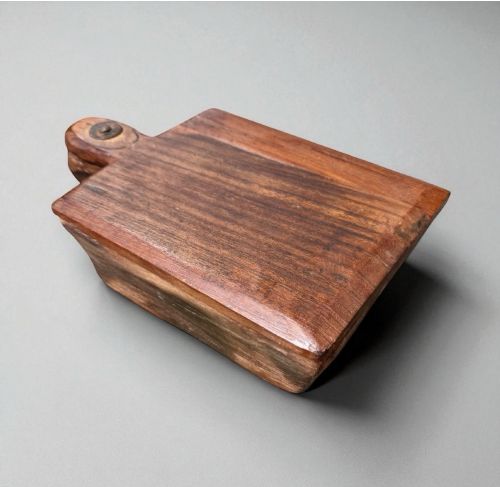
A rustic carved wood box brings tactile warmth and history to a room through dense oak, pine, and walnut shaped by hand.
Rustic Carved Wood Box
Every rustic carved wood box serves a practical purpose for storage while carrying the distinct aesthetic of country workshops across centuries. Buyers searching this phrase encounter substantial storage pieces built for domestic use.
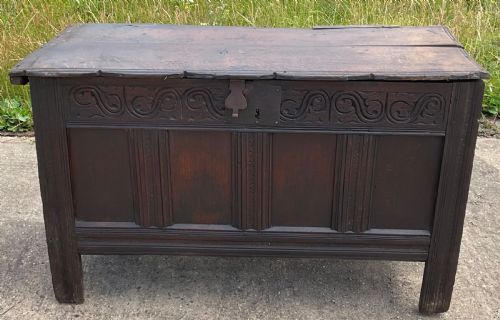
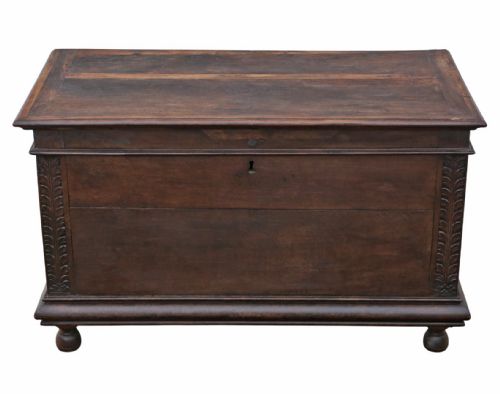
The selections span from large coffers and blanket chests to smaller tabletop boxes, spice powder containers, and cigar humidors. Oak forms the backbone of these pieces, alongside pine, walnut, and chestnut.
Origins stretch across British, European, and global traditions, including French provincial items, Scandinavian country pieces, and Indian marriage chests. Periods range from the seventeenth century through the Georgian and Victorian eras up to the early twentieth century.
Materials and Construction
Makers utilised solid timbers such as oak, pine, walnut, and chestnut, often joining panels with traditional pegged mortise and tenon joints. Heavy iron and brass fittings provide structural reinforcement and closure mechanisms on larger coffers.
Surface decoration relies on chip carving, relief carving, and panel moulding executed by hand with chisels and gouges. Some pieces retain traces of original paint or rich patination developed through decades of handling and wax polish.
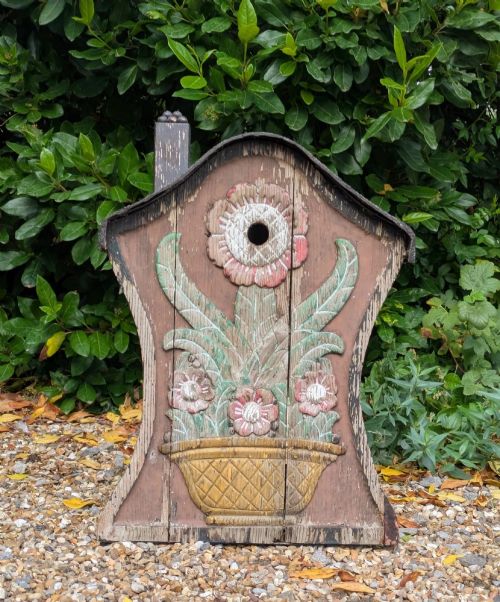
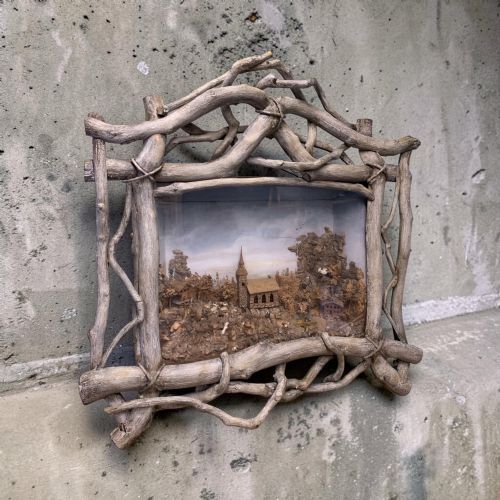
A bird box from Sweden brings unexpected avian architecture into the lineage of country wooden storage.
Assessing Quality
Quality rests in the depth and execution of the hand carving, where crisp lines and confident chip work distinguish skilled regional joinery from basic utility items. The choice of timber also dictates quality, with dense quarter-sawn oak and figured walnut holding greater stability and presence.
Original hardware, hinges, and locks elevate a piece, especially when forged from wrought iron or cast brass specific to the period. Integrity of construction, including minimal timber replacement and undisturbed interior surfaces, marks the superior examples.
The Rustic Carved Wood Box Glossary
- Coffer
- A large wooden chest traditionally used for storing valuables, textiles, or documents. These heavy storage pieces often feature panelled construction and hinged lids.
- Chip carving
- A form of relief carving where small chips of wood are removed from a single surface with knives or chisels to create geometric patterns. This technique appears frequently on folk art boxes and chests.
- Mule chest
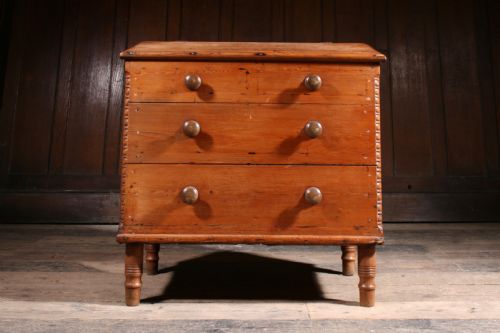
- A storage chest characterised by one or more drawers built into the base beneath the main compartment. This form bridges the evolution between the simple coffer and the modern chest of drawers.
- Panetiere
- A traditional freestanding wooden bread cabinet featuring pierced or spindle-turned panels for ventilation. These French storage pieces keep loaves safe from household pests.
- Humidor
- A specialised box designed to maintain proper humidity levels for storing cigars. Fine examples incorporate intricate hand-carved wooden decoration.
Rustic Carved Wood Box: Frequently Asked Questions
What were rustic wooden boxes used for?
These boxes served essential domestic storage roles, holding anything from valuable linens and documents to dry goods, spices, and clothing. Larger coffers acted as multi-purpose furniture in the home, often doubling as benches or tables.
Smaller boxes catered to specific portable needs, such as candle storage, writing materials, or tobacco preservation. Their sturdy construction ensured contents remained protected from dust and dampness.
How do I date an old carved box?
Dating relies on examining the construction methods, tool marks, timber species, and stylistic vocabulary used in the carving. Hand-swn boards, pegged joints, and blacksmith-made iron hinges point towards earlier centuries like the seventeenth and eighteenth.
Changes in decorative motifs, such as Jacobean geometric panels shifting to Victorian Gothic or Edwardian refinement, help narrow the timeline. Comparing the patination and wear patterns across the timber confirms age.
How do I integrate a rustic box into a modern interior?
A rustic carved wood box provides practical storage while adding textural contrast to contemporary spaces as a coffee table centerpiece or hallway catch-all. Large blanket chests function well at the foot of a bed or beneath a window.
Smaller caskets and spice boxes sit comfortably on sideboards, bookshelves, or desks. The aged timber grain and hand-carved surfaces soften minimal decor with organic warmth.
Are regional styles easy to identify?
Regional origins often declare themselves through distinctive timber choices, carving motifs, and hardware traditions unique to local workshops. For example, Spanish walnut boxes carry different carving rhythms compared to Scandinavian folk art pieces or English oak coffers.
Continental chestnut chests and Anglo-Indian iron-bound boxes display specific construction signatures tied to their geographic origins. These variations make regional attribution a key part of collecting.