



Rustic Carved Stick Holder
These rustic carved stick holder pieces bring organic form and functional timber into an entranceway.
Rustic Carved Stick Holder
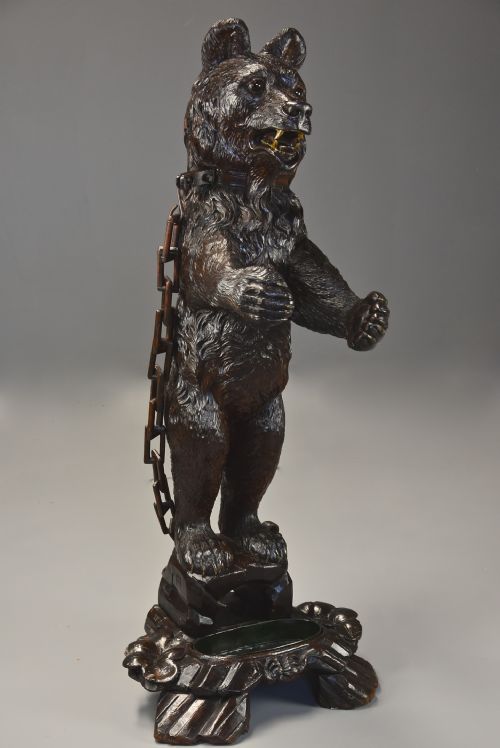
A rustic carved stick holder is primarily found as a hall stand, umbrella stand, or tree trunk vessel designed to hold walking sticks and umbrellas. The selections here heavily feature Black Forest bear motifs from the nineteenth century, alongside oak and lindenwood examples.
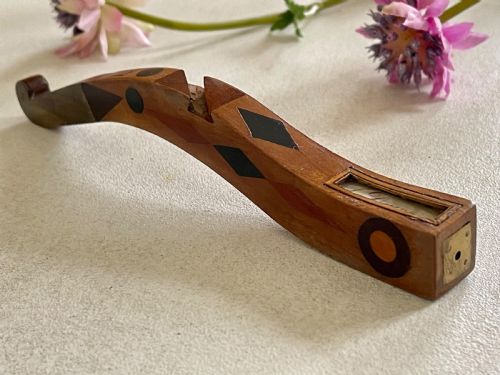
Beyond standard stick stands, the items span related hall furniture and treen objects, capturing both Black Forest and Gothic Revival aesthetics. Buyers encounter coopered barrels and carved wood forms intended for practical hallway use.
The origin periods cluster around the nineteenth century, specifically Victorian eras up to nineteen-twenty. These pieces blend utilitarian hallway storage with heavy figurative woodcarving.
Materials and carving techniques
Makers utilised solid timbers such as oak, lindenwood, and general carved wood, shaping structural forms with manual tools. Iron and brass elements frequently appear as internal drip trays or structural supports within the timber bodies.
Carvers employed deep relief and sculptural carving techniques to render animal figures, notably bears, directly into the wood. Coopered construction methods also appear in barrel-style vessels, binding vertical wood staves with metal bands.
Rustic Carved Stick Holder Retail Price Guide 2026
Typical asking prices for rustic carved stick holder among the pieces listed under this phrase on Sellingantiques today, from the lower quarter to the upper quarter. They describe what is for sale here now, not the wider market.
Several pieces feature carved bears holding card trays, ready to greet visitors at the front door.
Evaluating craftsmanship and proportion
Quality rests in the anatomical precision and depth of the wood carving, particularly visible in the rendering of Black Forest animal figures. Finer examples display intricate texturing in the fur and balanced proportions across the entire hall stand structure.
The selection of timber grain and the integrity of the joinery distinguish superior pieces from simpler utilitarian items. Original metal fittings, such as brass drip pans, also contribute to the completeness of an individual holder.
The Rustic Carved Stick Holder Glossary
- Black Forest
- A style of wood carving originating from the European mountain region, famous for realistic animal sculptures and rustic hall furniture. These items usually depict bears holding trays or standing upright as supports.
- Treen
- Small handmade wooden household objects and treen items produced before the twentieth century. This encompasses utilitarian and decorative turned or carved wooden pieces.
- Coopered
- A method of construction where curved wooden staves are joined side by side with metal hoops, typical of barrel-making. This technique creates hollow cylindrical vessels suitable for holding wet umbrellas.
- Gothic Revival
- An architectural and decorative style that revives medieval Gothic forms, marked by pointed arches and heavy timber detailing. Pieces from this movement often display dark oak construction and austere vertical lines.
Rustic Carved Stick Holder: Frequently Asked Questions
What is a rustic carved stick holder?
A rustic carved stick holder is a hallway furnishing made from timber, designed to store walking sticks and umbrellas.
Many surviving examples from the nineteenth century incorporate figurative woodcarvings, such as Black Forest bears or coopered barrel designs.
How do I date a stick holder?
Dating relies on examining the timber species, tool marks, and stylistic indicators such as Victorian Gothic Revival or Black Forest motifs.
Nineteenth-century pieces often display hand-carved details and original brass or iron hardware.
Where were these pieces used?
These holders were placed in the entrance halls or vestibules of period homes to manage wet umbrellas and walking sticks.
Larger versions double as hall stands incorporating hooks for hats and coats alongside the stick wells.
How do I care for antique wood?
Antique carved wood requires stable indoor humidity away from direct heat sources to prevent the timber from splitting.
Occasional application of appropriate wax polish helps maintain the finish without building up heavy residue.