




Rustic Carved Frame Mirror
These rustic carved frame mirror pieces bring tactile, textured timber and aged glass to a room, offering both everyday utility and distinct historic character.
Rustic Carved Frame Mirror
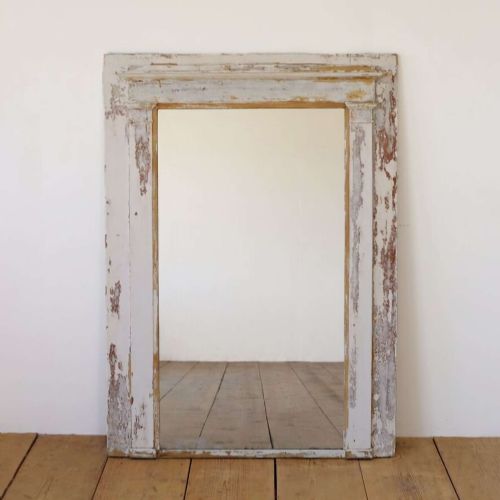
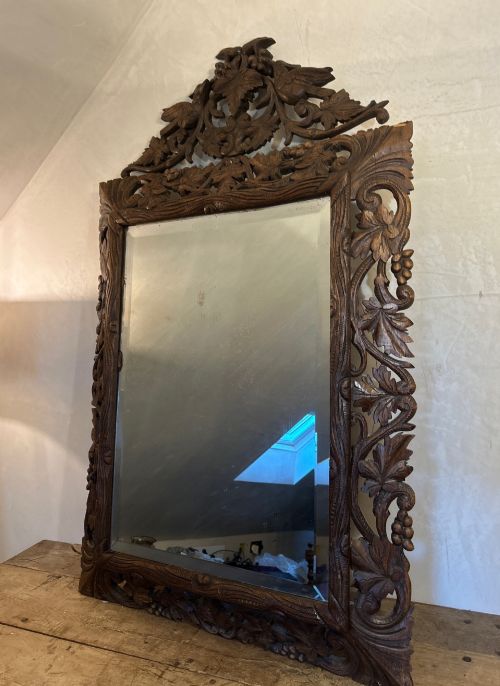
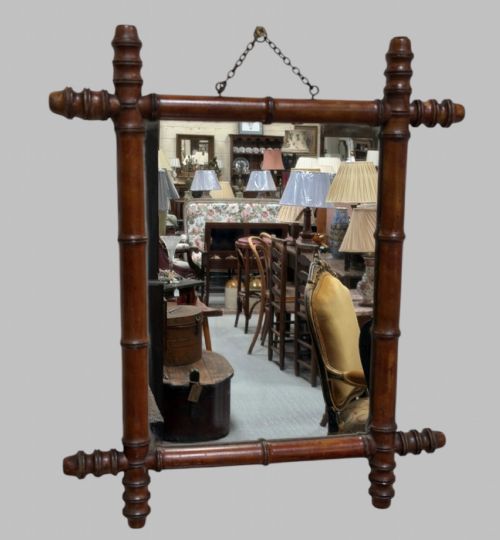
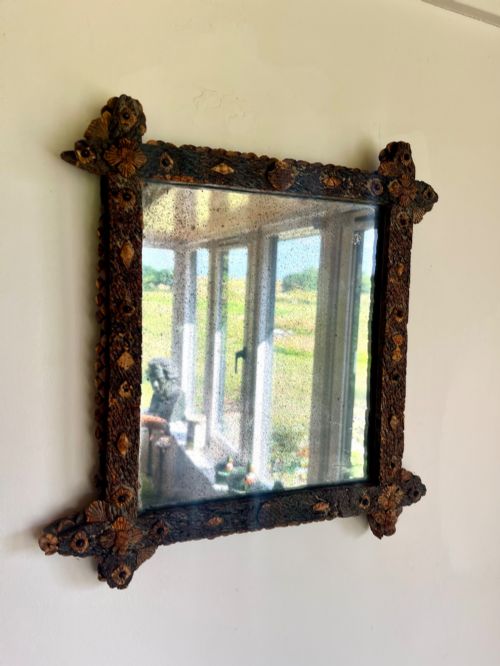
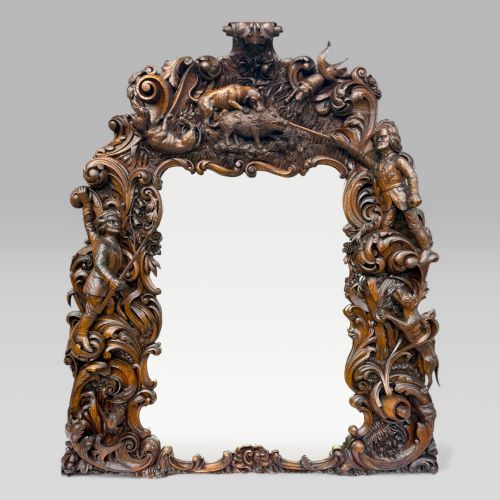
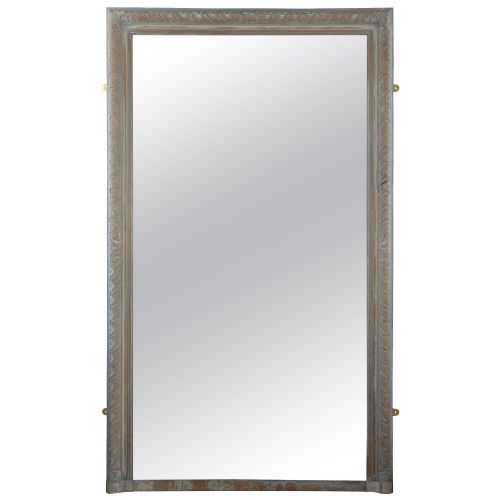
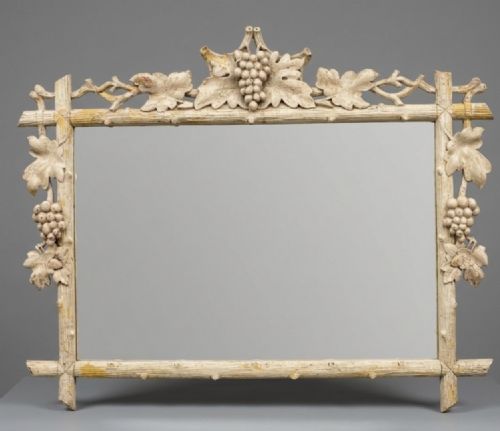
A rustic carved frame mirror unites practical reflective glass with heavily worked wooden surrounds shaped by hand. These pieces appear across several distinct iterations, from Black Forest carvings and faux bamboo to scrubbed oak and tramp art.
The versions most commonly found here date from the nineteenth century into the Edwardian period, often reflecting regional European styles like French Provincial or English Country. They function primarily as wall mirrors or larger overmantel pieces designed to anchor a room.
Buyers seek these items for their visible grain, idiosyncratic tool marks and the authentic patina accumulated over generations of use. Each frame tells a story of vernacular craftsmanship far removed from mass production.
How they were made
Makers shaped these frames from solid timbers such as oak, pine and wood, utilising hand chisels and gouges to carve deep relief patterns directly into the material. Fret cutting and turned elements like faux bamboo appear alongside applied gesso and paint.
Surfaces often received layers of paint, whitewash or giltwood to accentuate the carved details and protect the wood beneath. Joinery relies on traditional pegged or rebated construction suited to heavy timber frames holding substantial glass plates.
Rustic Carved Frame Mirror Retail Price Guide 2026
Typical asking prices for rustic carved frame mirror among the pieces listed under this phrase on Sellingantiques today, from the lower quarter to the upper quarter. They describe what is for sale here now, not the wider market.
Materials span oak, pine, glass, paint, gesso and giltwood across nineteenth-century and Edwardian periods.
What varies in quality
Quality rests principally in the depth and ambition of the carving, distinguishing deeply undercut foliage or figurative work from simpler chip carving. The choice of primary wood also dictates standard, with dense European oak commanding attention over softer pine.
The integration of the original mirror glass matters significantly, particularly where bevelled edges or period foxing confirm age and authenticity. Proportion and the integrity of the original surface finish separate standard utility pieces from exceptional vernacular examples.
The Rustic Carved Frame Mirror Glossary
- Black Forest
- A style of carving originating in central Europe, characterised by deeply naturalistic foliage, animals and rustic motifs. Pieces from this tradition often display elaborate, high-relief wooden sculpture.
- Fret cut
- A technique where timber is pierced and shaped with a fretsaw to create intricate openwork patterns in the frame. This method lightened the visual weight of heavier wooden surrounds.
- Gesso
- A plaster-like mixture applied to wooden frames as a smooth base for subsequent painting or gilding. It allows for crisp moulding details that complement carved wooden elements.
- Overmantel mirror
- A large horizontal mirror designed specifically to be hung above a fireplace mantelpiece. These substantial items frequently incorporate arched tops and heavy oak or painted frames.
- Tramp art
- A form of folk art where small pieces of salvaged wood are notched, layered and glued into geometric relief patterns. Cork tramp art frames showcase unusual textural depth through humble materials.
Rustic Carved Frame Mirror: Frequently Asked Questions
How do I hang a heavy oak mirror?
These heavy wooden frames require robust fixings secured directly into wall studs or masonry rather than standard plasterboard hooks.
Using a heavy-duty mirror plate or a French cleat system ensures the weight is distributed safely across the structure of the wall.
Are the mirror plates original?
Many nineteenth-century examples retain their original glass, which often exhibits characteristic foxing, minor speckling and subtle imperfections.
Replacement glass does occur, so examining the silvering behind the plate helps determine whether the glass matches the age of the carved frame.
How do I clean an antique carved frame?
Dust accumulated within deep carved recesses is best managed using a soft-bristle artist brush rather than a cloth that might snag on the wood.
Harsh chemical cleaners should be avoided entirely, using instead a slightly damp microfibre cloth only where the wood or painted surface is sealed.
What distinguishes French Provincial mirrors?
French Provincial pieces typically display softer, more fluid carved motifs such as scrolling foliage and restrained Louis Philippe arched tops.
They often feature painted or gessoed surfaces rather than the dark, unpainted oak favoured in heavier English country or German rustic styles.