



Ruby Glass Vanity Bottle
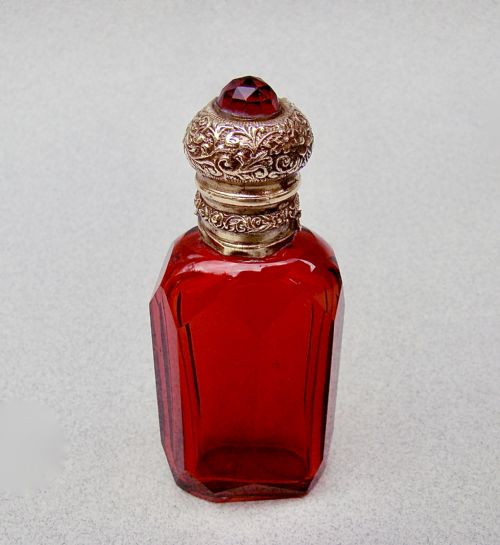
A ruby glass vanity bottle brings deep crimson tones and polished silver to a dressing table, offering a functional piece of Victorian or Edwardian history.
Ruby Glass Vanity Bottle
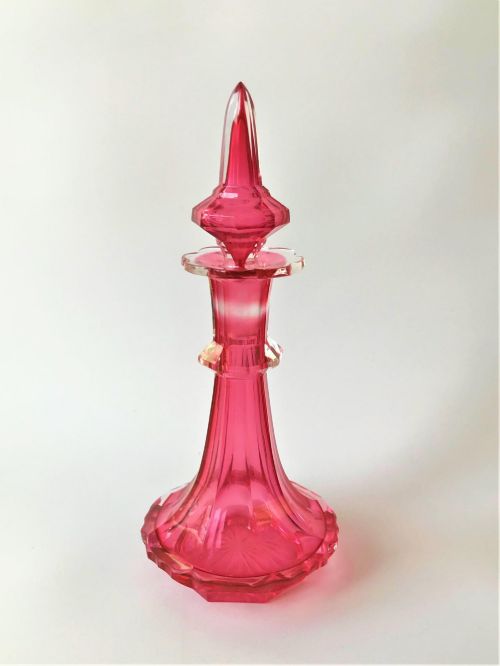
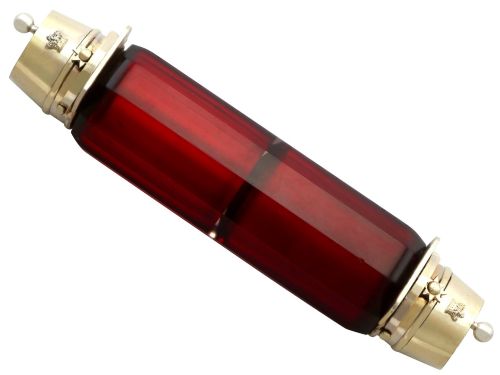
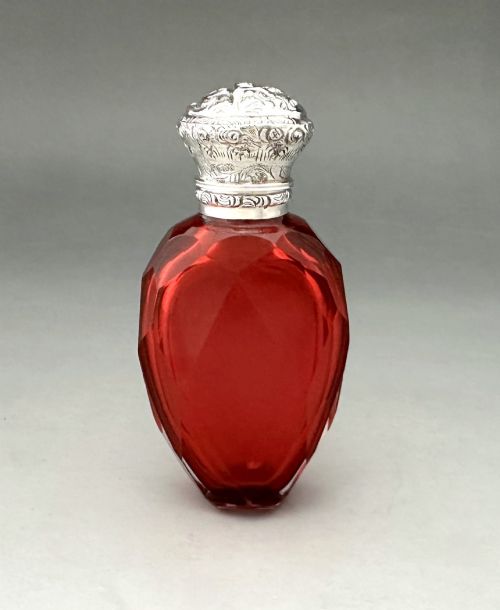
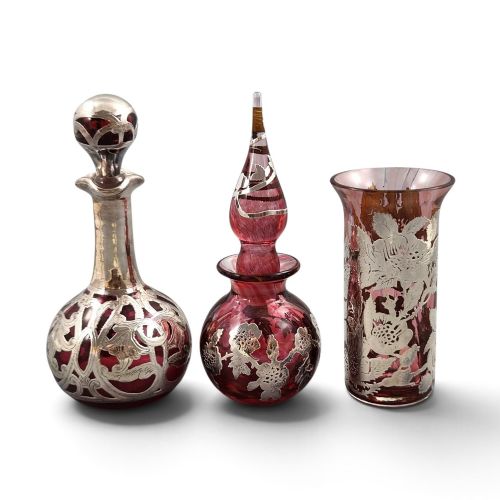
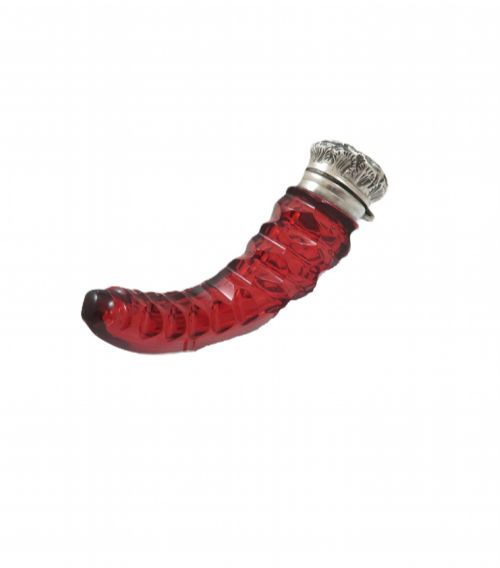
A ruby glass vanity bottle is typically encountered as a scent or perfume bottle dating from the Victorian and Edwardian eras. These pieces often feature glass in shades of ruby or cranberry, frequently paired with silver or sterling silver mounts.
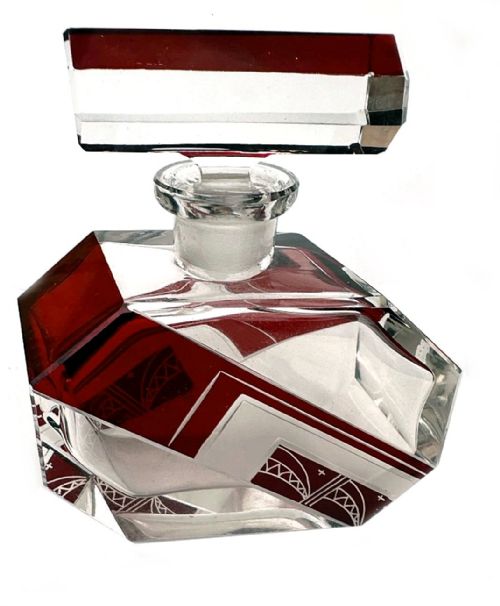
The selection ranges from small pocket scent bottles to larger dressing table pieces. Examples span from the nineteenth century into the Art Deco period of nineteen thirty.
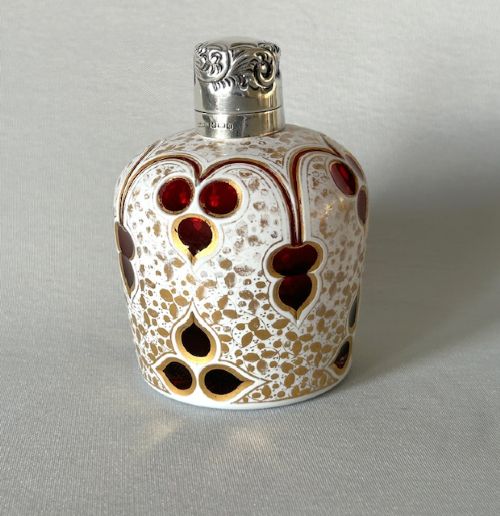
Makers and origins vary, with items originating from French workshops, Bohemian glasshouses, and English makers such as Harold Bushell and Co. Pieces can include overlay techniques or gilt decoration alongside cut glass and crystal.
Materials and construction
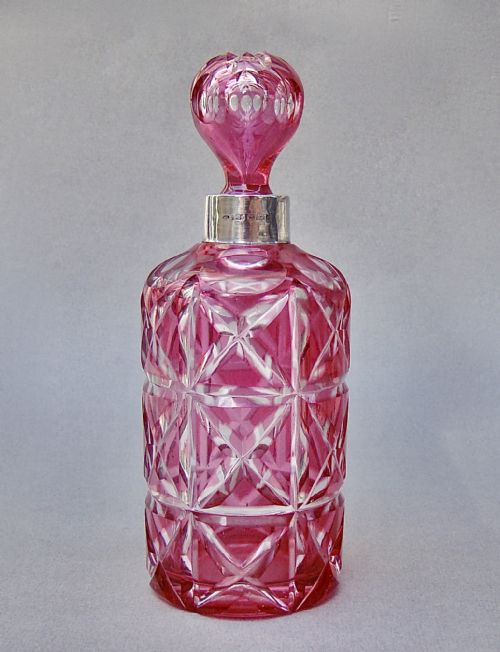
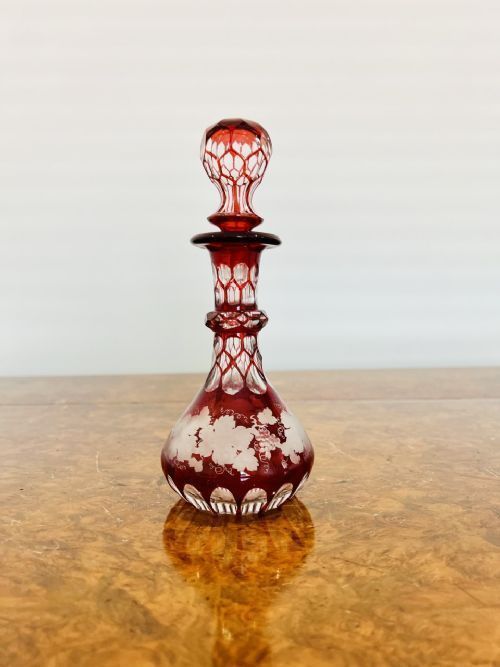
Makers utilised ruby glass and cranberry glass, frequently shaping them through glass-blowing and overlay techniques. Cut glass and crystal provide faceted surfaces that catch the light.
Mounts and embellishments typically involve sterling silver, silver, or ormolu. Enamel and gold leaf appear as supplementary decorative elements on specific vessels.
Ruby Glass Vanity Bottle Retail Price Guide 2026
Typical asking prices for ruby glass vanity bottle among the pieces listed under this phrase on Sellingantiques today, from the lower quarter to the upper quarter. They describe what is for sale here now, not the wider market.
The listings span from Victorian and Edwardian periods into nineteen thirty, incorporating materials such as sterling silver, ormolu, and crystal.
Distinguishing quality in these bottles
Quality rests in the precision of the glass cutting and the richness of the ruby colour. Heavier crystal vessels and crisp facet work indicate superior craftsmanship.
The integration of the metalwork defines the tier of the piece. Substantial silver or ormolu mounts that fit the glass snugly demonstrate higher workshop standards.
Gorham·Laugharne·Harold Bushell and Co·Karl Palda
The Ruby Glass Vanity Bottle Glossary
- Ruby glass
- A deep red coloured glass produced by adding gold or copper compounds to the molten batch. It forms the primary body of many nineteenth-century vanity bottles.
- Cranberry glass
- A transparent pinkish-red glass variant often associated with Victorian tableware and dressing table items. It shares similar production methods with ruby glass.
- Overlay
- A technique where a layer of coloured glass is cased over a clear or contrasting body, then partly cut away to reveal the underlayer. This creates geometric or floral patterns.
- Ormolu
- Gilded bronze or brass used for mounts and decorative fittings on nineteenth-century French vanity pieces. It provides a metallic contrast to the red glass.
- Sterling silver
- An alloy of silver containing ninety-two point five percent pure silver and seven point five percent other metals, commonly used for the hinged caps and collars.
Ruby Glass Vanity Bottle: Frequently Asked Questions
How do I clean a ruby glass vanity bottle?
Wash the glass gently in warm soapy water using a soft cloth, avoiding harsh abrasives that could damage silver or gilt surfaces.
Dry the metal mounts promptly to prevent tarnishing and keep moisture away from any residual cork stoppers inside the collar.
Are these bottles safe for modern perfume?
Most antique bottles retain their original stoppers, but historical stoppers rarely form a modern airtight seal.
Use them primarily for display or fill them for short periods if the stopper fits securely without leaking.
How do I date a Victorian piece?
Examine the silver hallmarks for specific date letters and assay office symbols, which provide a precise year of manufacture.
Consider the overall style, such as heavy cut glass or overlay patterns typical of the nineteenth century.
What is the difference between ruby and cranberry glass?
Ruby glass tends to display a deeper, more saturated crimson tone, whereas cranberry glass exhibits a lighter, pinker red hue.
Both terms appear across Victorian and Edwardian scent bottles depending on the depth of the colour.