


Ruby and Diamond Jewellery
Ruby and diamond jewellery brings together vibrant red stones and crisp white gems in rings, brooches, pendants, and bangles spanning multiple historic periods.
Ruby and Diamond Jewellery
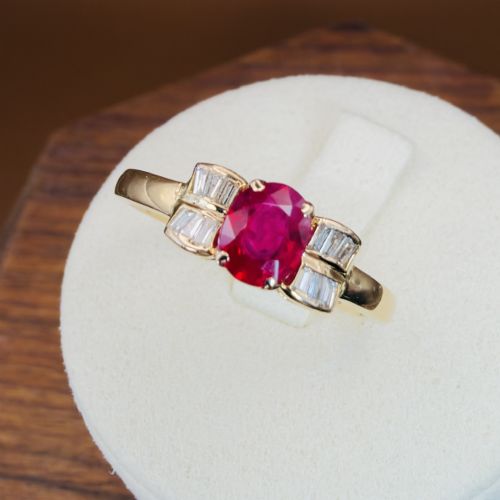
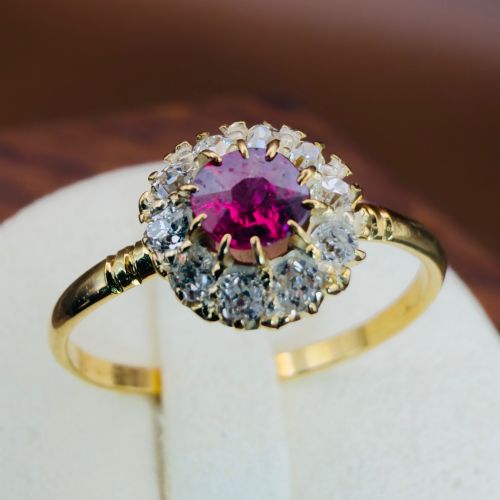
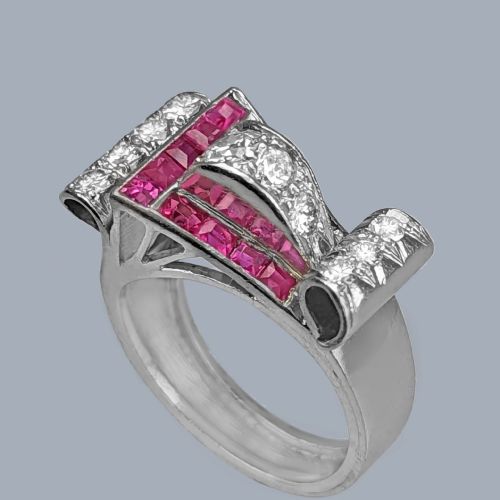
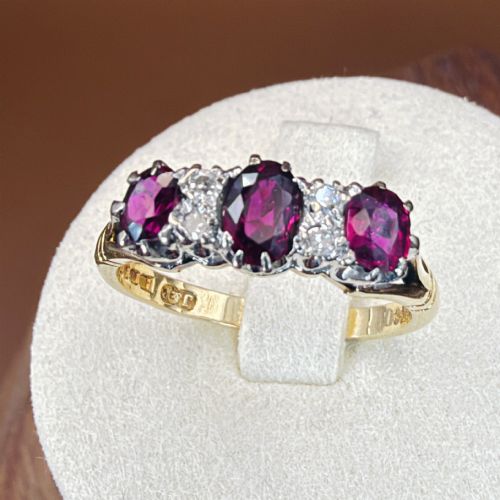
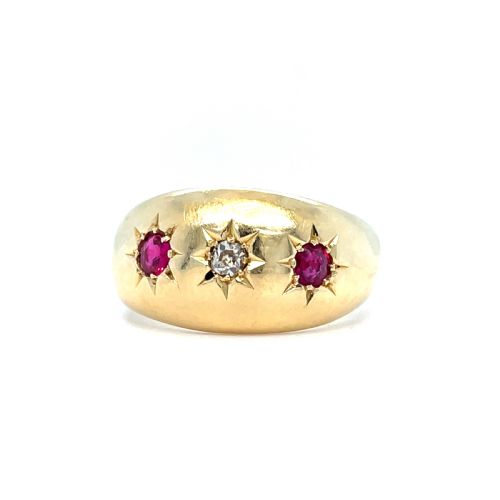
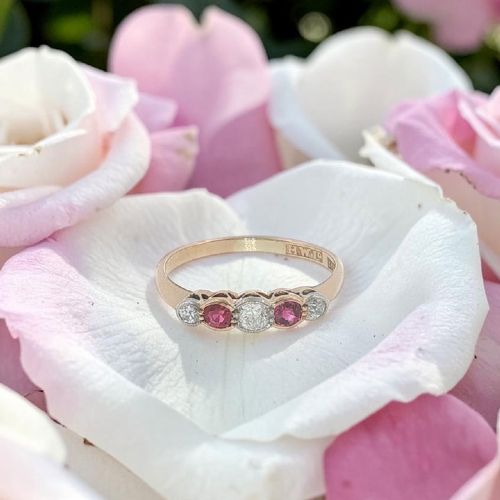
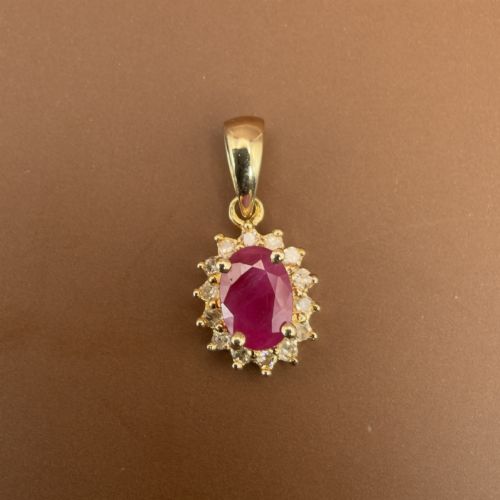
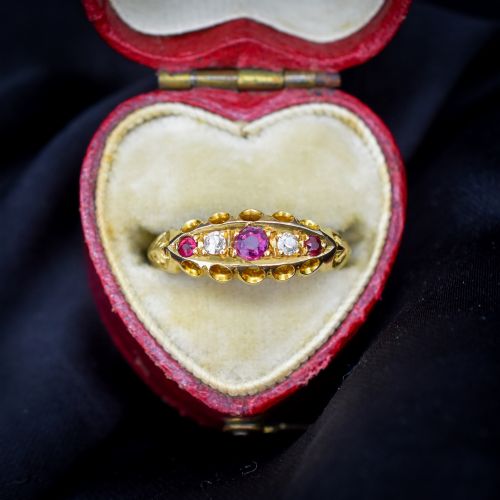
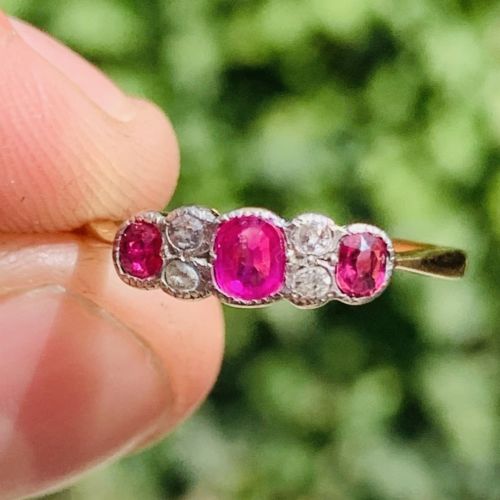
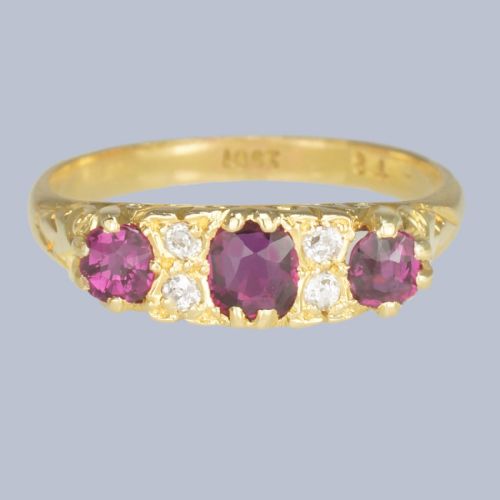
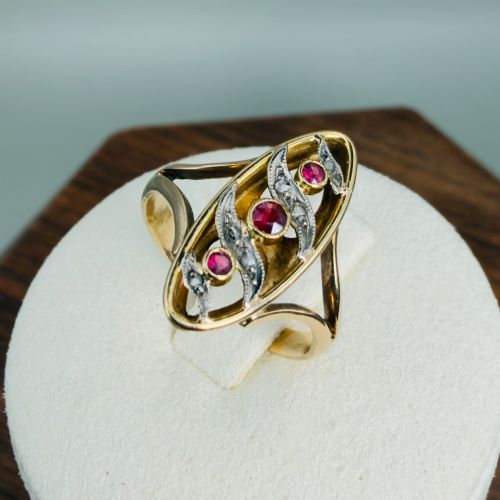
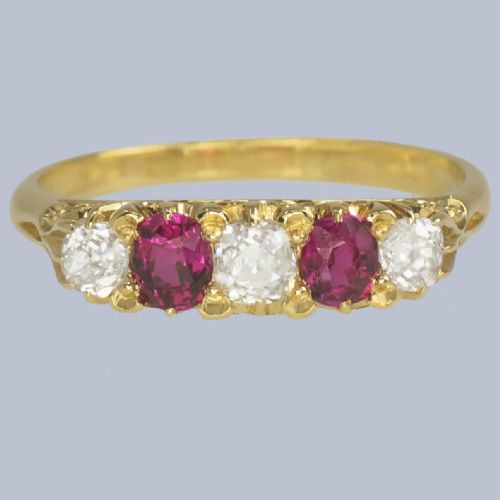
Ruby and diamond jewellery encompasses a wide array of historic ornaments, with finger rings dominating the selection. You will frequently encounter cluster rings, starburst designs, and multi-stone band configurations set in yellow gold, white gold, or platinum.
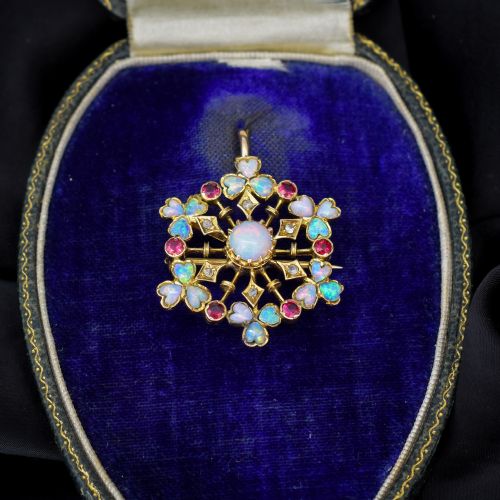
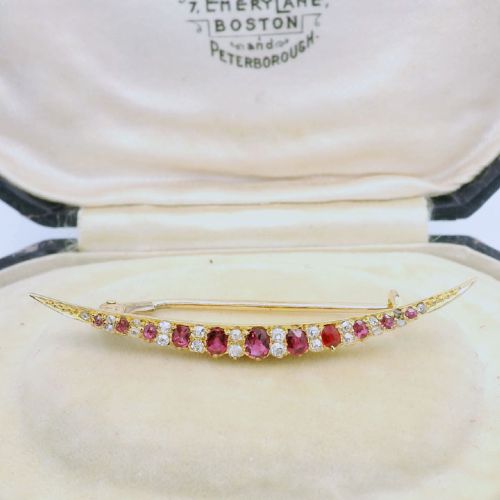
The inventory extends beyond rings into decorative items like bar brooches, floral pendants, and bangles. These pieces originate from the Victorian, Edwardian, and Art Deco eras, alongside mid-century and later twentieth-century creations.
The combination of red rubies and diamonds appears in distinct regional styles and changing metal preferences over the decades. Earlier examples often utilise traditional yellow gold, while later twentieth-century pieces frequently employ white gold and platinum settings.
How they were made
Goldsmiths constructed these pieces using 18ct yellow and white gold, alongside durable platinum, frequently combining metals for structural strength and visual contrast. Stones were secured using traditional claw, starburst, and gypsy settings tailored to the cut of each gem.
Gemstones include natural rubies paired with old cut, old mine cut, and modern brilliant cut diamonds. Many rubies originate from Burma, including specific locations like Mogok and Mong Hsu, shaped into oval, round, and various vintage cuts.
A mischievous 1969 rabbit brooch set with multi-gem stones proves that historic jewellers thoroughly enjoyed incorporating whimsical animals into their work.
What varies in quality
Quality differences rest primarily on the origin, clarity, and treatment status of the rubies, particularly unheated Burmese stones versus treated alternatives. The cut and brilliance of the accompanying old cut or modern diamonds also influence the overall character.
The integrity of the metalwork, whether delicate Edwardian filigree, Victorian starburst engraving, or clean Art Deco platinum lines, determines structural longevity. Hallmarks denoting specific assay offices and dates add documentary certainty to the craftsmanship.
Kutchinsky
The Ruby and Diamond Jewellery Glossary
- Old cut diamond
- An earlier diamond cutting style characterised by a smaller table, higher crown, and deep pavilion that catches candlelight effectively. These stones possess a distinctive charm compared to modern brilliant cuts.
- Gypsy ring
- A style where the gemstones are flush-set directly into a heavy tapered metal band. This mounting style gained immense popularity during the nineteenth century.
- Trilogy ring
- A three-stone ring design representing the past, present, and future. The stones are typically graduated or matched in size.
- Navette
- A boat-shaped gemstone setting that tapers to sharp points at either end. This elongated form flatters the hand when worn as a ring.
Ruby and Diamond Jewellery: Frequently Asked Questions
What periods do these pieces date from?
The available selection spans from the late nineteenth century through Victorian, Edwardian, and Art Deco periods, extending into mid-century and later twentieth-century examples.
You will find specific manufacturing traits characteristic of each era, ranging from heavy gold Victorian bands to platinum Art Deco geometry.
Are the rubies natural or treated?
Many listings feature natural rubies, including unheated stones originating from Burmese sources such as Mogok and Mong Hsu.
Specific geographical origins and thermal treatment statuses are frequently documented in the individual item descriptions where known.
Which metal types are most common?
Gold and platinum form the primary structural foundations for these items, with 18ct yellow gold and 18ct white gold appearing frequently.
Platinum gained significant favour during the Art Deco era for its strength in holding intricate gemstone arrangements securely.
What object types are available?
Finger rings make up the vast majority of the items, including cluster, trilogy, gypsy, and starburst configurations.
In addition to rings, the selection includes floral brooches, convertible pendant-brooches, bangles, and delicate bar pins.