


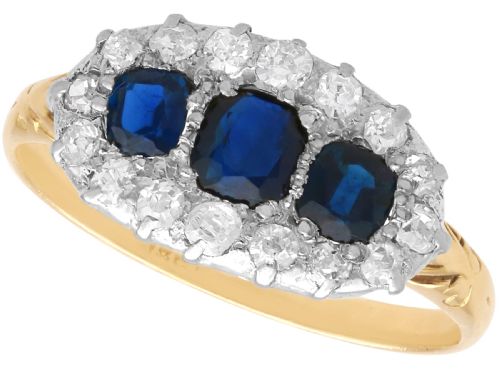

Victorian Diamond Halo Ring
A victorian diamond halo ring brings together centuries-old gemstones and goldwork, offering a distinctive centre stone surrounded by sparkling smaller diamonds.
Victorian Diamond Halo Ring
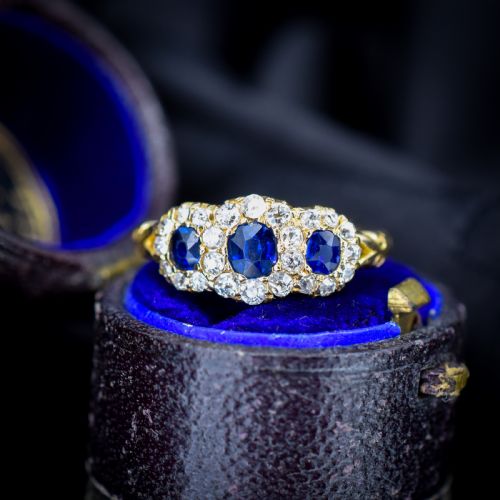
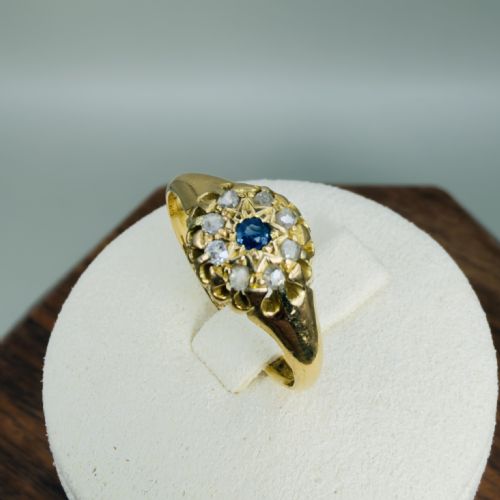
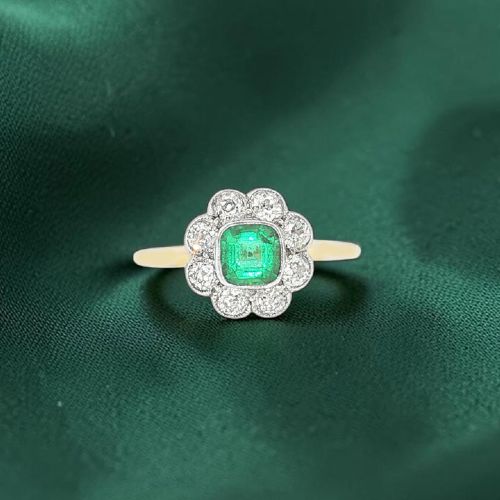
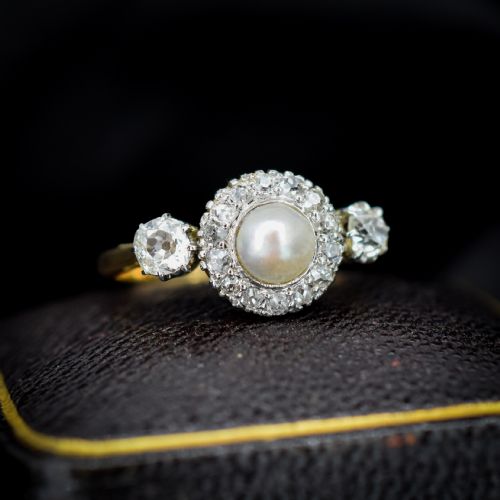
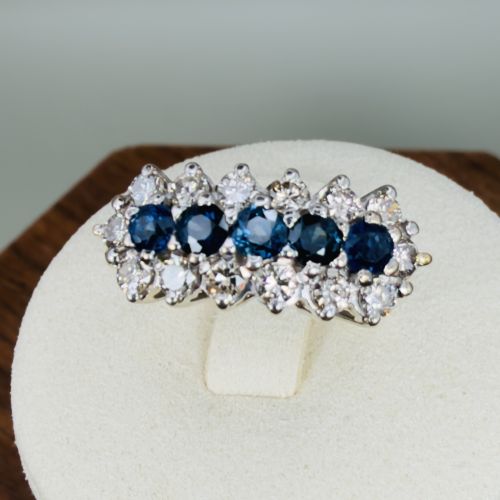
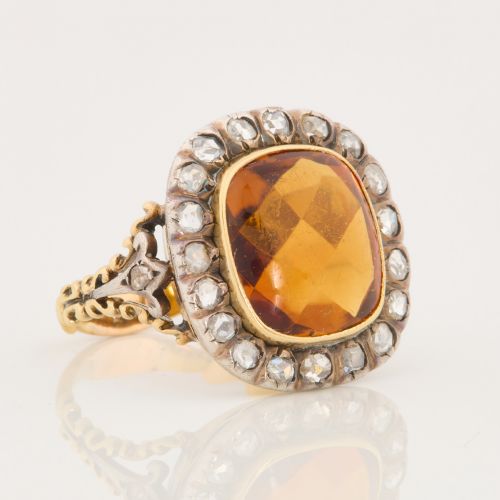
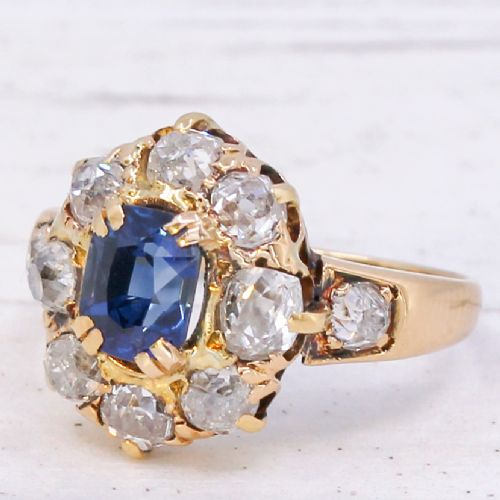
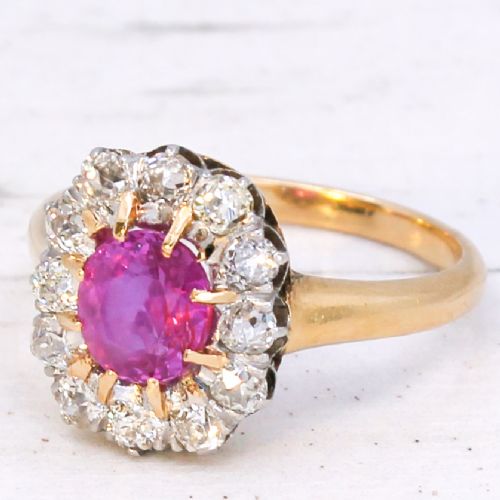
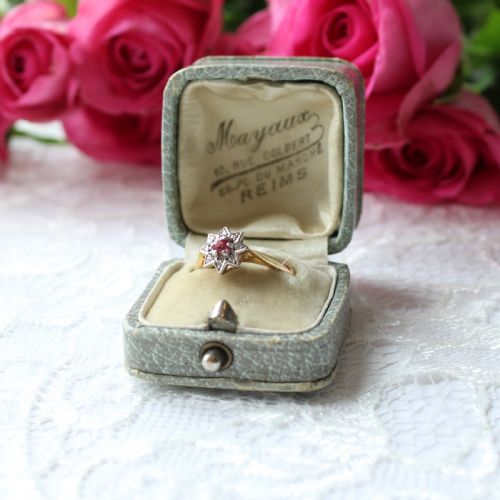
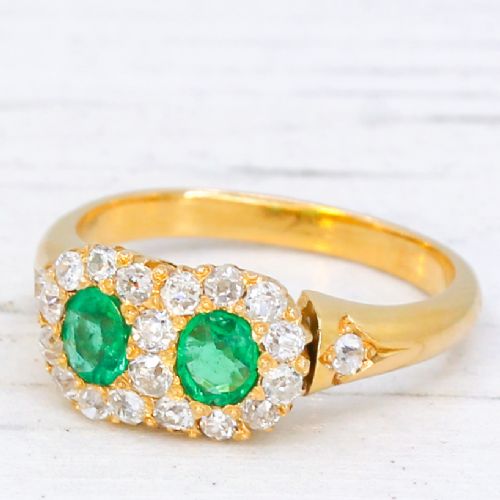
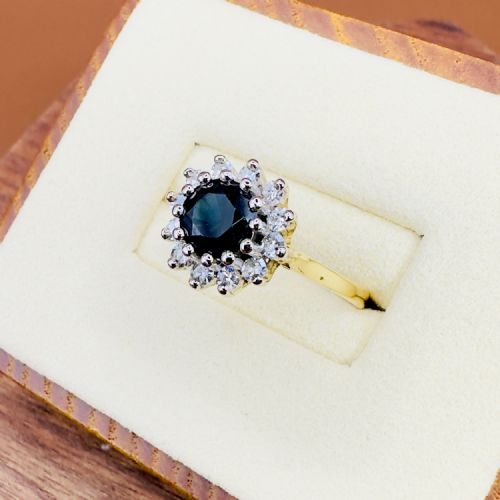
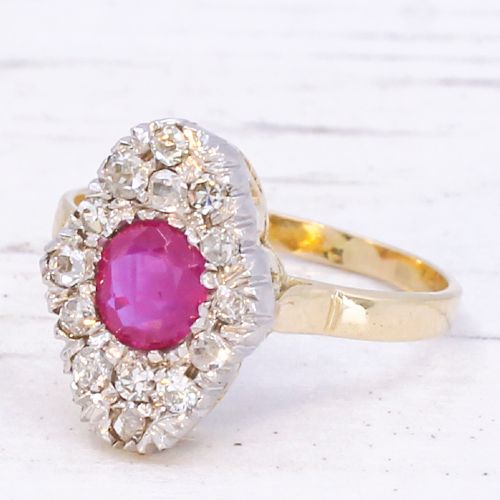
A victorian diamond halo ring centres on a bright gemstone or pearl framed by a border of smaller diamonds. These pieces originate from the Victorian era and the turn of the twentieth century, presenting classic cluster and double cluster configurations.
The selection ranges from early gold bands to later yellow gold and silver mounts. Gemstone choices extend beyond diamonds alone to include Colombian emeralds, pearls, turquoise, and opals.
Buyers encounter traditional ring formats featuring detailed metalwork such as the Glasgow band. Each piece preserves the distinct character of nineteenth-century jewellery design.
Materials and construction
Goldsmiths utilised yellow gold, including eighteen-carat and fifteen-carat variants, alongside silver settings for mounting stones. Gemstones feature old cut, rose cut, and standard diamond facets paired with natural pearls, enamel work, and coloured stones.
Craftsmen built these rings by hand, securing central gems like emeralds, opals, or turquoise within closely fitted borders of smaller diamonds. Structural elements incorporate robust metal bands and intricate enamel detailing.
Judging quality in these rings
Quality rests on the uniformity of the surrounding diamond halo and the matching brilliance of the central stone. Finer examples display meticulous gemstone matching, particularly in complex double cluster designs and enamel work.
The integrity of the metal mounting and the preservation of delicate rose cut or old cut facets dictate the overall distinction of each piece. Superior execution ensures secure stone settings and enduring structural balance.
The Victorian Diamond Halo Ring Glossary
- Halo ring
- A ring design featuring a central gemstone encircled by a ring of smaller diamonds. This layout maximises overall sparkle and visual presence.
- Rose cut
- An antique diamond cut with a flat base and a domed crown of triangular facets. It produces a soft, translucent shimmer quite unlike modern brilliant cuts.
- Old cut
- A hand-faceted diamond style typical of the nineteenth century with a small table and high crown. These stones were shaped individually by eye rather than by automated machinery.
- Double cluster
- A ring arrangement incorporating two concentric rings of gemstones around a central focal point. This layered approach creates an expansive and ornate face.
Victorian Diamond Halo Ring: Frequently Asked Questions
What is a victorian diamond halo ring?
A victorian diamond halo ring is an antique piece featuring a central gemstone or pearl framed by a border of smaller diamonds. These rings date from the Victorian period and showcase characteristic nineteenth-century setting techniques.
Craftsmen often paired diamonds with coloured stones like emeralds, opals, or turquoise, mounted in yellow gold and silver.
How do I care for antique rings?
Antique rings require gentle handling due to their age and delicate gemstone settings. Avoid exposing soft stones like pearls, opals, or turquoise to harsh chemicals and ultrasonic cleaners.
Store each piece individually in a lined box to protect the metalwork and prevent scratching between stones.
Are these rings suitable for daily wear?
While these pieces were built for longevity, older settings benefit from mindful wear. Removing rings during strenuous physical activities protects fragile prongs and softer gem materials.
Periodic inspection by a specialist ensures the tiny stones within the halo remain secure in their original mounts.
What metals were used in Victorian rings?
Victorian jewellers commonly worked with yellow gold in various purities, alongside silver for mounting diamonds. Silver was frequently used on the face of the ring to keep the metal colour bright against white stones.
Enamel work and distinctive regional bands, such as the Glasgow band, also appear across surviving examples.