


Royal Worcester Fruit Painting
Royal Worcester fruit painting brings together fine porcelain and detailed hand painting, making these signed cabinet plates and decorative vessels prized by collectors.
Royal Worcester Fruit Painting
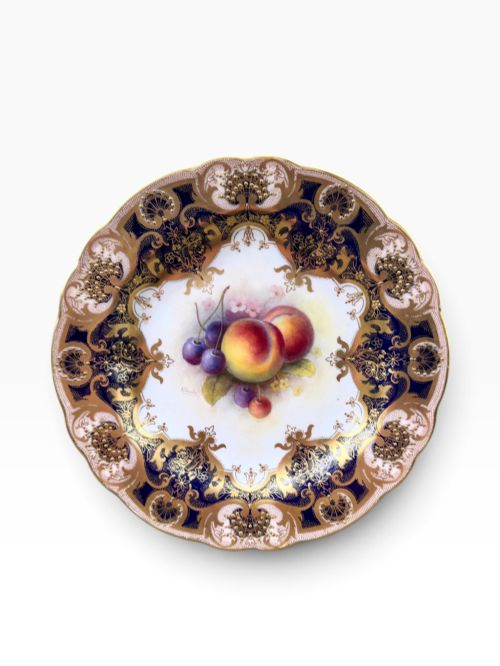
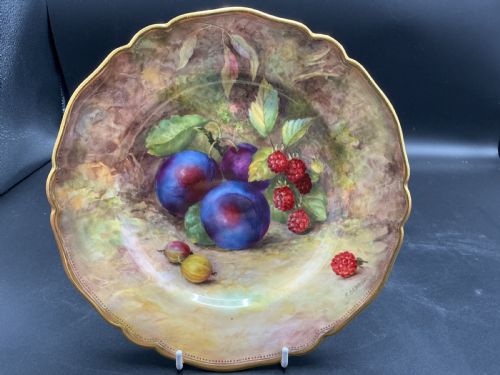
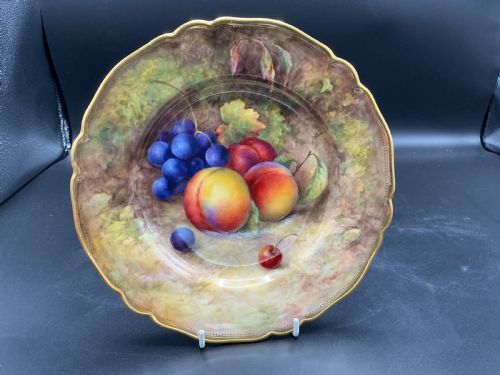
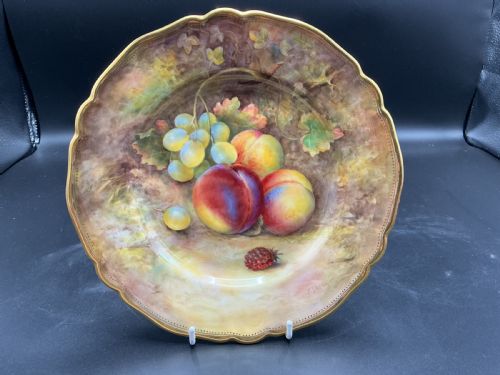
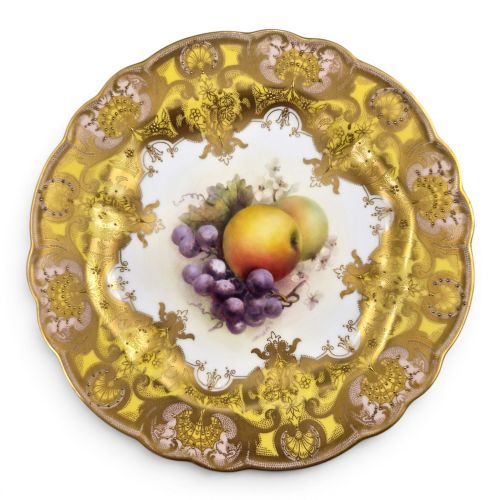
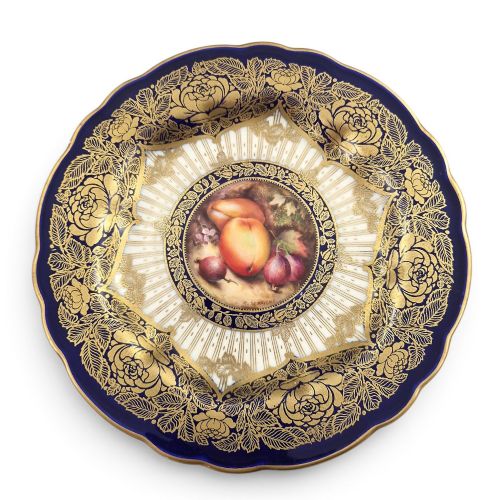
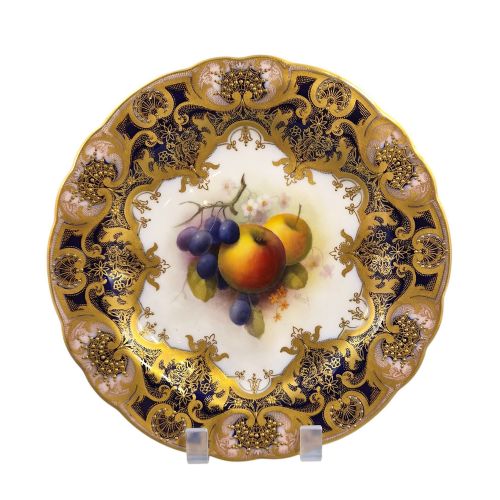
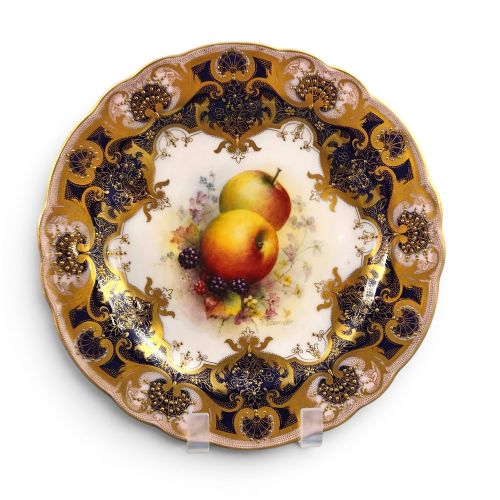
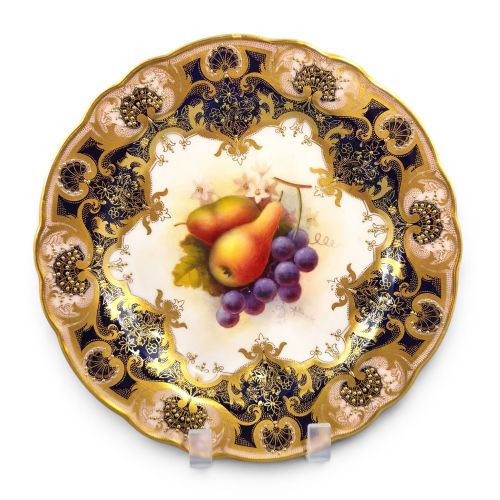
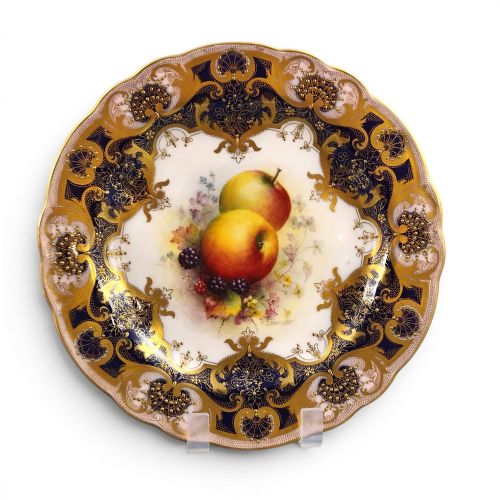
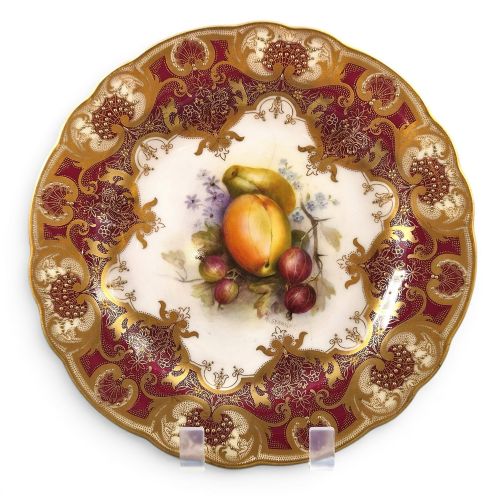
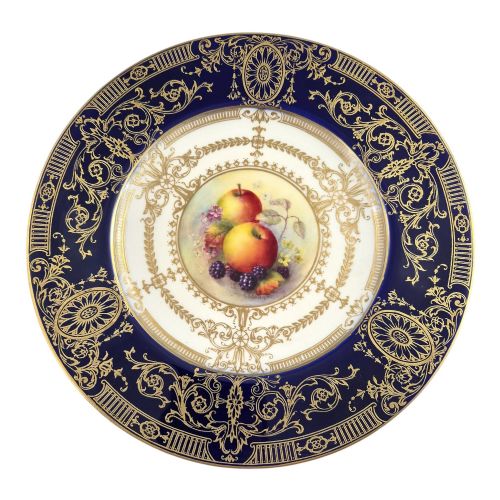
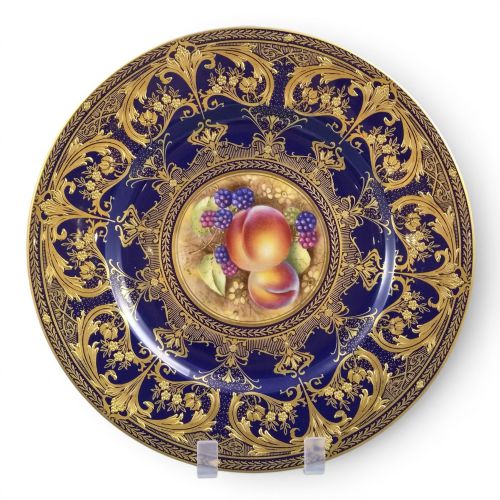
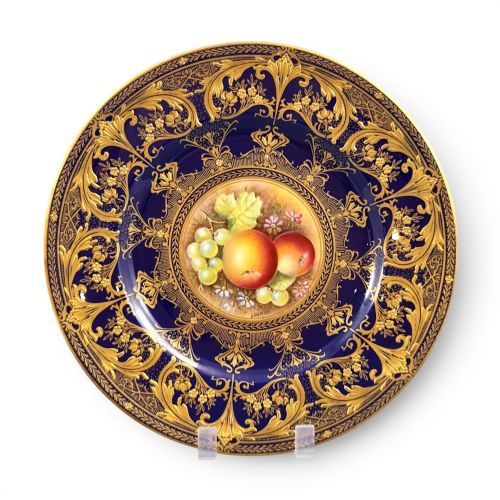
Royal Worcester fruit painting encompasses cabinet plates, vases, decorative bowls, and ginger jars created across multiple decades from the Edwardian era through the mid-twentieth century. The most common pieces met on this page are signed cabinet plates, often featuring richly detailed depictions of apples, peaches, and berries against soft, shadowed backgrounds.
Makers and artists working for the factory utilised traditional forms ranging from boat-shaped bowls to rope edge plates and pot pourri vases. These porcelain items reflect English traditional and Art Deco styles, spanning periods including the Edwardian era, 1910, 1920, 1930, 1940, 1950, and 1960.
Materials and Technique
The foundation of these pieces relies on porcelain, bone china, and fine bone china shaped into plates, vases, and tea sets. Artisans applied enamel paint by hand to render fruit studies, often complemented by rich gilding, gold leaf, and gilt trim around the borders.
Master painters signed their work directly onto the ceramic surface before a final firing fixed the colours and enamel details. Many items incorporate moulded rope edges or crown tops, combining sculptural pottery techniques with miniature painting.
Listings feature porcelain forms ranging from tea sets and coffee pots to boat-shaped bowls and ginger jars across multiple decades.
Factors of Quality
Quality rests heavily upon the identity of the artist whose signature appears on the porcelain, with works by renowned painters commanding greater attention. The intricacy and density of the fruit composition, alongside the richness of the surrounding gold leaf and enamel gilding, separate standard items from superior examples.
The condition of the hand-painted surface and the crispness of the porcelain form also influence the piece. Cabinet plates and vessels featuring multi-fruit arrangements executed with fine brushwork represent the upper range of these ceramics.
Albert Shuck·Richard Sebright·Brian Leaman·Chivers·H Ayrton·J Southall·Freeman·William Hawkins·John Smith·William Ricketts·HH Price·P Love
The Royal Worcester Fruit Painting Glossary
- Cabinet plate
- A decorative ceramic plate intended for display in a cabinet rather than for dining. These plates showcase elaborate hand-painted scenes and gilt borders.
- Pot pourri
- A vase or jar featuring a pierced cover designed to hold dried scented plant material. Royal Worcester examples frequently combine this vessel form with painted fruit decoration.
- Gilding
- The application of gold leaf or powdered gold onto the surface of porcelain. This technique highlights rims, handles, and borders.
- Enamel
- A glass-based paint applied to ceramics and fused during firing. It provides the vibrant colours seen in the fruit studies.
- Bone china
- A type of soft-paste porcelain containing animal bone ash. It produces a strong, translucent body used for fine tableware and decorative pieces.
Royal Worcester Fruit Painting: Frequently Asked Questions
Who painted these porcelain pieces?
Specialist artists employed by the factory painted each piece by hand, frequently signing their work on the front of the plate or vessel. Notable painters include Richard Sebright, Albert Shuck, and John Smith.
These signatures help collectors identify the hand behind the fruit arrangements and date the period of manufacture.
How do I date Royal Worcester fruit pieces?
Dating relies on the style of the hand-painted decoration, the period characteristics such as Edwardian or mid-century forms, and occasionally painted or impressed factory marks.
Items span from the early twentieth century through the 1960s, reflecting shifts in ceramic shapes like rope edge plates and ginger jars.
Were these items meant for daily use?
Cabinet plates, decorative bowls, and pot pourri vases served primarily as ornamental items for display in drawing rooms and cabinets rather than for everyday dining.
Even when tea sets or coffee cups and saucers were produced with fruit painting, their fine porcelain and gold leaf gilding recommended them for special occasions.
What subjects appear besides fruit?
While fruit painting featuring apples, grapes, and peaches dominates these listings, artists also incorporated rich gilding, enamel borders, and elaborate porcelain forms such as boat-shaped bowls and ewers.
The focus remains on botanical and naturalistic studies set against shaded backgrounds.