


Royal Academy Portrait
A royal academy portrait records sitters through the skilled hands of recognised academicians, offering lasting character and historic presence.
Royal Academy Portrait
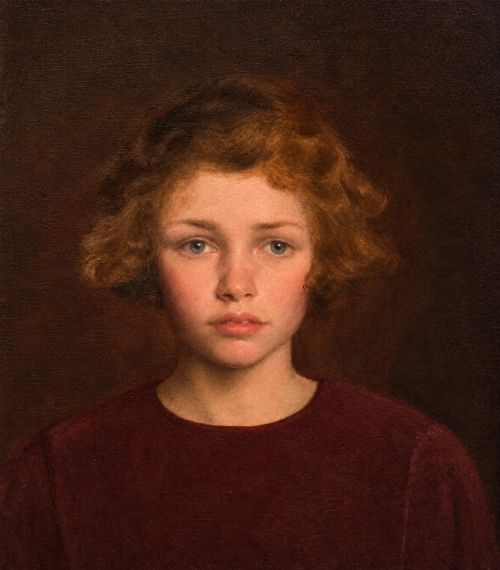
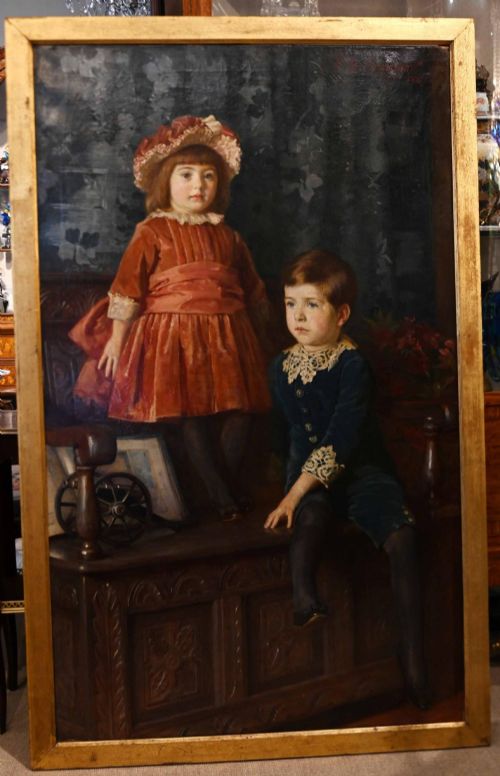
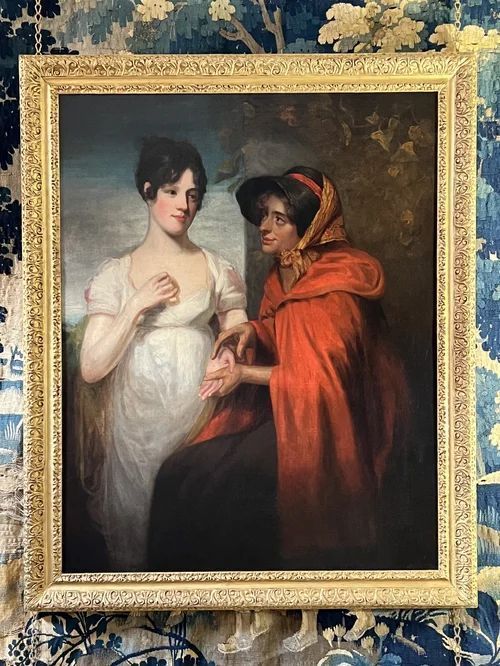
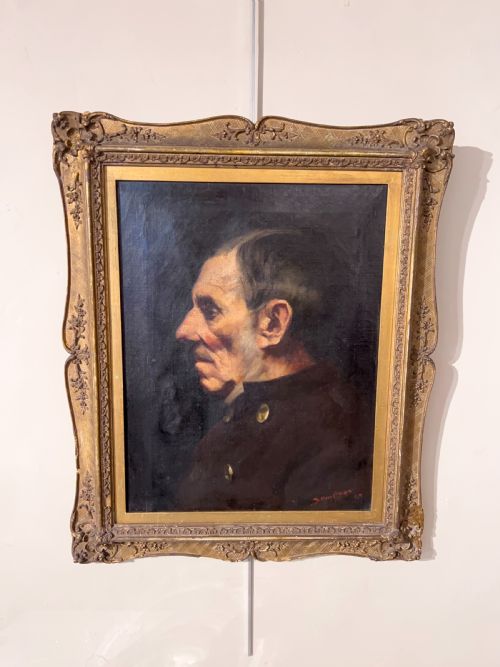
A royal academy portrait brings together subjects from the eighteenth century onwards captured by artists connected to the prestigious institution. These works span oil paintings on canvas, delicate miniatures, and pastels housed within traditional giltwood frames.
Buyers encountering this selection meet formal oils of young ladies and gentlemen alongside intimate miniatures and mid-century studies. Each piece reflects the academic training and established standing of its creator.
The diverse range extends from Georgian canvases to post-war British realism, demonstrating how portraiture evolved across centuries. Portrait paintings in this category often feature named sitters or notable figures from British society.
Materials and methods
Artists utilised oil paint on prepared canvas or applied pastel pigments to paper for finer detail work. Wood and gold leaf formed ornate frames that enhanced the visual weight and protected the painted surface.
Techniques ranged from loose impressionistic brushwork to meticulous miniature painting executed by hand. Glass protected delicate works like portrait miniatures and pastels from environmental damage over time.
Periods represented span from the eighteenth century through Victorian, Art Deco, and post-war eras.
Judging quality
Quality rests upon the artist's ability to render likeness, psychological depth, and anatomical precision within the subject. Superior works display confident brush handling and a harmonious palette that captures light and texture effectively.
The preservation of the original canvas, paint layer, and period frame contributes significantly to an artwork's integrity. Academic pedigree and exhibition history further distinguish finer examples from standard decorative pieces.
John Opie RA·Bertram Priestman RA·Frederick Goodall RA·Susie Lassam RMS RA·Ronald Ossory Dunlop RA·Aubrey Sykes RA·William Owen RA·Edward Bird RA·John Russell RA·Alfred Cooper·Guy Lipscombe
The Royal Academy Portrait Glossary
- RA
- Royal Academician. This designation denotes a full member of the Royal Academy of Arts in London.
- Oil on canvas
- Pigments bound in drying oil applied to a woven fabric support stretched over a wooden frame. This method became standard for durable and expressive portraiture.
- Miniature portrait
- A small-scale painting executed with fine detail, often created using watercolour on ivory or oil on panel. These portable objects were frequently kept as personal mementos.
- Giltwood
- Wood carved and coated with a thin layer of gold leaf or metallic powder. Such frames provide decorative borders that complement the tones of the painting within.
Royal Academy Portrait: Frequently Asked Questions
What defines a royal academy portrait?
These works are created by artists who held membership or exhibited under the auspices of the Royal Academy. The designation links the painting to an established tradition of British artistic training and exhibition standards.
Subjects range from eighteenth-century nobility to mid-century sitters, all rendered through formal academic techniques.
How do I care for an oil portrait?
Keep paintings away from direct sunlight and dramatic shifts in temperature or humidity to protect the canvas and paint layers. Gentle dusting with a soft, dry brush maintains the surface without disturbing the aged pigments.
Avoid using liquid cleaners or abrasive materials on either the canvas or the historic frame.
Are these portraits signed by the artist?
Many examples feature signatures, monograms, or documentation linking them directly to the exhibiting academician. Archival records and exhibition labels on the reverse often provide further verification of the creator's identity.
Unsigned works may still carry strong stylistic attributions supported by period framing and subject matter.
What is the difference between an oil and a pastel?
Oil paintings utilise pigment suspended in drying oil on canvas, offering rich textures and deep tones that darken very little over time. Pastels consist of powdered pigment compressed into chalk sticks, creating a velvety surface that requires glass protection.
Pastel portraits often capture a softer immediacy, whereas oils present a more robust and enduring finish.