



Royal Academy Artwork
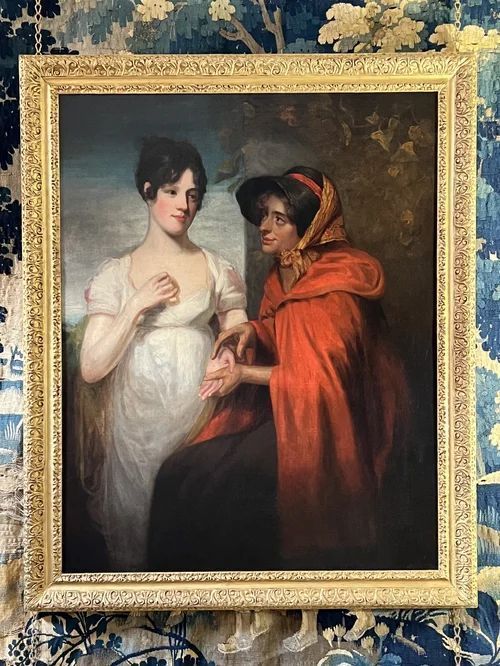
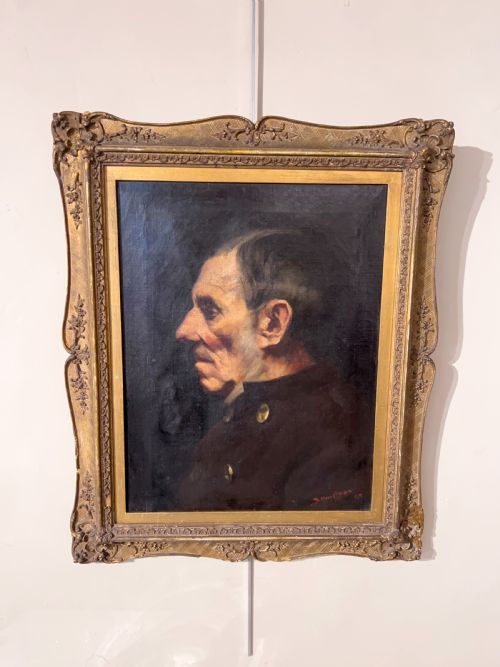
Royal academy artwork brings together oil paintings, watercolours and drawings carrying the mark of academicians.
Royal Academy Artwork
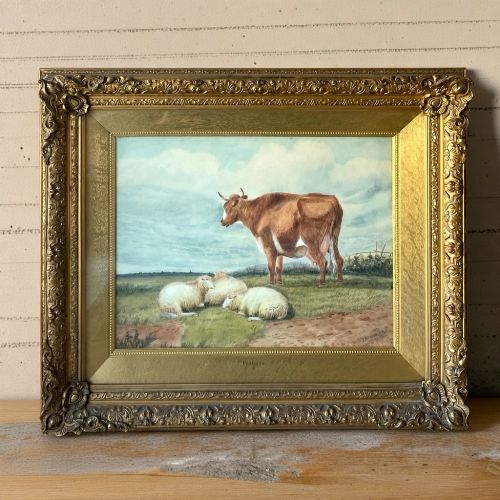
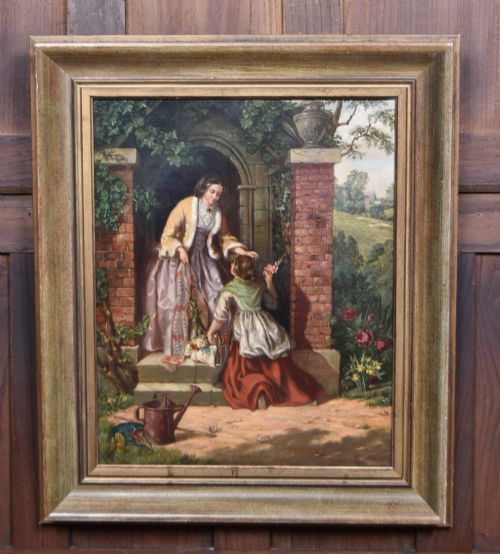
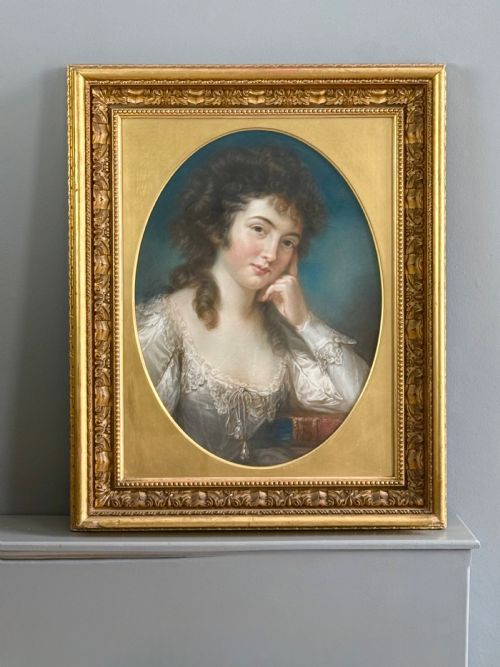
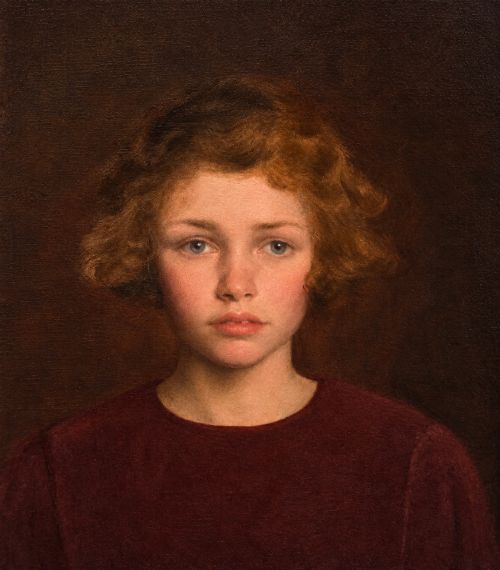
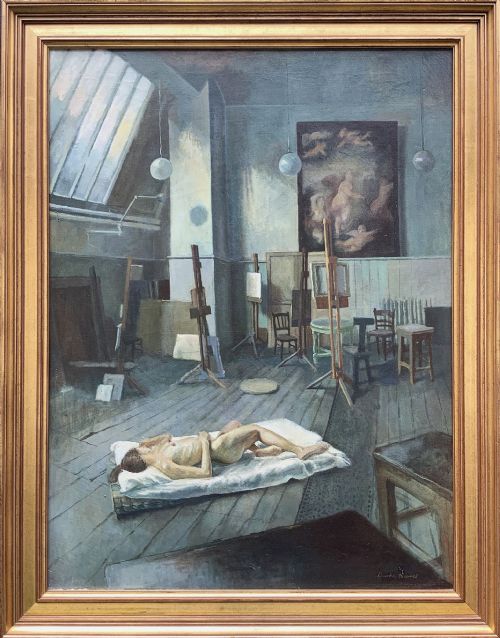
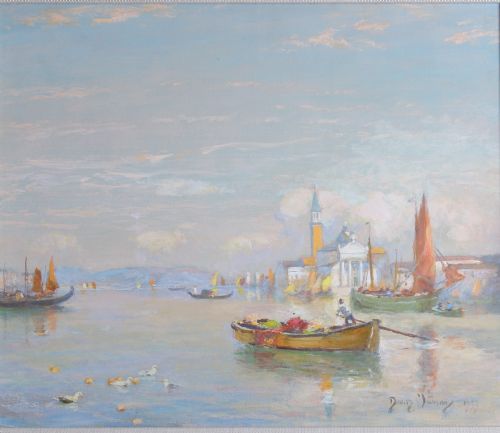
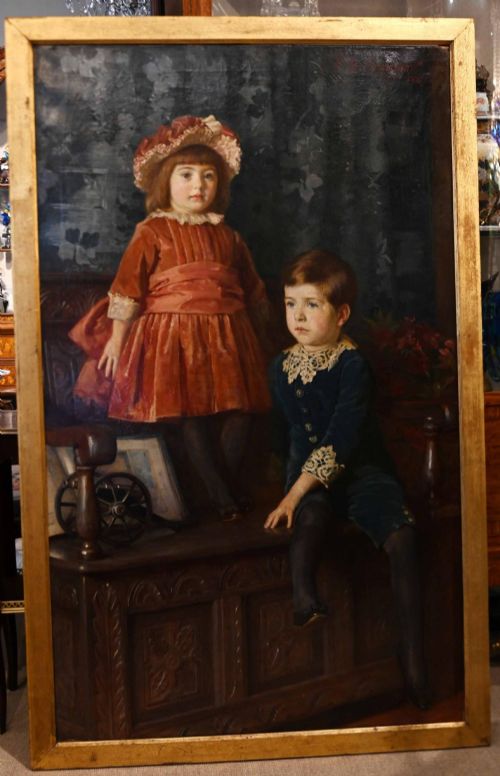
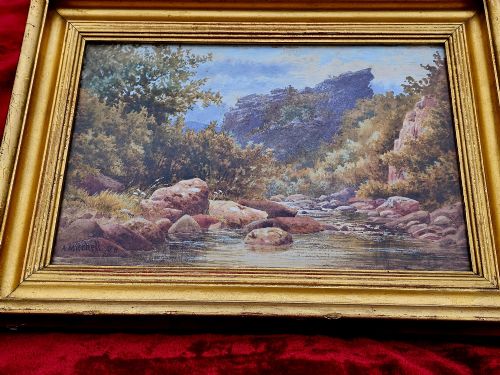
Royal academy artwork comprises paintings and drawings created by artists associated with the institution, spanning periods from the eighteenth century through to the mid-twentieth century. Buyers searching for royal academy artwork encounter portraits, landscapes, marine scenes and genre pieces produced by elected members and exhibitors. The selection on this page ranges from Victorian oils to post-war works in oil and pastel.
Portraits and landscapes form the core of what meets the eye, often carrying signatures or exhibition labels confirming their status. Works on canvas and paper reflect the traditional training and subjects favoured by British artists across successive centuries. Pieces span early Georgian origins up to nineteen-sixties studio interiors and landscapes.
Materials and methods
Artists painted primarily in oil on canvas or board, applying pigment with brushwork that defines styles from Victorian realism to British impressionism. Watercolours and pastels on paper appear alongside these oils, utilising the absorbent qualities of the ground to capture light and atmosphere. Gilt wood frames enclose many of the works, often contemporary to the painting.
Support materials range from sturdy wood panels and stretched canvases to heavy paper sheets. Pigments are bound in oil or held in watercolour washes, mounted within card or framed beneath glass depending on the medium.
Royal Academy Artwork Retail Price Guide 2026
Typical asking prices for royal academy artwork among the pieces listed under this phrase on Sellingantiques today, from the lower quarter to the upper quarter. They describe what is for sale here now, not the wider market.
This site's listings show oil on canvas as the dominant medium, supplemented by watercolours, pastels and oil on board.
Distinctions in quality
Quality rests on the certainty of attribution, the strength of composition and the preservation of the original pigment surface. Works with documented exhibition history or signed provenance carry greater weight than unsigned examples.
The handling of light, brush control and depth within landscapes or portraits distinguish accomplished academic execution from standard studio production. Condition of the canvas, absence of overpaint and integrity of the original frame contribute to the standing of a piece.
FS Beaumont·JOHN OPIE·A. Mitchell·Bertram Priestman·Reginald Grange Brundrit·George Vicat Cole·George Smith·John A. Houston·Benjamin Williams Leader·Ronald Ossory Dunlop·Sir Herbert Hughes-Stanton·Joseph Farrington·Thomas Creswick·Dame Laura Knight·Aubrey Sykes·William Collins·Robert Alexander Hillingford·Peter Greenham·Sonia Lawson·Valerie Mackenzie·SAMUEL BOUGH
The Royal Academy Artwork Glossary
- RA
- Royal Academician. A title granted to elected members of the Royal Academy of Arts.
- Genre painting
- Artwork depicting scenes from everyday life. These compositions often show domestic interiors or figures engaged in daily pursuits.
- Gilt wood
- Timber treated with a thin layer of gold leaf or metallic gilding. Frames of this material frequently accompany nineteenth-century oil paintings.
- Impressionism
- A style of painting emphasising light and its changing qualities. British variations capture local landscapes and marine views with looser brushwork.
- Provenance
- The documented history of ownership and exhibition. This record establishes the authenticity and origin of an artwork.
Royal Academy Artwork: Frequently Asked Questions
What defines royal academy artwork?
Royal academy artwork consists of paintings, watercolours and drawings produced by artists who exhibited at or belonged to the institution.
The works span several centuries, encompassing British impressionism, Victorian realism and post-war styles.
How do I identify a listed artist?
Signatures, exhibition labels on the reverse and framing details often point to the creator and their academy connection.
Historical records and catalogues provide verification for signatures and dates found on canvas or paper.
What framing is typically found?
Many oil paintings retain their original gilt wood frames, reflecting the period in which the artwork was created.
Watercolours and drawings are generally mounted behind glass within wooden or gilt surrounds.
How should these artworks be displayed?
Paintings on canvas and works on paper require placement away from direct sunlight and excessive moisture.
Proper wall spacing protects both the pigment and the surrounding period frame from environmental damage.