


Royal Academy Art Painting
Royal academy art painting works bring the pedigree of prestigious British exhibition walls directly into private rooms.
Royal Academy Art Painting
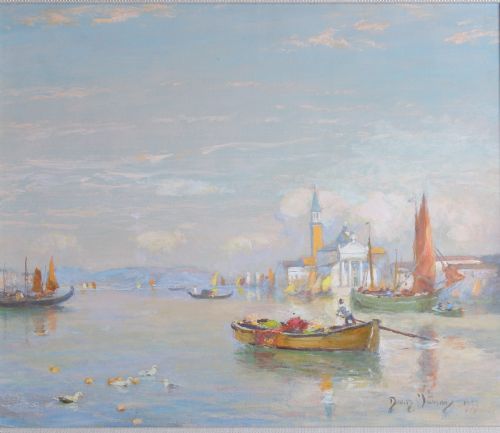
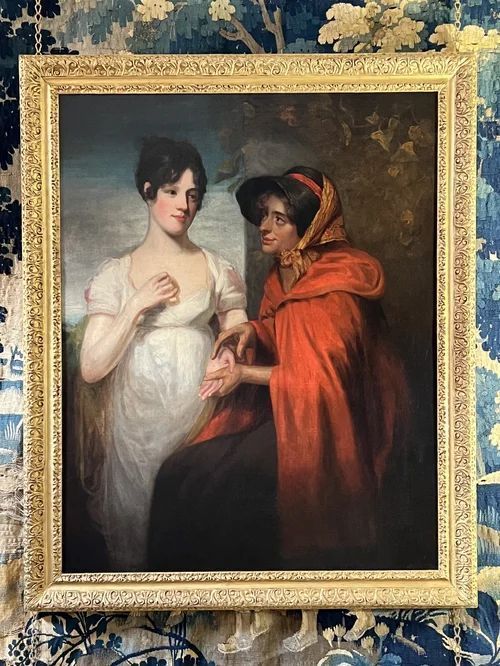
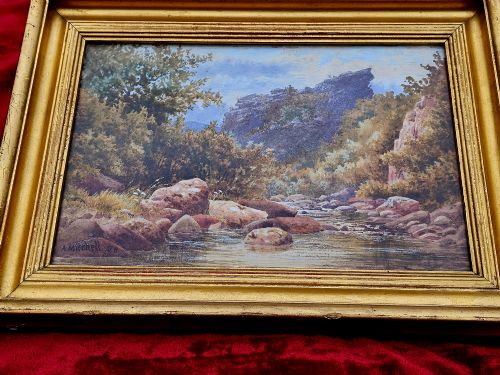
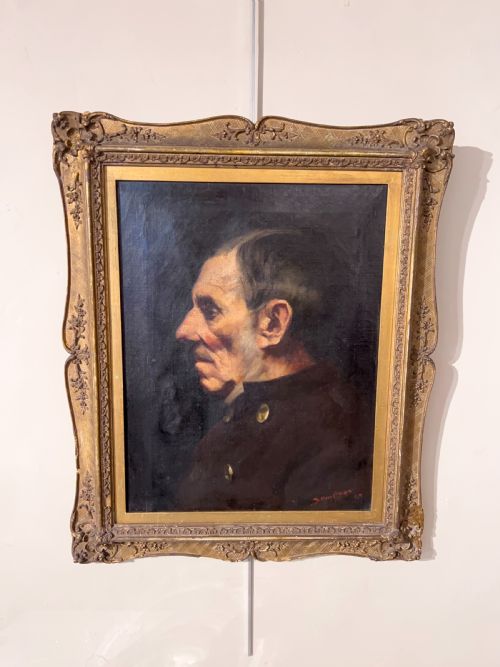
A royal academy art painting represents works created by members and exhibitors of the esteemed British institution across several centuries. You encounter oil paintings, watercolours and pastels depicting landscapes, marine scenes, genre subjects and formal portraits. The selection spans from the eighteenth century through the Victorian era into mid-century modern production.
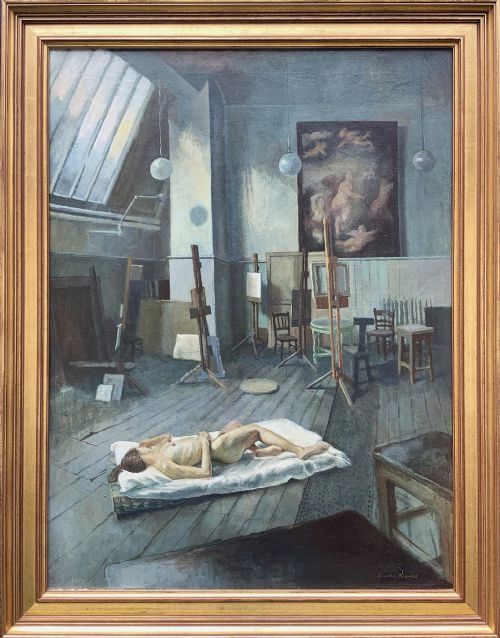
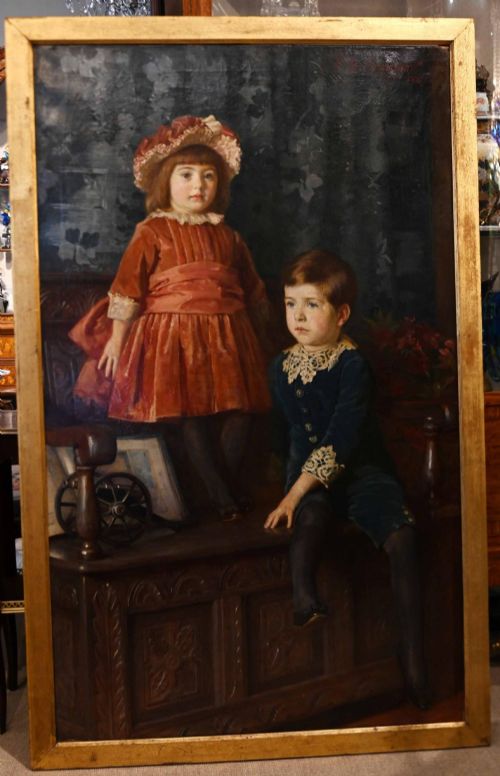
Most pieces on this page emerge from nineteenth and twentieth century British art movements, capturing academic training and formal exhibition history. Works range from intimate interior life classes to large-scale historical genre canvases and expansive regional landscapes. Each piece carries the distinct technical proficiency demanded by academic standards of its period.
How they were made
Artists painted primarily in oil on canvas or wood panels, utilising rich oil paint layers applied with precise brushwork. Watercolours and pastels on paper also feature prominently, demonstrating mastery of delicate pigment handling and draughtsmanship. Gilt and gilt wood frames frequently house these canvases, providing traditional decorative borders.
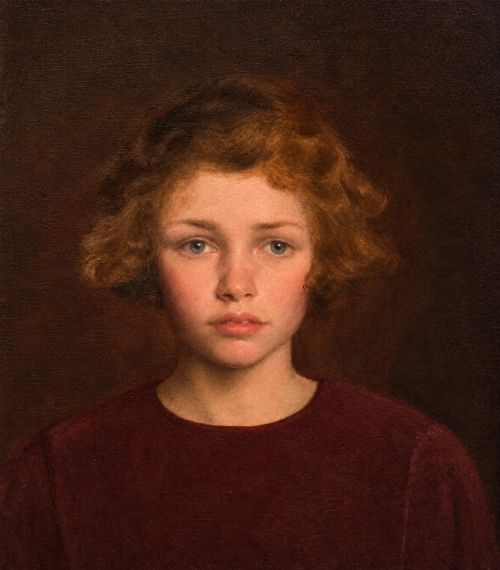
Makers applied academic techniques learned through rigorous studio practice, balancing tonal harmony with careful composition. Portraiture involved capturing likeness and character through layered glazes, while landscapes and marine subjects relied on direct observation of natural light and atmosphere.
Listings feature works spanning from the eighteenth century through the Victorian era to nineteen-sixty.
What varies in quality
The distinction between ordinary academic output and superior works lies in the confidence of brushwork and the ambition of composition. Paintings that capture transient effects of light or psychological depth in portraits command greater artistic presence than routine studio exercises. Frame preservation and original surface integrity also influence the standing of a piece.
Scale and subject matter significantly affect desirability, with large historical or genre scenes demonstrating greater ambition than smaller sketches. The reputation of the academician within the broader history of British art anchors the significance of individual works.
Sir David Murray·John Opie·Bertram Priestman·Frederick Goodall·George Vicat Cole·Benjamin Williams Leader·Joseph Farrington·Thomas Creswick·William Collins·William Owen
The Royal Academy Art Painting Glossary
- RA
- Royal Academician. A title granted to elected members of the Royal Academy of Arts in London.
- Genre painting
- A pictorial representation of scenes from everyday life involving ordinary people.
- Oil on canvas
- Pigment mixed with drying oil applied to stretched fabric, the predominant medium for formal paintings.
- Marine painting
- Artworks depicting ships, harbours, coastal views and the open sea.
- Watercolour
- Pigments suspended in a water-based solution applied to paper to create luminous transparent washes.
Royal Academy Art Painting: Frequently Asked Questions
What is a royal academy art painting?
These works are paintings and watercolours produced by artists holding membership in or exhibiting at the Royal Academy of Arts.
They reflect academic training and British artistic traditions spanning multiple centuries.
How should I hang an oil painting?
Mount paintings securely on interior walls away from direct sunlight and excessive humidity.
Ensure adequate clearance from heat sources to protect canvas and wooden frames over time.
How do I identify the artist?
Examine the canvas surface or lower corners for signatures, monograms and exhibition labels.
Compare signatures against records of recorded academicians from the relevant period.
What subjects are most common?
Portraits, landscapes and marine scenes dominate the available selection alongside genre subjects.
Artists frequently documented British countryside, coastal harbours and notable public figures.