


Blue Tone Canvas Painting
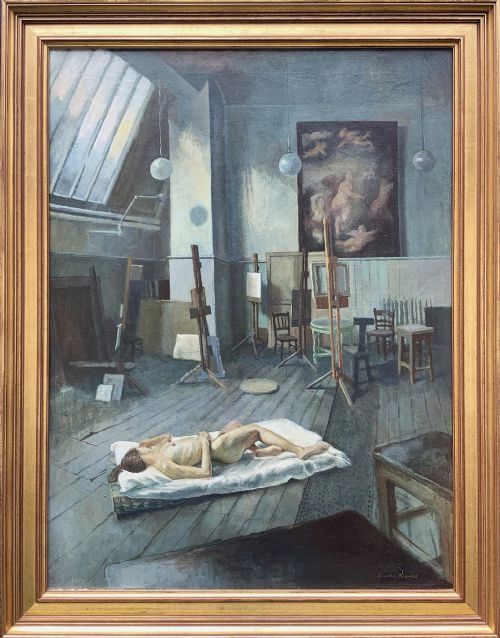
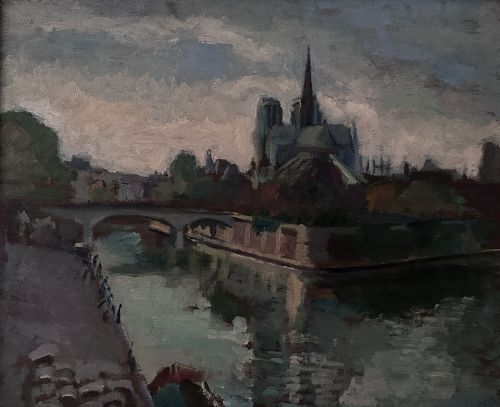
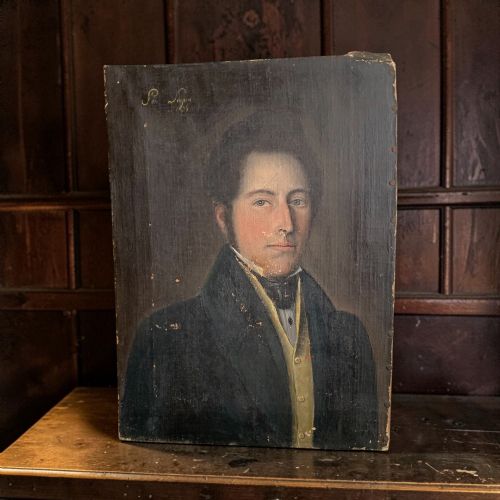
A blue tone canvas painting brings depth and atmosphere to a room, offering striking depictions of harbours, interiors, and portraits.
Blue Tone Canvas Painting
A blue tone canvas painting spans varied periods from the nineteenth century through the mid twentieth century, encompassing styles such as British Impressionism, Post Impressionism, Realism, and Folk Art. These works capture subjects ranging from quiet Cornish harbours and city rooftops to intimate interiors and portraits.
Most examples rely on oil paint applied to canvas or board, housed within timber frames that sometimes feature gilt detailing. The palette shifts across these periods, recording the distinct hand of individual artists working within established academic and folk traditions.
Buyers encountering this selection will find pieces dated from nineteen hundred up to nineteen sixty, representing both British school painters and continental European works. Each painting offers a tangible record of artistic technique from its specific decade.
Materials and construction
Artists built these compositions using oil paint on stretched canvas or rigid board supports, exploiting the slow drying nature of the medium to blend tones and build rich surface textures. The physical support provides the stable foundation necessary for surviving centuries of display.
Surrounding the primary artwork, timber frames secure the canvas and occasionally carry gilt finishes that complement the cooler pigments within the painted scene. These frames vary from simple mouldings to more substantial surrounds appropriate to their period.
Evaluating the artwork
Quality in these paintings rests upon the surety of the brushwork, the management of light and shadow within the blue palette, and the compositional balance achieved by the artist. Stronger pieces demonstrate a confident handling of pigment that brings immediacy to the subject matter.
Condition also plays a part, distinguishing works that retain their original surface vigour and sympathetic framing from those bearing heavy past restorations or structural compromises to the canvas and timber support.
Deidre Daines·A. McDonald·Gyrth Russell·Frederick W. Jackson·Andrew Young·Frederick J. Knowles·Fred Stead
The Blue Tone Canvas Painting Glossary
- Canvas
- A heavy woven fabric stretched across a wooden frame to act as the primary support for oil painting. It provides a resilient and textured surface for the artist's brush.
- Oil paint
- A slow drying medium consisting of pigments suspended in a drying oil, typically linseed. This medium allows for smooth blending and rich depth of colour.
- Gilt
- A thin layer of gold leaf or gold paint applied to the surface of a wooden frame. It enhances the decorative appearance of the presentation.
- Board
- A rigid flat panel used as a support for painting in place of woven fabric. It offers a firm surface for artists working outside the studio.
- Genre painting
- A category of art depicting scenes from everyday life involving ordinary people. These works capture common moments rather than grand historical narratives.
Blue Tone Canvas Painting: Frequently Asked Questions
What subjects do these blue tone canvas paintings show?
The subjects range widely, including Cornish harbour scenes, urban rooftops, intimate room interiors, and detailed portraits of sitters.
Artists across the early twentieth century and nineteenth century used these motifs to explore tonal harmony and atmospheric light.
How should I care for an oil painting on canvas?
Keep the artwork away from direct sunlight, damp environments, and sudden temperature shifts to protect both the canvas and the wooden frame.
Dust the surface gently with a soft, dry brush without applying pressure to the paint layers.
Are all these pieces framed?
Many examples retain their period timber frames, which often include wooden or gilt mouldings suited to the era of creation.
Framing style helps contextualise the date and origin of the artwork alongside the canvas itself.
How do I determine the period of a canvas painting?
Dating relies on the stylistic markers of the painting, the construction methods of the stretcher and frame, and recorded signatures or documentation.
Different movements, from nineteenth century French portraiture to mid century British realism, leave distinct technical signatures.