



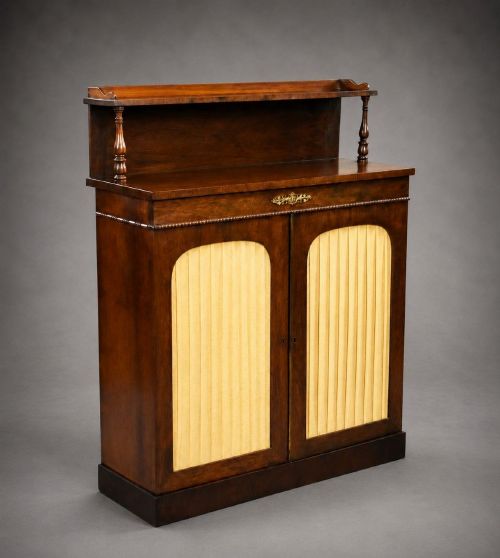
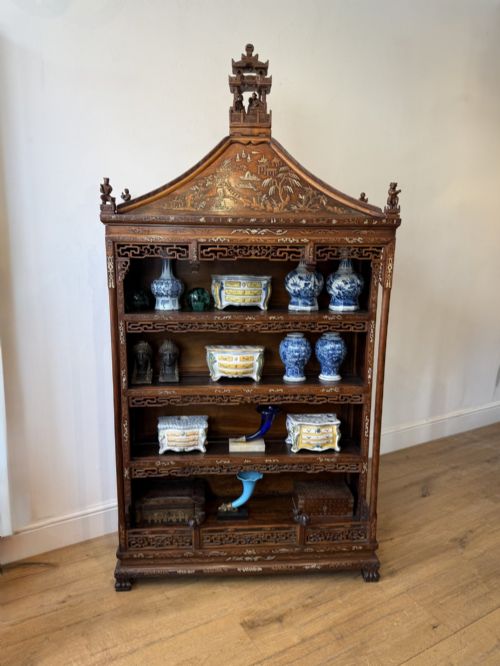
Rosewood Shelf Cabinet
A rosewood shelf cabinet organises treasured books and display objects with rich grain and deep colour.
Rosewood Shelf Cabinet
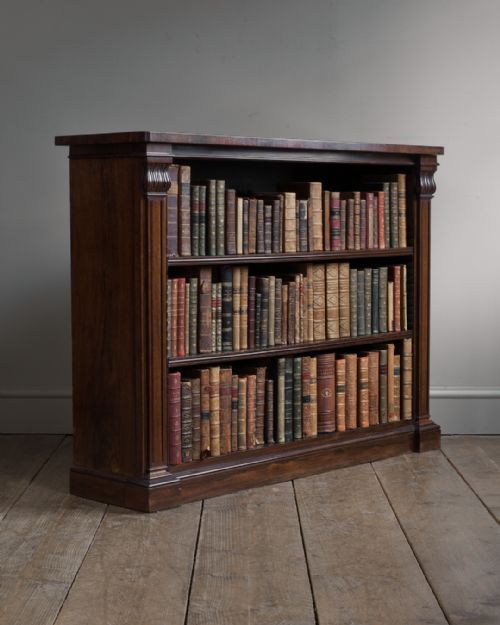
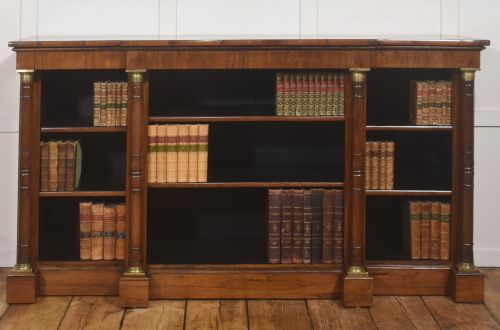
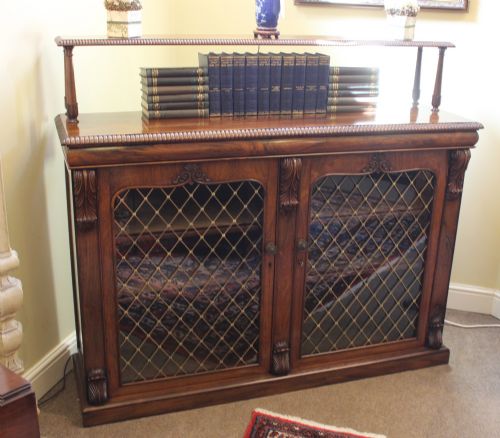
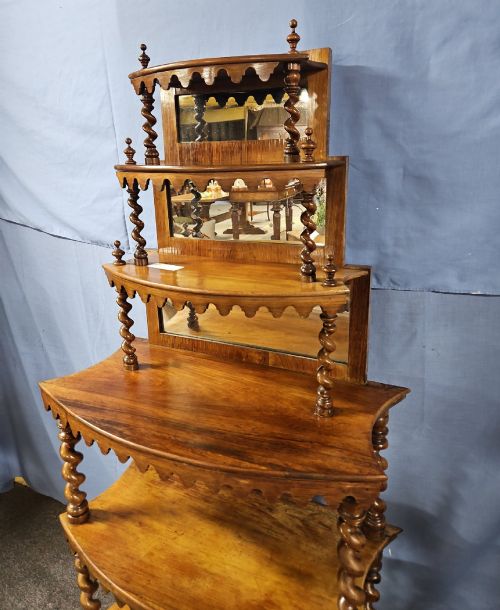
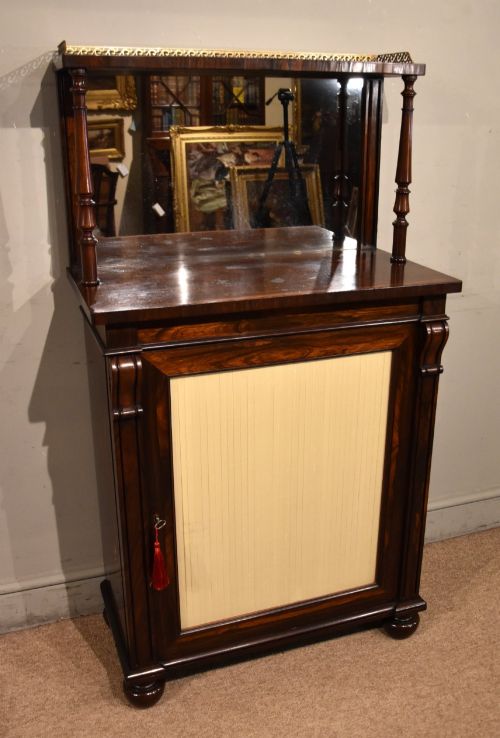
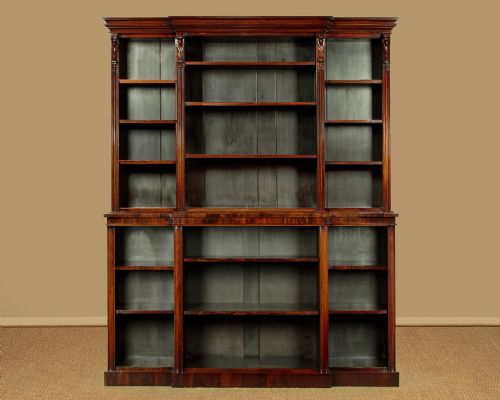
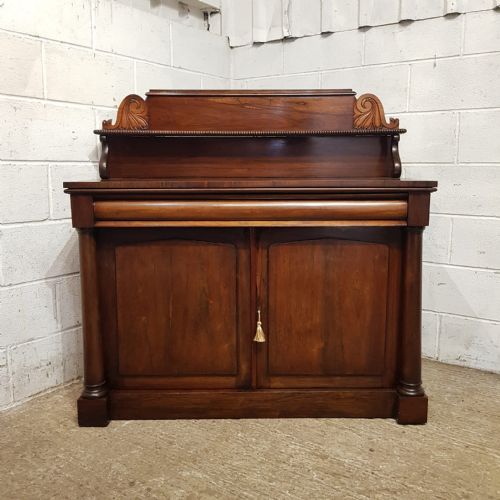
A rosewood shelf cabinet brings together varied forms designed for display and storage, encompassing open bookcases, chiffoniers, and tiered etageres. These pieces date predominantly from the nineteenth century, including Regency, William IV, and Victorian periods.
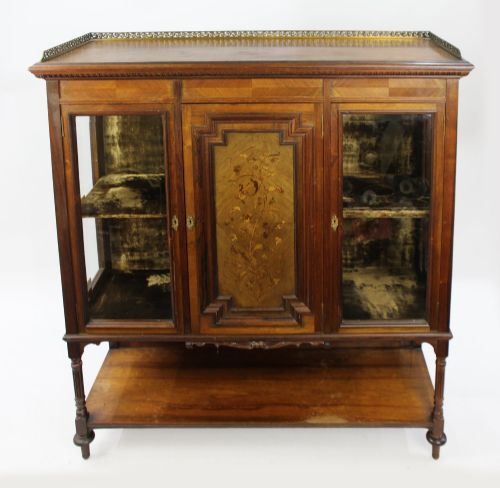
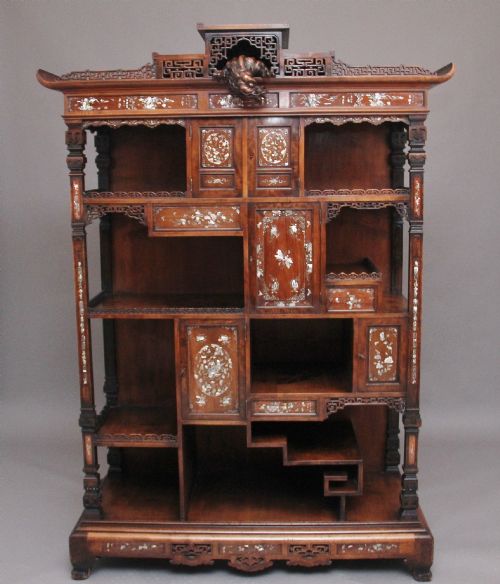
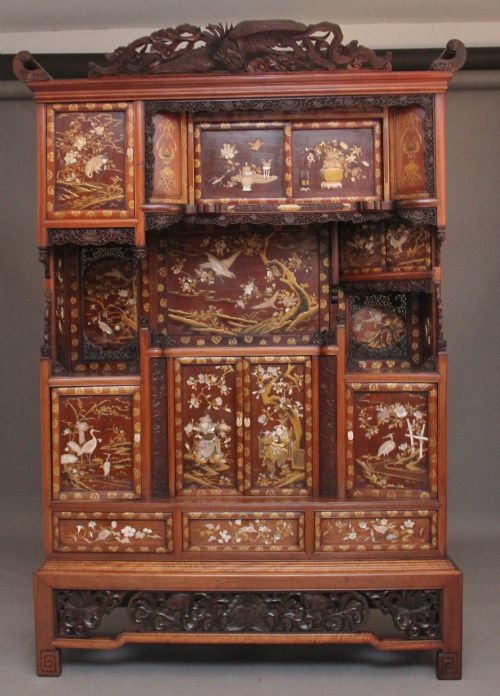
Open bookcases and side cabinets form the most frequent encounters on this page, often fitted with adjustable shelves or topped with mirror glass and marble panels. Makers worked within both British revival styles and imported aesthetic traditions, incorporating Chinese and Japanese shodana designs.
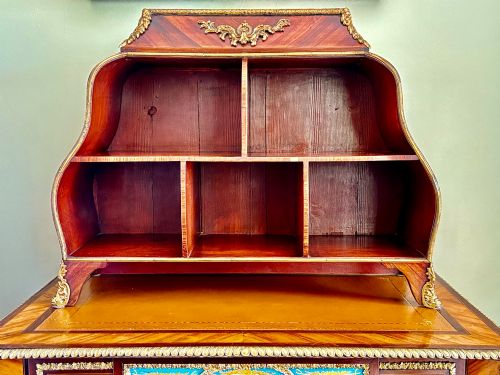
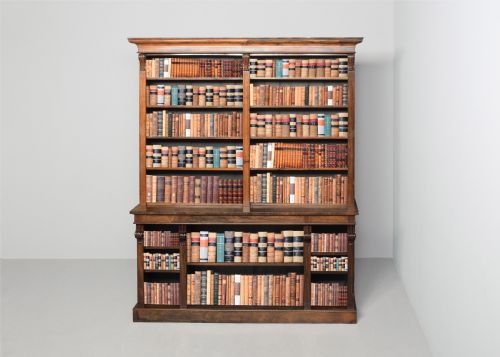
The selection ranges from low desktop cartonnieres to tall breakfront bookcases. Rosewood surfaces unite the group, frequently paired with contrasting brass inlay, mother of pearl, and ormolu mounts.
How they were made
Cabinet makers utilised dense rosewood timbers and durable rosewood veneers applied over secondary softwoods and hardwoods. Construction methods relied on traditional joinery, supported by brass inlay and delicate marquetry in satinwood and kingwood.
Surface enrichment involved glass panes for vitrine doors, mirrored backs for chiffoniers, and polished marble tops. Metal elements like ormolu mounts and brass gallery rails completed the decorative scheme of nineteenth-century workshops.
Rosewood Shelf Cabinet Retail Price Guide 2026
Typical asking prices for rosewood shelf cabinet among the pieces listed under this phrase on Sellingantiques today, from the lower quarter to the upper quarter. They describe what is for sale here now, not the wider market.
Nineteenth-century craftsmen occasionally hid secret compartments behind decorative panels within multi-functional side cabinets.
What varies in quality
Quality rests upon the selection of timber veneers and the precision of brass or mother of pearl inlay. Superior examples display balanced proportions, finely figured rosewood grain, and integrated architectural details such as breakfront facades.
The sophistication of internal fittings, including adjustable shelving systems and panelled backing, distinguishes finer commissions from standard production pieces. Original mounts and uncompromised surface patination elevate the standing of a cabinet.
The Rosewood Shelf Cabinet Glossary
- Rosewood
- A dense, heavily figured timber valued for its dark purple-brown grain and capacity for a high polish. It served as the primary material for high-status nineteenth-century library and salon furniture.
- Chiffonier
- A low cabinet featuring shelving or enclosed cupboards below, often surmounted by a mirrored back or marble top. These pieces originated in the Regency period for dining and drawing rooms.
- Shodana
- A Japanese tiered display cabinet featuring asymmetrical shelving and sliding doors. Examples incorporate intricate woodwork and lacquer work appreciated by nineteenth-century collectors.
- Ormolu
- Gilded bronze mounts applied to furniture edges and feet for decorative contrast. This technique appears frequently on French revival pieces.
- Cartonnier
- A desktop cabinet fitted with compartments for papers and documents. These accessories utilise fine veneers and portable proportions.
Rosewood Shelf Cabinet: Frequently Asked Questions
Where did people use a chiffonier?
Households placed chiffoniers in drawing rooms and dining parlours to store tableware, linens, and books while displaying decorative objects upon the surface.
The lower cupboards kept household items concealed, while upper shelves or mirrored backs showcased porcelain and silver.
How do I identify Regency pieces?
Regency items display classical proportions inspired by ancient Greek and Roman design, often incorporating brass inlay and rosewood veneers.
Cabinets from this era emphasise clean architectural lines and restraint in ornament compared to later Victorian iterations.
Are shelves adjustable on these cabinets?
Many nineteenth-century open bookcases feature adjustable wooden shelving supported by rackwork strips or brass pegs.
This adaptability allowed owners to accommodate varying heights of book collections within the same cabinet.
What is a shodana cabinet?
A shodana is a form of Japanese display shelving characterised by asymmetrical tiers and enclosed compartments.
Victorian collectors integrated these imported pieces into European interiors to display small curiosities and ceramics.