


Rosewood Open Armchair
A rosewood open armchair brings deep, dark grain and comfortable seating to a room, spanning periods from the Georgian era to the Edwardian years.
Rosewood Open Armchair
A rosewood open armchair is a seating piece defined by exposed arms and timber frames constructed primarily from dense tropical hardwoods. These chairs appear frequently in Victorian, Regency, and Georgian forms, ranging from library seating to parlor elbow chairs.
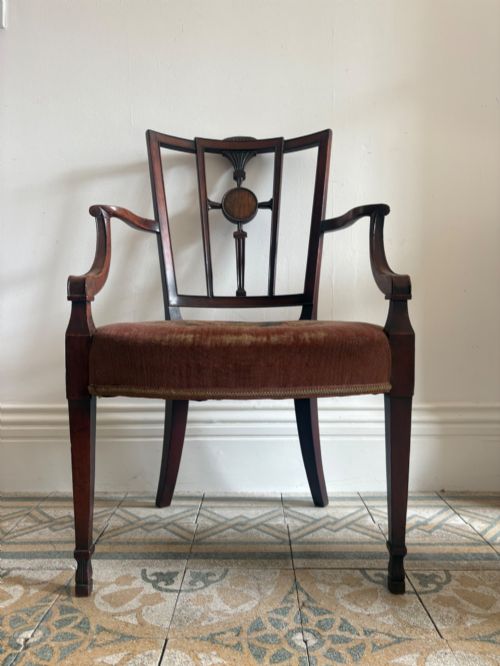
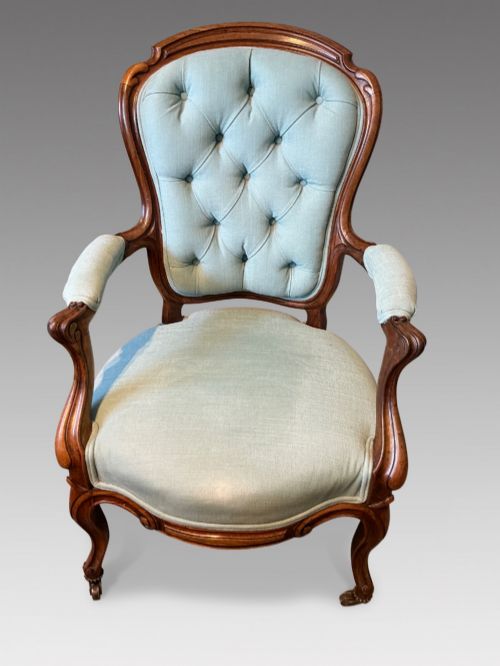
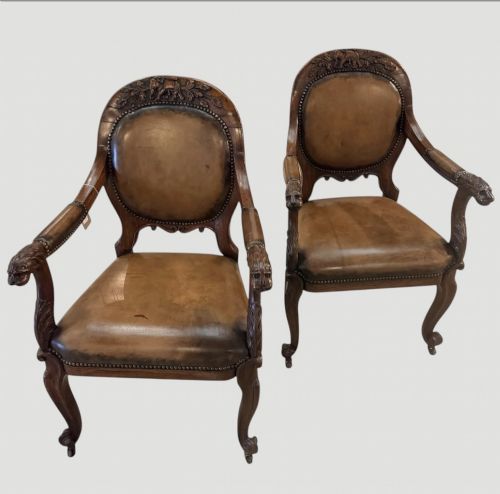
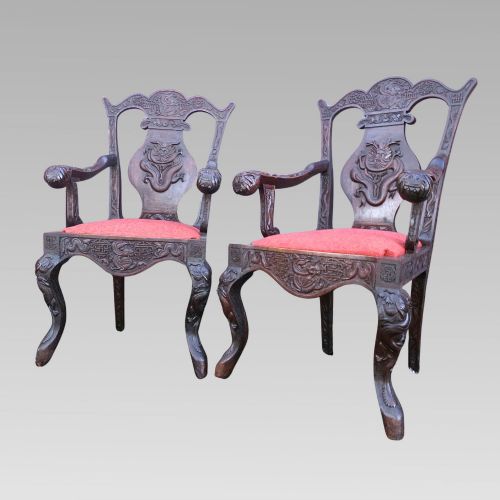
The pieces on this page encompass various regional interpretations and stylistic revivals, including French fauteuils, Anglo-Indian library chairs, and inlaid Edwardian examples. Solid rosewood frames sit alongside simulated or faux rosewood finishes, offering different visual weights within domestic interiors.
How they were made
Cabinetmakers built these frames using dense rosewood, occasionally incorporating mahogany, maple, or brass hardware such as cup castors. Timber surfaces were carved with organic motifs or inlaid with contrasting woods, reflecting the decorative vocabulary of the nineteenth century.
Upholstery techniques varied from simple drop-in pads to buttoned leather and plush velvet coverings. Frames were shaped using steam-bending and precise joinery to support the open arm structures characteristic of library and parlor seating.
Rosewood Open Armchair Retail Price Guide 2026
Typical asking prices for rosewood open armchair among the pieces listed under this phrase on Sellingantiques today, from the lower quarter to the upper quarter. They describe what is for sale here now, not the wider market.
Listings feature solid rosewood alongside simulated finishes, incorporating brass cup castors, leather panels, and velvet upholstery across multiple periods.
What varies in quality
The distinction between standard production and exceptional craftsmanship lies in the crispness of the carved details and the selection of the timber grain. Finer examples display harmonious proportions, substantial solid construction, and integration of brass mounts or fine inlay.
Makers of note and documented workshops elevate certain pieces through superior joinery and refined silhouettes. The depth of the timber finishing and the appropriateness of the upholstery materials further separate ordinary seating from distinguished examples.
Gillows·Maple and Co
The Rosewood Open Armchair Glossary
- Rosewood
- A heavy, durable timber prized for its dark, richly figured grain and reddish-brown coloration. It provides structural strength and a polished surface finish.
- Fauteuil
- An open-armed upholstered armchair originating in France, typically featuring exposed wooden framework and padded armrests. These pieces reflect stylistic periods such as Louis XV and Empire revivals.
- Simulated rosewood
- Painted or stained alternative timber made to imitate the appearance of genuine rosewood grain. This technique allowed makers to achieve an expensive look using more accessible woods.
- Brass cup castor
- A small swiveling wheel encased in a brass cup attached to the base of chair legs. It facilitated movement across carpets and wooden floors in nineteenth-century interiors.
- Open tub chair
- A seating form characterised by a curved, enclosed back that sweeps down into open arms. This design offers a compact footprint while maintaining supportive armrests.
Rosewood Open Armchair: Frequently Asked Questions
How do I identify a Regency rosewood armchair?
Regency pieces often display classical influences with clean lines, sabre legs, and brass inlay. The timber selection tends to feature high-contrast grain patterns typical of the early nineteenth century.
Such chairs frequently incorporate leather upholstery for library or desk use, reflecting the functional requirements of the period.
Are these chairs suitable for daily use?
Most antique open armchairs are structurally robust enough for regular seating, provided the joints remain tight. Solid hardwood frames offer enduring strength across Victorian and Georgian examples.
Upholstery condition varies, and modern users often update internal padding or fabric for contemporary comfort while preserving the original frame.
How do Victorian and Edwardian rosewood chairs differ?
Victorian examples tend to favor heavier proportions, rich upholstery like velvet, and carved details including button backs. They emphasise solid presence and comfort.
Edwardian pieces often introduce lighter framing, delicate inlay work, and occasional chair formats designed for flexibility within reception rooms.