
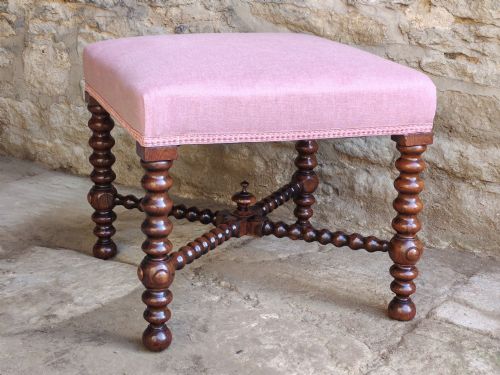
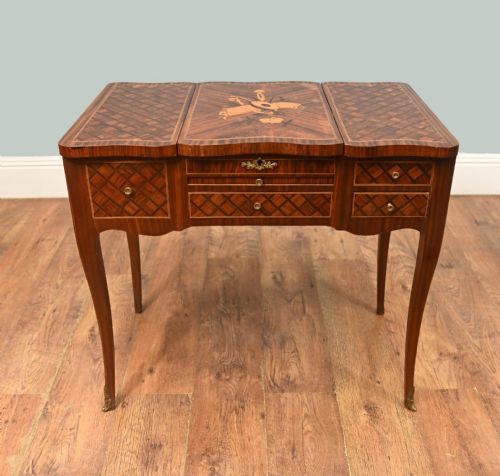


Rosewood Dressing Table
A rosewood dressing table brings rich, dark timber and refined grain to a bedroom, offering a practical surface for morning routines with distinct period charm.
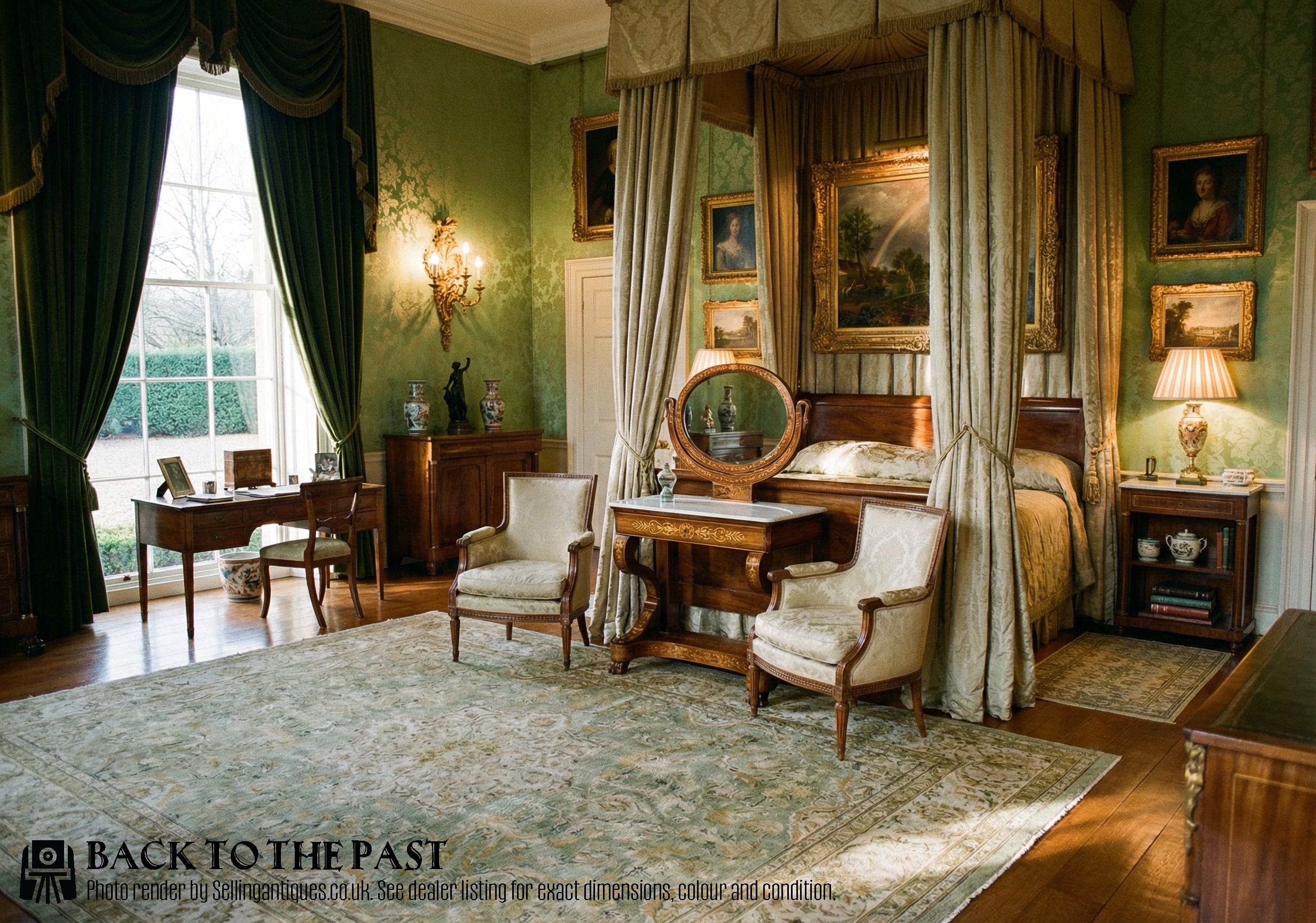
Rosewood Dressing Table
A rosewood dressing table search reveals an array of related furnishings, including dedicated dressing pieces, compact work tables, and matching stools. The examples found here span the Regency, Victorian, and Edwardian periods, alongside French and Anglo-Indian variants.
Many listings incorporate dual-purpose items such as combination work tables, writing desks, and poudreuses that fold or lift to reveal compartments. Stools and mirrors frequently accompany these dressing forms.
Victorian and nineteenth-century pieces dominate the selection, often featuring rich timber tones, inlaid mother of pearl, or crossbanded surfaces. Simpler Regency models and later Edwardian designs also appear.
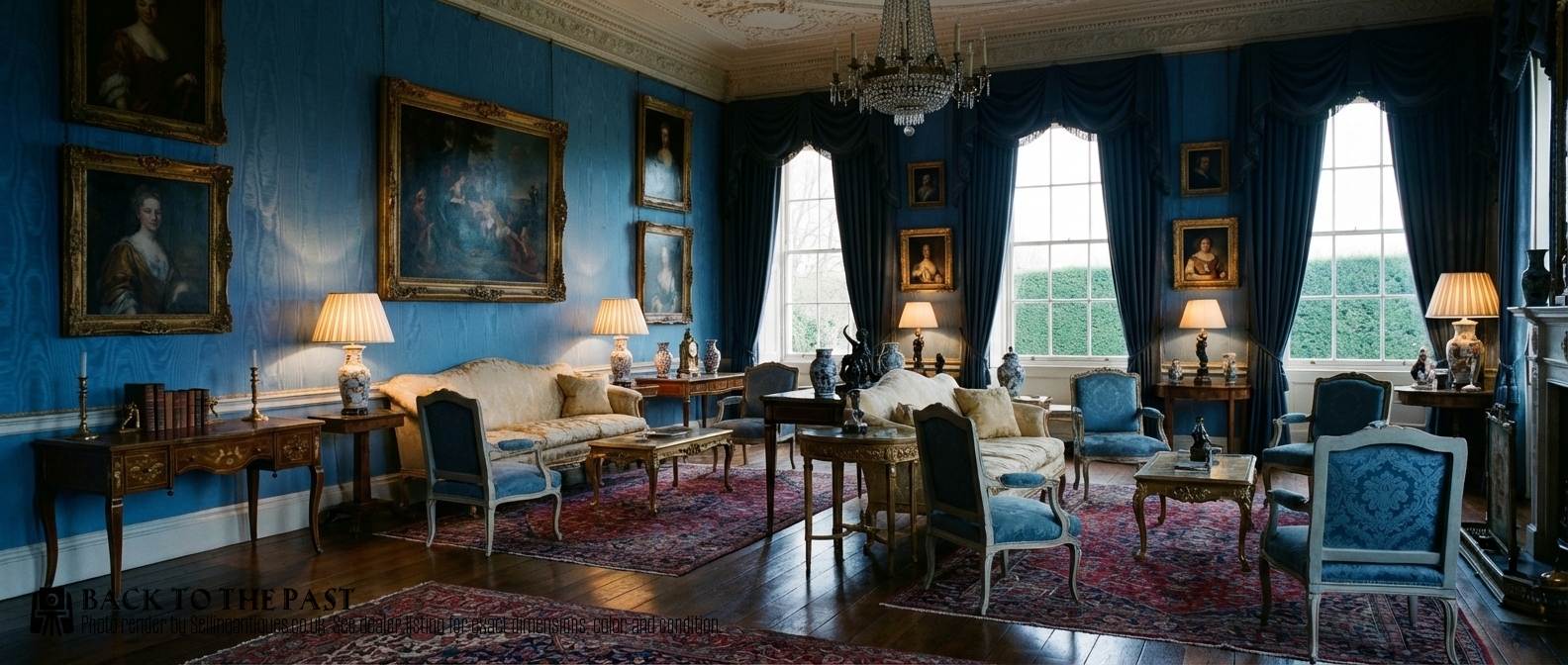
Materials and Technique
Makers utilised dense rosewood veneers and solid timbers, often combining them with contrasting woods like kingwood, satinwood, and ebony. Mother of pearl inlay and delicate brass fittings appear frequently across the documented surfaces.
Construction techniques include intricate marquetry, crossbanding, and carved details such as bobbin legs and cross-frames. Many pieces integrate pivoted mirrors, revolving mechanisms, and fitted internal compartments for cosmetics and trinkets.
Rosewood Dressing Table Retail Price Guide 2026
Typical asking prices for rosewood dressing table among the pieces listed under this phrase on Sellingantiques today, from the lower quarter to the upper quarter. They describe what is for sale here now, not the wider market.
The recorded object types include dressing tables, writing desks, cheval mirrors, work tables, and adjustable piano stools.
Evaluating Quality
Quality rests in the precision of the cabinetwork, particularly the crispness of any inlaid mother of pearl or marquetry and the tightness of the veneer joints. Superior items display well-figured grain and robust mechanical elements like smooth-revolving stool screws.
The sophistication of the carved ornamentation and the integrity of the original glass or fabric linings distinguish finer examples from more utilitarian workshop output.
Gillows
The Rosewood Dressing Table Glossary
- Bonheur du jour
- A light lady's writing desk featuring a small tiered cabinet superstructure with drawers and pigeonholes above the main writing surface. It functions equally well for correspondence and cosmetic preparation.
- Poudreuse
- A French dressing table equipped with folding top leaves that conceal a mirror and partitioned storage compartments for powders and brushes. This form gained popularity during the eighteenth century and continued through the Victorian era.
- Marquetry
- Decorative patterns formed by fitting together thin veneers of various coloured woods, shells, or metals onto a structural carcase. Craftsmen use this technique to create elaborate floral or geometric table tops.
- Cheval mirror
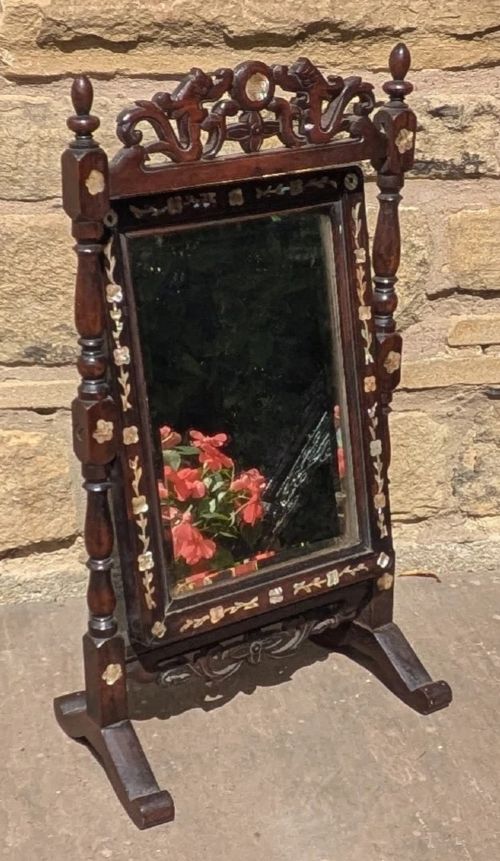
- A full-length dressing glass suspended on a vertical floor-standing frame that pivots to adjust the viewing angle. These standing mirrors often feature heavy supporting uprights and scrolled feet.
- Crossbanding
- A border technique where veneer strips are laid perpendicularly to the surrounding grain of the table top or drawer front. It creates a neat, framed perimeter around the main panel.
Rosewood Dressing Table: Frequently Asked Questions
How do I identify a Victorian rosewood dressing table?
Victorian examples typically display deep reddish-brown rosewood grain, often enhanced with mother of pearl inlay, carved scrollwork, or attached swing mirrors.
They frequently combine storage compartments with writing surfaces, reflecting the multipurpose nature of nineteenth-century domestic furniture.
Did these tables come with matching seating?
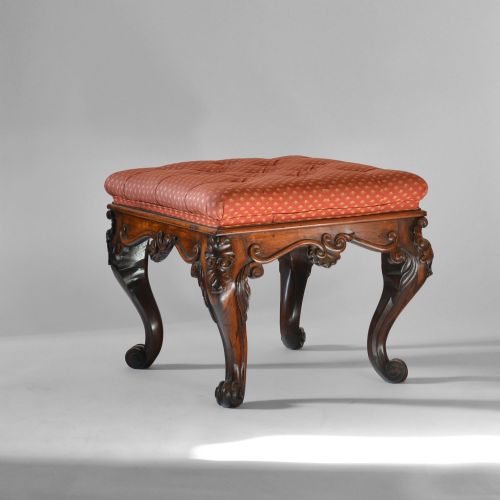
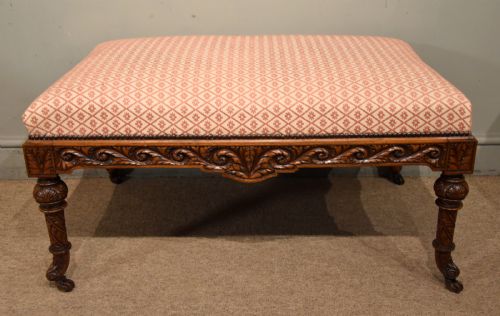
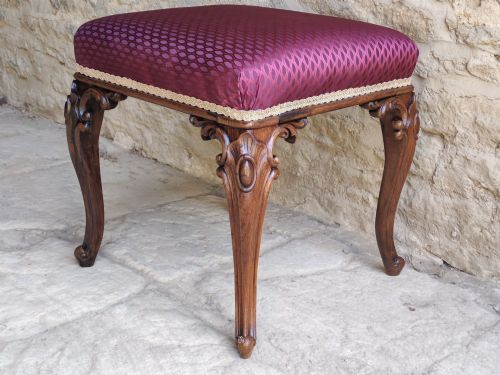
Many dressing tables were accompanied by low stools, piano stools, or X-framed chairs designed to tuck neatly underneath the surface.
These seats frequently share the rosewood timber, turned bobbin legs, or upholstered textile pads seen on the main tables.
How should I care for antique rosewood furniture?
Keep rosewood pieces away from direct sunlight and steady heat sources to prevent the timber and delicate veneers from drying out or splitting.
Dust gently with a dry, soft cloth and avoid applying modern silicone polishes that can damage the historic finish.