





Rosewood Chinese Chairs
Rosewood chinese chairs bring substantial presence and rich grain to a room, offering both ceremonial dignity and everyday seating.
Rosewood Chinese Chairs
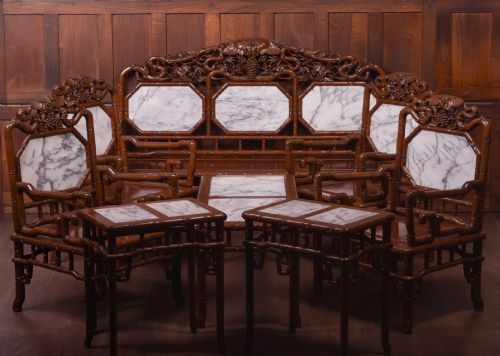
When searching for rosewood chinese chairs, you encounter seating forms ranging from individual armchairs and corner chairs to large hall benches, settles, and complete parlour suites.
The selections span the nineteenth century through the early twentieth century, encompassing Qing Dynasty pieces alongside Chinese export and traditional styles.
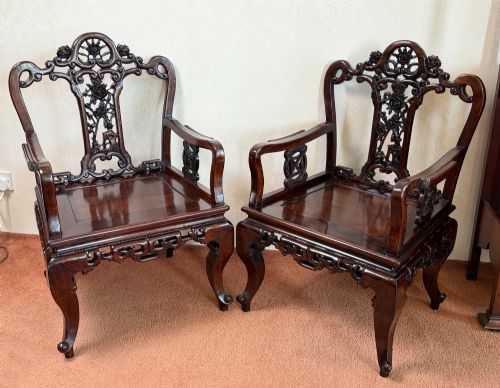
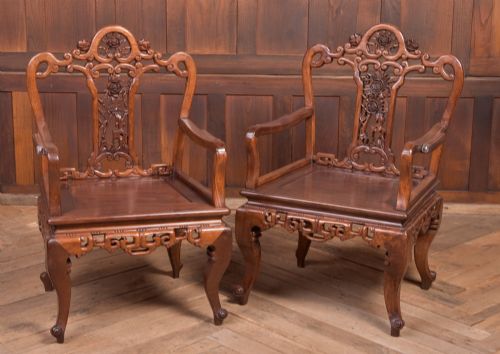
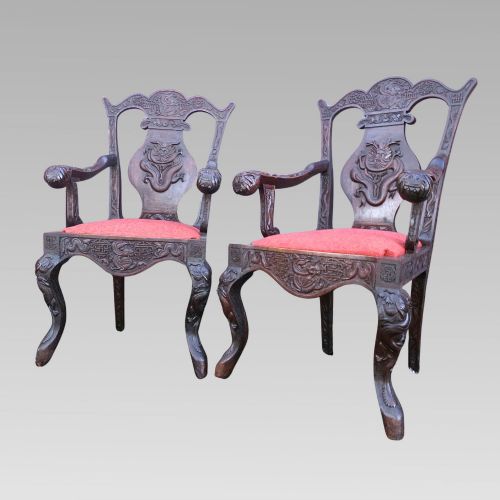
Armchairs and throne chairs predominate on this page, often appearing in pairs or as part of larger matching furniture suites.
Construction and Materials
These pieces utilise dense timbers, specifically rosewood, hongmu, and polished hardwood, chosen for structural strength and deep colouration.
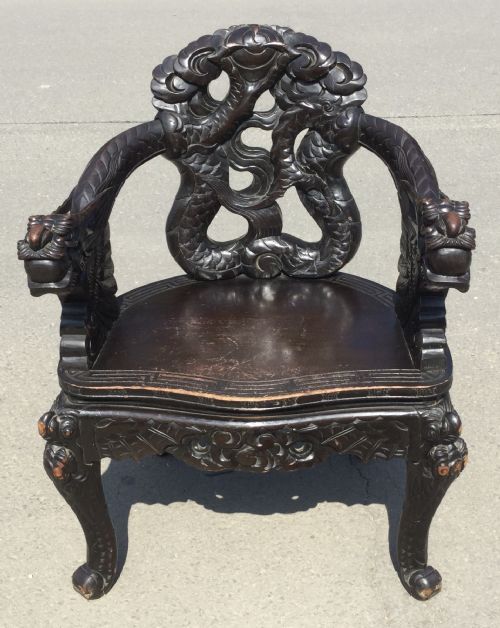
Carving serves as the primary decorative technique, shaping intricate motifs into the hardwood frame.
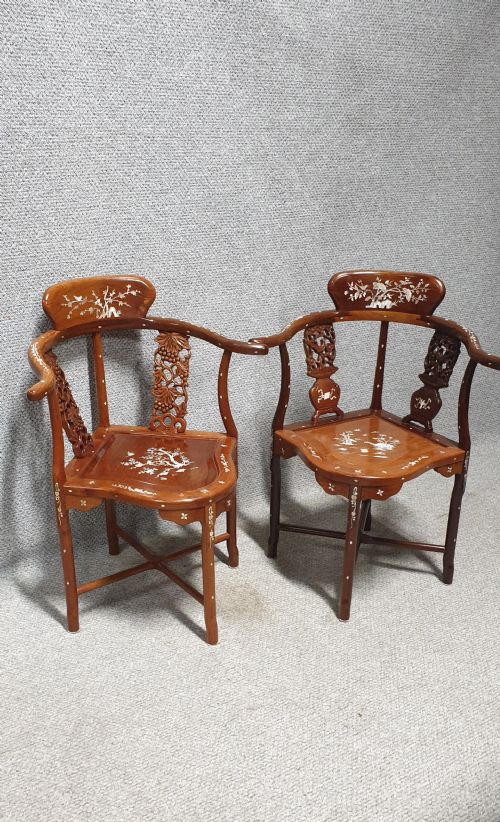
Select examples incorporate bone inlay or mother of pearl to contrast against the dark timber surface.
Listings feature pieces spanning the nineteenth century into the twentieth century, alongside Qing Dynasty and Chinese export styles.
Judging Quality
Quality rests upon the crispness and depth of the carved ornament, where master carvers achieved sharp relief in heavy hardwood.
The choice of timber grain and the uniformity of the dark finish dictate the visual harmony of each piece.
Structural integrity depends on traditional joinery methods that allow dense timbers to hold firm without modern mechanical fasteners.
The Rosewood Chinese Chairs Glossary
- Hongmu
- A category of dense, fragrant hardwoods used in traditional Chinese furniture, prized for a rich reddish-brown or nearly black colour.
- Qing Dynasty
- The final imperial dynasty of China, spanning from sixteen forty-four to nineteen twelve, known for elaborate carved seating and throne chairs.
- Settle
- A wooden bench with a high back, solid arms, and often enclosed lower storage or panels, used in grand halls.
- Throne Chair
- An imposing, high-backed armchair designed with authoritative proportions and deep carving for ceremonial use.
Rosewood Chinese Chairs: Frequently Asked Questions
Where were rosewood chinese chairs placed?
These chairs stood in formal reception halls, grand parlours, and ceremonial spaces within traditional Chinese homes to receive guests and display status.
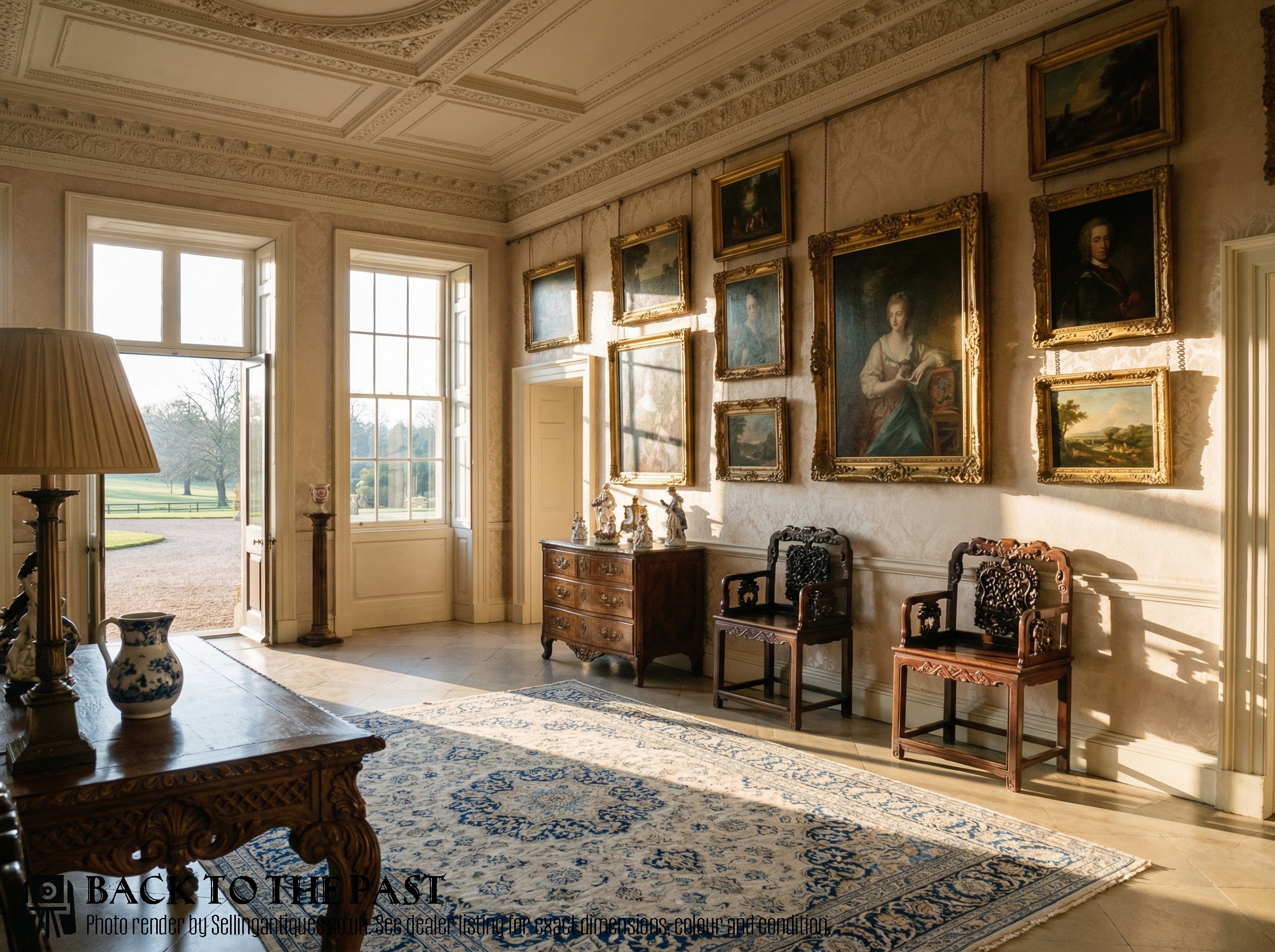
Pairs of armchairs or throne chairs typically flanked a central table along the main wall of a room.
How do I clean rosewood furniture?
Maintain the polished hardwood surface by dusting gently with a soft, dry cloth to prevent grit accumulation.
Avoid chemical polishes and excessive moisture, applying only natural wax sparingly if the timber appears dry.
Are these chairs comfortable for daily use?
Traditional designs prioritise upright posture and structural rigidity over soft cushioning, reflecting historical seating customs.
They function best as statement pieces in hallways or studies rather than lounging seats.
How do I identify a Qing Dynasty piece?
Look for deep, multi-layered carvings depicting dragons, foliage, or symbolic motifs executed in dense hongmu or rosewood.
Construction details such as hidden joinery and patinated dark hardwood surfaces also point to this imperial period.