



Carved Openwork Back Chairs
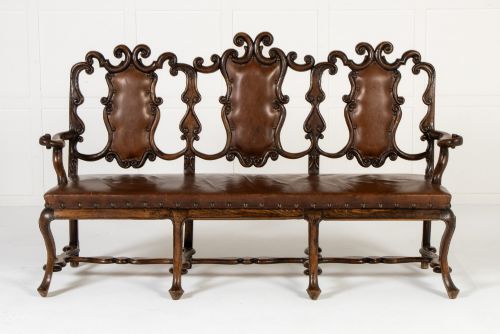
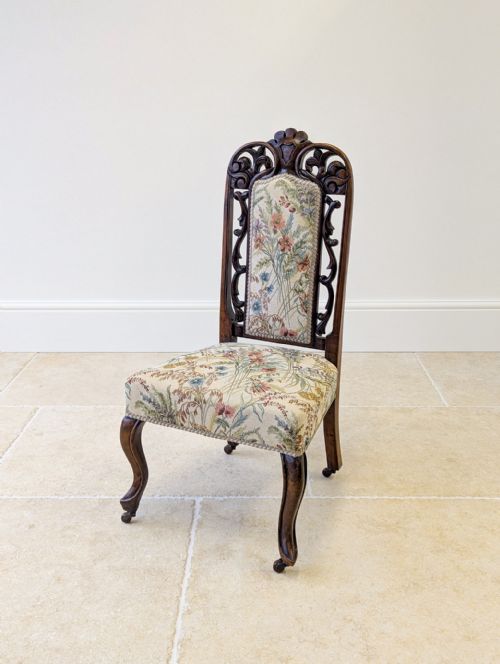
Carved openwork back chairs bring intricate fretwork and solid timber frames into a room, offering both structural support and detailed craftsmanship.
Carved Openwork Back Chairs
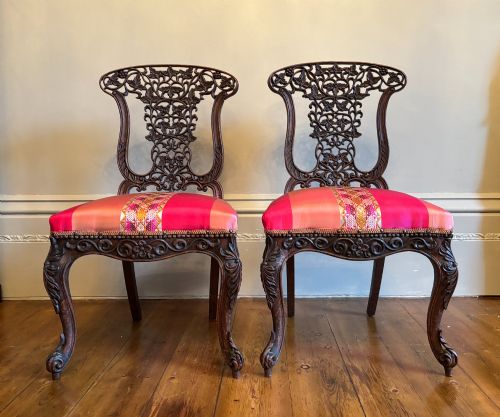
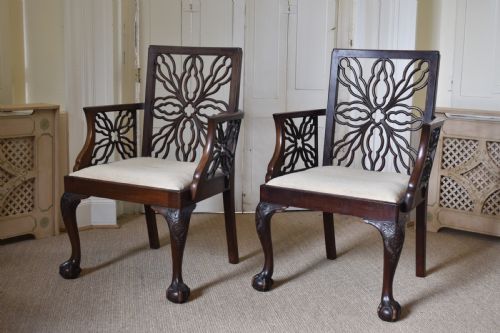
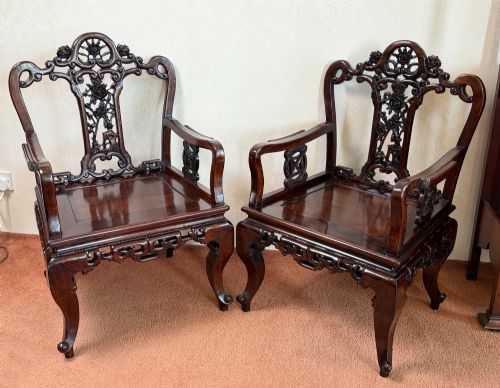
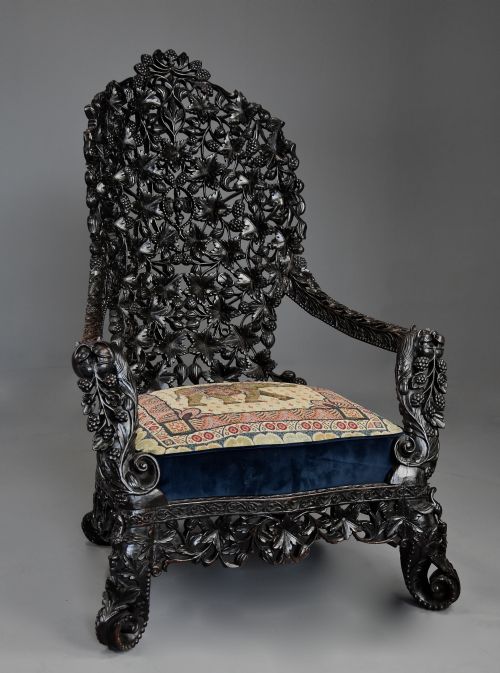
Carved openwork back chairs encompass seating with pierced splats and pierced wooden frames, spanning the nineteenth century and the Victorian era. These pieces draw on multiple design traditions, including Chippendale revival, Chinese Qing dynasty, Anglo-Indian, and Gothic revival styles.
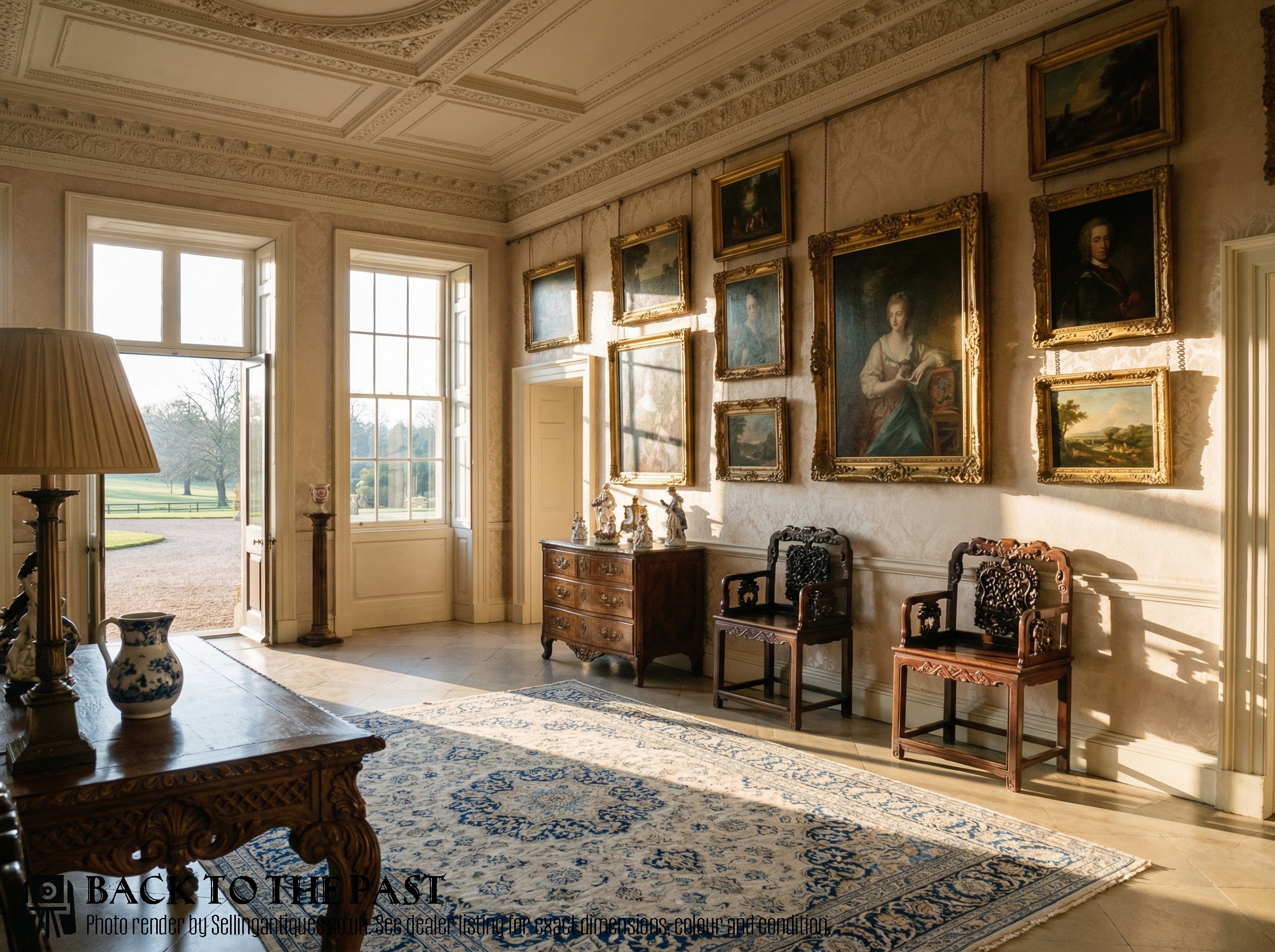
Buyers most frequently encounter nineteenth-century mahogany side chairs and Victorian salon chairs with scroll-carved backs. Examples also include Chinese Hongmu throne chairs and Anglo-Indian blackwood armchairs.
How they were made
Makers shaped these frames from dense timbers such as mahogany, walnut, rosewood, and Hongmu, often employing hand-carving techniques to create pierced backrests. Joinery relied on traditional mortise and tenon construction to ensure the openwork remained stable under weight.
Upholstered elements used materials like velvet and various upholstery fabrics, sometimes complemented by brass details or inlaid framing. Pitch pine also served for ecclesiastical forms, while blackwood and padouk accommodated colonial designs.
What varies in quality
Depth and crispness of the carving distinguish finer examples from simpler production, particularly where pierced splats meet the upright rails. Sharp chisel work and well-defined apertures indicate greater skill than shallow, rounded edges.
Selection of timber grain and the integrity of the joinery define the upper tier of these seats. Solid construction in dense hardwoods like Hongmu or mahogany holds up better over time than softer woods or poorly fitted joints.
The Carved Openwork Back Chairs Glossary
- Openwork
- Carved or pierced decoration that cuts entirely through the material to create patterns. This technique lightens the visual weight of heavy timber backs.
- Hongmu
- A traditional Chinese term for dense, red-toned hardwoods used in fine furniture. It translates literally to red wood.
- Splat
- The vertical central strip of wood in the back of a chair. In these pieces, the splat is frequently carved or pierced.
- Padouk
- A durable tropical hardwood with a reddish hue, often found in colonial furniture production. It resists warping and takes detailed carving well.
- Scroll carved
- Wood ornamentation shaped into curving, scroll-like motifs. It appears frequently along the top rails of Victorian chair backs.
Carved Openwork Back Chairs: Frequently Asked Questions
How do I style a carved openwork back chair?
These seats work well as accent pieces in living rooms or studies where the detailed backrest remains visible. Placing them away from walls allows the pierced woodwork to catch the light.
Pairing them with simpler modern furnishings lets the nineteenth-century timber and carving stand out without cluttering the room.
Were these chairs used for dining or lounging?
Many of these pieces served specific domestic functions depending on their form, from parlor salon chairs to music chairs designed for harpists. Armchairs and throne chairs provided formal seating in reception rooms.
Settees and chair-back sofas extended the carved openwork design language to multi-seater furniture for drawing rooms.
How do I identify a Victorian piece?
Victorian examples often feature scroll-carved backs, walnut or mahogany frames, and upholstered elements in velvet or fabric. The style draws on revivals of Gothic and Baroque motifs popular during the nineteenth century.
Construction methods from this period typically involve machine-assisted preparation combined with detailed hand finishing on the carved sections.
What is the difference between Chinese Hongmu and European mahogany pieces?
Chinese Hongmu throne chairs utilise dense Asian hardwoods with distinct Qing dynasty forms and deep relief carving. European pieces generally follow revival styles like Chippendale or Gothic architecture using mahogany, walnut, or rosewood.
Both traditions rely on skilled joinery, but the aesthetic vocabulary reflects distinct regional cabinet-making practices of the nineteenth century.