





Oriental Throne Chairs
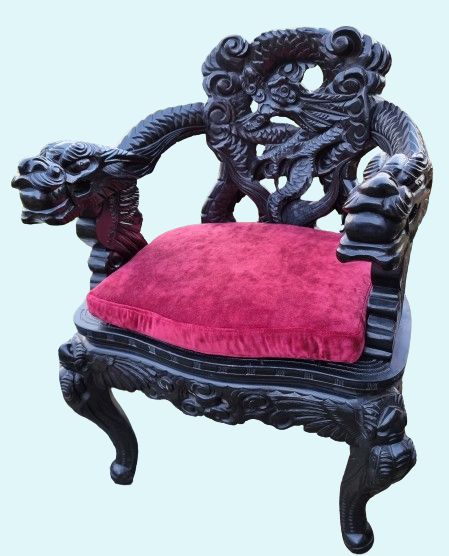
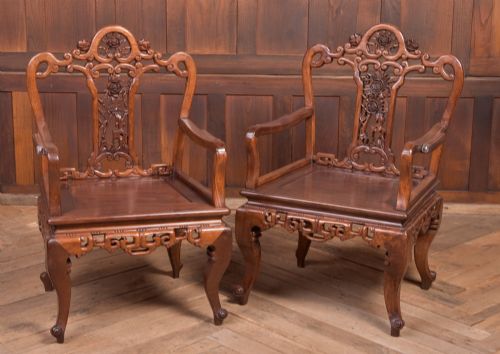
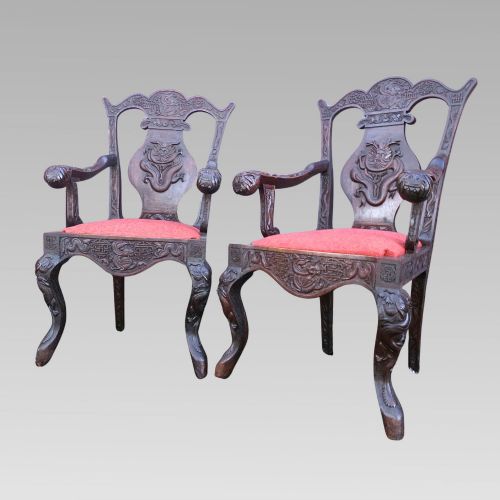
These oriental throne chairs are substantial seating forms carved from dense timbers, designed to anchor a room with architectural presence and deep relief work.
Oriental Throne Chairs
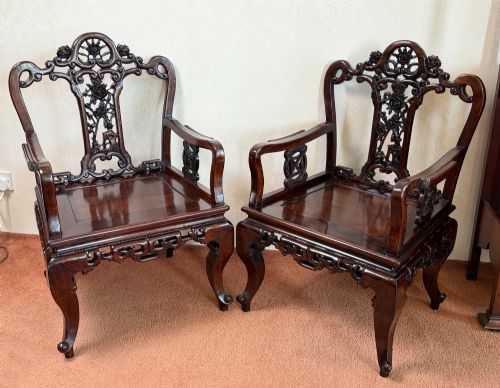
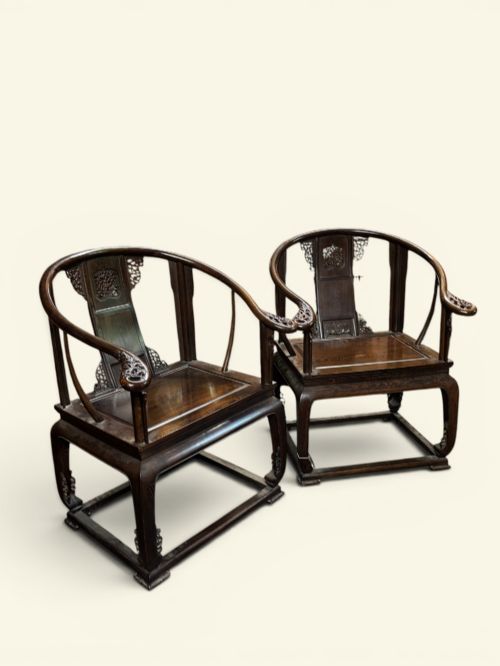
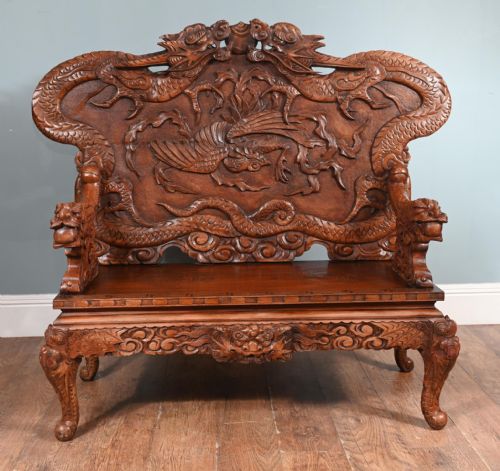
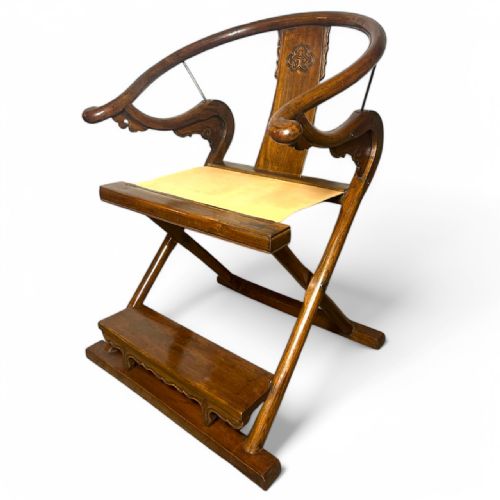
Oriental throne chairs combine high-backed seating with dense, figurative carving, drawing principally upon Qing Dynasty aesthetics and Chinese Export traditions. When searching for oriental throne chairs, buyers encounter sturdy armchairs, horseshoe-back variants, and benches shaped from heavy timbers.
The examples gathered here span from the nineteenth century into the early twentieth century, reflecting regional workshops across China and parts of India. Makers shaped these armchairs, hall benches, and settles to serve formal functions, often integrating dragon motifs or floral relief into the seat backs and frames.
How they were made
Carpenters utilised dense tropical hardwoods such as rosewood, teak, hongmu, and dark hardwood to construct these heavy frames without relying on weak joints. These timbers tolerated deep chiselling and intricate piercing for dragon scenes and scrollwork.
Surface treatments vary from polished natural grain to cinnabar lacquer applications, depending on whether the workshop prioritised the rich tone of the timber or a painted, layered finish.
The listings span from the mid-nineteenth century through the early twentieth century, utilising hardwoods, teak, rosewood, and lacquer.
What varies in quality
Depth and crispness of the hand-carving separate standard seating from exceptional examples, as skilled carvers defined scales, claws, and foliage with distinct undercut relief rather than shallow incisions. The choice of dense material also dictates endurance, with heavy hongmu and rosewood displaying tighter grain and greater structural weight than softer varieties.
Proportion and symmetry in horseshoe-backs and arms determine visual balance, while matched pairs demonstrate greater workshop planning and timber selection than single seating items.
The Oriental Throne Chairs Glossary
- Hongmu
- A dense, dark tropical hardwood traditionally utilised in Chinese furniture manufacturing for its strength and deep red-brown colouration.
- Horseshoe-Back
- A chair design featuring a continuous curved crestrail that sweeps forward to form the armrests, common in traditional Chinese seating.
- Cinnabar Lacquer
- A technique involving multiple layers of coloured resin applied to a wooden base before being carved into low-relief patterns.
- Settle
- A wooden bench with a high back and solid arms, designed to block drafts and provide formal seating in halls.
Oriental Throne Chairs: Frequently Asked Questions
Where were oriental throne chairs used?
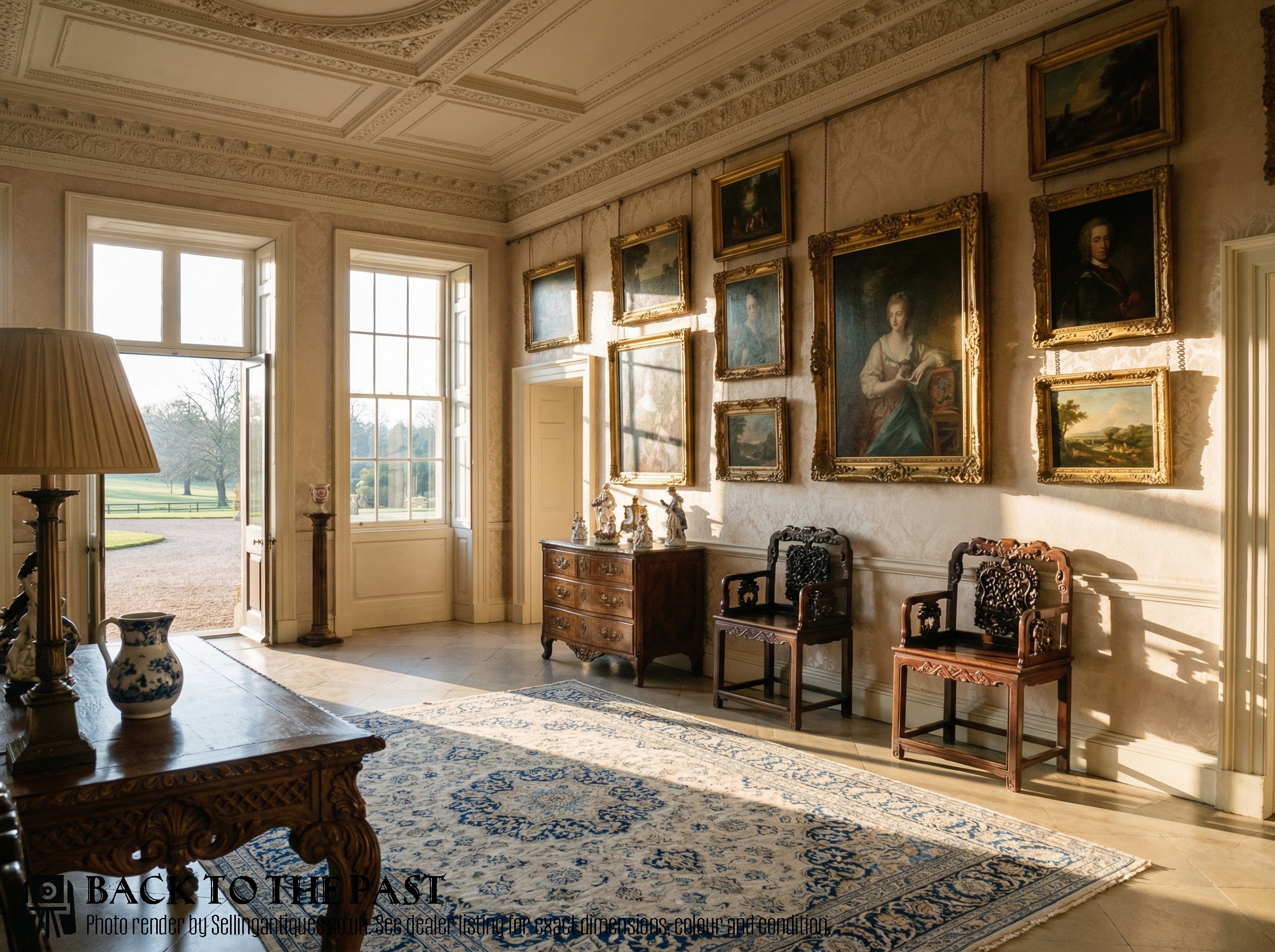
These pieces served primary reception roles within formal halls, official residences, and domestic interiors where status and ceremonial presentation mattered.
They stood against walls or at the head of rooms to command attention through sheer scale and decorative carving.
How do I care for hardwood furniture?
Maintain stable indoor humidity levels and keep timber away from direct heat sources to prevent shrinkage or splitting in the dense woods.
Dust regularly with a dry cloth and avoid harsh chemical polishes that can damage traditional lacquer or wax finishes.
What defines a horseshoe-back chair?
The defining feature is the continuous curved top rail that sweeps downward to incorporate the arm supports in one flowing arc.
This ergonomic shape supported upright posture and offered comfortable arm placement during extended sitting.
How can I tell the period?
Dating relies upon timber density, hand-carving styles, and structural joinery conventions typical of nineteenth-century and early twentieth-century workshops.
Examining the tool marks on the underside reveals whether makers used traditional hand chisels or later mechanical aids.