





Rose Cut Engagement Ring
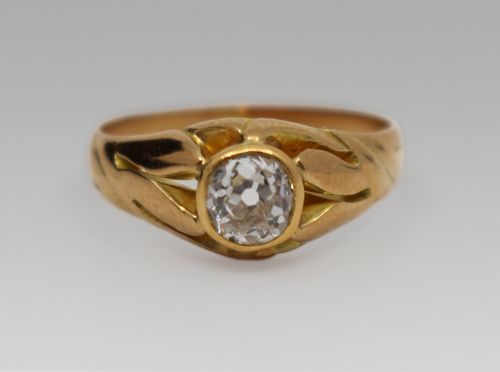
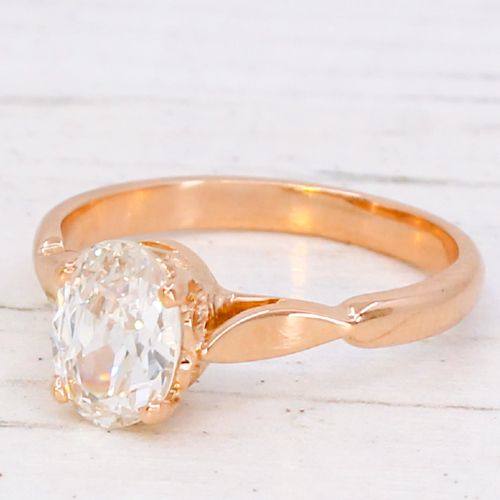
A rose cut engagement ring brings a flat-backed, dome-topped antique diamond to the finger, offering a subtle, historical sparkle that catches candlelight.
Rose Cut Engagement Ring
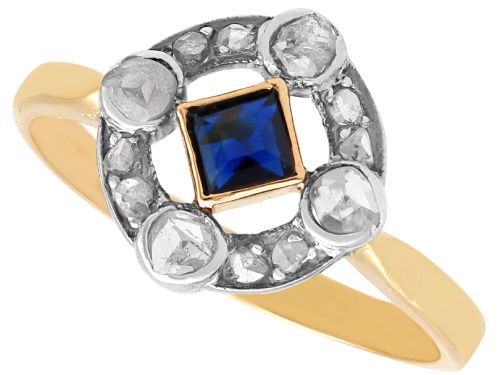
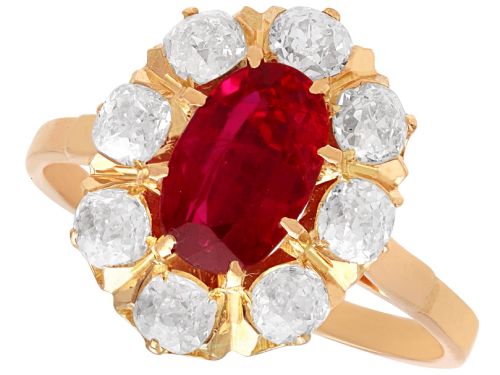
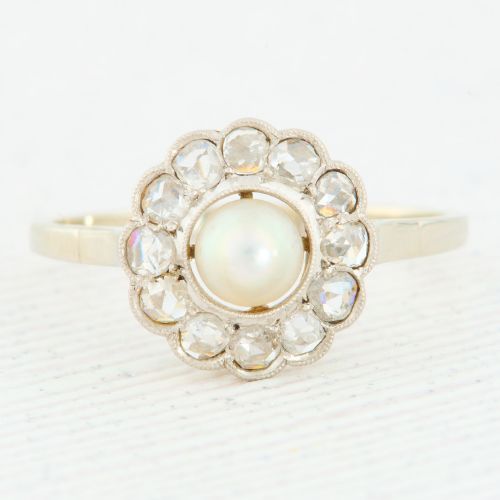
The Victorian examples often present cluster settings where smaller rose cut diamonds encircle a larger stone, or accent turquoise and opal cabochons in yellow or rose gold bands. Edwardian and Belle Epoque iterations lean towards platinum and white gold, sometimes utilising intricate three-leaf clover motifs or openwork detailing. Art Deco and mid-century versions introduce geometric arrangements, featuring modified rose cut diamonds flanked by calibrated sapphires or contrasting single cut stones.
Buyers are most likely to meet Victorian cluster designs and Art Deco geometric mountings on this page, reflecting the survival rates of these particular decades. The forms range from delicate solitaire shoulders to substantial multi-stone configurations set across low-profile mounts designed to sit flush against the hand. Each piece carries the distinct hallmarks of its period, whether through the warm hue of early gold alloys or the crisp brightness of early platinum work.
Materials and Construction
The construction of these rings relies on metals that evolved alongside the gem-cutting techniques of each era, moving from lower-karat golds and silver-topped gold in earlier periods to durable platinum by the turn of the twentieth century. Early pieces often utilise rose gold, yellow gold, or silver settings designed to reflect light upward through the flat base of the diamond. Later Edwardian and Art Deco pieces employ platinum and white gold to create fine millegrain edges and secure bezel or pave settings.
The rose cutting technique itself involves hand-faceting a stone into a dome with a flat underside, resulting in triangular facets that produce a soft, pooling lustre rather than intense brilliance. Goldsmiths shaped the metal by hand to match the irregular contours of these early hand-cut stones, mounting them in closed foils or open-backed settings depending on the period. Secondary gems such as rubies, sapphires, and pearls are flush-set, claw-set, or arranged in clustered halos that accentuate the central diamond.
Rose Cut Engagement Ring Retail Price Guide 2026
Typical asking prices for rose cut engagement ring among the pieces listed under this phrase on Sellingantiques today, from the lower quarter to the upper quarter. They describe what is for sale here now, not the wider market.
The listings span from the Georgian era through Victorian, Edwardian, Art Deco, and Mid-Century periods, utilising diamond, platinum, sapphire, gold, silver, and opal.
Factors of Quality
Quality in these rings rests upon the symmetry and proportion of the hand-cut diamond and the integrity of its historical setting. Stones with a well-centred apex and balanced facets command attention, whereas poorly executed cuts appear dull or glassy. The relationship between the stone and its mount matters deeply; top-tier examples exhibit meticulous metalwork that hugs the contours of the gem without obscuring its outline.
The preservation of the original setting distinguishes superior pieces, particularly in delicate Edwardian platinum work and Victorian claw configurations where replacement prongs alter the piece's character. Furthermore, the clarity and depth of complementary stones, such as unheated sapphires or vibrant rubies, elevate the overall execution. A harmonious balance between the central rose cut diamond and its surrounding elements denotes a higher grade of period craftsmanship.
The Rose Cut Engagement Ring Glossary
- Rose cut
- A historic diamond cutting style featuring a flat base and a domed crown covered in triangular facets. This cut predates modern brilliant cutting and produces a gentle, understated shimmer.
- Cluster ring
- A ring design featuring a central gemstone encircled by a group of smaller stones, frequently diamonds surrounding a sapphire, opal, or ruby.
- Millegrain
- A decorative jewellery technique involving a row of tiny metal beads along the edges of a setting. It is commonly found on Edwardian and Art Deco platinum mountings.
- Cabochon
- A gemstone shaped and polished with a smooth, rounded surface rather than faceted. Opals and certain sapphires appear in this form across Victorian and Edwardian pieces.
- Solitaire
- A ring featuring a single prominent gemstone mounted on a band. In these listings, they occasionally include smaller rose cut diamonds along the shoulders.
Rose Cut Engagement Ring: Frequently Asked Questions
How do I care for a historic ring?
Historic rings require gentle handling, as older settings and softer metals like silver or low-carat gold can wear down over time with harsh treatment. It is wise to remove the ring during heavy physical work or swimming to protect fragile stones like opals and pearls.
Regular inspection by a specialist jeweller ensures the prongs and settings remain secure. Cleaning should be done softly with warm soapy water and a soft brush, avoiding ultrasonic cleaners that might dislodge delicate stones.
Can these rings be resized easily?
Resizing depends entirely on the construction of the band and the presence of intricate shoulder details or full-eternity stones. Simple gold or platinum shanks can usually be altered by a skilled bench jeweller without disturbing the main setting.
However, rings featuring extensive engraving, millegrain work, or side stones extending down the band require careful assessment. Altering such bands risks compromising the structural integrity of the antique mount.
Are these rings suitable for daily wear?
These pieces can be worn daily provided they are treated with appropriate care and matched to an active lifestyle that avoids heavy impact. Platinum and higher-carat gold mountings offer good durability for everyday use.
Stones like diamonds and sapphires stand up well to regular wear, whereas softer gems like opals, pearls, or turquoise demand greater caution. Periodic checks of the settings help prevent the loss of stones.