

Victorian Halo Ring
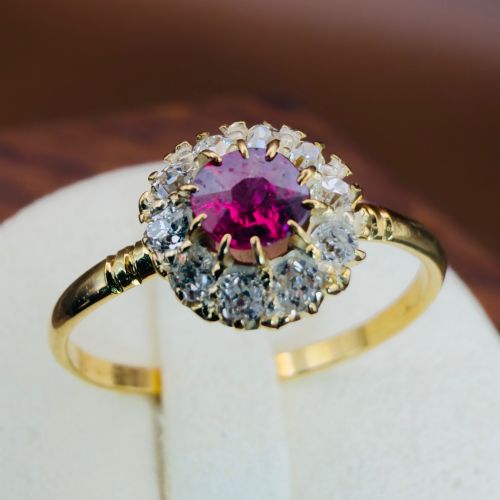
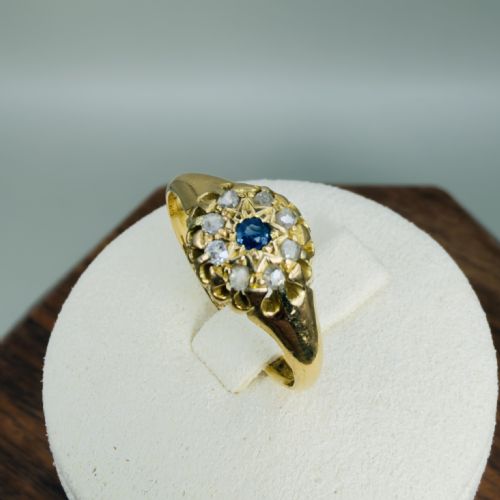
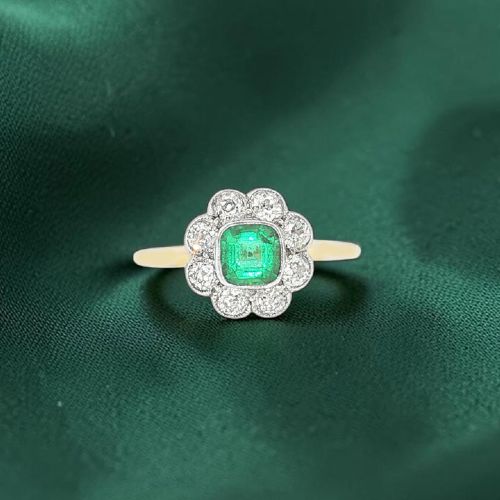
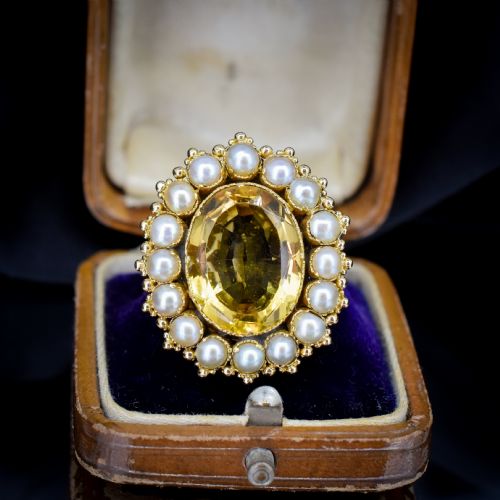
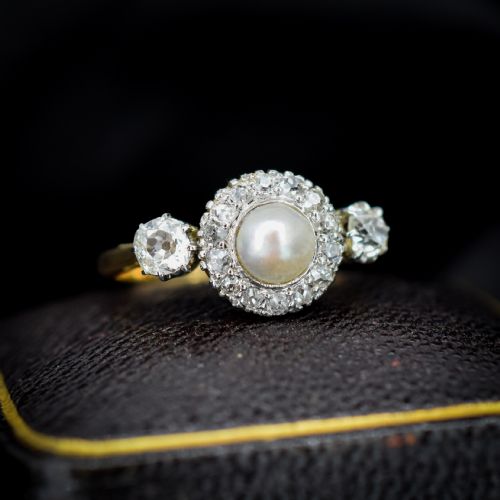
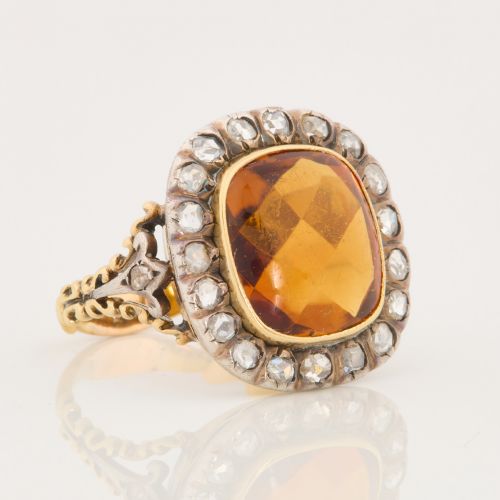
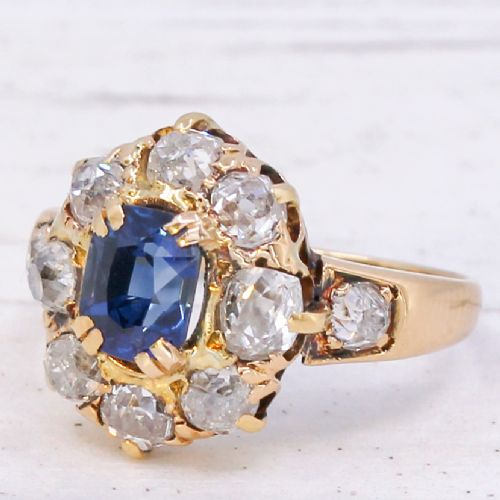
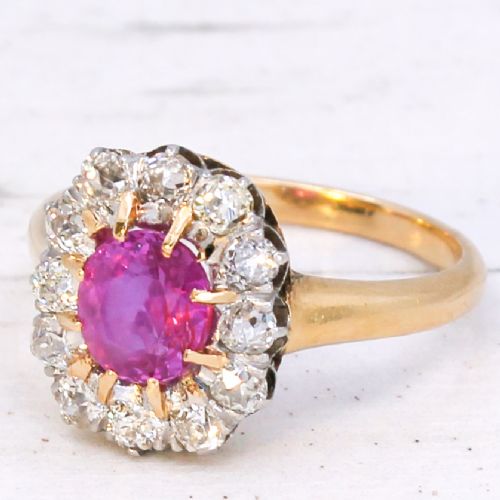
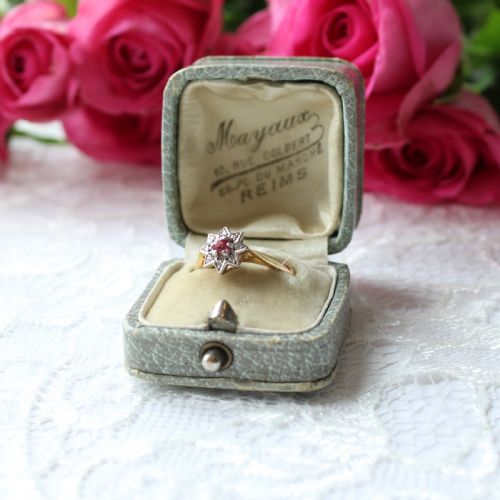
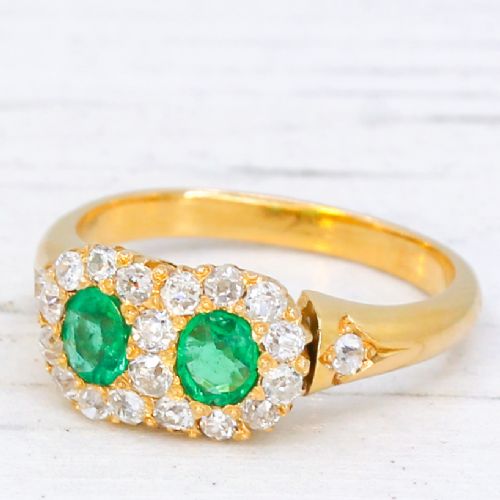
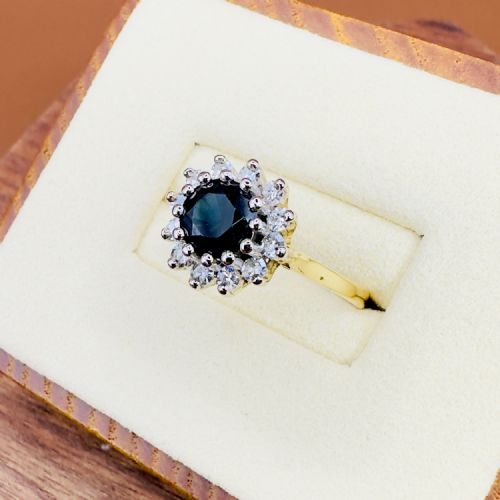
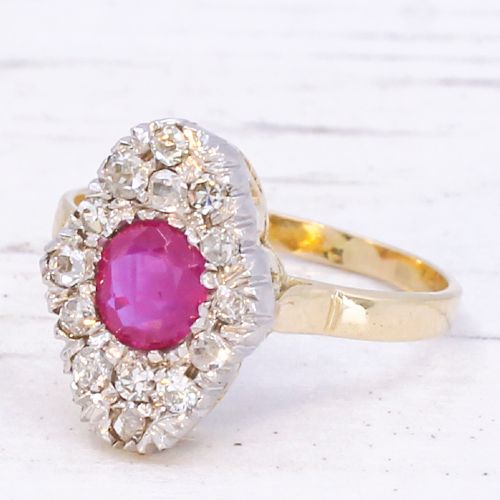
A victorian halo ring frames a central gemstone with smaller stones, bringing together the rich character of the nineteenth century and enduring elegance.
Victorian Halo Ring
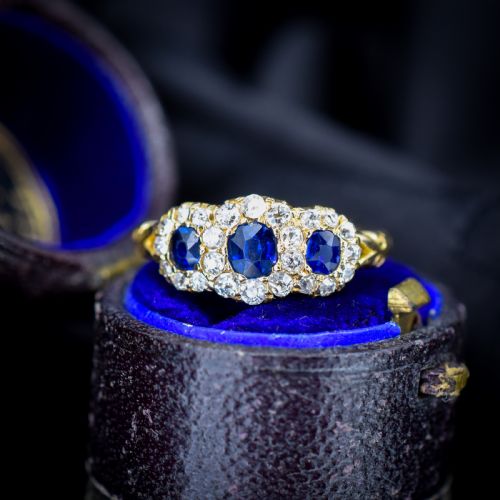
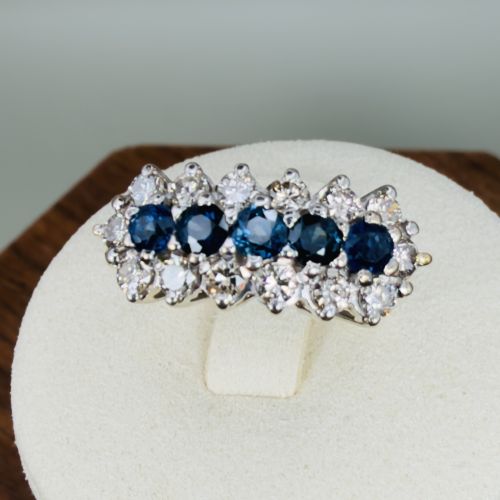
The format centres on geometric symmetry, with circular, oval, and multi-cluster configurations dominating the selections found here. Gold in various karats and shades forms the structural foundation, often paired with silver settings for the stones.
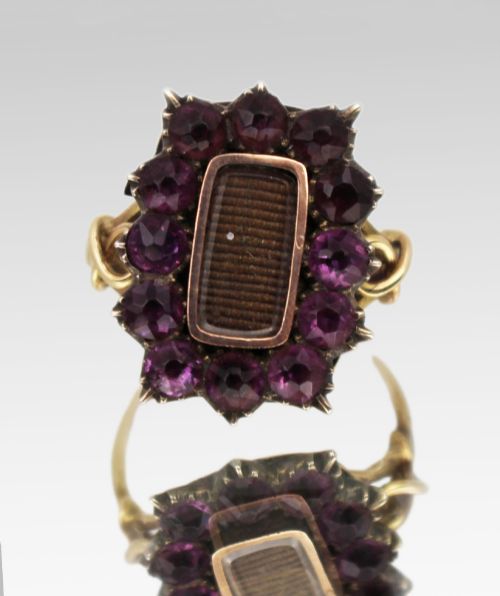
Buyers encounter traditional mourning rings alongside engagement and decorative cluster rings from the Victorian, Edwardian, and later periods. The central stone takes prominence, whether it is an unheated sapphire, a rose-cut diamond, or an amethyst.
Materials and technique
Goldsmiths utilised eighteen-carat yellow and rose gold alongside lower karats and silver to construct the mounts for these cluster designs. Stones were secured using hand-cut settings that accommodated old mine cut, rose cut, and brilliant cut diamonds alongside coloured gems.
Individual cluster configurations relied on precise hand-matching of surrounding seed pearls, turquoise, or smaller diamonds to balance the central gem. Techniques evolved from early Victorian closed-back foils to later open-backed settings that allowed light to pass through the stones.
Materials recorded here include eighteen-carat gold, silver, diamonds, sapphires, rubies, emeralds, opals, garnets, pearls, and turquoise across multiple centuries.
What varies in quality
Quality rests in the proportional harmony between the central stone and the surrounding halo, alongside the integrity of the original metalwork. The calibre of the gemstone cutting, such as old mine cuts and rose cuts, dictates the visual depth of the face.
The preservation of the original claw or bezel settings and the absence of heavy past alterations determine the structural standard. Gemstone origin reports and natural unheated statuses further distinguish exceptional examples from standard production.
The Victorian Halo Ring Glossary
- Halo cluster
- A setting style where a central gemstone is completely surrounded by a ring of smaller accent stones, usually diamonds or pearls.
- Old mine cut
- An early diamond cut characterised by a cushion shape, a high crown, and a small table, common in nineteenth-century jewellery.
- Rose cut
- A historic diamond cut featuring a flat base and a domed crown covered in triangular facets, resembling an unopened rosebud.
- Mourning ring
- A commemorative piece of jewellery worn to remember a deceased person, often incorporating dark stones, hair, or enamel.
- Cabochon
- A gemstone shaped and polished with a smooth, rounded surface rather than faceted edges, frequently seen on opals and garnets.
Victorian Halo Ring: Frequently Asked Questions
How do I wear a victorian halo ring safely?
These historical rings require gentle care due to their delicate settings and age-sensitive materials like pearls and opals. It is best to remove them during rigorous physical activities or housework to protect the claws.
Regular checks by a jeweller ensure the stones remain secure within their original mounts. Storing them individually prevents the harder gems from scratching neighbouring pieces.
Were these rings used as engagement rings?
Cluster and halo configurations served multiple purposes during the nineteenth century, functioning as fashion accessories, tokens of affection, and engagement symbols. The presence of durable stones like diamonds and sapphires made them suitable for daily wear.
Later pieces from the twentieth century frequently adopted these traditional nineteenth-century silhouettes for modern engagements.
How can I tell the period of the ring?
Dating relies on stylistic clues, gold purity hallmarks, and the specific cutting style of the diamonds or coloured gemstones. Early Victorian pieces often utilise rose-cut stones and closed-back settings, whereas later nineteenth-century examples incorporate old mine cuts.
Assay marks and registry numbers stamped inside the band provide precise chronological markers when legible.
What is the difference between a cluster and a halo?
While the terms are often used interchangeably, a traditional halo specifically denotes a uniform border of smaller stones framing a single focal gem. A broader cluster may incorporate multiple focal points, such as triple clusters or inline arrangements.
Both designs prioritise a high-impact display of colour and sparkle on the finger.