




Rope Carved Frame
A rope carved frame brings tactile texture and gilt warmth to a room, offering functional reflection through a distinctly sculptural border.
Rope Carved Frame
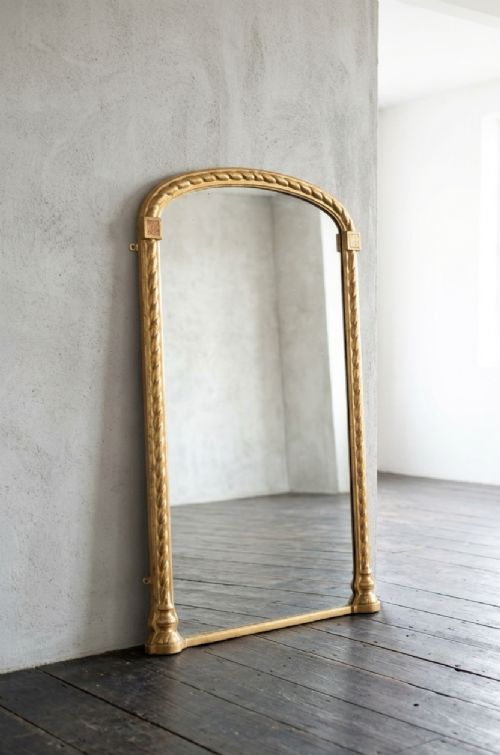
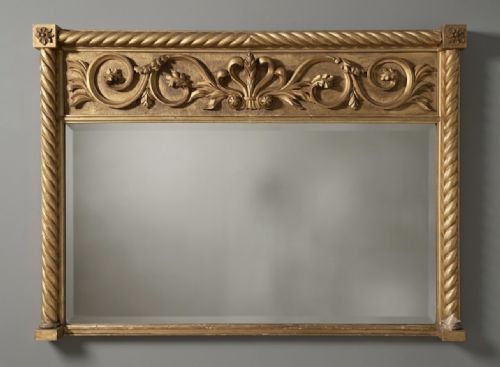
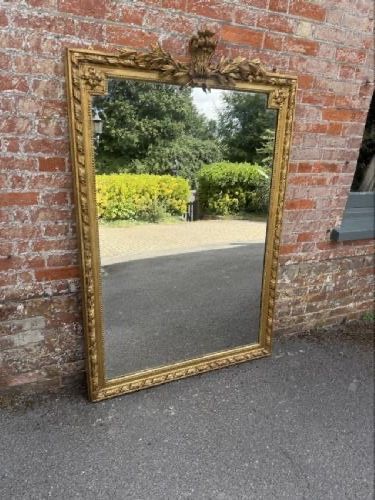
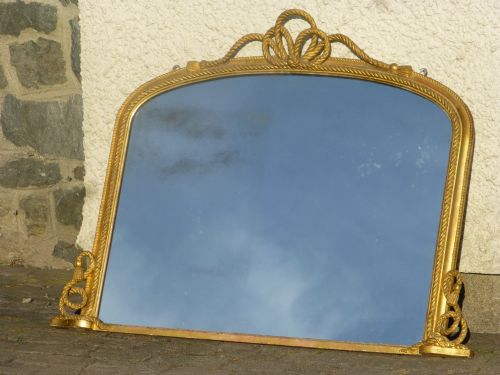
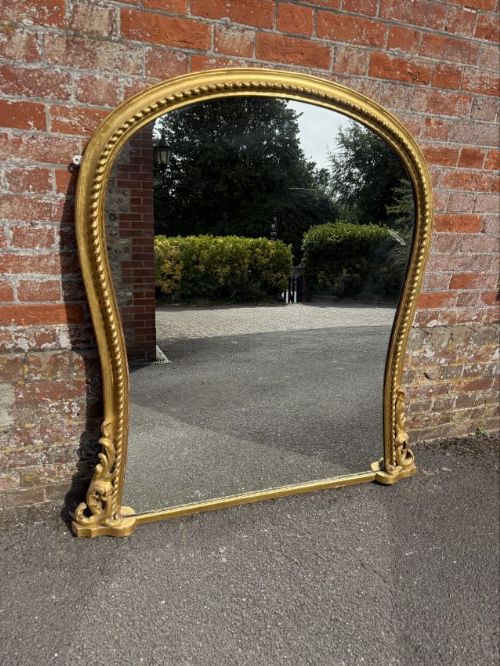
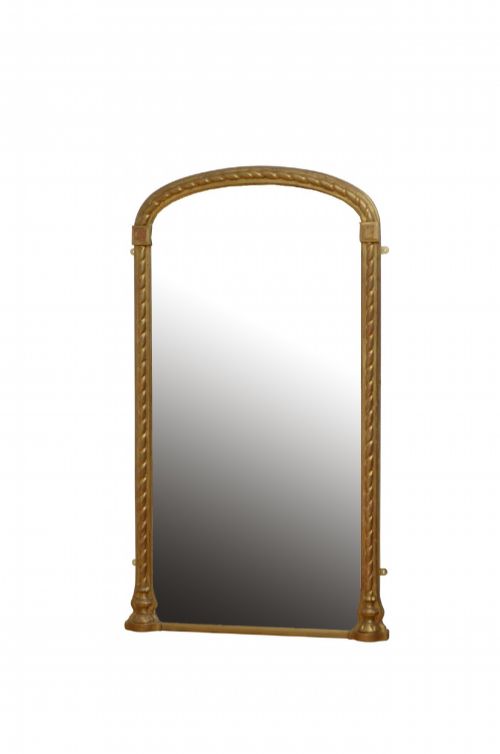
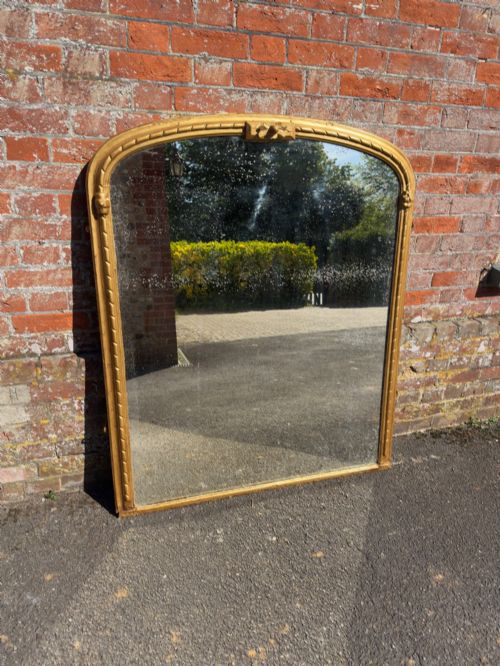
A rope carved frame primarily appears on large overmantel mirrors and pier mirrors designed for nineteenth-century interiors. These pieces combine functional glass with decorative borders that draw the eye along spiral or twist patterns.
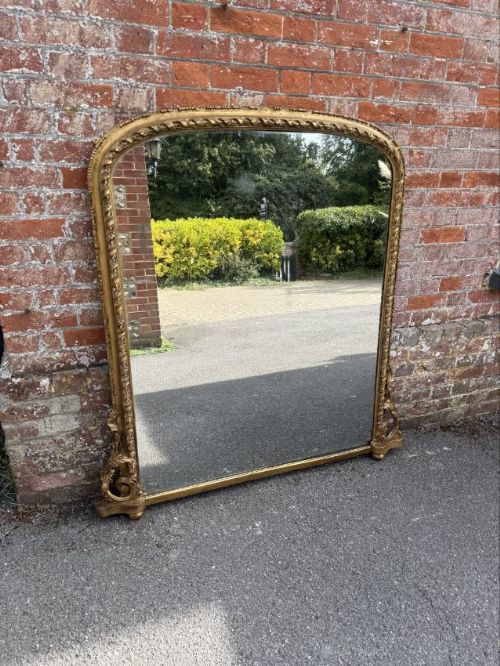
The version most commonly met on this page is a nineteenth-century English or French giltwood and gesso overmantel mirror with an arched top. Such examples frequently measure on a grand scale, intended to sit above a fireplace and reflect light across a principal room.
How they were made
Carved wood provides the structural core for these frames, utilising timber such as pine alongside applied gesso and composition details. Artisans shaped the wooden substrate before layering decorative elements to form the distinct rope twist or ribbed motifs.
Gold leaf and gilding complete the surface treatment, applied over the gesso ground to achieve a reflective metallic sheen. Original mirror glass, sometimes showing foxing or age spots, is typically set within the finished rebate.
Rope Carved Frame Retail Price Guide 2026
Typical asking prices for rope carved frame among the pieces listed under this phrase on Sellingantiques today, from the lower quarter to the upper quarter. They describe what is for sale here now, not the wider market.
Listings feature nineteenth-century pieces alongside Regency and Victorian examples, utilising materials including giltwood, gesso, pine, and original mirror glass.
What varies in quality
The crispness and depth of the carving distinguish finer examples from simpler production. Carved wood details show greater definition than moulded composition ornaments applied to lesser frames.
The integrity of the original gilt surface and the character of the mirror glass determine the overall preservation standard. Frames retaining their original gilding without heavy modern intervention hold more visual harmony.
The Rope Carved Frame Glossary
- Gesso
- A plaster-like mixture applied to a wooden base to create a smooth surface for gilding. It holds intricate moulded or carved details securely.
- Giltwood
- Timber that has been coated with gold leaf. This finish creates a luminous metallic appearance characteristic of formal nineteenth-century mirrors.
- Overmantel mirror
- A large mirror designed specifically to hang above a fireplace mantelpiece. These pieces often feature horizontal or arched proportions.
- Pier mirror
- A tall, narrow mirror designed to hang on the wall space between windows. They frequently match the height of surrounding architectural elements.
- Foxed glass
- Mirror glass that exhibits spots and discoloration caused by age and moisture degradation behind the silvering layer.
Rope Carved Frame: Frequently Asked Questions
Where should a rope carved frame mirror hang?
These large mirrors traditionally hang above a fireplace mantelpiece where they can anchor the surrounding wall space. They also suit placement on principal walls to reflect natural light and create a sense of expanded depth.
Ensure the wall construction supports the substantial weight of carved wood and glass before mounting. Placing them opposite a window maximises their ability to brighten the interior.
How do I care for antique gilt surfaces?
Dust giltwood frames gently with a soft, dry brush to prevent accumulation without disturbing the delicate gold leaf. Avoid liquid cleaners, polishes, or abrasive cloths that can strip the historic finish.
Keep these mirrors away from direct moisture and extreme temperature fluctuations to protect the underlying gesso. Professional conservation is advisable if the gilt layer shows signs of flaking.
What periods do these frames represent?
The selection spans primarily nineteenth-century pieces, encompassing Victorian, Regency, and late Georgian eras. French and English regional workshops produced variations featuring rope twist and ribbed mouldings during these decades.
Later nineteenth-century examples sit alongside earlier Regency forms, demonstrating continuity in decorative vocabulary. Each period brings subtle shifts in scale and framing profile.
Are the mirror plates original?
Many nineteenth-century frames retain their original mirror glass, often identifiable by natural foxing, slight distortions, and age spots. Some pieces may feature replacement glass fitted during their long history.
Original glass contributes to the historical integrity and authentic appearance of the piece. Examining the silvering and backing helps determine whether the plate shares the age of the frame.