





Romanticism Landscape Oil Painting
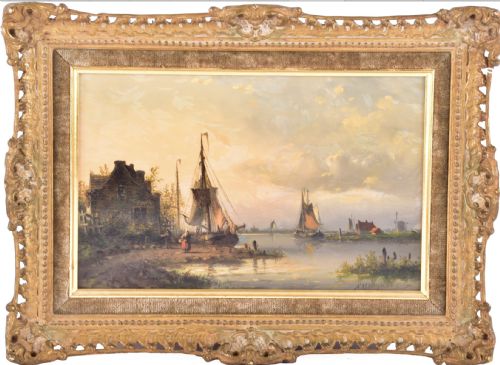
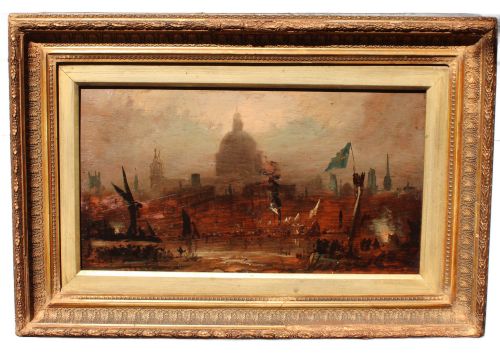
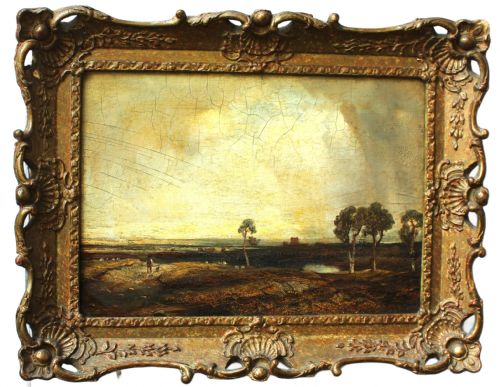
A romanticism landscape oil painting captures expansive skies and dramatic terrain through the rich mediums of the nineteenth century.
Romanticism Landscape Oil Painting
A romanticism landscape oil painting brings nineteenth-century pastoral scenes, mountain vistas, and coastal views into domestic interiors. These works embrace the atmospheric grandeur of the Georgian and later nineteenth-century periods, often depicting figures, animals, or ruins within vast natural settings.
The selection here encompasses British, German, Dutch, and Scottish school compositions, ranging from intimate studies on board to large canvases. Buyers encounter diverse regional approaches, from serene waterscapes to dramatic mountain landscapes rendered in oil.
Works on this page span the 1800s up to the early twentieth century, reflecting the enduring influence of romantic ideals. Each piece offers a window into historical depictions of nature, architecture, and rural life.
Materials and Technique
Painters applied oil paint to prepared canvas, wooden board, or panel, building up rich textures and deep tones. Ground pigments mixed with oil allowed artists to achieve subtle atmospheric effects, from serene sunsets to stormy skies.
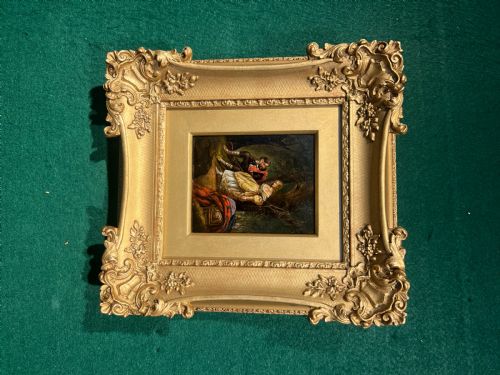
Many works retain their original giltwood and gesso frames, which often incorporate gold leaf detailing. The interaction between the painted surface and the ornate period frame completes the visual presentation of each piece.
Listings feature works from the 1800s through the early twentieth century, utilising canvas, board, oil paint, giltwood, and gesso.
Assessing Quality
The strength of the composition and the subtlety of light handling determine the distinction of a work. Superior examples demonstrate confident brushwork and a balanced integration of figures or architecture within the landscape.
The preservation of the original paint surface and the authenticity of the associated frame influence the overall integrity of the piece. Works that retain their historical depth and textural variation stand apart within the tradition.
Eugène Verboeckhoven·George Hilditch·Johannes Philippus Galjaard·John Constable·Karel Frans Philippeau·Ludwig Hermann·Alexandre Decamps·John Frederick Tennant·Peter de Wint
The Romanticism Landscape Oil Painting Glossary
- Oil on canvas
- Pigment suspended in drying oil applied to a woven fabric support stretched over a wooden frame. This primary method allowed artists to blend tones smoothly and work on a grand scale.
- Giltwood
- Wood carved and coated with gold leaf or gold paint to create a reflective, ornate surface. These frames enhance the visual depth of nineteenth-century paintings.
- Gesso
- A plaster mixture applied to wood panels or frames to create a smooth, prepared surface for painting or gilding. It provides a stable base that supports intricate decorative moulding.
- Georgian
- The architectural and artistic period spanning the reigns of the Hanoverian monarchs, characterised by classical proportion and romantic sensibilities in landscape art.
- Oil on board
- Pigment applied directly to a rigid wooden support rather than flexible canvas. This technique was frequently utilised for smaller studies and en plein air sketches.
Romanticism Landscape Oil Painting: Frequently Asked Questions
What defines a romanticism landscape oil painting?
These works focus on emotional engagement with nature, often featuring dramatic skies, moody waterscapes, or solitary figures within expansive terrain. Artists utilised oil paint to capture changing light and atmospheric depth.
The style draws heavily from nineteenth-century aesthetics, encompassing both British pastoral scenes and broader European traditions including German and Dutch school influences.
How should I display these paintings?
These works suit traditional and contemporary interiors alike, particularly when hung on plain walls that allow the framed canvas to command attention. Proper placement avoids direct sunlight to protect the oil pigments and gilt frames.
Pairing a landscape with period furniture creates a cohesive historical context within a room. Consideration of eye-level hanging ensures the painted perspective reads correctly.
How do I date an oil painting?
Dating relies on stylistic markers, the specific preparation of the canvas or board, and the framing materials characteristic of periods like the Georgian era or the late nineteenth century. Signatures and inscriptions often provide direct confirmation of the artist's active period.
Examining the stretcher frames and backing materials yields further clues regarding the age of the physical object.
What is the difference between canvas and board?
Canvas provides a flexible woven support that accommodates larger compositions and textured brushwork. Board offers a rigid wooden surface well-suited for smaller preparatory studies and portable outdoor sketching.
Both supports received similar oil paint applications, though board paintings often reflect a more immediate, spontaneous approach by the artist.