




Romantic Landscape Oil Painting
A romantic landscape oil painting transports the viewer to atmospheric vistas, dramatic coastlines and tranquil woodlands captured across past centuries.
Romantic Landscape Oil Painting
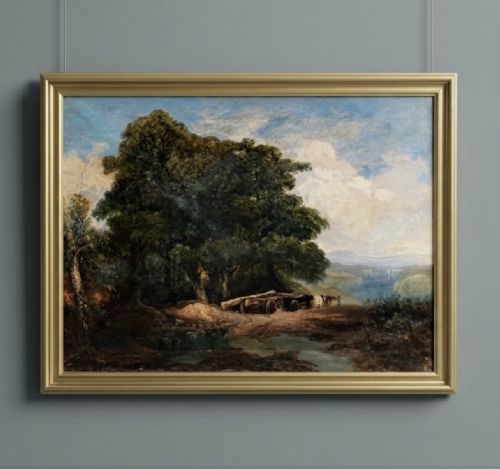
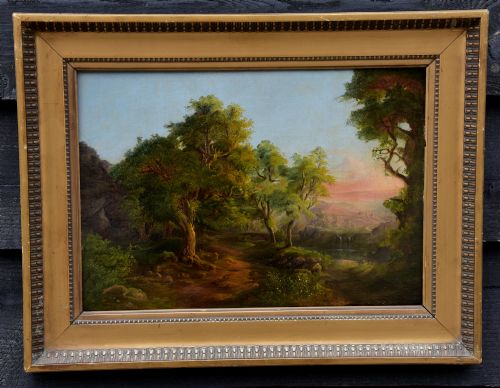
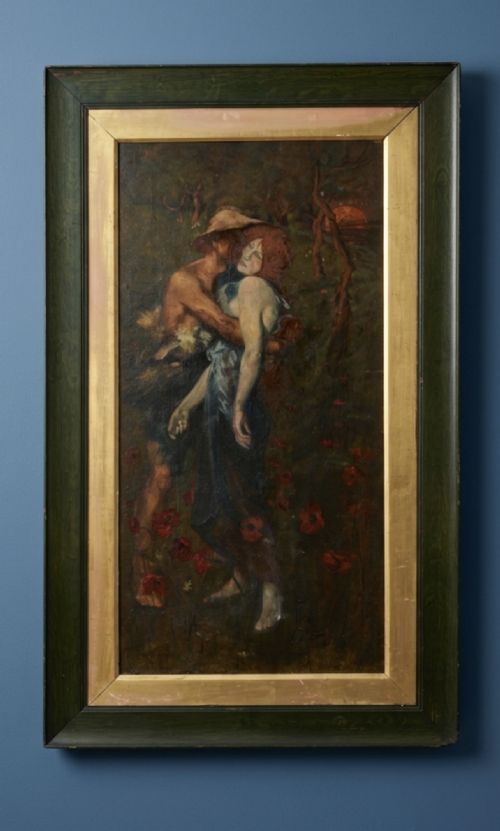
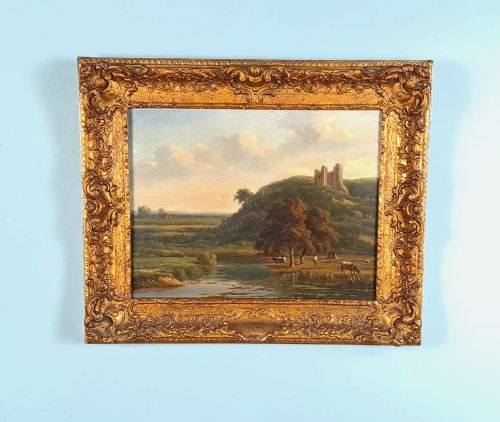
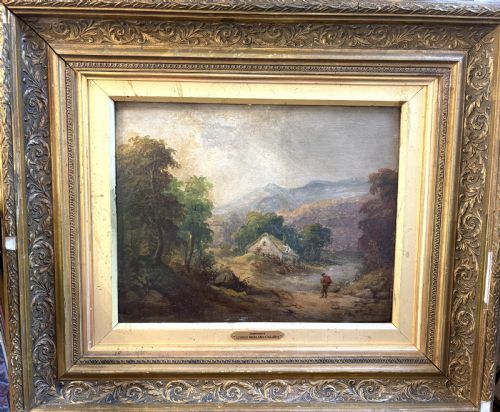
A romantic landscape oil painting captures the dramatic mood of nature, historic ruins and rural life through expressive brushwork and atmospheric light. These works emerge predominantly from the nineteenth century, encompassing Georgian, Regency and Victorian periods of artistic production.
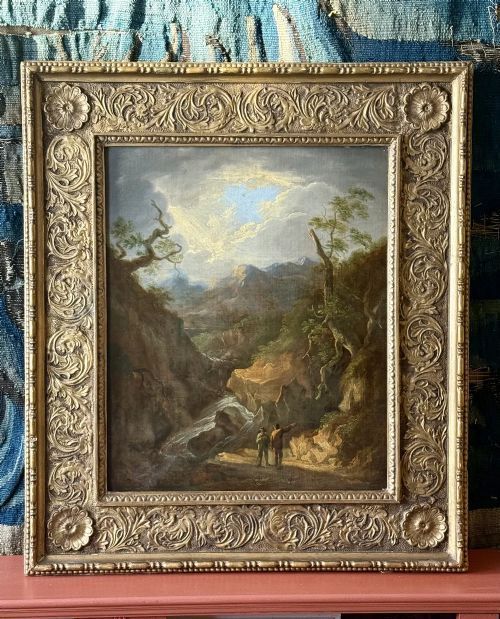
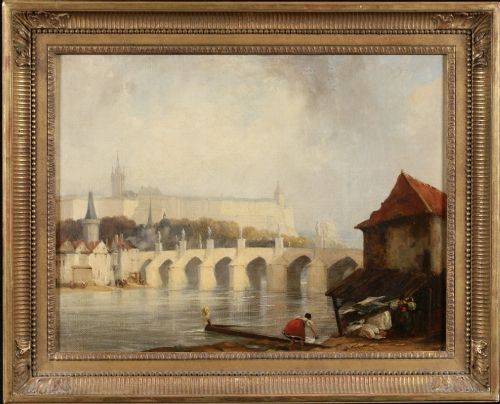
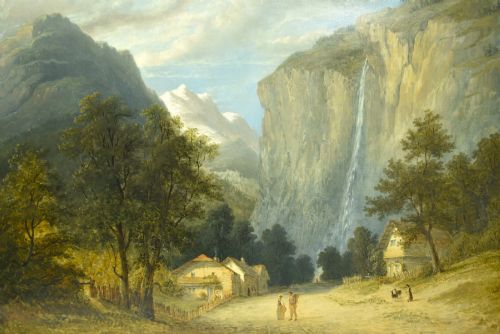
Buyers frequently encounter oils rendered on canvas or wooden panel, often housed within original giltwood and gesso frames. The subjects range from expansive mountain ranges and cascading waterfalls to quiet coastal paths and riverscapes populated with figures or livestock.
How they were made
Artists applied oil paint using fine brushes and palette knives onto prepared supports of woven canvas, wood panels or paper to build depth and texture. Pigments mixed with binding oils allowed for rich tonal gradations, particularly when depicting dramatic skies, water reflections and deep shadows.
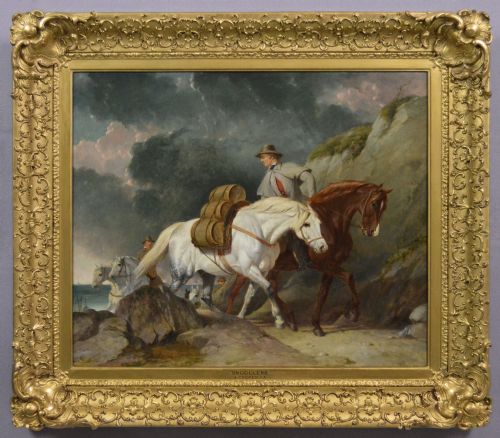
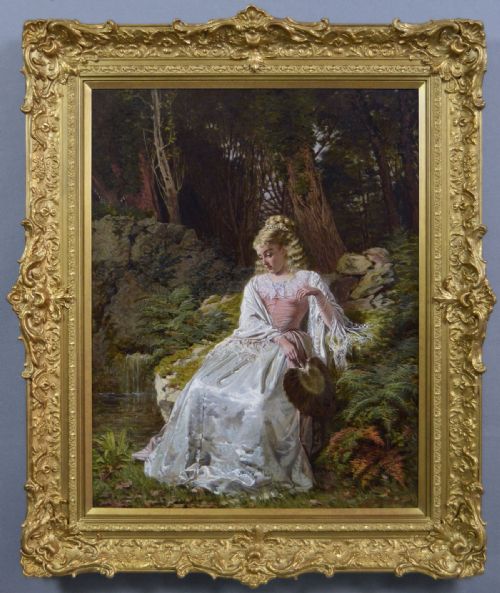
Many surviving examples retain their period frames constructed from carved wood, embellished with moulded gesso and finished in decorative gilt leaf. These surrounds formed an integral part of the presentation, complementing the scale and palette of the painted composition.
Several canvases feature determined sheep, sturdy horses and faithful dogs steadfastly braving dramatic nineteenth-century weather alongside their human companions.
What varies in quality
The distinction between superior works and standard pieces rests upon the artist's handling of light, atmospheric perspective and anatomical accuracy in figures or animals. Master painters achieved subtle colour harmony and convincing spatial depth, whereas lesser works remain stiff and formulaic in execution.
Condition and originality also influence a piece, particularly the preservation of the paint surface and the retention of the period frame. Works showing minimal overpaint and retaining their historic character command greater appreciation among collectors.
Richard Sebastian Bond·Benjamin Barker of Bath·Abraham Cooper RA·T C Hofland·George Morland·Carl Johan Fahlcrantz·Thomas Edward Roberts·Eugene Joseph Verboeckhoven·Abraham Hulk Snr·James de Rijk·Hendricus Joseph Dillens·Alphonse Robert·James Bell Anderson·Andreas Schelfhout·Frederick Richard Lee RA·James Ward RA·Ludwig Hermann·Robert Thomas Buttery·Charles Pettitt·Eiler Rasmussen Eilersen·Auguste Bohm
The Romantic Landscape Oil Painting Glossary
- Giltwood
- Carved wood treated with gold leaf or metallic powder to create a bright, reflective surface. It is commonly found on nineteenth-century picture frames.
- Gesso
- A plaster-like mixture applied to wooden panels or frame mouldings to provide a smooth base for gilding and ornamentation. It was widely utilised in period framing techniques.
- Canvas
- A heavy woven fabric stretched tightly across a wooden frame to serve as a sturdy support for oil painting. This material dominates nineteenth-century fine art production.
- Panel
- A flat piece of wood used as a rigid substrate for painting instead of fabric. Panels frequently preserve fine detail and smooth surface textures.
- School
- A group of artists working within a specific region or sharing a common stylistic approach during a particular era. Attributions often reference these regional traditions when individual signatures are absent.
Romantic Landscape Oil Painting: Frequently Asked Questions
What subjects appear in these paintings?
These works depict varied natural and architectural settings, including towering mountain ranges, tranquil lakes, coastal paths and historic ruins. Scenes frequently incorporate figures, livestock or sailing vessels to add narrative scale to the expansive scenery.
Artists drew inspiration from domestic countryside views as well as continental travels through Switzerland, Germany and the Netherlands. Each composition captures a distinct atmospheric mood, ranging from bright coastal daylight to moonlit waterways.
How do I identify the period?
Dating relies on stylistic clues, framing techniques and materials such as canvas texture or wood panel preparation. Nineteenth-century works often exhibit the romantic focus on untamed nature, dramatic weather and historical architecture.
Signatures, artist inscriptions on the reverse and biographical dates provide further confirmation. Comparison with documented works by contemporary schools helps narrow the timeframe of unsigned pieces.
Are these works painted on canvas?
Many examples utilise woven canvas stretched over wooden frames, which became the standard support for larger landscape compositions during the nineteenth century. This medium allowed artists to employ varied brushstrokes and heavy impasto.
Alternative supports include wooden panels and stiffened paper, particularly for smaller cabinet paintings or preparatory studies. Each material influences the texture and preservation of the paint layer.
How should I hang an oil painting?
Displaying these works requires a stable environment away from direct sunlight, high humidity and extreme temperature fluctuations. Proper picture hooks and wall anchors must match the weight of the heavy timber and gesso frames.
Positioning the painting at eye level ensures optimal viewing of the fine tonal details and atmospheric perspective. Adequate spacing allows the original frame to complement the surrounding interior wall.