




Romantic Landscape Art
Romantic landscape art captures dramatic scenery and tranquil vistas through the brushwork of nineteenth-century painters.
Romantic Landscape Art
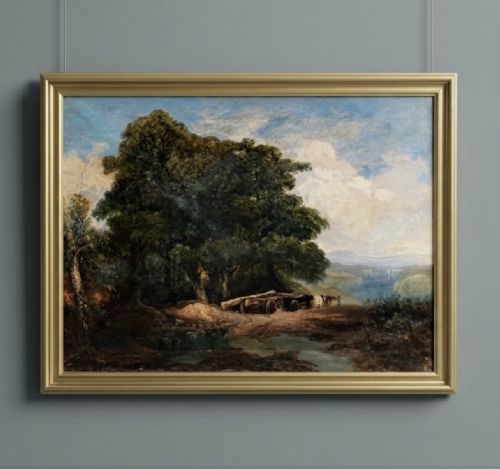
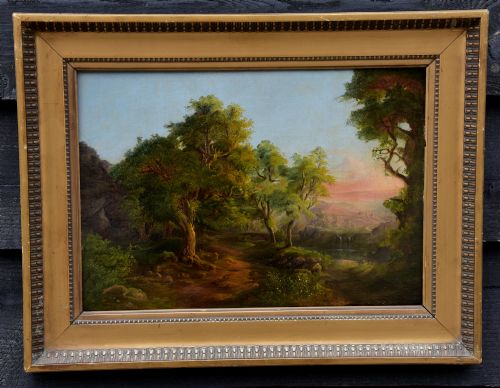
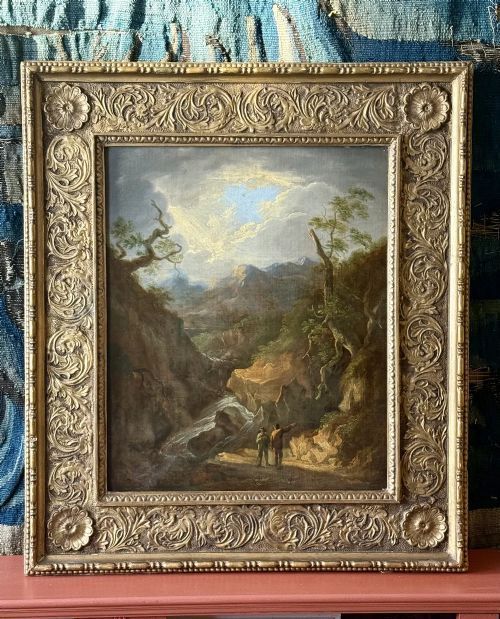
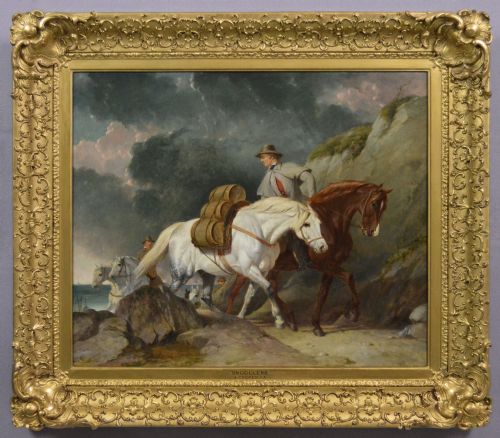
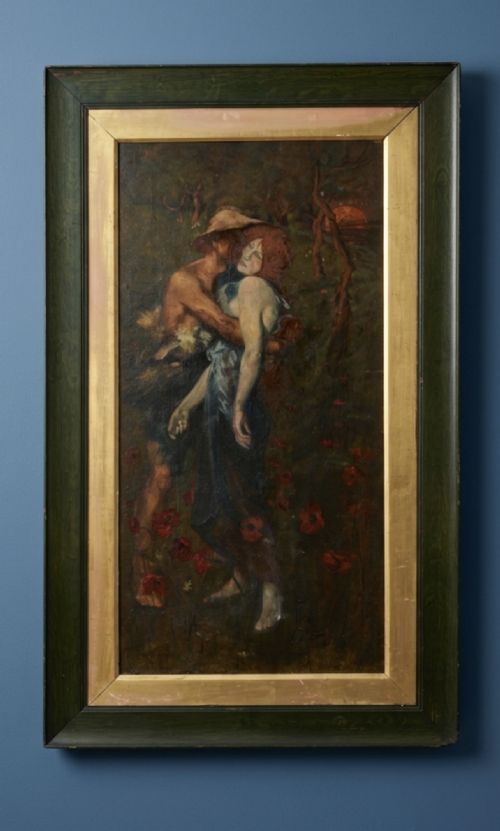
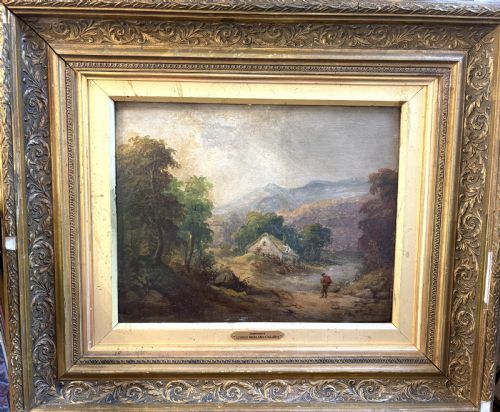
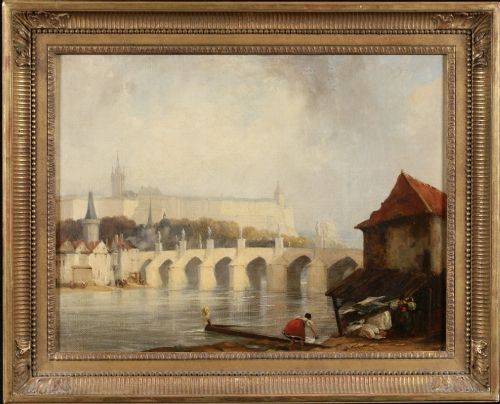
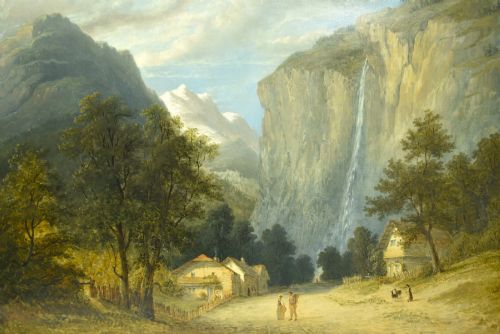
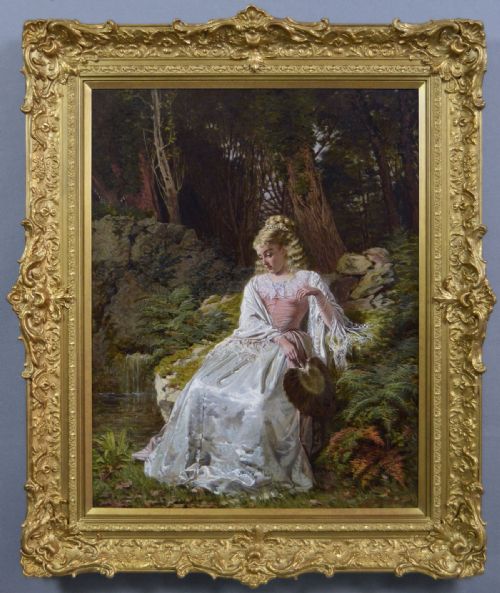
When you search for romantic landscape art, you find nineteenth-century oil paintings, watercolours, and charcoal works that depict pastoral scenes, rugged mountains, and coastal views. These pieces reflect the artistic movements of the Victorian, Georgian, and Regency periods, drawing inspiration from British, Dutch, and Continental schools.
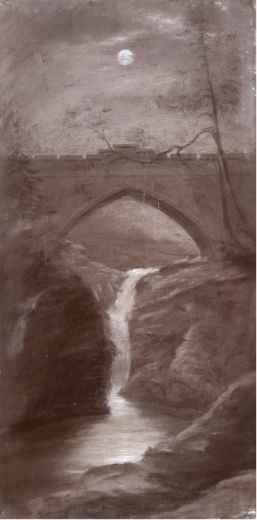
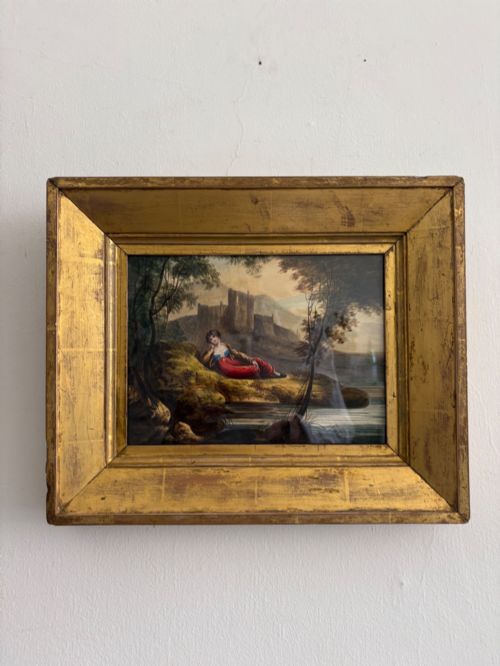
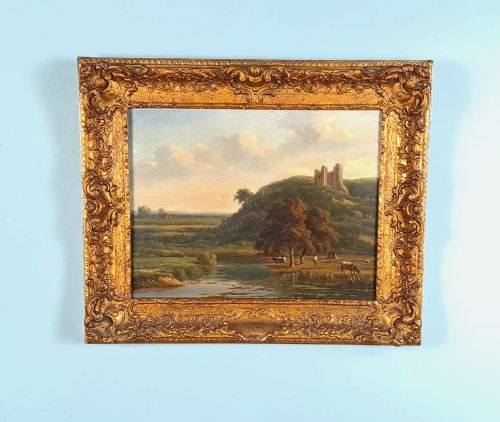
You are most likely to meet framed oil paintings on canvas or board, alongside delicate watercolours on paper. The subjects range from Scottish highlands and Swiss waterfalls to busy harbours and quiet woodland pools, often populated by figures, animals, or distant ruins.
Many works bear the attribution of known painters or originate from regional schools working in the distinct manner of the era. The selection spans pastoral serenity and dramatic maritime or alpine storms, framed typically in original giltwood and gesso.
Materials and Technique
Artists painted primarily with oil on canvas or wood board, building up rich textures and deep tones that defined the nineteenth-century aesthetic. Watercolours on paper offered a lighter, more fluid medium for capturing atmospheric weather and distant light.
Works frequently sit within heavy giltwood and gesso frames that complement the grand scale or intimate detail of the composition. Charcoal and mixed media also appear, utilised on canvas or paper to achieve dramatic contrasts in monochromatic seascapes and rugged landscapes.
Listings feature works from the Georgian, Regency, and Victorian eras executed in oil, watercolour, and charcoal.
Quality and Execution
The distinction between average and exceptional pieces rests upon the confidence of the brushwork and the handling of light and atmospheric depth. Superior works command attention through subtle tonal gradations and a harmonious composition that draws the viewer into the scenery.
Original framing plays a role in overall quality, with hand-carved giltwood and gesso surrounds adding period integrity to the painting. Documentation, legible signatures, and established attribution to period artists further elevate the standing of individual works.
Richard Sebastian Bond·Benjamin Barker of Bath·Abraham Cooper·Thomas Edward Roberts·Eugene Joseph Verboeckhoven·Abraham Hulk Snr·James de Rijk·Hendricus Joseph Dillens·Alphonse Robert·James Ward·Ludwig Hermann
The Romantic Landscape Art Glossary
- Giltwood
- Wood that has been covered with a thin layer of gold leaf or gilt. This finish appears frequently on nineteenth-century frames designed to showcase landscape paintings.
- Gesso
- A plaster-like mixture applied to wood frames as a base for gilding or painting. Artisans moulded this material into ornate decorative reliefs.
- Pastoral
- A genre of art depicting rural life and idealized country scenes. These compositions often include shepherds, livestock, and gentle rolling hills.
- Provenance
- The documented history of ownership of an artwork. A clear provenance helps establish the authenticity and background of period paintings.
Romantic Landscape Art: Frequently Asked Questions
How do I date an oil painting?
Examine the canvas preparation, stretcher frame construction, and pigment types alongside any signatures or inscriptions on the reverse. Stylistic clues within the brushwork and clothing of figures also point to specific decades.
Framing often provides additional chronological markers, though many works were reframed later in their history.
What is the difference between oil and watercolour?
Oil paint utilises pigments bound in a drying oil, allowing for rich texture, blending, and deep layering on canvas or wood board. Watercolour employs water-soluble pigments on paper, creating translucent washes and immediate luminosity.
Oils generally hung in substantial gilt frames, while watercolours required protective glass glazing.
How should I display these paintings?
Hang the artwork away from direct sunlight and steady moisture sources to protect organic materials like canvas, paper, and wood. Ensure the wall anchors support the weight, particularly for large pieces housed in heavy giltwood frames.
Position the painting at eye level in a room with stable ambient temperature.
Are unsigned paintings valuable?
Unsigned period works often hold significant artistic merit and represent regional schools or followers of major masters. Quality of execution, mood, and condition remain primary drivers of interest regardless of a signature.
Attributions are sometimes assigned based on distinct technique and subject matter.