



Rococo Style Box
These rococo style box pieces are ornate vessels shaped by elaborate scrolls and asymmetric curves, offering a dramatic touch for storing small treasures.
Rococo Style Box
When you search for a rococo style box, you encounter items designed to hold jewellery, trinkets, tea, or small personal effects. These pieces emerge predominantly from Victorian and nineteenth-century periods, alongside Edwardian examples.
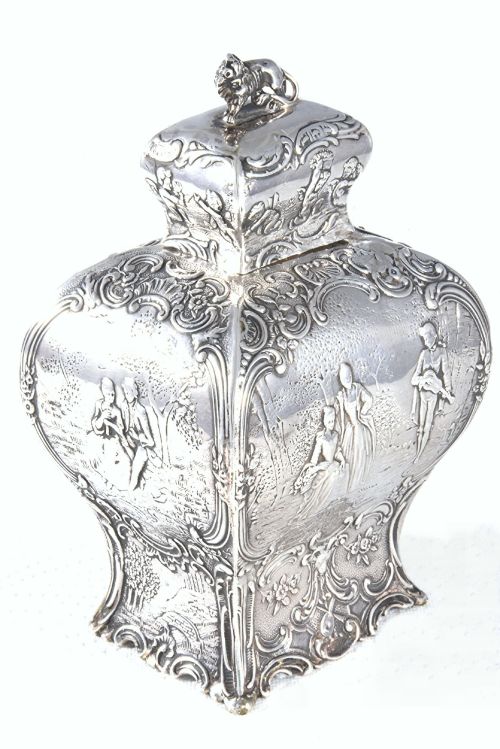
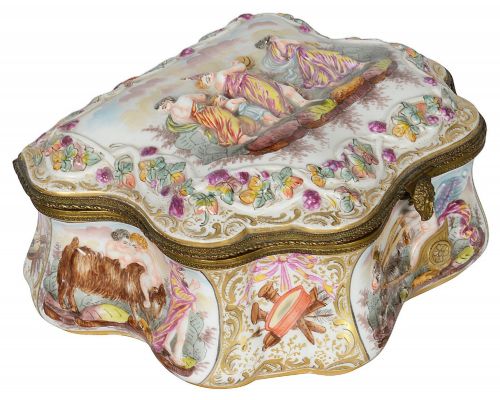
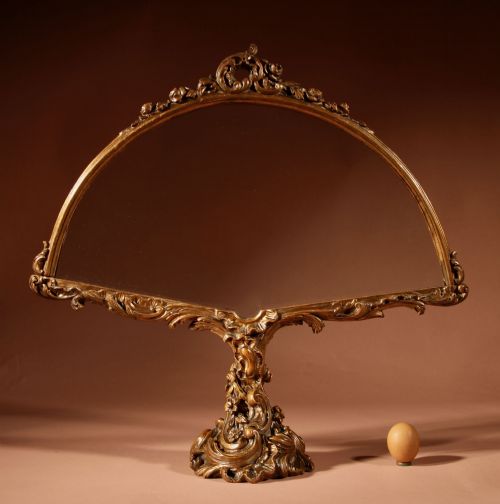
The forms on this page span porcelain jewellery caskets, enamel boxes, silver tea caddies, and glass or ormolu mounted display tables. French and Viennese influences appear frequently alongside English craftsmanship.
Most items adopt revivalist aesthetics inspired by Louis the Fifteenth designs, utilising serpentine outlines and elaborate cast metal mounts. The selection ranges from tabletop caskets to larger bijouterie tables.
What varies in quality
The crispness of the cast ormolu mounts and the precision of the hand-painted porcelain panels separate finer examples from standard production. Heavier gauge silver and substantial timber framing indicate superior workshop standards.
The integration between the decorative mounts and the primary material demonstrates the maker's skill. Well-executed hinges, tight joinery, and intact gilding elevate the status of an individual box.
Rococo Style Box Retail Price Guide 2026
Typical asking prices for rococo style box among the pieces listed under this phrase on Sellingantiques today, from the lower quarter to the upper quarter. They describe what is for sale here now, not the wider market.
Listings include items spanning the eighteenth, nineteenth, and early twentieth centuries, constructed from porcelain, silver, enamel, and mahogany.
William Comyns·Christofle·David Pettifer·Meissen
The Rococo Style Box Glossary
- Ormolu
- Gilded bronze utilised for decorative mounts and feet. This technique provides a bright golden finish on cast metal decorative elements.
- Bombe
- An outwardly bulging or swelling profile seen on cabinet work and caskets. This curved shape defines many mid-nineteenth-century French revival pieces.
- Bijouterie table
- A glass-topped display table designed for viewing small precious objects. These tables often feature elaborate ormolu frames and silk-lined interiors.
- Serpentine
- A line or shape that curves inward and outward in a continuous flow. This contour appears frequently along the edges of lids and bases.
Rococo Style Box: Frequently Asked Questions
What are these boxes made from?
These items utilise a diverse range of materials including porcelain, glass, enamel, mahogany, rosewood, and sterling silver. Many incorporate ormolu or gilt metal mounts to achieve their characteristic decorative appearance.
Craftsmen combined these elements to produce durable yet highly ornate containers designed for daily use on dressing tables or display surfaces.
How do I date a box?
Dating relies on examining the materials, construction methods, and stylistic hallmarks present on the piece. Nineteenth-century examples often display specific revival traits and manufacturing techniques.
Maker marks, hallmarks on silver elements, and the character of the porcelain or enamel provide further chronological indicators for identification.
How were these boxes used?
Owners stored jewellery, trinkets, snuff, and tea within these vessels to keep small valuables organised and secure. Larger variations functioned as display tables or decorative caskets in principal rooms.
They served both a practical storage function and a social role as decorative objects that demonstrated the owner's taste.
How do I care for my box?
Maintain these pieces by keeping them away from direct sunlight and excessive moisture to protect delicate enamel, porcelain, and wood surfaces. Gentle dusting with a dry cloth preserves the finish on both the metal mounts and timber.
Avoid harsh chemical cleaners on gilt surfaces and silver to prevent damage to the original patination and metalwork.