
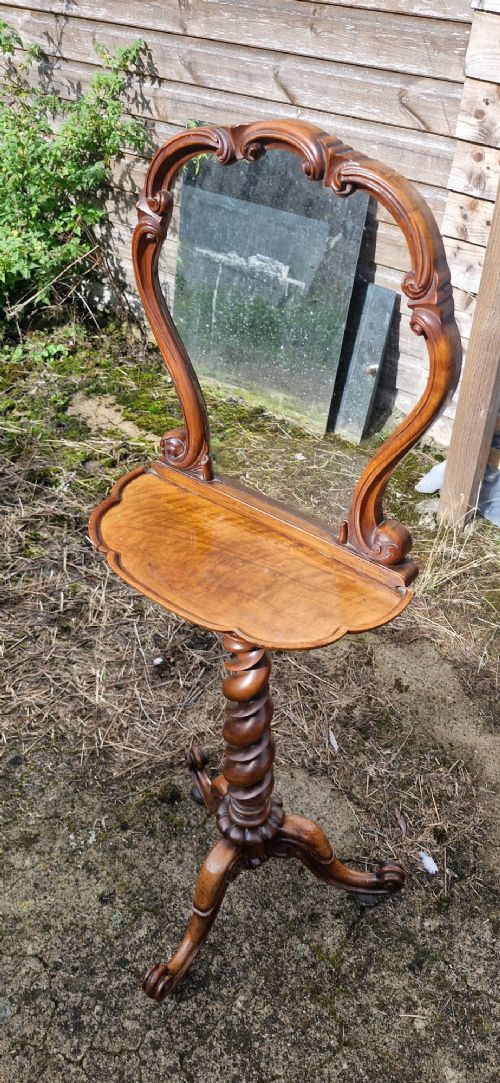
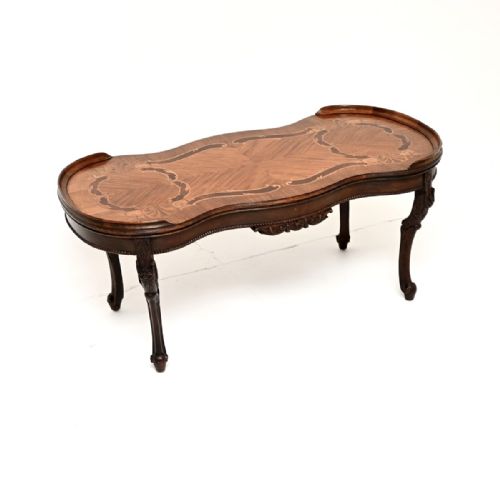
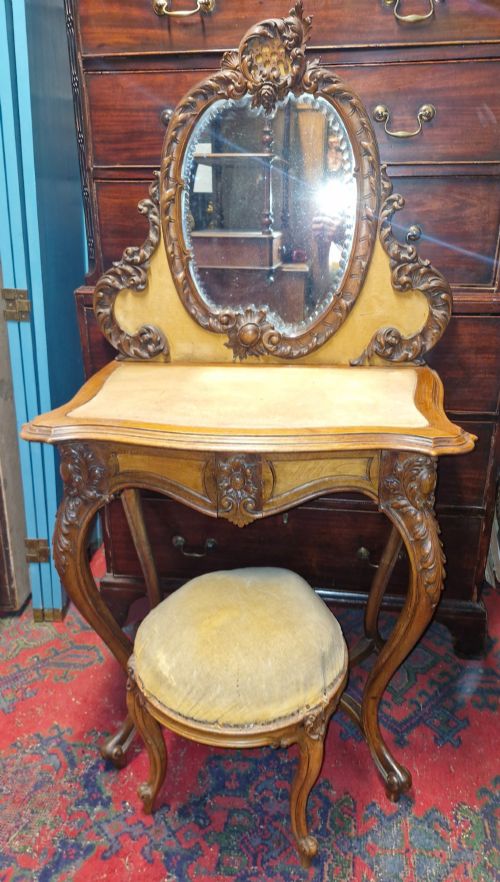
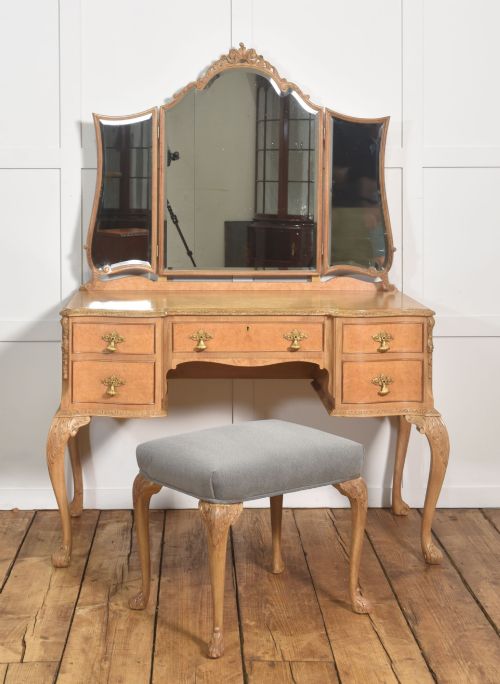
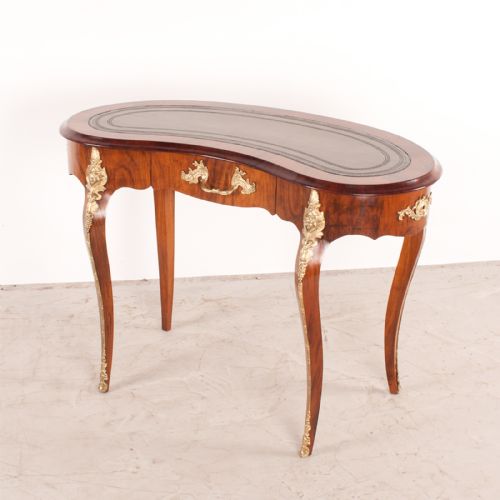
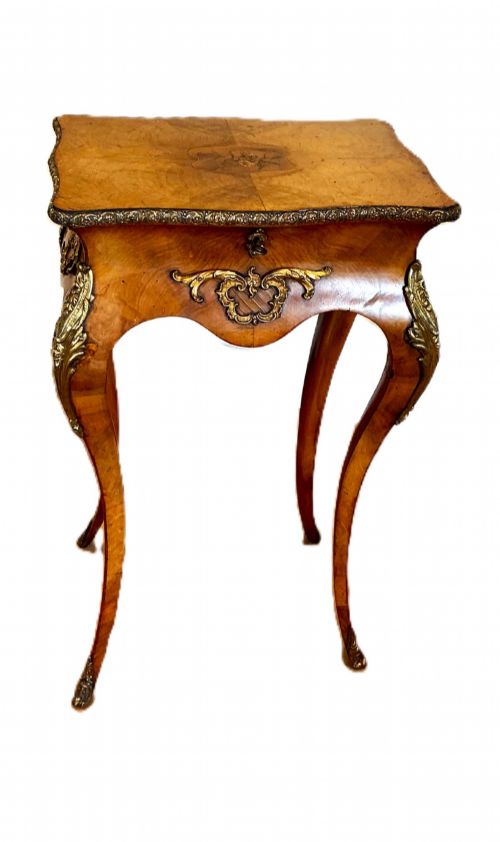
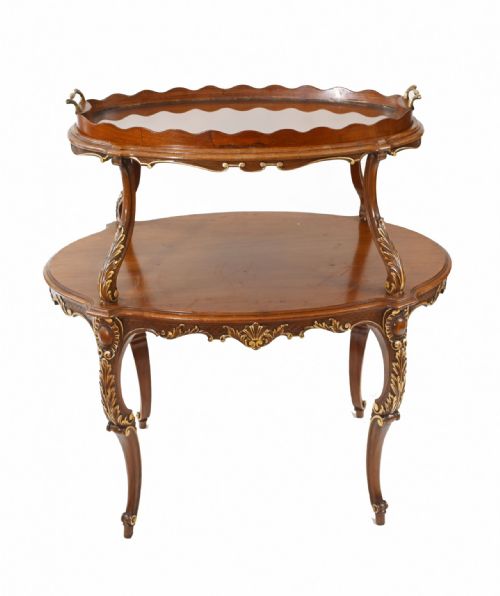

Rococo Revival Walnut Table
A rococo revival walnut table brings sculptural nineteenth-century curves, figured timber, and ornate French-inspired forms straight into a modern room.
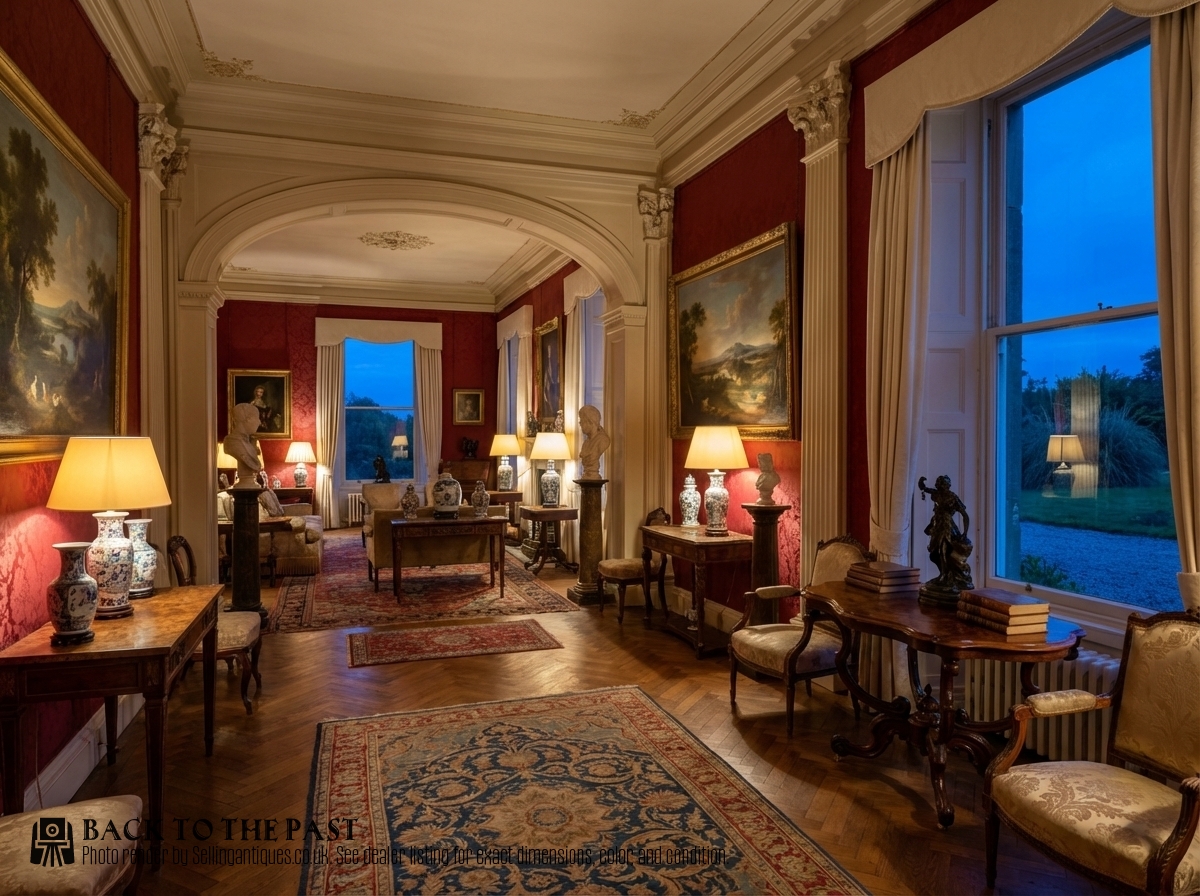
Rococo Revival Walnut Table
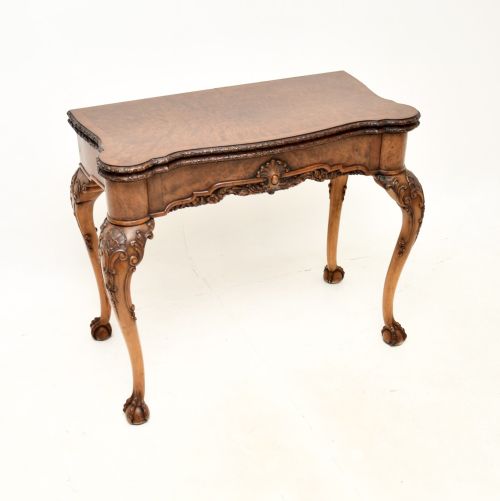
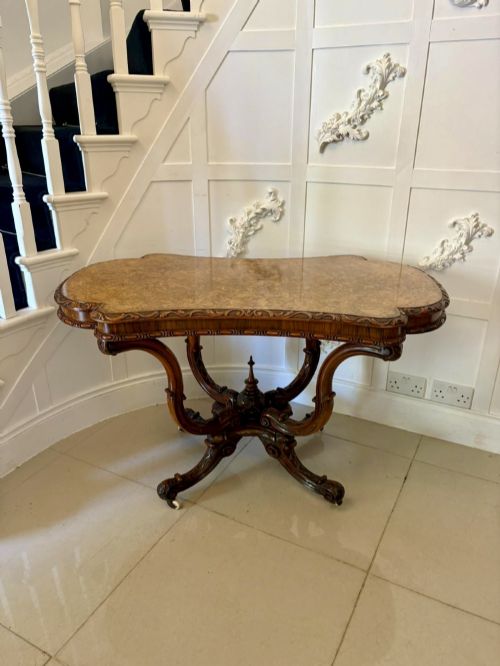
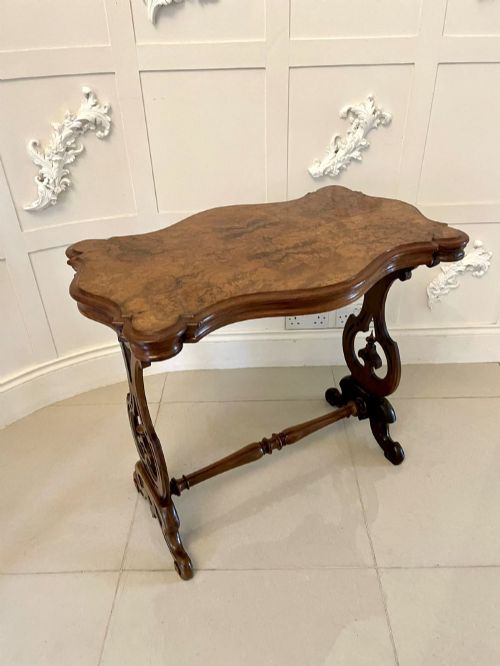
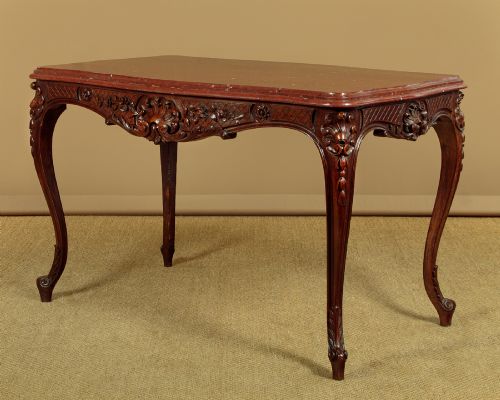
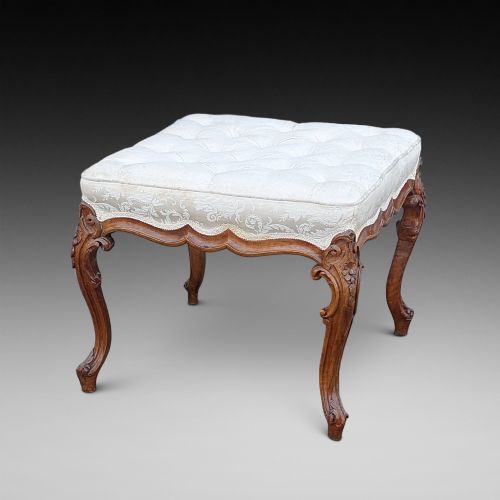
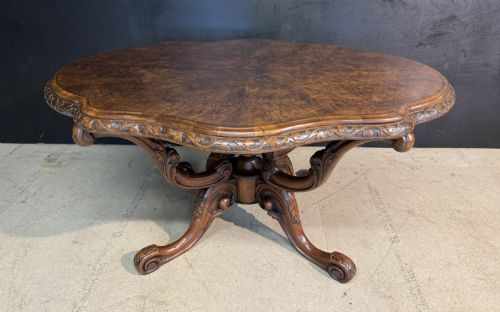
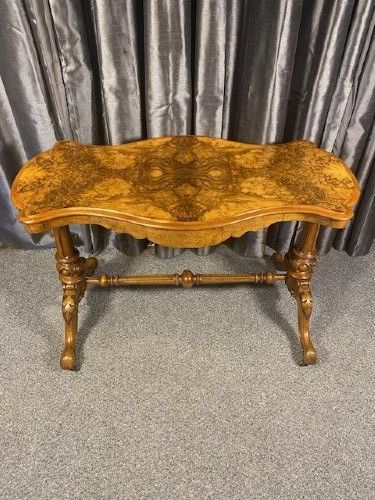
A rococo revival walnut table is a piece of nineteenth-century furniture defined by flowing asymmetrical lines, cabriole legs, and elaborate carved ornament. These tables appear most frequently as centre tables or card tables originating from Victorian England and France.
The selection ranges from occasional tables and writing desks to console tables and coffee tables produced across the nineteenth and early twentieth centuries. Makers working in the revival style drew heavily upon earlier Louis XV designs to create highly decorative domestic furniture.
Markers of Excellence
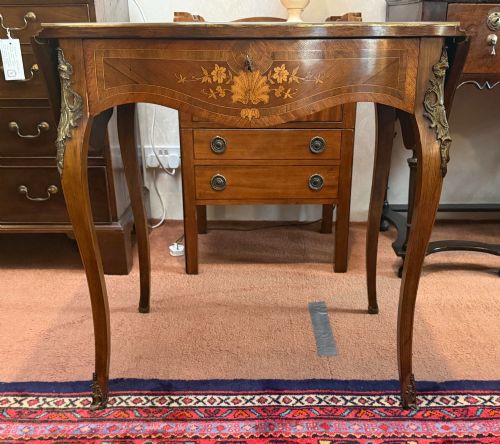
Quality in a rococo revival walnut table rests upon the choice of timber and the precision of the cabinetwork. Tables utilising highly figured burr walnut veneers and crisp, deeply undercut hand carving occupy the highest tier of production.
The integration of secondary materials such as finely chased ormolu mounts, marquetry detailing, and heavy marble slabs distinguishes superior workshop output from simpler domestic versions.
Several tables include hidden compartments designed for holding nineteenth-century playing cards and counters.
Maple and Co·Edwards and Roberts·Holland and Son
The Rococo Revival Walnut Table Glossary
- Burr walnut
- A prized timber harvested from tree growths or burls, yielding complex, swirling grain patterns used for decorative veneer surfaces.
- Cabriole leg
- A furniture leg featuring a double curve, typically swelling outward at the knee and tapering inward to a scroll or pad foot.
- Marquetry
- The art of applying decorative veneer pieces in geometric or floral patterns to a structural wood foundation.
- Ormolu
- Gilded bronze ornamentation applied to furniture edges, mounts, and legs during the nineteenth century.
- Serpentine
- A shape characterised by a line of alternating convex and concave curves, commonly seen on table edges and aprons.
Rococo Revival Walnut Table: Frequently Asked Questions
How do I identify a rococo revival table?
Look for characteristic design elements such as cabriole legs, serpentine edges, and asymmetrical floral carving inspired by mid-eighteenth-century French aesthetics.
Walnut and burr walnut are the primary timbers used for these nineteenth-century revival pieces, often combined with marquetry or marble tops.
Where should I place a centre table?
A centre table is designed to stand freestanding in the middle of a room rather than pushed against a wall, allowing the carved details to be seen from all sides.
Ensure there is adequate walking space around the piece to appreciate its proportions and placement within the interior.
How do I care for walnut veneer?
Keep walnut furniture away from direct sunlight and heat sources to prevent the wood from drying out and the veneer from lifting over time.
Dust the surface regularly with a soft, dry cloth and avoid using harsh chemical polishes that can damage the antique finish.
Were card tables used for dining?
Card tables were traditionally built with folding or rotating tops intended for social games like whist rather than for formal dining.
The folded top often reveals a baize-lined playing surface designed specifically for evening entertainment in the Victorian parlour.